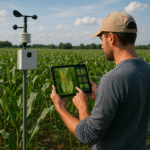

Precision agriculture thrives on the synergy between advanced sensors, data pipelines, and artificial intelligence algorithms. By detecting subtle changes in plant health long before visible symptoms appear, modern systems empower farmers to take proactive measures, reducing losses and optimizing yields. From image analysis to predictive modeling, AI-driven solutions are transforming how we anticipate and counteract threats in the field. This article explores the core technologies, integration strategies, and future directions that define the cutting edge of crop disease prevention.
Harnessing Machine Learning for Early Detection
At the heart of intelligent disease management lies a variety of machine learning techniques designed to recognize patterns in vast datasets. Supervised learning models are trained on labeled images of healthy and diseased plants, while unsupervised methods explore unlabeled data to uncover anomalies. Convolutional neural networks (CNNs) excel at identifying leaf discoloration, lesions, and textural changes that often precede an outbreak. By leveraging millions of data points collected over seasons and geographies, these models can detect infections at a microscopic scale, sometimes days before field scouts would notice any sign.
Key steps in developing a robust detection pipeline include:
- Curating high-quality training sets with diverse examples of pathogen-induced stress.
- Augmenting data through rotations, lighting adjustments, and synthetic overlays to improve model resilience.
- Validating performance in both lab-controlled environments and real-world farm plots.
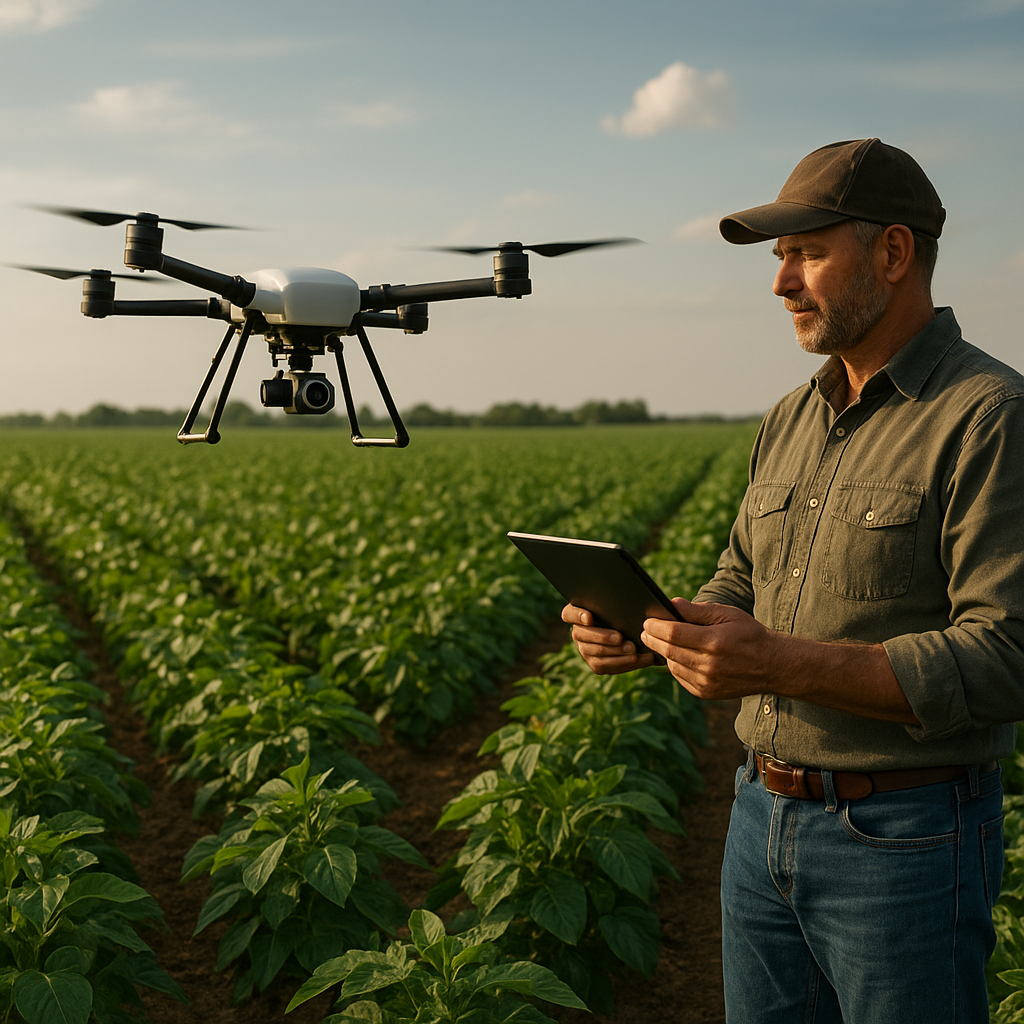
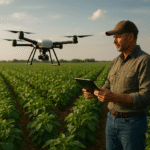
Continuous retraining ensures that algorithms adapt to evolving pathogen strains and shifting environmental conditions. By automating image analysis with remote cameras or drone-mounted payloads, machine learning systems scan thousands of acres in hours, turning raw pixel data into actionable disease alerts.
Supervised vs. Unsupervised Approaches
Supervised frameworks rely on human-labeled examples to teach a model the difference between healthy and infected tissue. In contrast, unsupervised algorithms such as clustering and autoencoders identify outliers without explicit labeling, flagging unusual patterns that could indicate emerging threats. Hybrid solutions combine both approaches: unsupervised nets highlight potential hotspots, which are then classified by supervised models for confirmation.
Integrating Remote Sensing and Field Sensors
Remote towers, drones, and satellites equipped with multispectral and hyperspectral cameras capture light reflected at wavelengths beyond the visible spectrum. These advanced imaging techniques reveal plant stress signals tied to chlorophyll breakdown, water content changes, and cellular disruption. By analyzing near-infrared, thermal, and fluorescence bands, researchers create disease indices that correlate with specific pathogens.
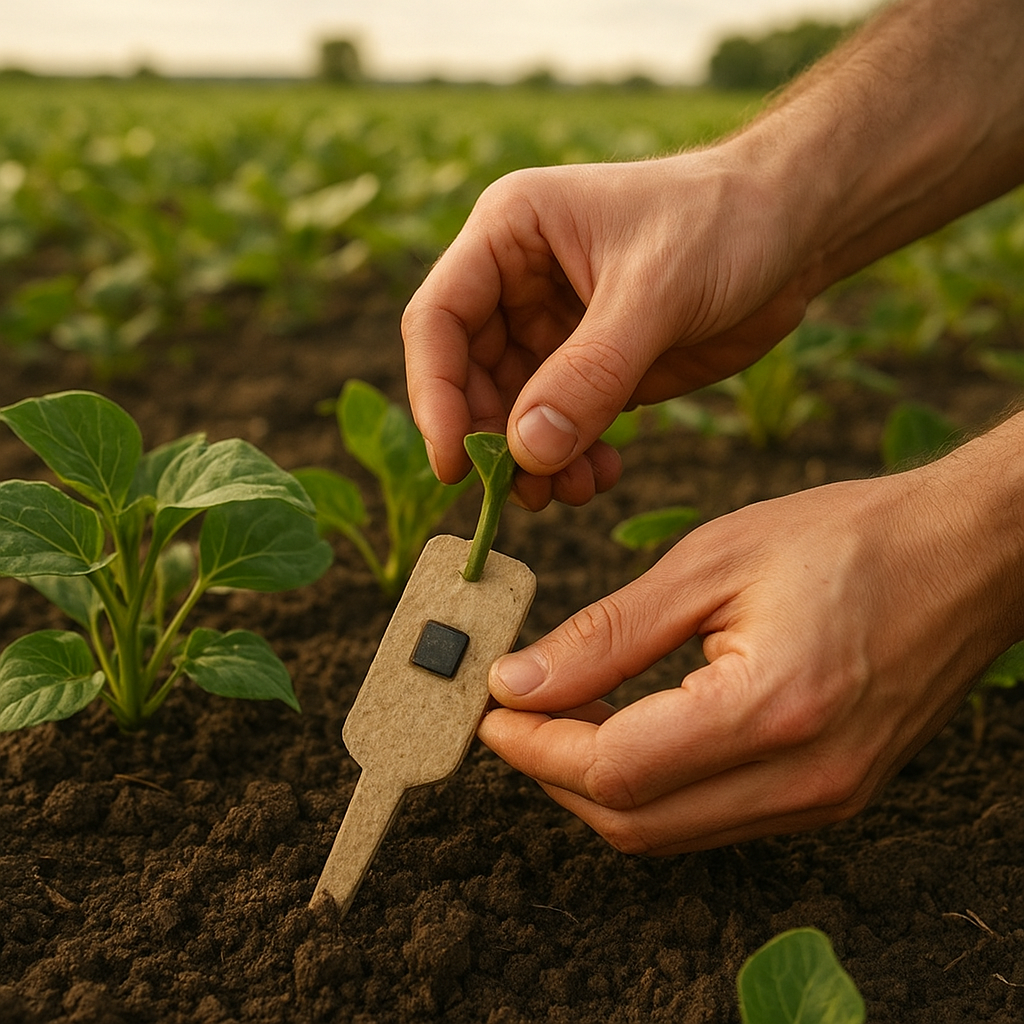
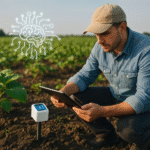
Meanwhile, ground-based Internet of Things devices measure soil moisture, temperature, humidity, and leaf wetness in real time. When paired with weather station data, these measurements feed into environmental risk models, offering context for observed anomalies. For example, extended leaf wetness combined with cool nighttime temperatures can accelerate fungal growth, a fact that remote sensing alone might miss.
Integration challenges often involve aligning data streams with varying spatial and temporal resolutions. Edge computing platforms solve part of this problem by preprocessing sensor feeds close to the source, transmitting only compressed insights to the cloud. This federated architecture preserves bandwidth, reduces latency, and enhances on-farm decision support.
Advanced Data Analytics and Disease Forecasting Models
Data-driven forecasting transforms static observations into dynamic predictions, charting potential outbreak scenarios days or weeks in advance. Statistical methods like time-series analysis and Bayesian networks identify correlations between weather patterns, planting density, and disease incidence. Meanwhile, deep learning architectures assimilate large-scale historical records to learn latent relationships that traditional models might overlook.
Key components of a high-performance forecasting system include:
- Real-time ingestion of weather forecasts from meteorological agencies.
- Historical yield and disease incidence logs spanning multiple seasons.
- Crop phenology models that map plant growth stages to vulnerability windows.
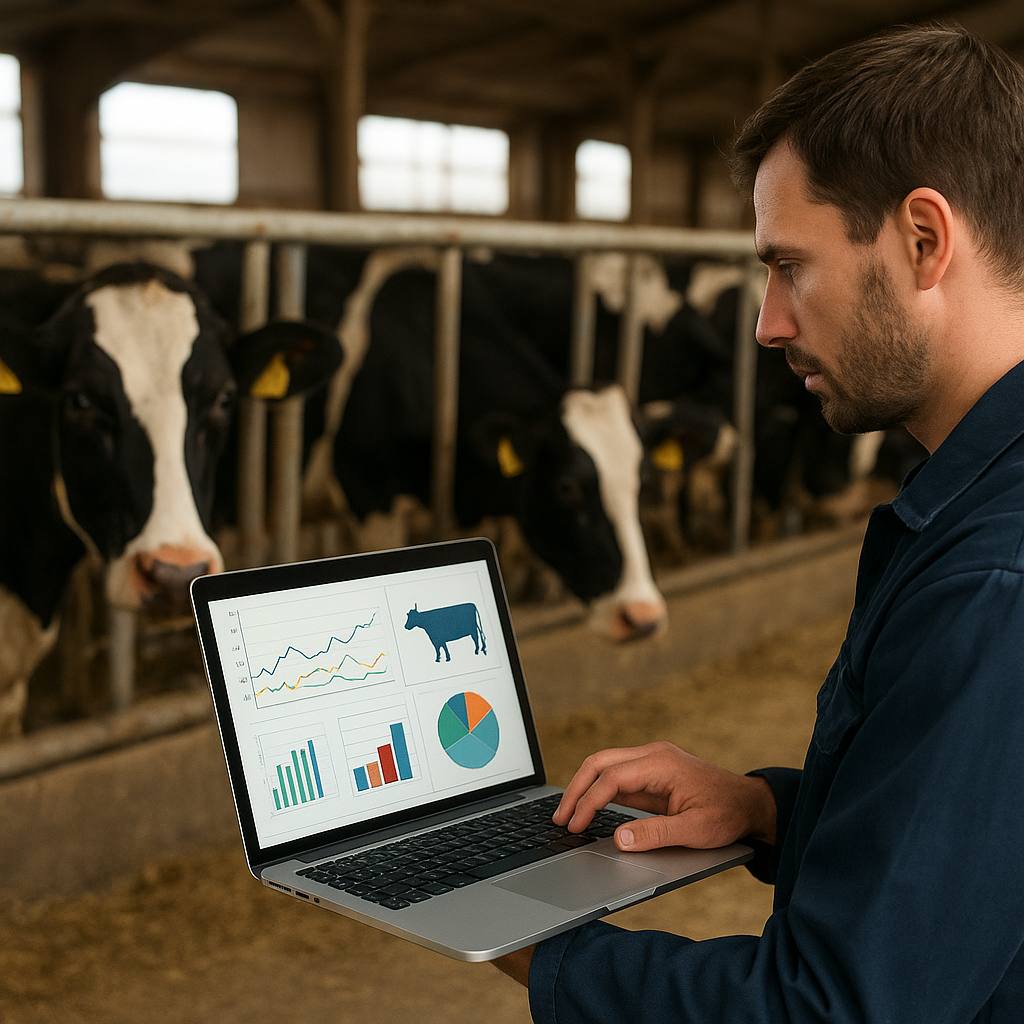
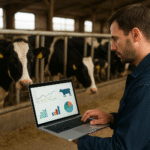
By simulating pathogen life cycles under projected environmental conditions, AI platforms can estimate the probability of infection across a region. These risk maps help agronomists allocate fungicide applications precisely, minimizing chemical use while maximizing protection. Advanced dashboards visualize predicted hotspots, severity estimates, and recommended intervention times, enabling data-driven planning at scale.
Challenges and Future Directions in AI-Driven Crop Protection
Despite impressive progress, several hurdles remain before AI-based disease prediction is ubiquitous. Data scarcity in underrepresented regions, model interpretability concerns, and the high cost of specialized sensors limit widespread adoption. Ensuring that smallholder farmers can access and trust these solutions requires user-friendly interfaces, transparent algorithms, and affordable hardware.
Emerging trends point toward greater synergy between genomics, AI, and robotics. Integrating sustainability-focused breeding programs with real-time pathology alerts could accelerate the development of disease-resistant varieties. At the same time, automated ground vehicles and drones will carry out targeted treatments, executing precise risk mitigation strategies with minimal environmental impact.
Collaborative data-sharing initiatives among research institutions, agribusinesses, and farmer cooperatives promise to enrich centralized repositories, improving model generalization and robustness. Ultimately, the blend of predictive intelligence and on-the-ground automation will redefine crop protection, supporting a resilient food system capable of withstanding emerging disease challenges.