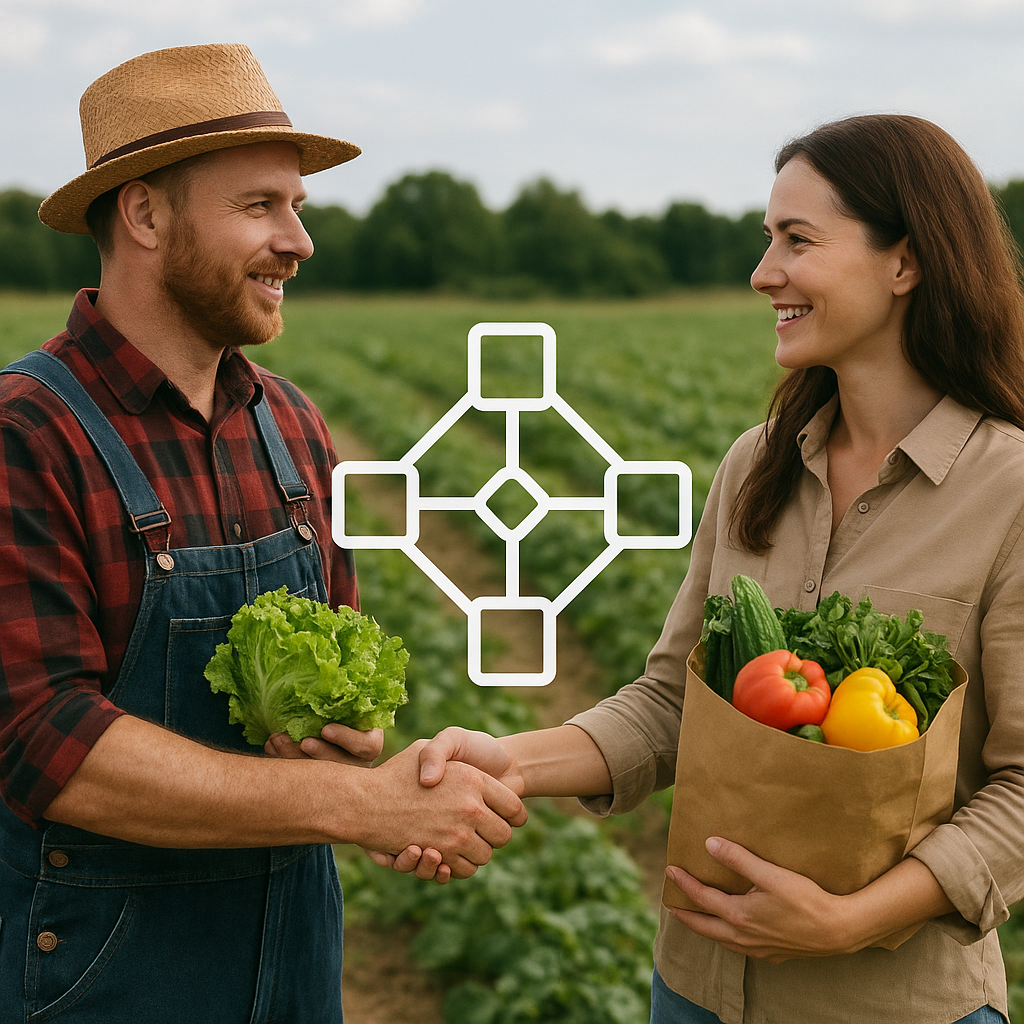




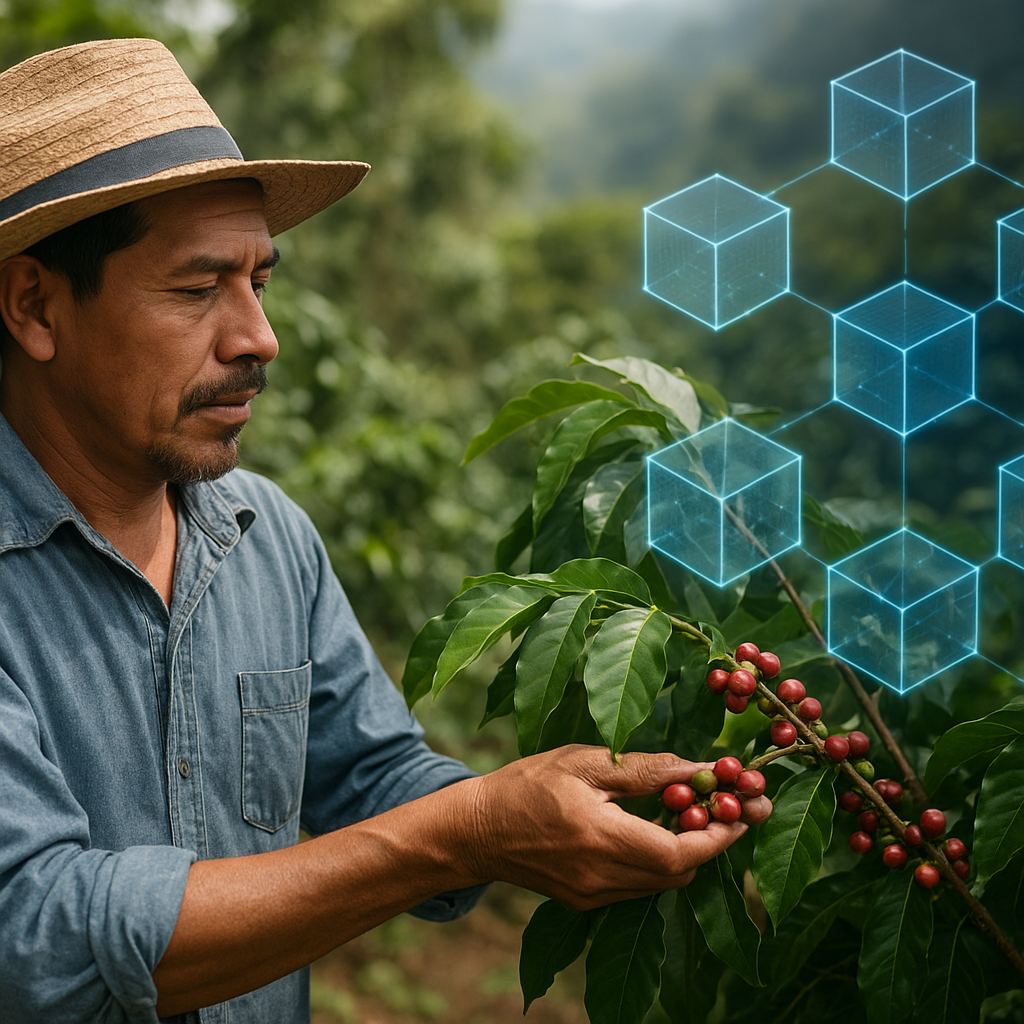
Impressive advancements in modern agriculture are redefining how products journey from fields to consumers’ hands. By embracing blockchain technology, supply networks gain unprecedented transparency and traceability. Farmers, cooperatives, and brands can verify every transaction on an immutable ledger, ensuring that every step aligns with fair trade principles. This fusion of cutting-edge tech and sustainable practices not only bolsters farmers’ incomes but also nurtures consumer trust and environmental stewardship.
Enhancing Transparency Across Supply Chains
Visibility from Farm to Table
Traditional agricultural supply chains often suffer from fragmented data and opaque processes. Leveraging blockchain networks transforms this model by providing a unified platform where each stakeholder records critical information. From seed selection and pesticide use to harvest dates and transportation routes, every detail becomes instantly verifiable. This comprehensive data trail empowers consumers to make informed decisions and holds producers accountable for sustainable practices.
- Real-time recording of field conditions and harvest yields
- Instant access to storage and logistics updates
- Unalterable timestamped entries reducing data tampering
Promoting Accountability Among Stakeholders
By enrolling farmers, distributors, processors, and retailers on a shared blockchain, each party’s actions are documented in a decentralized manner. This eliminates the need for intermediaries to validate claims, cutting down verification costs and accelerating market access for smallholder producers. When an anomaly arises—such as a quality discrepancy or compliance violation—traceback is swift and precise, safeguarding the integrity of the entire network.
Ensuring Fair Compensation and Certification
Smart Contracts and Automated Payments
Smart contracts are self-executing agreements encoded on the blockchain that automatically release payments once predefined conditions are met. For example, after a batch of coffee beans passes a quality inspection and reaches its destination, funds are instantly transferred to growers. This mechanism eliminates payment delays, reduces the reliance on credit, and strengthens the financial resilience of farming communities.
- Automated disbursement upon delivery confirmation
- Elimination of middlemen fees and transaction disputes
- Improved cash flow fostering reinvestment in sustainable inputs
Streamlined Fair Trade Certification
Acquiring and maintaining certification from fair trade bodies can be resource-intensive. Blockchain solutions digitize audit trails, making it easier for certifiers to verify compliance with labor standards, environmental regulations, and equitable wage policies. With data accessible on demand, producers spend less time on paperwork and more on implementing best practices that strengthen community livelihoods.
Driving Sustainability and Empowerment
Environmental Monitoring and Resource Management
Integrating Internet of Things (IoT) sensors with blockchain networks unlocks granular insights into water usage, soil health, and pesticide applications. Data recorded is tamper-proof, enabling regulators and certifiers to ensure sustainable resource management. Farmers receive actionable recommendations for optimizing irrigation schedules and fertilizer inputs, reducing waste and minimizing ecological footprints.
- Automated alerts for drought or pest outbreaks
- Proof of reduced carbon emissions for carbon offset programs
- Enhanced compliance with global sustainability standards
Empowering Smallholder Farmers
One of the most profound impacts of blockchain in agriculture is the socioeconomic upliftment of marginalized growers. Transparent pricing and direct access to international markets eradicate exploitative practices. By tokenizing assets like crop futures or carbon credits, farmers unlock new revenue streams and secure investments based on verifiable performance metrics. This empowerment drives rural development and fosters community resilience.
Overcoming Challenges and Future Outlook
Scalability and Collaboration
Despite the clear benefits, scaling blockchain solutions requires overcoming technical and institutional barriers. High transaction costs and energy consumption on certain public networks can hinder widespread adoption. To address this, consortia of private and permissioned blockchains are emerging, offering faster processing speeds and reduced fees. Cross-industry collaboration is essential: technology providers, NGOs, and governments must co-create interoperable frameworks that support local contexts.
Fostering Ethical Sourcing Through Innovation
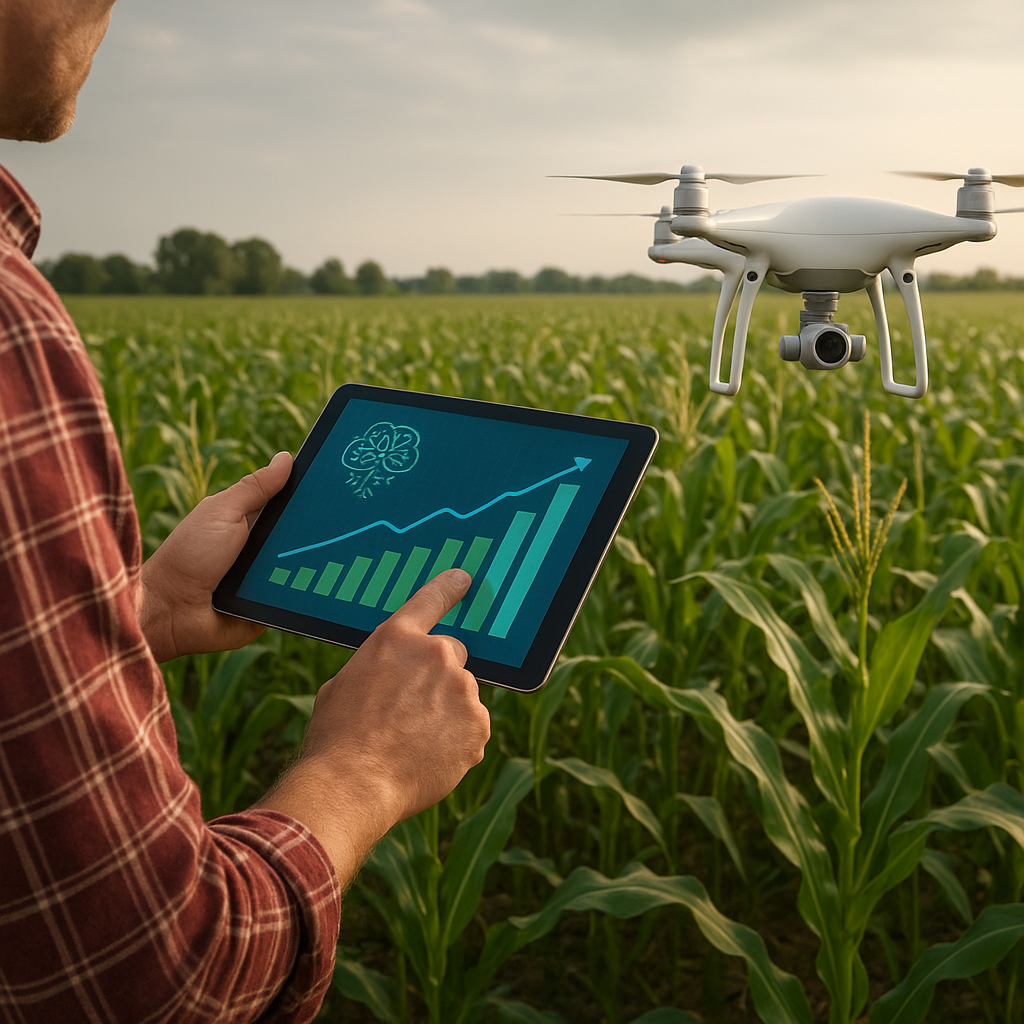
Looking forward, integrating emerging technologies such as artificial intelligence and satellite imaging with blockchain will further enhance supply chain intelligence. Predictive analytics can forecast crop yields, optimize logistics routes, and detect potential climate threats early. As consumers increasingly demand ethically sourced products, brands embracing this innovation will differentiate themselves by delivering verifiable commitments to social justice and environmental stewardship.
- Blockchain-powered marketplaces connecting producers to conscious consumers
- Tokenized incentive programs rewarding sustainable farm practices
- Collaborative data pools fostering shared research and development