Digital agriculture has emerged as a revolutionary force reshaping the way food is grown, processed, and distributed. With a blend of cutting-edge technologies and innovative practices, farmers and agribusinesses are unlocking unparalleled levels of efficiency and insight. Amid global concerns about food safety and ethical sourcing, the integration of data-driven solutions is proving essential for ensuring complete transparency across the food value chain. This article explores how modern farming methods leverage precision tools, distributed ledgers, and sustainability measures to build trust with consumers while optimizing resource use.
Precision Farming and Data Analytics
Sensors and Internet of Things Integration
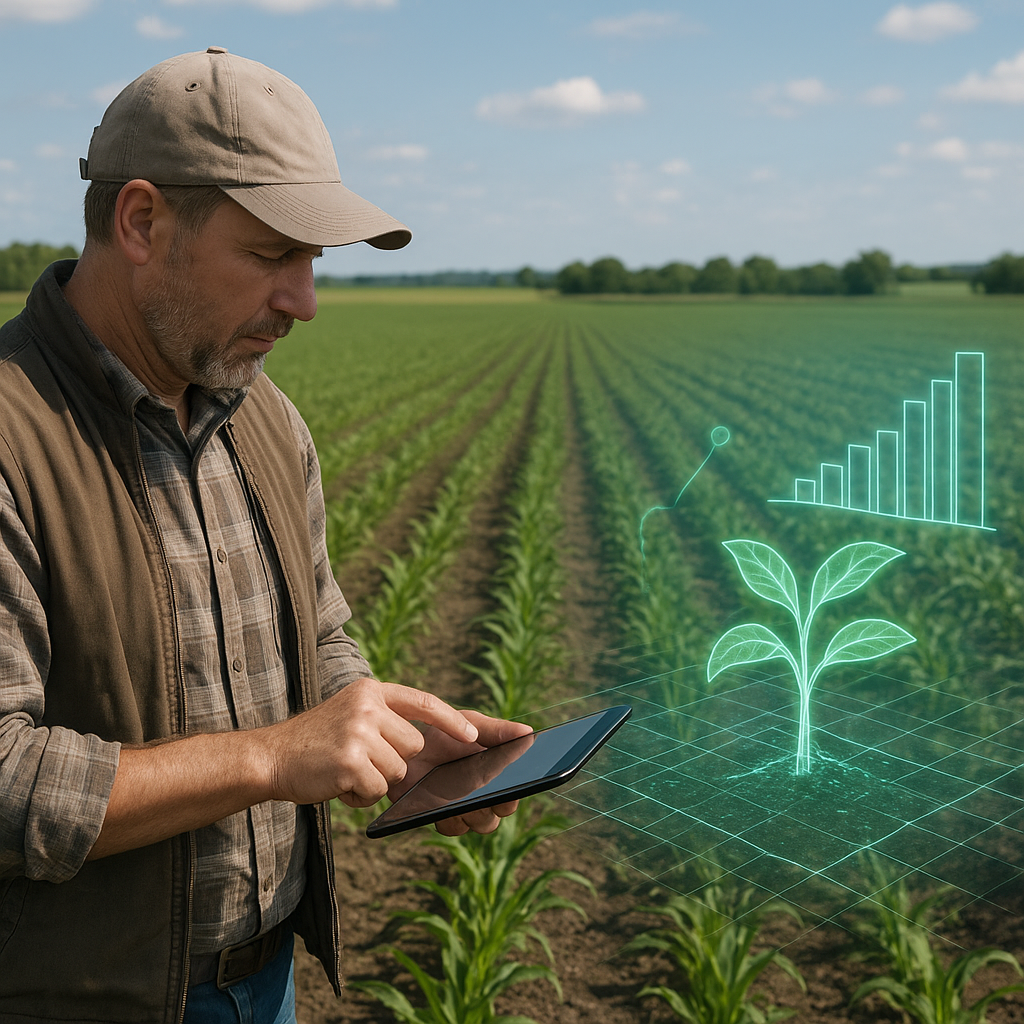
At the heart of precision farming lies a network of smart sensors and IoT devices that monitor environmental conditions in real time. Soil moisture meters, weather stations, and nutrient probes transmit continuous streams of data to centralized platforms. This flow of information allows growers to adjust irrigation schedules, fertilization rates, and pesticide applications with unprecedented accuracy. By deploying an array of connected devices, farmers can reduce water consumption by up to 30 percent, limit chemical runoff, and respond swiftly to emerging threats such as pest infestations or drought stress.
Big Data and Machine Learning
Collecting vast quantities of raw data is only part of the equation. Advanced big data analytics and machine learning models transform these inputs into actionable recommendations. Predictive algorithms analyze historical yields, weather patterns, and crop health imagery to forecast production outcomes. These insights empower farm managers to optimize planting schedules, choose resilient crop varieties, and anticipate maintenance needs for critical machinery. The synergy between high-speed connectivity and intelligent software is driving a new era of decision-making, where every action in the field is underpinned by robust statistical evidence.
Blockchain and Supply Chain Transparency
Immutable Records for Traceability
The adoption of blockchain technology in agriculture ensures that every step of the supply chain is recorded in an immutable ledger. From seed origin and fertilizer batches to processing methods and shipment details, each data point becomes a permanent entry. Stakeholders can verify the provenance of a product in seconds, significantly reducing the risk of fraud and mislabeling. For consumers, this level of traceability translates to confidence that the food on their plate adheres to declared standards—whether organic certification, fair-trade compliance, or reductions in carbon footprint.
Consumer Engagement Platforms
Innovative platforms are connecting end users directly with the farms that produce their food. Through mobile applications and QR codes on packaging, shoppers can trace the journey of each item from field to fork. These interfaces often include interactive maps, photographs of the harvesting process, and sustainability metrics. By offering such transparency, brands foster stronger emotional bonds with their customers and differentiate themselves in a crowded marketplace. Additionally, feedback loops allow buyers to rate their experience, bolstering accountability among suppliers.
- Verification of quality standards via third-party audits
- Reduction in supply chain inefficiencies through automated tracking
- Access to real-time logistics data for retailers and distributors
- Enhanced responsiveness to food safety recalls and alerts
Empowering Sustainable Practices and Consumer Trust
Regenerative Agriculture Through Technology
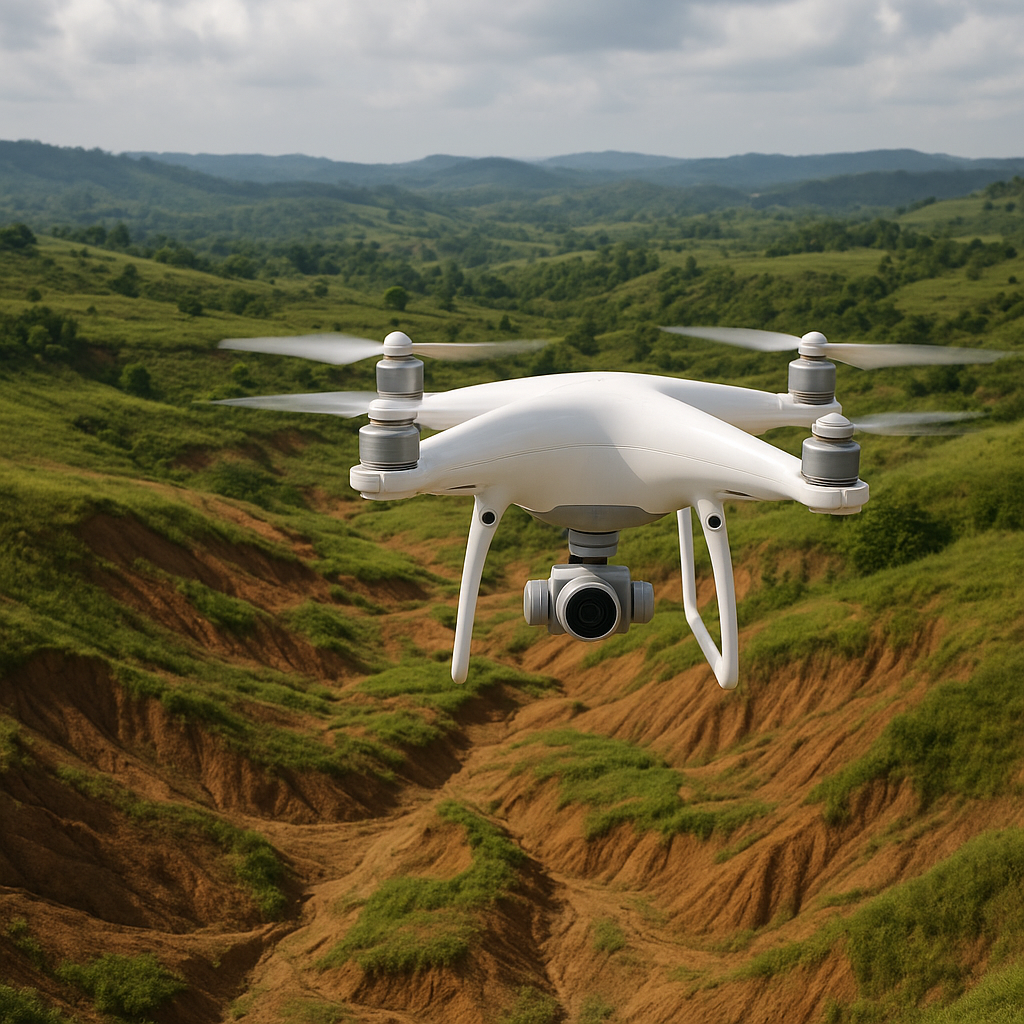
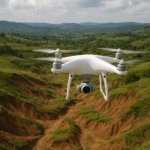
Regenerative methods focus on rebuilding soil health, enhancing biodiversity, and capturing atmospheric carbon. Digital tools accelerate this transformation by providing precise insights into soil composition and microbial activity. Unmanned aerial vehicles equipped with multispectral cameras survey fields to detect nutrient deficiencies and areas needing improvement. By applying cover crops and rotational grazing techniques where they are most effective, farmers can sequester significant amounts of CO2, improving both environmental outcomes and long-term productivity. Integrating these practices with data-driven management is crucial for scaling regenerative farming at an industrial level.
Digital Traceability for Ethical Sourcing
As consumers become more conscious about the social and environmental impact of their food choices, brands are responding with initiatives that highlight ethical sourcing. Through cloud-based platforms, companies can verify labor conditions, water usage, and biodiversity impacts at every stage of production. Transparent reporting not only meets regulatory requirements but also appeals to a growing segment of buyers seeking responsible products. With sustainability now a deciding factor in purchase decisions, businesses that embrace digital traceability gain a competitive edge while contributing to global well-being.
Key Benefits of Digital Agriculture for Food Transparency
- Enhanced risk management through predictive analytics
- Improved resource allocation and waste reduction
- Stronger brand loyalty from transparent supply chains
- Accelerated innovation via real-time performance monitoring
Future Outlook: Integration and Collaboration
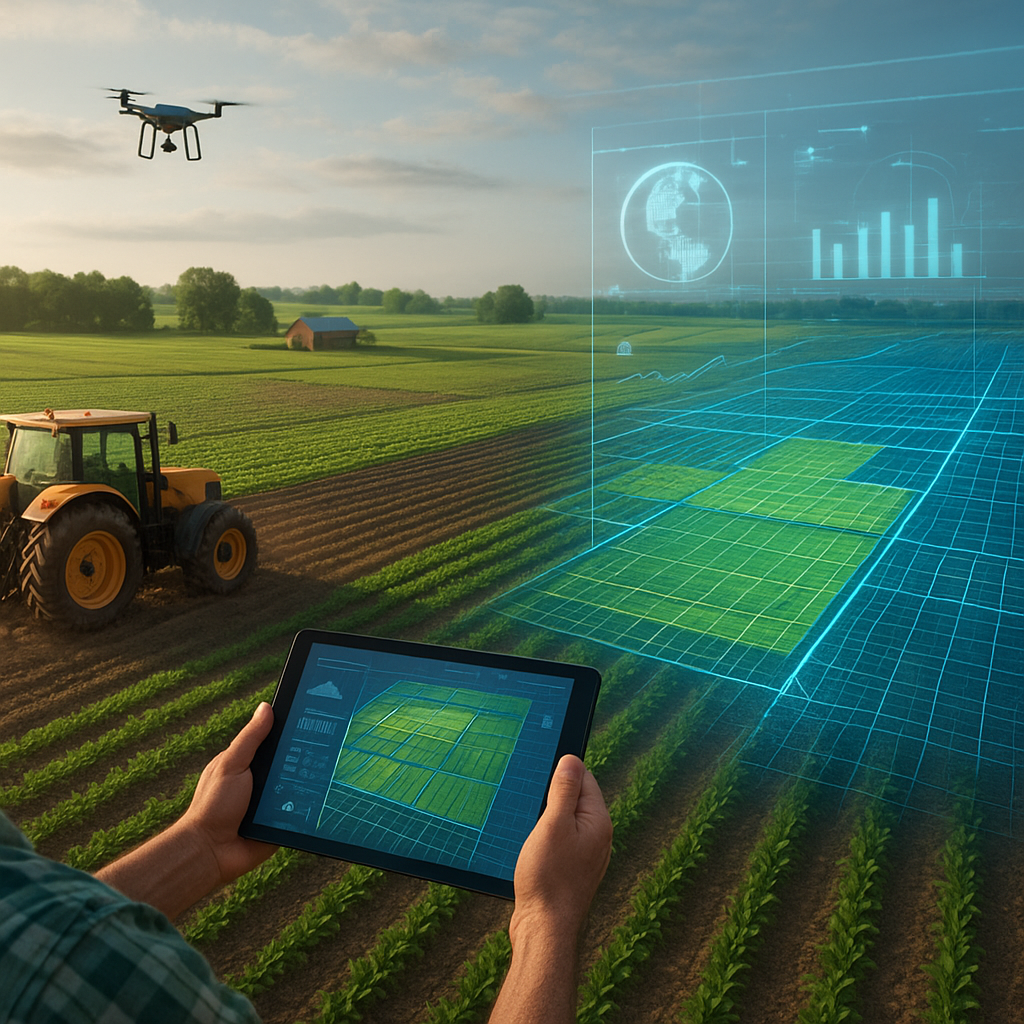
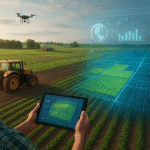
The evolution of impressive agriculture depends on seamless collaboration between technology providers, farmers, researchers, and policymakers. Open data initiatives and standardized protocols will be vital to ensure compatibility across different systems. Emerging solutions that combine real-time monitoring with drone-based interventions, robotics, and autonomous vehicles promise to streamline operations further. Meanwhile, global networks focusing on innovation grants and cross-border partnerships are fostering a culture of shared learning. As these ecosystems mature, the boundary between farm and consumer will continue to blur, redefining trust in the global food system.
Embracing the Internet of Things for Holistic Management
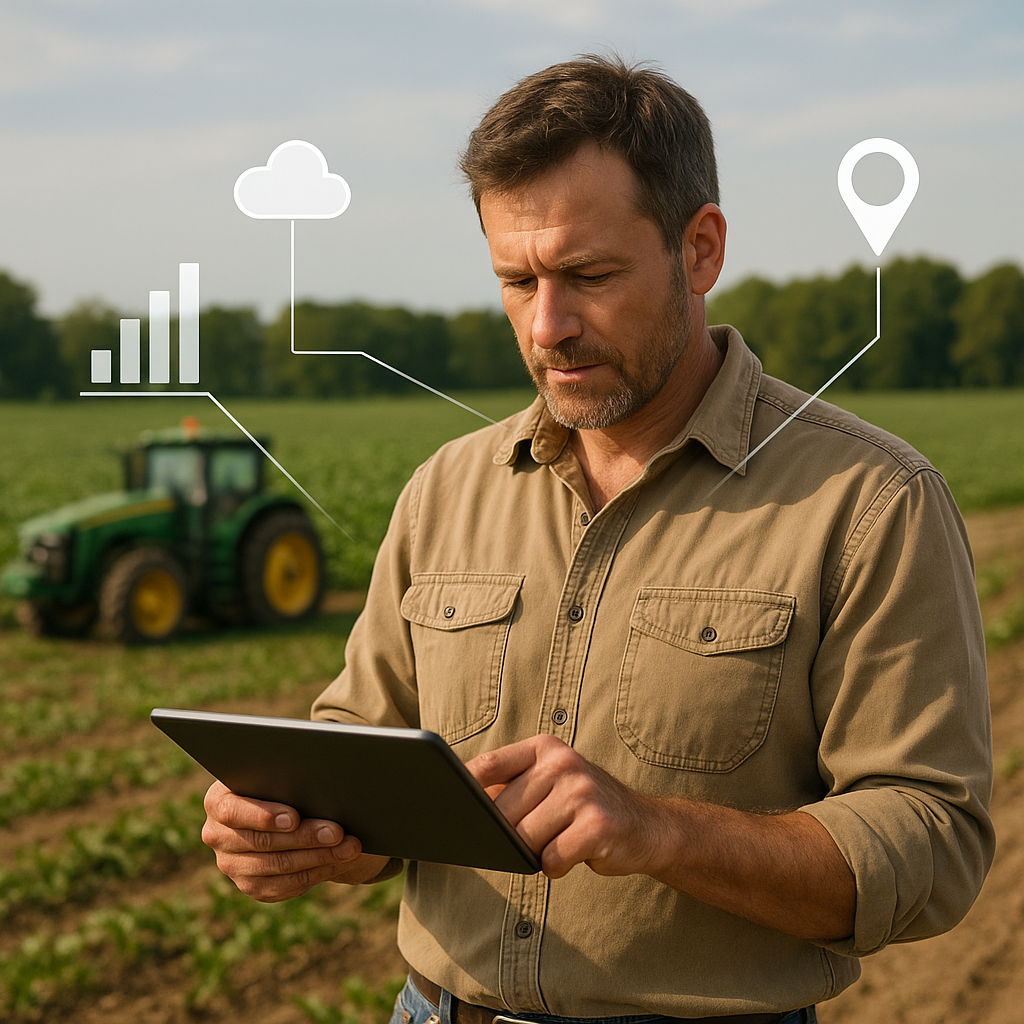
The convergence of artificial intelligence, IoT, and distributed ledger technologies is unlocking the full potential of digital agriculture. Farmers can now oversee entire operations from a single dashboard, receiving alerts on equipment status, field conditions, and supply chain milestones. The ultimate goal is a self-regulating system that adapts to changing conditions and delivers consistently high-quality, safe, and ethically sourced food. By championing predictive maintenance and collaborative data frameworks, the agricultural sector stands poised to meet the demands of a growing population while preserving the planet for future generations.