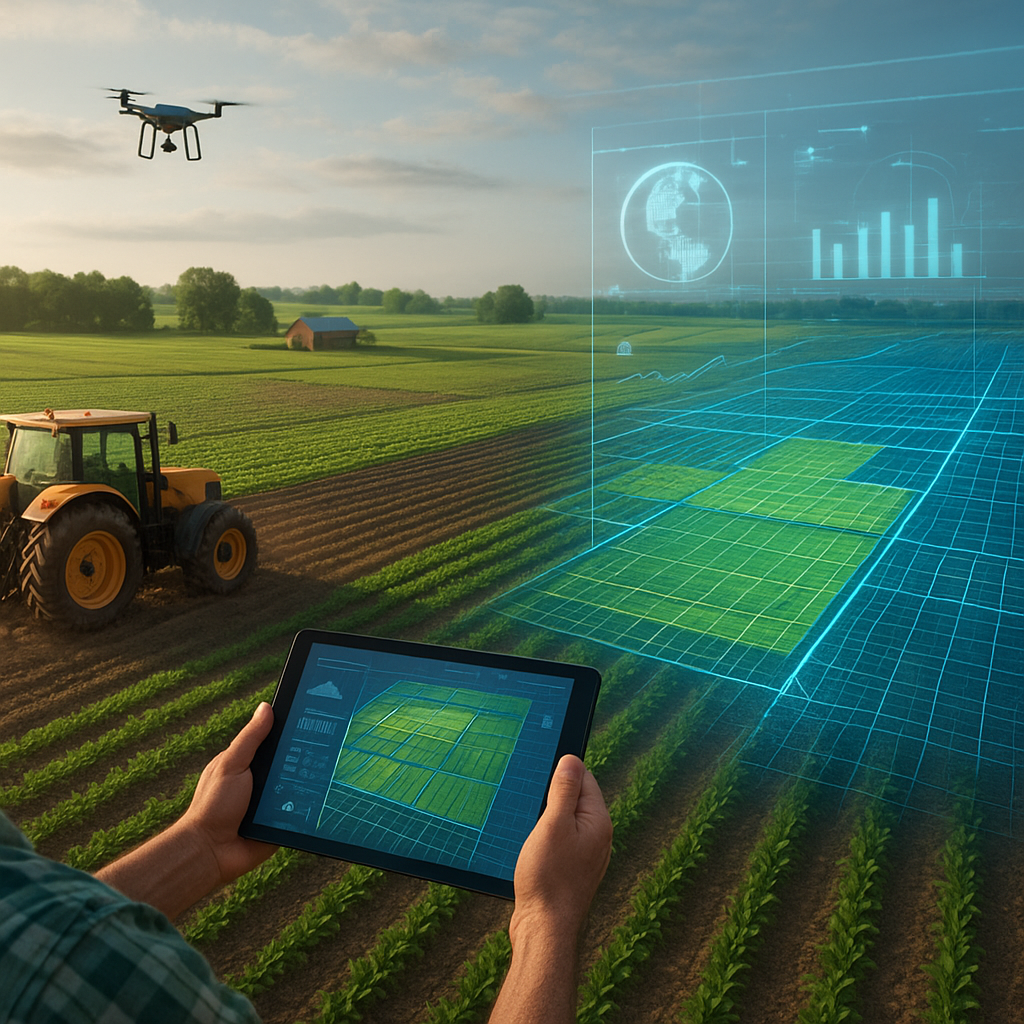
In the realm of precision agriculture, a revolution is quietly transforming the way fields are managed, crops are monitored, and decisions are made. Farmers, once reliant on tradition and seasonal patterns, now harness the power of digital insights to optimize every aspect of production. From soil moisture readings to predictive weather analytics, innovative platforms aggregate real‐time data, driving smarter resource allocation and boosting overall yield.
From Data to Decision‐Making
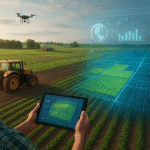
The journey from raw measurements to actionable strategies hinges on robust tools that convert scattered inputs into cohesive knowledge. Comprehensive dashboards offer intuitive visualization of complex datasets, guiding farmers toward more informed choices. Crop health indicators, soil nutrient levels, and market trends all converge in a single interface. Through seamless integration, agronomists can track long‐term patterns while field technicians focus on immediate interventions.
Real‐Time Monitoring
Sensors placed across vast tracts of land feed continuous streams of information into centralized repositories. Automated alerts flag anomalies—such as sudden drops in moisture or unexpected pest activity—enabling rapid response. By reducing the lag between observation and action, these systems minimize crop stress and safeguard against yield loss. Interactive maps display hotspots that require attention, allowing teams to deploy resources where they matter most.
Advanced Analytics
Beyond mere visualization, advanced analytics models apply statistical algorithms and machine learning techniques to unveil hidden correlations. Predictive modules forecast disease outbreaks, irrigation demands, and optimal planting windows. Historical field records are juxtaposed with current sensor readings to refine model accuracy, creating a feedback loop that continually sharpens recommendations. This level of foresight empowers producers to preempt challenges rather than merely react.
Precision Agriculture in Action
At its core, Precision Farming merges technology and tradition to tailor inputs—water, fertilizer, pesticides—down to the square meter. This targeted approach drives efficiency, sustainability, and profitability. By fine‐tuning application rates based on precise field conditions, growers reduce waste and environmental impact while maximizing return on investment.
- Variable rate seeding ensures optimal plant density across diverse soil types.
- Satellite imagery and drone surveys detect stress zones before symptoms become visible.
- Automated machinery performs field tasks with centimeter‐level accuracy.
- Mobile apps deliver customized management advice to on‐site operators.
Collectively, these innovations help maintain soil health, conserve water, and lower the carbon footprint of large‐scale cultivation. Moreover, they pave the way for certification programs that value traceability and responsible stewardship.
Integrating IoT and AI for Next‐Gen Farming
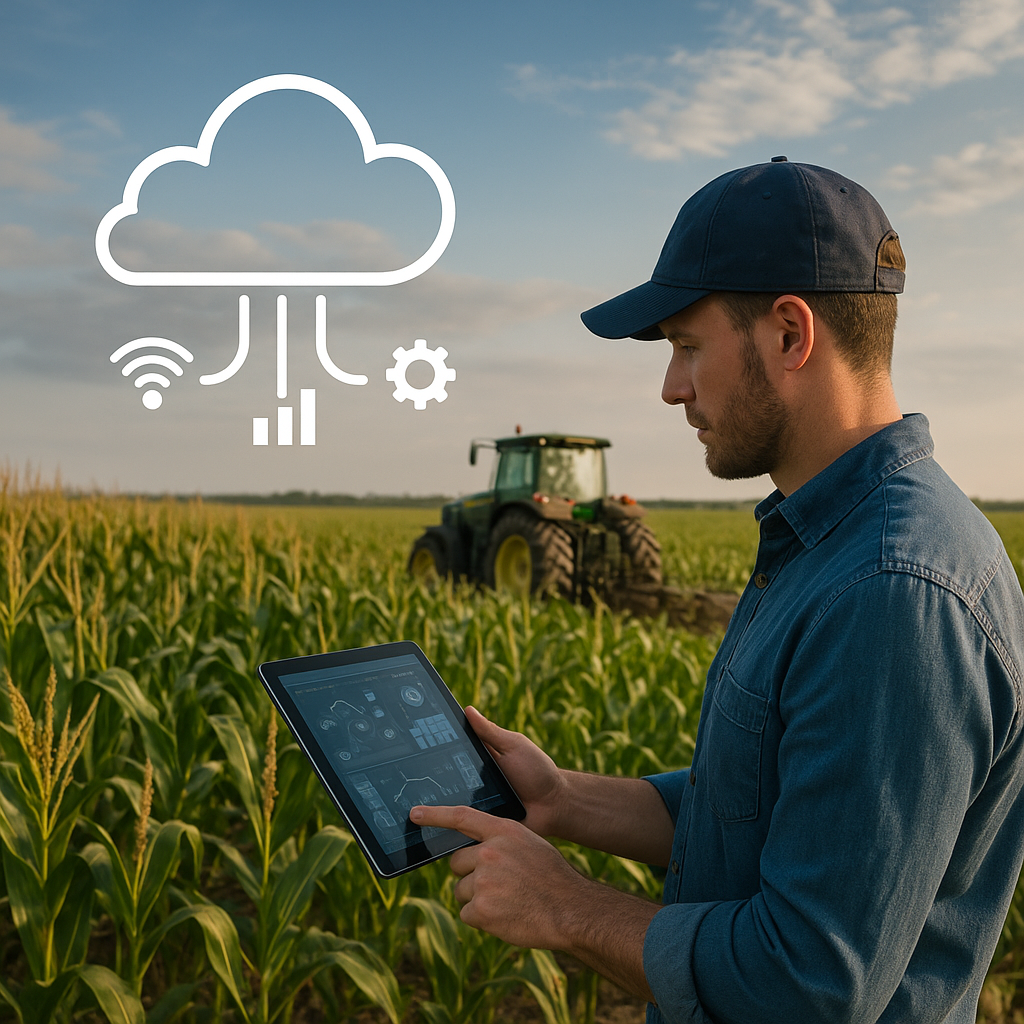
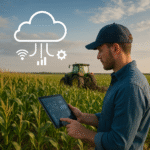
The convergence of the IoT ecosystem and AI algorithms marks a pivotal turning point in modern agriculture. Connected devices—from soil probes to weather stations—transmit granular data that fuels intelligent decision engines. As the network expands, so does the potential for holistic farm management, encompassing everything from livestock tracking to supply chain logistics.
Connected Sensors
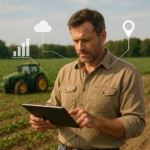
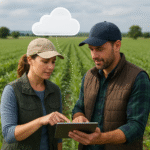
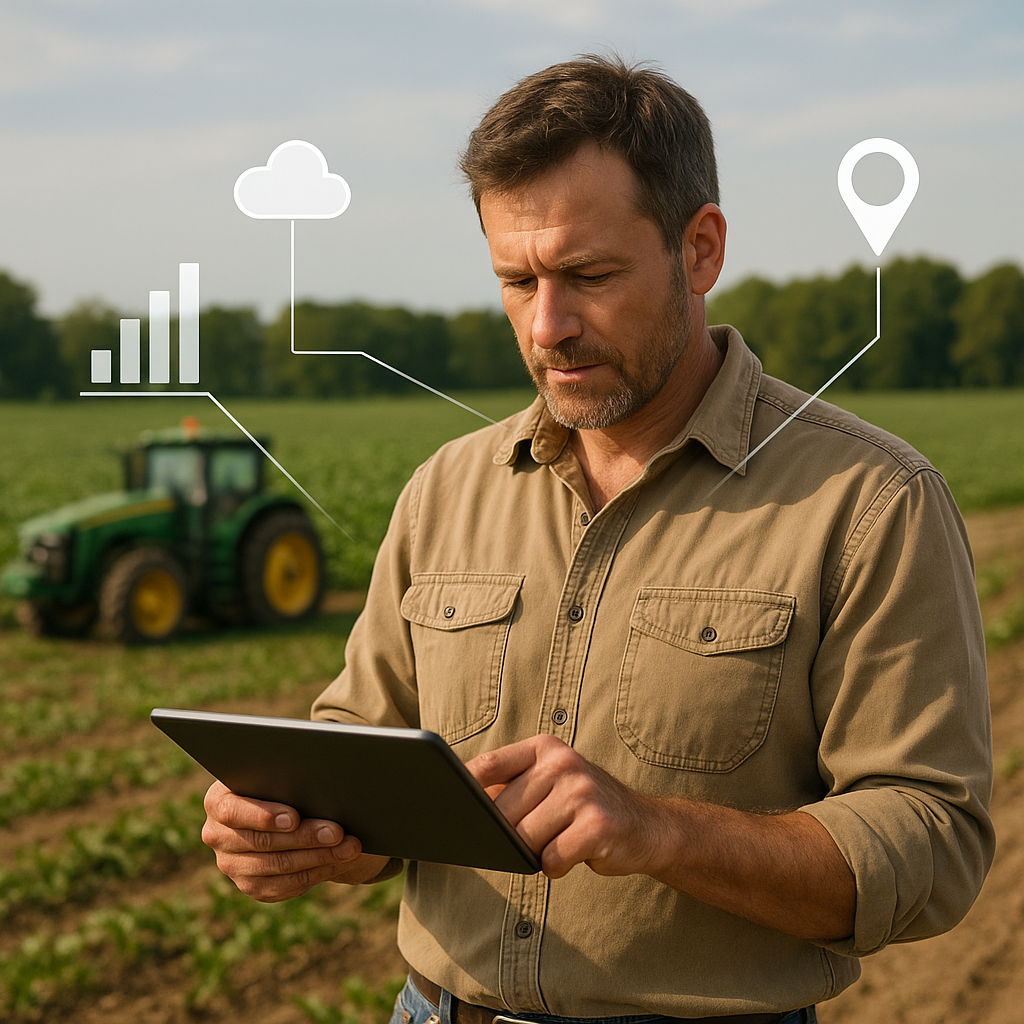
Deploying a mesh of smart sensors across fields unlocks continuous visibility into crucial parameters. Moisture, temperature, pH, and nutrient content measurements feed into the cloud in real time. This persistent awareness helps detect irrigation leaks, nutrient deficiencies, and early signs of plant stress. Remote farmers access live feeds via smartphone or tablet, making data‐driven site visits more targeted and efficient.
Machine Learning Models
Trained on vast historical datasets, machine learning engines learn to recognize patterns that would escape human observation. They calibrate fertilizer dosages, predict optimal harvest dates, and even recommend crop rotations to mitigate soil fatigue. With each cycle, the system’s performance improves, refining its accuracy and broadening its scope. Farmers benefit from continuous optimization, gradually moving toward a self‐tuning operation.
Future Prospects of Digital Farming
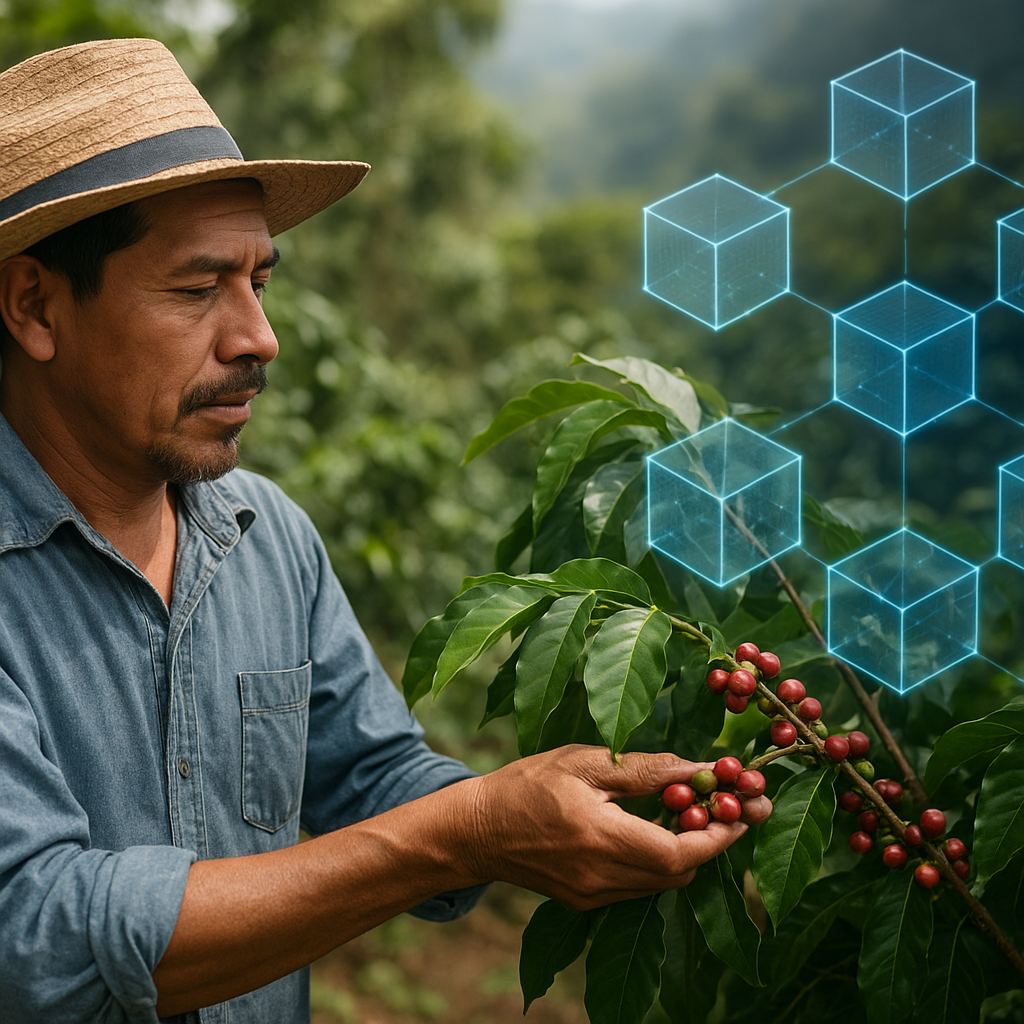
As emerging technologies evolve, the agricultural sector stands on the brink of profound transformation. Autonomous tractors, robotic harvesters, and bio‐sensory wearables for livestock will soon converge into unified management suites. Blockchain integration promises unbreakable traceability, ensuring every seed-to-shelf step is verifiable and transparent. Meanwhile, new AI models will factor in carbon balance, water footprint, and biodiversity metrics, elevating farm practices beyond productivity to encompass holistic environmental responsibility.
By embracing these advancements, the industry can tackle grand challenges—food security, climate resilience, and resource scarcity—at a global scale. The synergy of data, connectivity, and intelligent automation empowers producers to adapt fluidly to shifting conditions and emerging threats. In doing so, agriculture becomes not only more productive but also more resilient and sustainable for future generations.