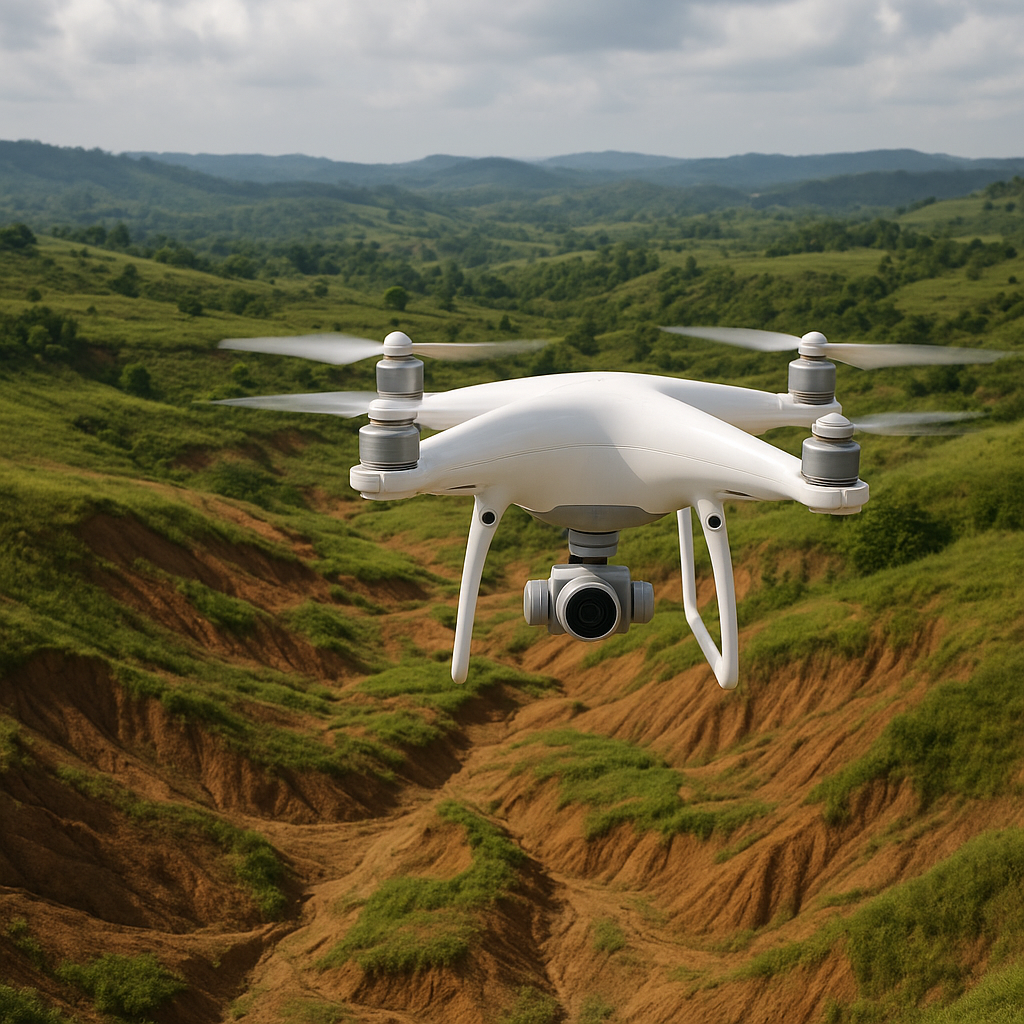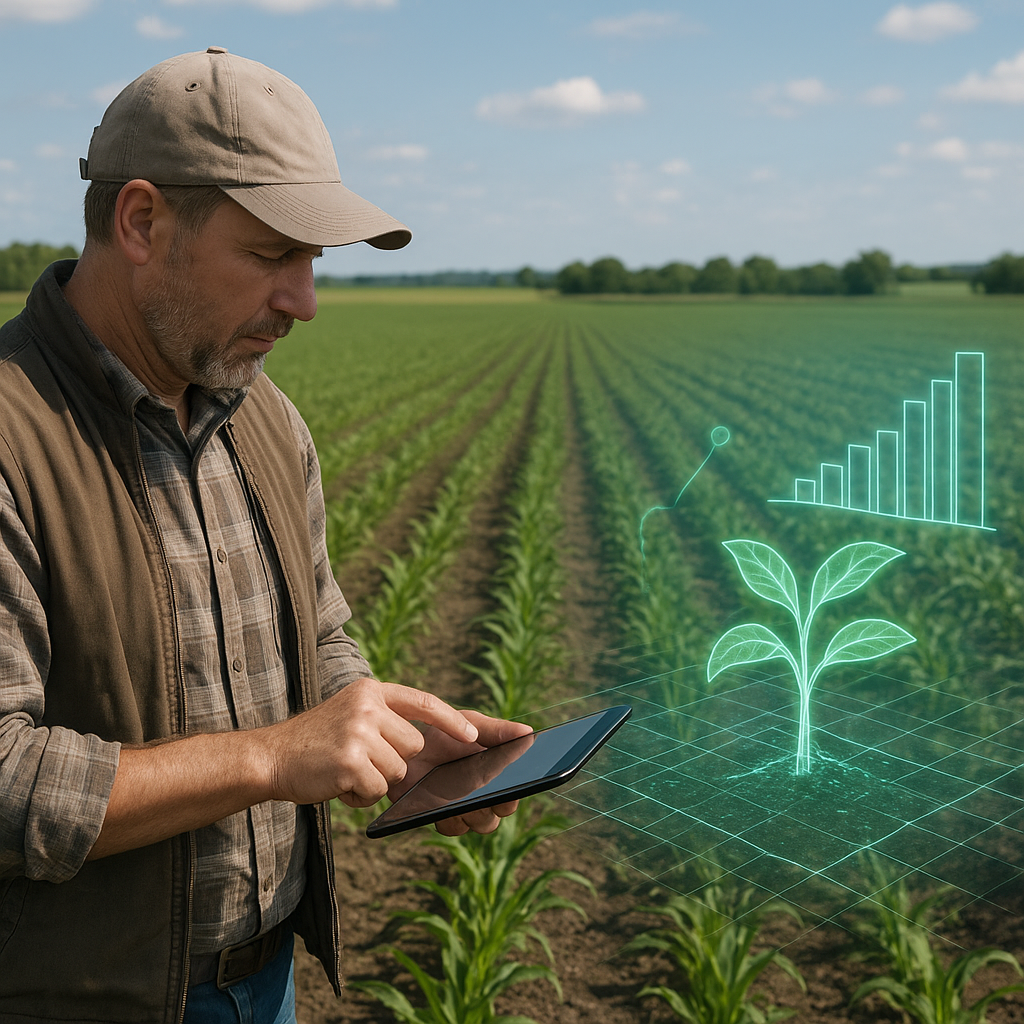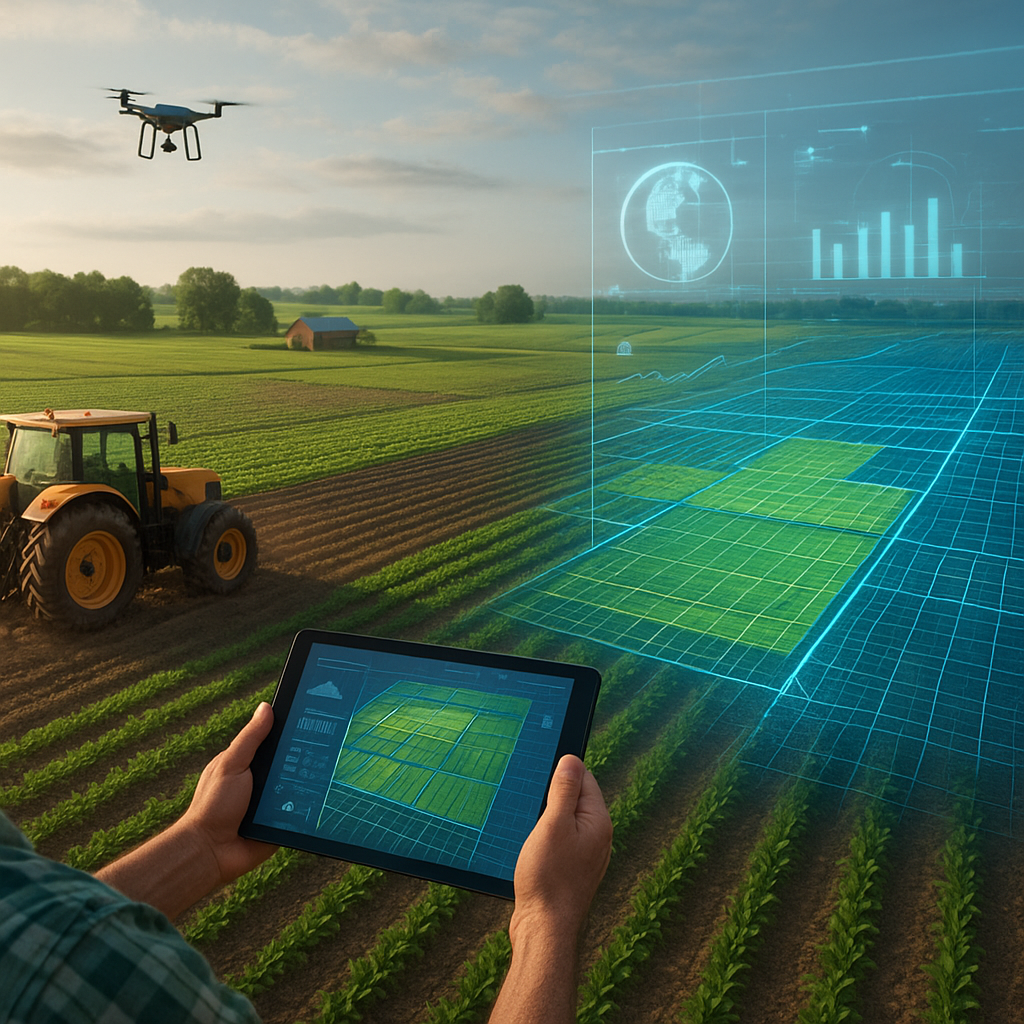
The convergence of Edge AI and modern agriculture is transforming the way farmers monitor crops, manage resources, and make split-second decisions. By pushing computing power directly to the field, Edge AI delivers real-time insights that reduce latency, conserve bandwidth, and enhance overall farm productivity. This article explores how this technology is revolutionizing smart farming through field-deployed sensors, advanced analytics, and adaptive automation.
Integration of Edge AI in Smart Farming
Traditional precision farming often relies on centralized cloud servers to process vast streams of data from drones, satellite imagery, and IoT devices. However, dependency on remote data centers can lead to high latency and unpredictable connectivity in rural areas. By deploying AI algorithms at the edge—right where data is generated—farmers can:
- Analyze sensor readings instantly without round-trip delays.
- Reduce network congestion by transmitting only relevant metadata.
- Maintain operational continuity during connectivity outages.
For instance, integrating Edge Computing units with moisture and nutrient sensors enables irrigation systems to self-adjust based on localized soil conditions. Such responsiveness optimizes water usage, prevents crop stress, and contributes to long-term sustainability.
Real-Time Crop Monitoring and Data Analytics
High-Fidelity Sensor Networks
Deploying compact AI-enabled modules alongside temperature, humidity, and multispectral cameras creates a high-resolution environmental grid. Each node performs on-site inference to detect anomalies such as pest infestations or fungal outbreaks. When a potential threat is identified, alerts are generated within seconds, allowing rapid intervention.
Machine Vision at the Edge
Using embedded GPUs or specialized AI accelerators, edge devices can run deep learning models that:
- Classify plant health with over 90% accuracy.
- Measure leaf area index and canopy density in real time.
- Predict yield estimates by mapping fruit clusters or grain heads.
These capabilities enable farmers to precisely target treatments—fungicides or fertilizers—only where needed, minimizing chemical inputs and maximizing resource efficiency.
Optimizing Resource Management with Edge AI
Adaptive Irrigation and Nutrient Delivery
Edge-based controllers continuously analyze data from soil moisture probes and weather stations to determine irrigation schedules. This real-time feedback loop ensures that water is delivered exactly when and where crops need it. Similarly, nutrient dosing pumps adjust fertilizer concentrations on-the-fly, preventing both nutrient leaching and plant deficiency.
Predictive Maintenance for Farming Equipment
Modern tractors, harvesters, and autonomous sprayers are outfitted with vibration sensors, thermal cameras, and position trackers. Edge AI algorithms process this telemetry locally to predict component failures before they escalate. Planned maintenance can then be scheduled during off-peak periods, reducing downtime and repair expenses. This predictive maintenance model not only safeguards expensive machinery but also supports uninterrupted field operations.
Challenges and Future Prospects
Despite its promise, deploying Edge AI in agricultural settings presents several hurdles:
- Power constraints for off-grid edge devices require efficient energy management or renewable sources.
- Field environments expose hardware to dust, moisture, and temperature extremes, demanding robust industrial-grade enclosures.
- Data privacy and ownership policies must be defined clearly when edge nodes process sensitive farm data.
Looking ahead, emerging trends such as federated learning will enable edge devices to collaborate on model training without sharing raw data. This decentralized approach fosters continuous improvement of AI models while preserving farmer privacy. Additionally, the integration of 5G networks promises to bridge connectivity gaps and further reduce bandwidth limitations.
Advancing Precision Agriculture Through Edge AI
By harnessing the power of precision sensing and localized AI inference, farmers can elevate crop yields, conserve vital resources, and react to field conditions faster than ever before. Whether it’s detecting microclimates in a vineyard or calibrating drone-based spraying in a grain operation, Edge AI stands at the forefront of next-generation sustainability and operational excellence in the agricultural sector.