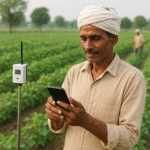
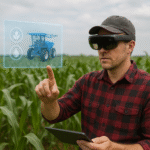
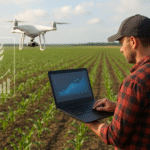
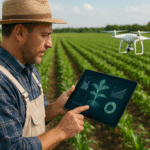
The integration of edge computing into modern agriculture has unlocked a transformative approach to resource management, crop health monitoring, and livestock supervision. By processing data at or near the source, farmers gain actionable insights without the delays and bandwidth constraints characteristic of cloud-centric models. This article explores how decentralized processing capabilities empower real-time decisions that enhance productivity, reduce waste, and drive sustainable growth across the agricultural landscape.
The Architecture of Edge-Enabled Farms
Edge Devices and On-Premise Processing
At the heart of an edge-enabled farm lies a network of miniaturized computers, gateways, and microcontrollers distributed throughout fields, greenhouses, and livestock facilities. These devices execute low-latency tasks such as image recognition, environmental data aggregation, and preliminary analytics. By handling compute-intensive workloads locally, they minimize reliance on remote servers while ensuring uninterrupted operation even when network connectivity fluctuates.
- Embedded processors with GPU acceleration for image and video analysis
- FPGA-based modules for specialized signal processing from soil probes
- Edge AI accelerators to run machine learning models on-site
Robust Connectivity Solutions
Reliable communication links are vital for synchronizing edge nodes, coordinating actuators, and transmitting crucial alerts upstream. Emerging wireless standards such as LoRaWAN and 5G cater to diverse coverage needs—spanning from sprawling open fields to dense indoor environments. Hybrid architectures combine low-power wide-area networks (LPWAN) for periodic sensor updates with high-bandwidth channels for bulk data transfers, striking a balance between energy efficiency and throughput.
- LoRaWAN for long-range, low-energy sensor telemetry
- 5G private networks to support video-rich drone inspections
- Mesh Wi-Fi for cluster-based greenhouse monitoring
Harnessing Real-Time Analytics for Crop Management
Data Fusion Across Sensors Networks
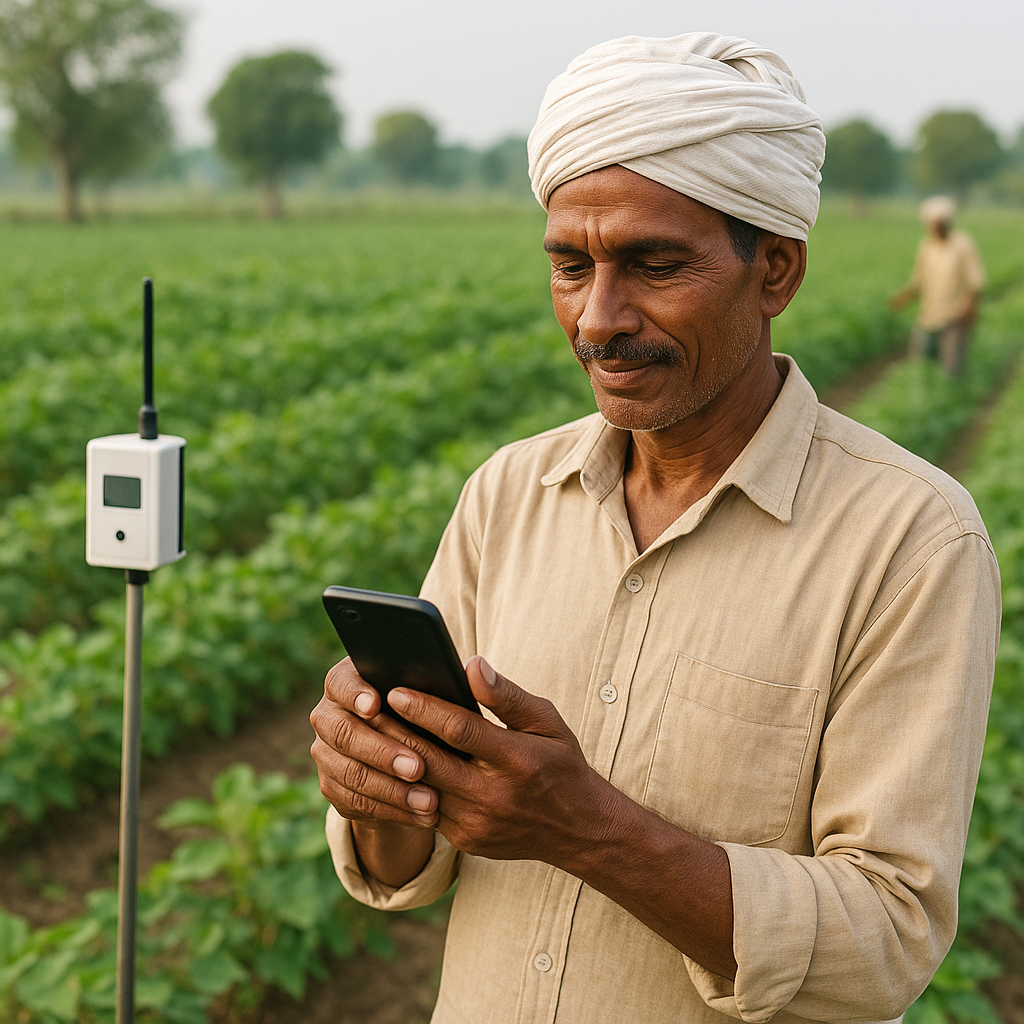
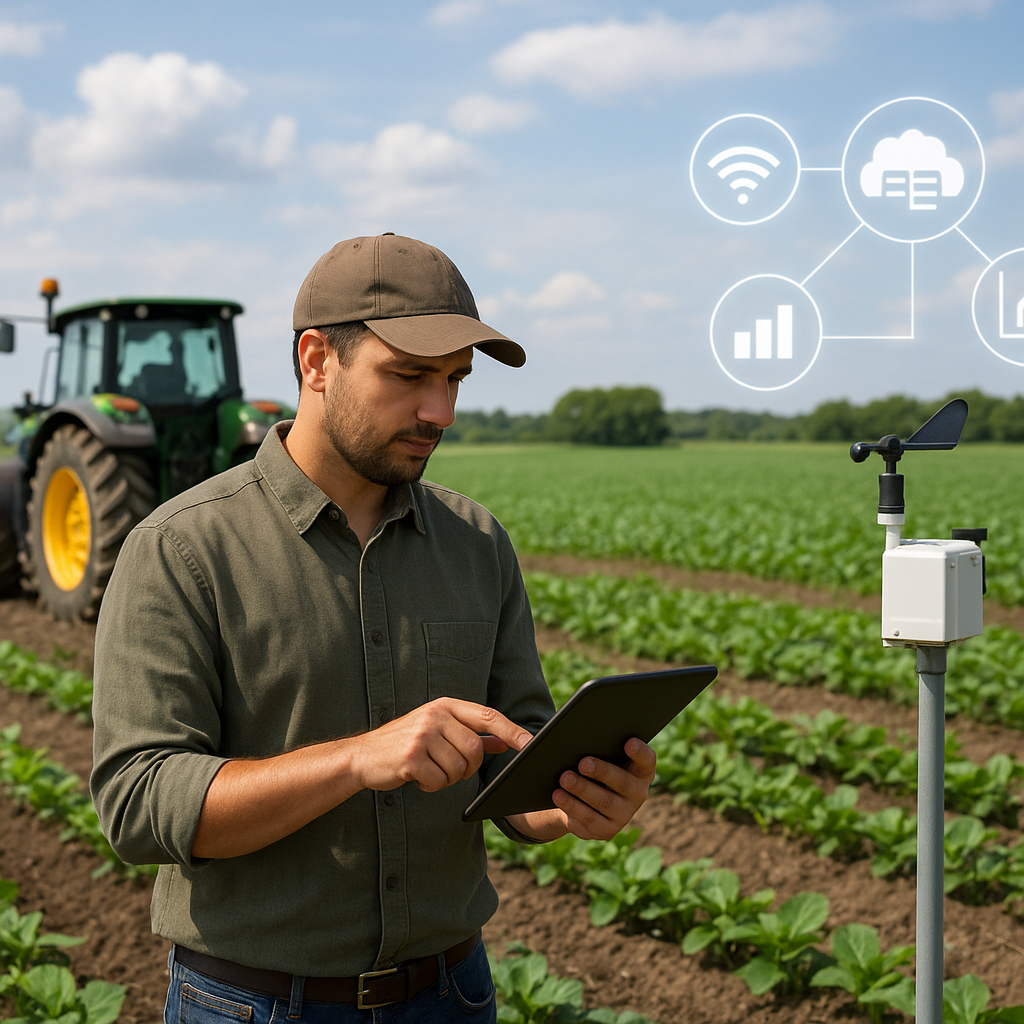
Agricultural environments deploy a multitude of sensor types—soil moisture probes, nutrient analyzers, weather stations, and multispectral cameras. Edge platforms perform initial data fusion, correlating readings to generate unified situational awareness. By overlaying moisture trends, temperature fluctuations, and spectral crop health indices, farmers receive precise irrigation recommendations and nutrient application schedules.
Edge nodes implement lightweight data cleansing algorithms to filter out anomalies caused by sensor drift or harsh weather conditions. This on-site validation ensures that only high-integrity information contributes to subsequent analytical steps, reducing false positives and optimizing resource deployment.
Predictive Models for Optimal Yields
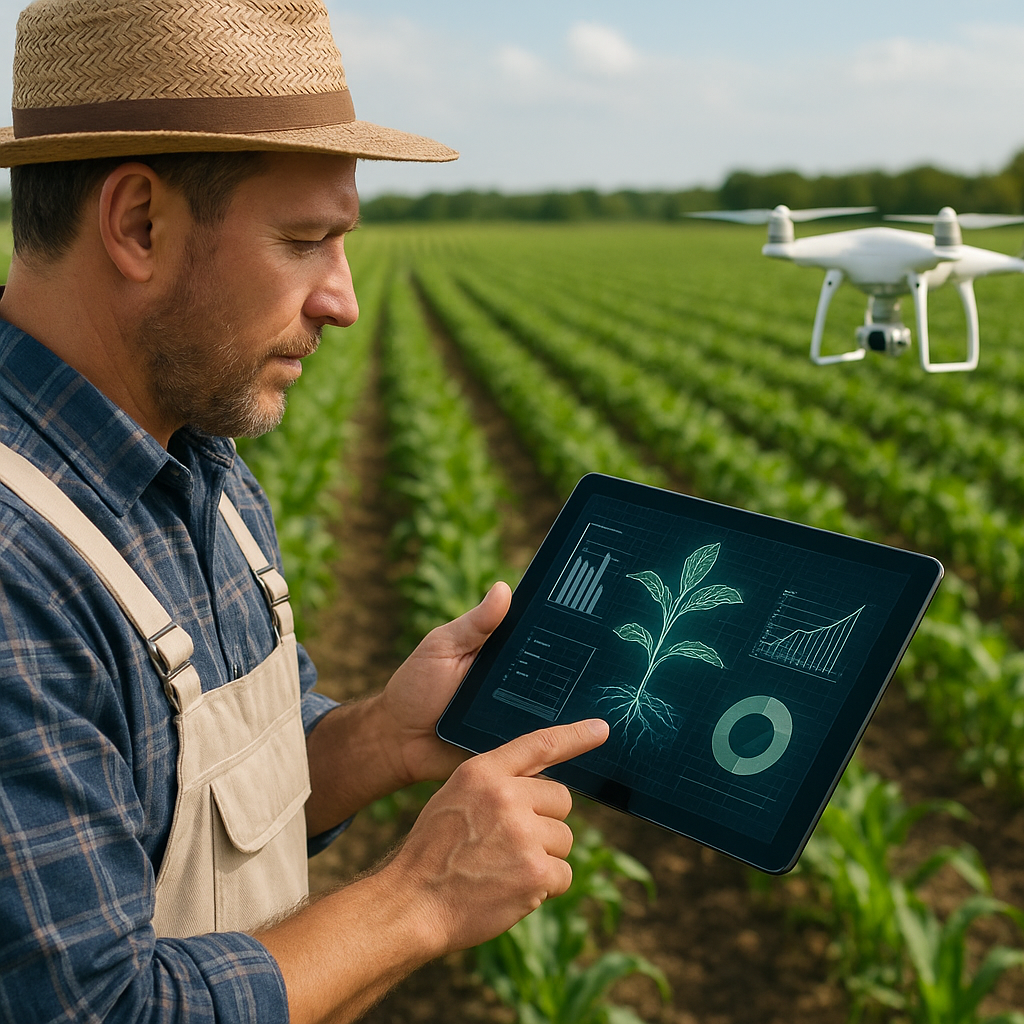
Pretrained machine learning models embedded within edge devices analyze historical and streaming data to forecast pest infestations, disease outbreaks, and maturation timelines. These predictive insights trigger automated alerts or direct control signals to precision sprayers, irrigation valves, and fertilization systems.
- Pest detection through computer vision models tuned to regional species
- Growth-stage forecasting using time-series analysis of environmental metrics
- Yield optimization by recommending harvest dates based on real-time weather projections
Enhancing Livestock Monitoring and Health
Wearable Sensors and Health Alerts
Edge computing extends beyond crops into the realm of animal husbandry. Smart collars and ear tags equipped with accelerometers, temperature gauges, and GPS modules continuously monitor individual behavior. Local processing units aggregate biometric signals and detect deviations such as lameness, fever, or abnormal movement patterns.
When thresholds are breached, the system issues immediate notifications to farm managers—often accompanied by contextual data visualizations on mobile devices. Rapid intervention minimizes stress-related weight loss and veterinary expenses, boosting overall herd sustainability.
Automation in Feeding and Environment Control
Automatic feeders, climate control units, and milking robots integrate seamlessly with edge nodes to enact fine-grained adjustments. By analyzing ambient conditions and consumption metrics, edge-driven controllers optimize feeding schedules and environmental parameters for comfort and productivity.
- Dynamic ration adjustments based on real-time weight gain trends
- Ventilation and misting systems regulated by localized heat-stress indices
- Milking sequences synchronized to individual lactation curves
Future Prospects and Challenges
Scalability and Cost Considerations
Expanding edge deployments across vast agricultural operations introduces logistical and financial hurdles. While device costs continue to decrease, integration and maintenance demand skilled personnel. Modular and plug-and-play edge kits are emerging to simplify installation, while pay-as-you-go financing models lower upfront investments.
Open-source frameworks and community-driven toolkits accelerate development by providing standardized interfaces for data ingestion, model deployment, and lifecycle management. This shared ecosystem fosters innovation while trimming proprietary lock-in risks.
Regulatory and Data Privacy Issues
As farms become data-rich ecosystems, ensuring secure handling of proprietary crop and livestock information gains prominence. Edge architectures mitigate privacy concerns by retaining sensitive data on-site. Still, encrypted data exchanges and role-based access controls are essential to safeguard intellectual property and comply with regional regulations.
Integrating Advanced AI and Autonomous Systems
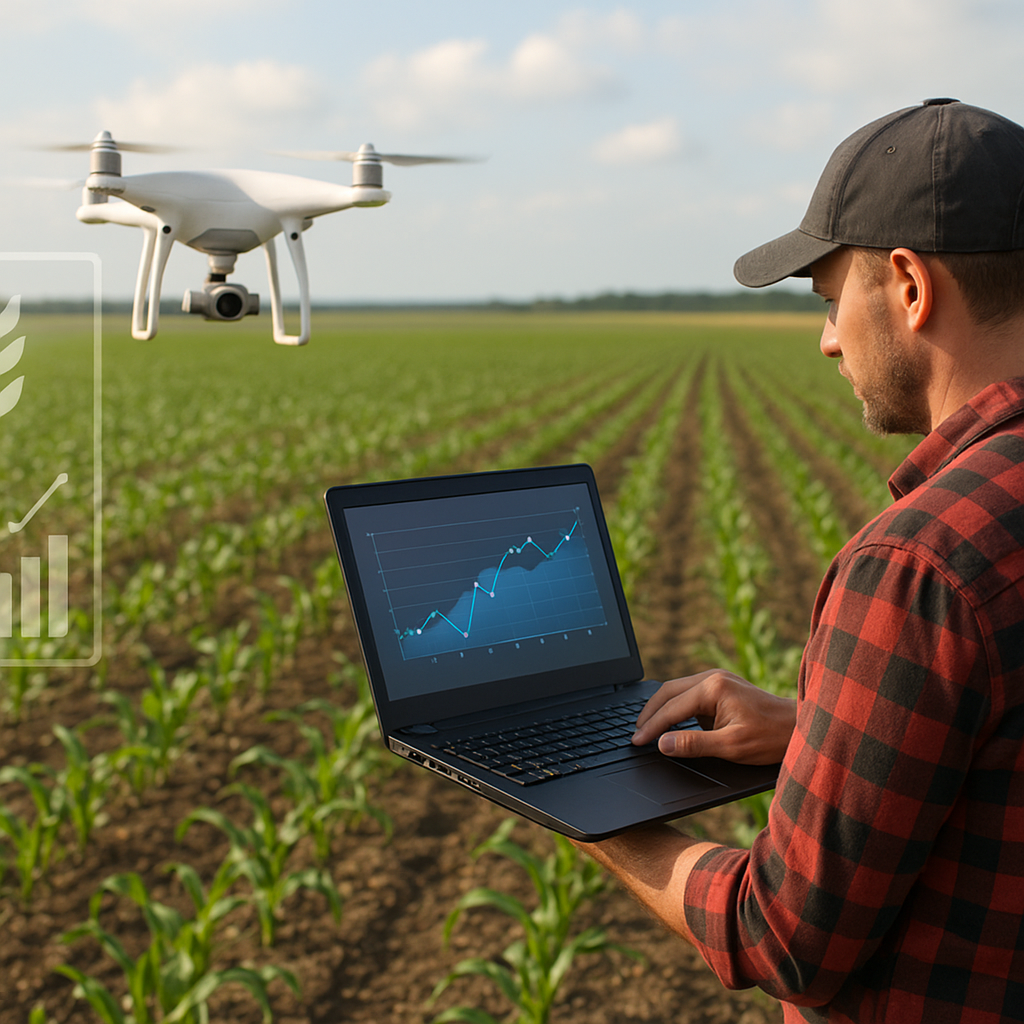
The convergence of edge computing with robotic machinery and unmanned aerial vehicles raises the bar for automation. Real-time object detection, path planning, and adaptive control loops enable autonomous tractors and drones to perform weeding, seeding, and scouting tasks with minimal human oversight.
Advanced neural networks distributed across edge clusters promise to enhance decision-making fidelity over time, driven by feedback loops that incorporate success metrics and environmental outcomes. Intelligent agents will soon orchestrate cross-domain operations—linking crop treatment schedules, livestock cycles, and renewable energy management in a unified smart-farm framework.