


Across sprawling fields and verdant orchards, a quiet revolution is underway as farmers harness the power of renewable microgrids to redefine modern agriculture. By integrating on-site energy generation with advanced storage and distribution systems, these decentralized networks empower growers to optimize resource use, enhance operational resilience, and reduce environmental impact. From remote dairy farms to high-tech greenhouse operations, this article explores how innovators in the agricultural sector are driving an energy transformation that promises greater sustainability and economic stability for rural communities.
Embracing Clean Power: The Rise of Renewable Microgrids in Agriculture
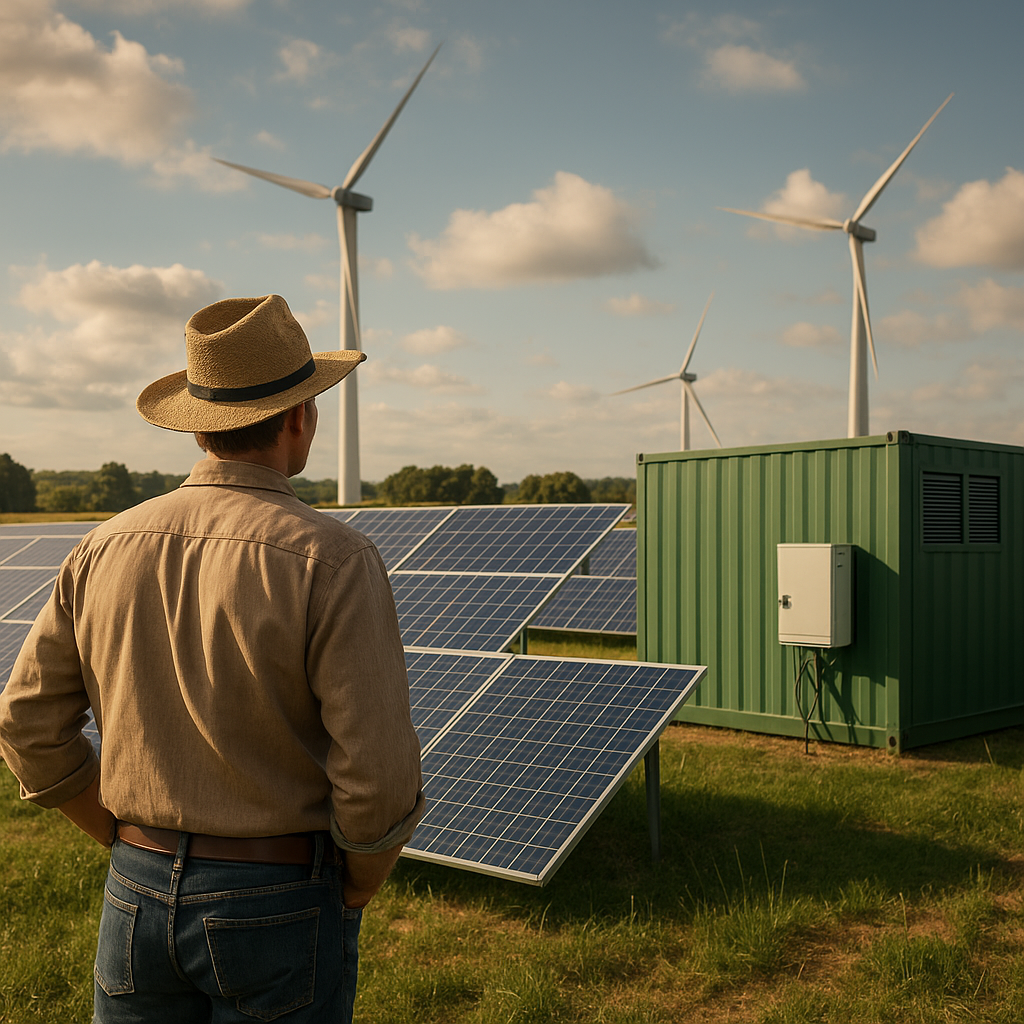
Traditional farms have long relied on grid electricity or diesel generators to power irrigation pumps, milking parlors, and processing equipment. However, fluctuations in energy prices and the increasing frequency of grid outages have spotlighted the need for more reliable, cost-effective solutions. Enter the microgrids: self-contained energy systems that combine distributed generation sources—such as solar panels, wind turbines, and bioenergy—with battery storage and intelligent controls. By operating independently or connected to the main grid, microgrids deliver unparalleled operational autonomy and can seamlessly isolate during disruptions.
The agricultural sector’s shift toward renewable microgrids aligns with broader sustainability goals. Many farm operators recognize that reducing carbon emissions and improving resource efficiency are critical for long-term viability. Leveraging on-site solar arrays, wind farms, or biogas digesters, growers can slash reliance on fossil fuels by up to 70 percent, turning waste streams—manure, crop residues—into valuable energy resources. This circular approach not only diminishes greenhouse gas output but also creates additional revenue streams through carbon credits or feed-in tariffs.
In regions prone to extreme weather events—droughts, storms, or wildfires—microgrids bolster energy security. When the main distribution network fails, an agricultural microgrid automatically islands, maintaining vital services: water pumping, refrigeration of perishable goods, and climate control in storage facilities. Such uninterrupted power is particularly critical for high-value crops and livestock operations, where even brief outages can trigger significant losses.
Cutting-Edge Technologies Driving Microgrid Adoption on Farms
Advances in hardware, software, and project financing have converged to make on-farm microgrids both efficient and affordable. At the heart of many systems lies a sophisticated energy management platform. These digital controllers monitor real-time production and consumption, optimizing the dispatch of solar, wind, and stored energy to minimize imports from the utility grid. Artificial intelligence and machine learning algorithms further refine operations, predicting peak demand and weather patterns to schedule battery charging or adjust irrigation timing.
Complementing intelligent controls are progressively durable and cost-effective batteries. Lithium-ion packs dominate today’s installations, thanks to high energy density and declining prices. Emerging alternatives—such as flow batteries and solid-state designs—promise extended lifecycles and improved safety profiles, addressing load balancing challenges during prolonged cloudy or windless periods. Moreover, modular battery units allow growers to scale storage capacity in tandem with farm expansion or energy demand spikes.
Biogas microturbines represent another exciting innovation for livestock and poultry producers. Manure from barns is processed in anaerobic digesters, generating methane that fuels combined heat and power (CHP) units. The recovered heat warms barns or greenhouse facilities, while the electricity supports lighting, ventilation, and processing equipment. This dual-output strategy enhances overall system efficiency to 80 percent or higher.
Case Study: Solar–Biogas Hybrid on a Midwest Dairy
- A 300-cow dairy integrated a 250 kW solar farm with a 100 kW biogas generator.
- Annual energy bill reduction exceeded 60%, with payback expected in under seven years.
- Remote monitoring cut maintenance calls by 30%, enabling rapid troubleshooting via smartphone apps.
Transforming Operations: Benefits of Farm-Based Microgrids
By decentralizing energy production, farmers unlock diverse advantages that extend beyond the electrical meter. First, production costs fall significantly as on-site generation curbs dependency on volatile utility rates or diesel fuel. For many mid-size farms, microgrid-driven cost savings of 20–50 percent annually free up capital for equipment upgrades, enhanced pest-management protocols, or labor improvements.
Second, the environmental footprint shrinks markedly. A midwestern grain farm retrofitted with a solar-battery microgrid reported a 40 percent reduction in annual emissions, equivalent to planting 5,000 trees. Such achievements bolster farm branding and open doors to sustainability-focused markets and cooperative agreements. Organic or precision agriculture operations, sensitive to soil health and biodiversity, benefit from the synergy of clean power and reduced chemical inputs made possible by automated, energy-efficient irrigation.
Third, microgrids elevate resilience against external shocks. During utility blackouts, farmers maintain critical processes: seed planting, greenhouse ventilation, or water purification. In coastal regions, where hurricanes can sever grid lines for weeks, microgrids safeguard post-harvest cold storage, preventing spoilage and preserving food security.
Finally, local economies thrive as energy revenue circulates within rural communities. Farmers who generate surplus power can feed it back to neighbors or local businesses, creating micro-energy markets. This communal approach strengthens social bonds and fosters collaborative investments in shared infrastructure. In some regions, cooperatives form to finance larger renewable installations, democratizing access to clean energy and accelerating regional electrification.
Overcoming Hurdles: Challenges and Future Prospects for Renewable Microgrids
Despite clear advantages, several obstacles slow full-scale adoption. Initial capital requirements remain substantial, even as equipment costs fall. Securing financing often demands complex partnerships between agricultural lenders, energy utilities, and state or federal grant programs. Farmers must navigate permitting processes and utility interconnection agreements, which vary widely by jurisdiction and can introduce lengthy delays.
Technical expertise also poses a barrier. Designing, installing, and maintaining microgrids demand specialized skills seldom found on traditional farms. Training programs and third-party integrators are emerging to fill this void, offering turnkey solutions and remote support. Nonetheless, fostering in-house proficiency or reliable vendor relationships is essential to ensure long-term performance and avoid costly downtime.
Regulatory frameworks must evolve to accommodate the unique attributes of agricultural microgrids. Net metering policies, rate structures, and renewable energy credits often favor large-scale solar farms over distributed systems. Advocacy groups and industry alliances are lobbying for reforms that recognize the dual agricultural and energy benefits of on-farm microgrids, proposing incentives tied to water conservation, soil health, and carbon sequestration.
Looking ahead, the convergence of microgrids with the Internet of Things (IoT), advanced electrification of farm machinery, and vehicle-to-grid (V2G) technologies hints at a fully integrated agricultural ecosystem. Electric tractors, powered by on-farm renewables, could return stored energy to batteries during idle times, further smoothing demand peaks. Drones and autonomous robots, charged by the same microgrid, will extend precision farming capabilities into new frontiers.
As innovators continue refining hardware, software, and financing models, the agricultural adoption of renewable microgrids promises to scale rapidly. For farmers seeking a strategic edge in an increasingly unpredictable climate and market environment, these decentralized energy networks offer a pathway to greater innovation, economic resilience, and environmental stewardship.