From rolling fields to digital dashboards, agriculture has embraced a revolution that blends centuries-old practices with cutting-edge technology. Farmers are no longer relying solely on intuition or historical records; instead, they harness predictive analytics and a network of interconnected devices to inform crucial decisions. By integrating climate data, soil profiles, and even market trends, agribusinesses can anticipate challenges, optimize inputs, and ultimately secure higher crop yields with greater efficiency. This exploration delves into how these intelligent systems are reshaping the landscape of modern farming.
Integrating Data Sources in Modern Farming
Mapping the Digital Field
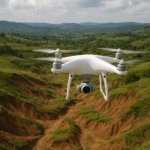
Successful use of big data begins with gathering diverse inputs from multiple channels. Farmers deploy an array of tools—from satellite imagery and drone surveillance to ground-based sensors—to collect granular details about soil composition, moisture levels, and pest activity. Weather stations feed real-time forecasts directly into analytics platforms, enabling producers to plan irrigation cycles and fertilizer applications with unmatched precision.
Core components of a robust data ecosystem include:
- Soil and nutrient sensors scattered across fields to measure pH, nitrogen, phosphorus, and potassium levels.
- Satellite and aerial imagery that provide multispectral analysis, highlighting areas of stress or disease before visible damage occurs.
- Automated weather stations and APIs offering localized weather forecasting data—including wind speed, humidity, and precipitation probabilities.
- Market intelligence feeds that inform pricing strategies by tracking commodity futures and demand cycles.
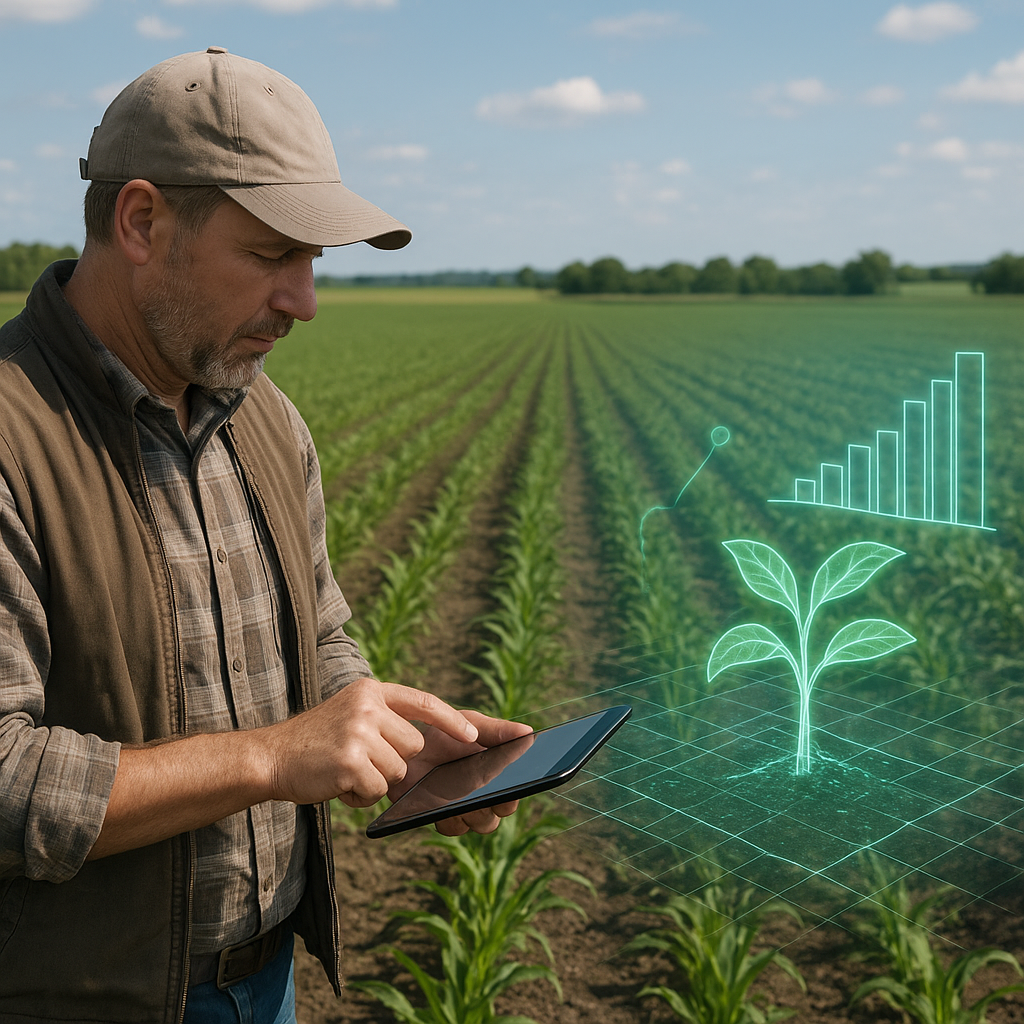
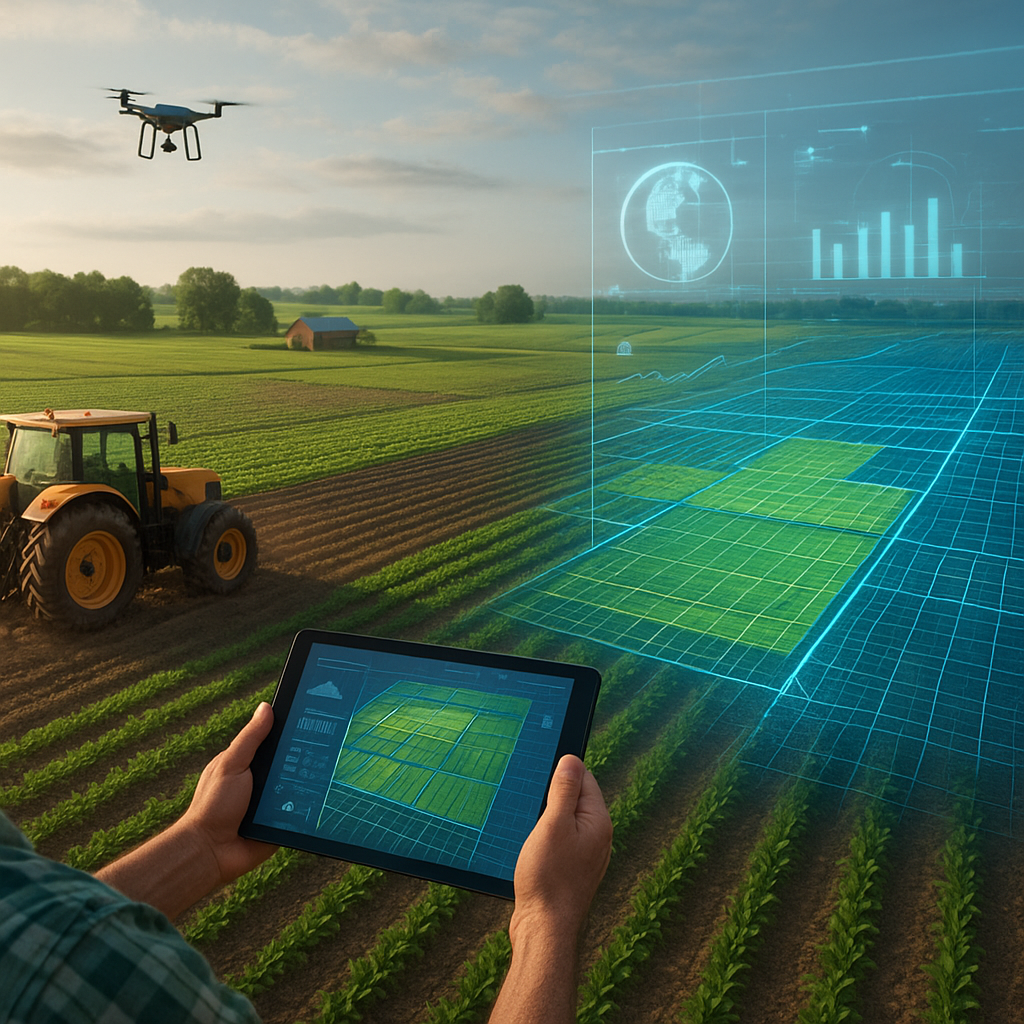
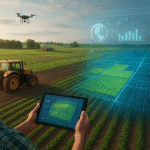
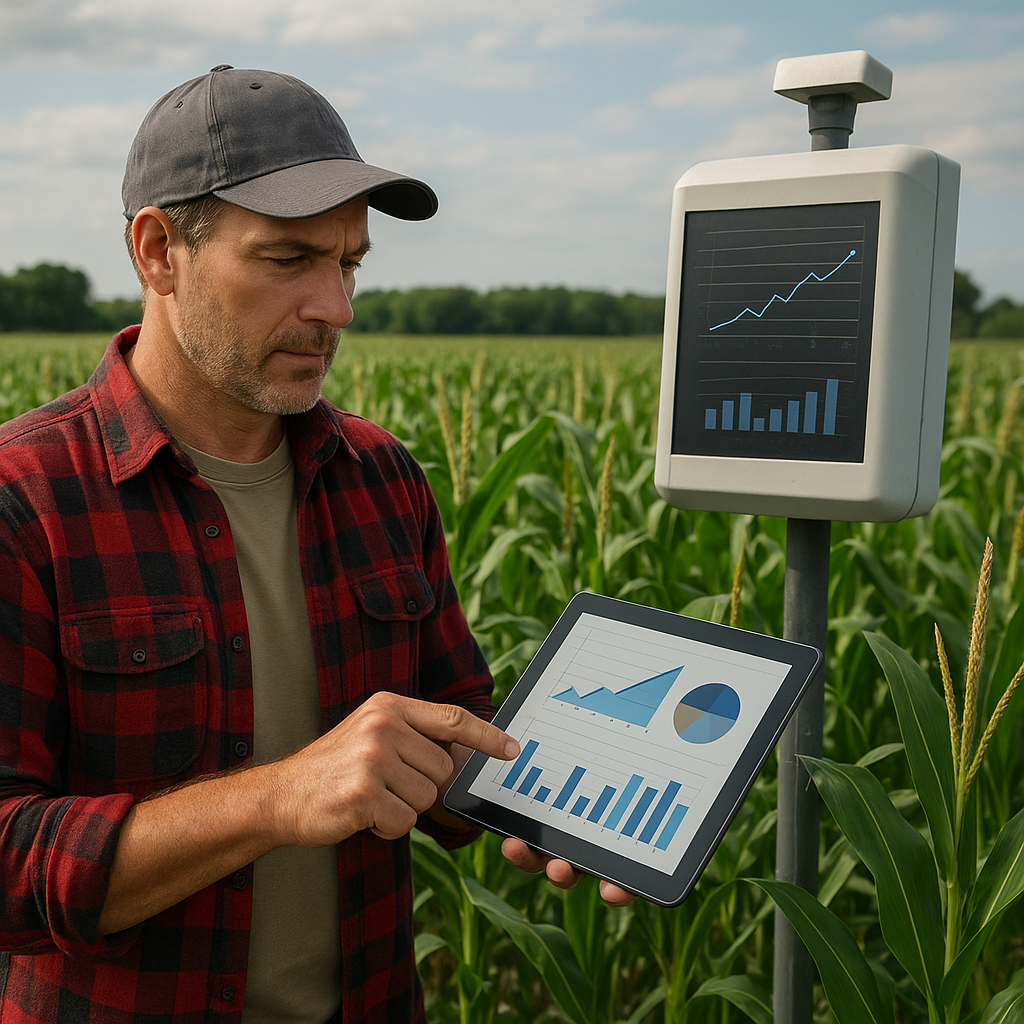
By consolidating these inputs into a unified dashboard, farm managers gain a comprehensive view of both microclimates and macroeconomic trends. This holistic approach lays the groundwork for advanced machine learning models to detect patterns invisible to the human eye.
Advanced Predictive Models and Algorithms
From Historical Trends to Future Insights
At the heart of this transformation are sophisticated algorithms capable of learning from vast datasets. Predictive models sift through years of planting records, yield outcomes, and regional weather patterns to forecast the optimal sowing dates and recommend precise input levels. These algorithms use techniques such as regression analysis, neural networks, and decision trees to refine their accuracy over time.
Key benefits include:
- Yield optimization by suggesting ideal planting densities based on soil texture and moisture retention.
- Early warning systems for crop diseases and pest outbreaks by analyzing weather-driven life cycles of harmful organisms.
- Resource allocation plans that reduce waste—be it water, fertilizer, or fuel—thereby driving cost reduction.
- Dynamic risk assessment for extreme events like droughts or floods, allowing farmers to purchase targeted insurance or adjust crop mixes.
By combining predictive analytics with localized expertise, producers can execute site-specific treatments rather than blanket applications. This precision reduces environmental impact while maximizing the return on investment for each acre cultivated.
Real-time Monitoring and Decision Support
Empowering On-the-Go Adjustments
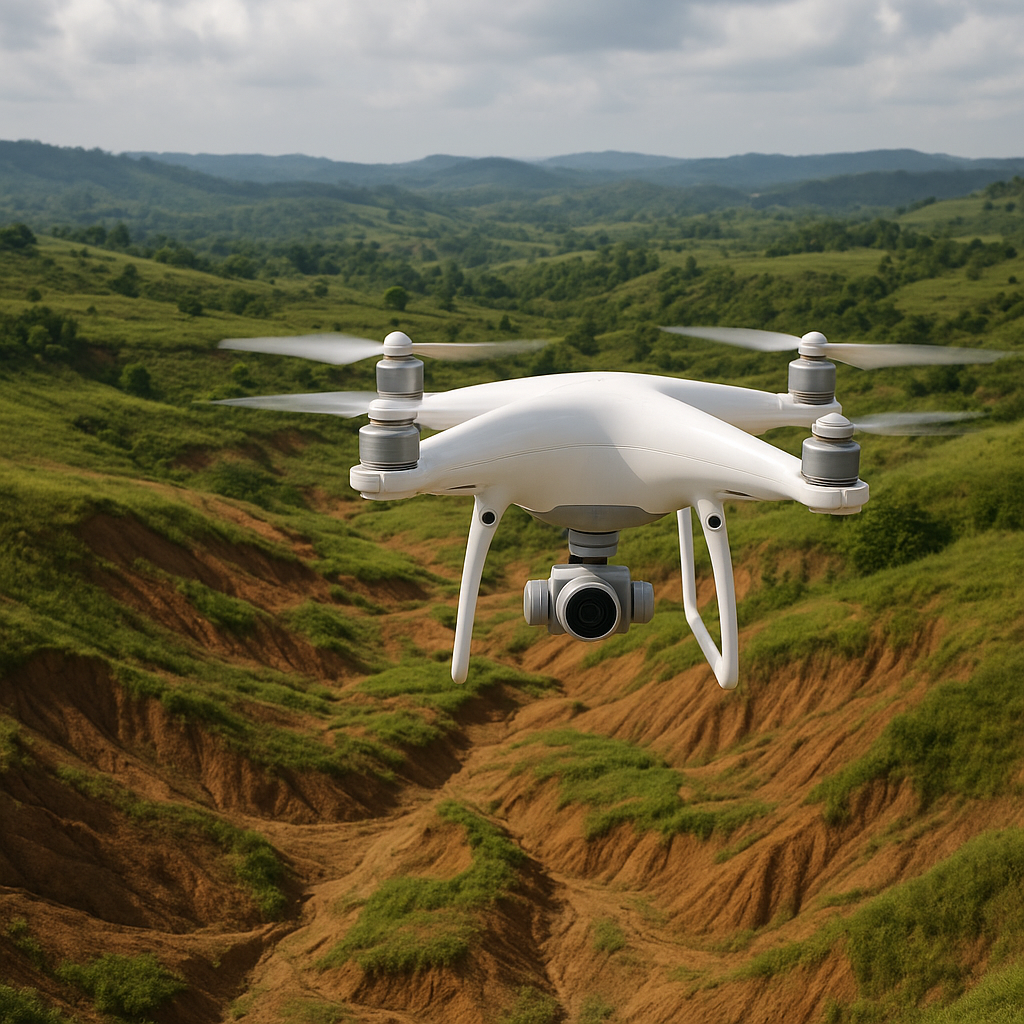
Once models generate actionable insights, the emphasis shifts to real-time monitoring and agile decision support. Modern farms deploy IoT devices—connected tractors, autonomous drones, and field robots—to carry out rapid assessments and automated interventions. For instance, a drone equipped with multispectral cameras may detect nutrient deficiencies in a patch of the field and relay those findings to a fleet of robotic sprayers that apply corrective treatments instantly.
This interconnected workflow relies on:
- Edge computing units that analyze sensor data locally, reducing latency and enabling faster responses.
- Cloud-based platforms that store historical logs, train updated models, and scale analytical capacity on demand.
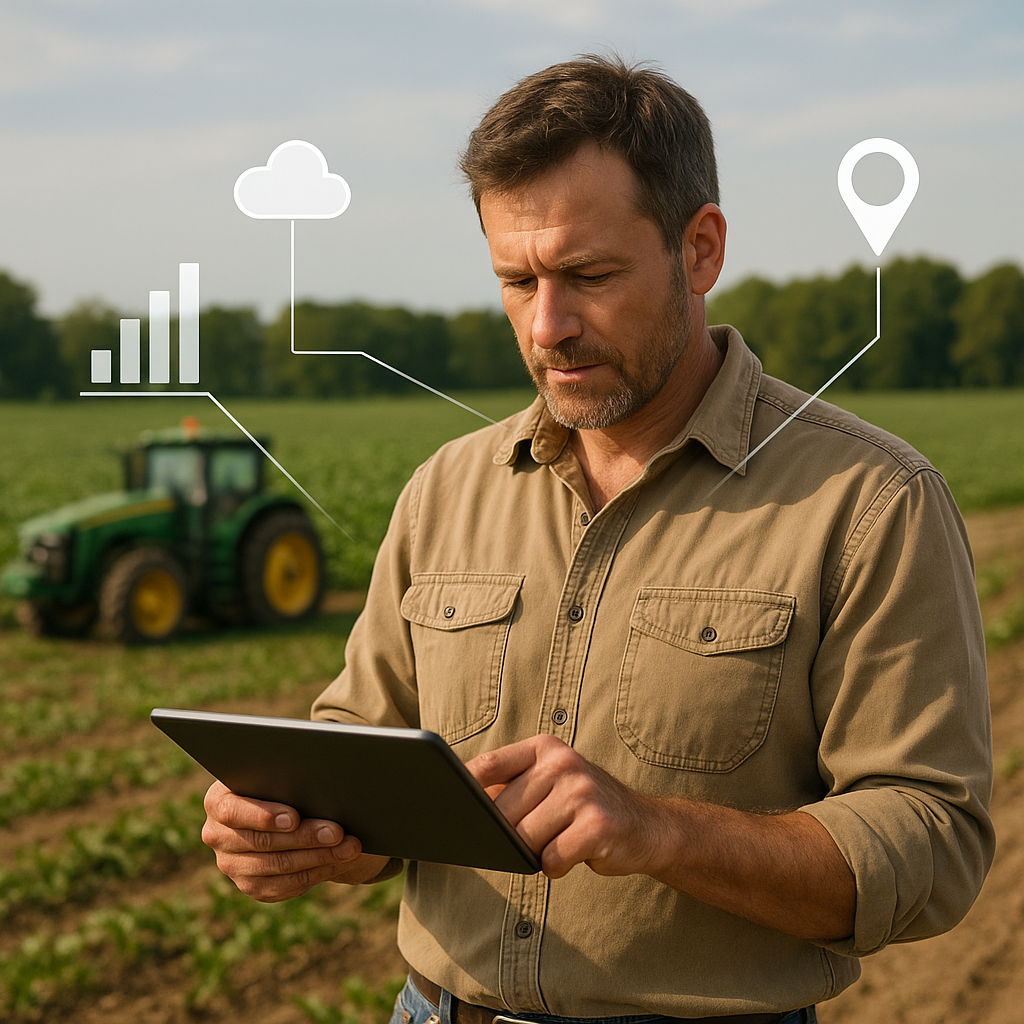
- Mobile apps providing growers with push notifications and interactive maps, ensuring decisions can be made from anywhere.
- Automated irrigation systems that adjust water volumes based on real-time evapotranspiration rates measured by leaf sensors.
These technologies empower farmers to move from reactive management—responding after damage occurs—to proactive stewardship, preventing issues and conserving resources before they escalate. The outcome is not only higher profitability but also more sustainable land use practices.
Challenges and Future Directions
Navigating Data Complexity and Accessibility
While the promise of predictive analytics is immense, several hurdles remain. Data quality and interoperability issues arise when legacy equipment fails to communicate with modern platforms. Smallholder farmers may lack the capital to invest in advanced sensors or high-speed connectivity, creating a digital divide. Additionally, safeguarding sensitive information—such as proprietary yield data or market strategies—becomes critical as cyber threats evolve.
Looking ahead, the agriculture sector is poised to benefit from:
- Standardized data protocols ensuring seamless integration across devices from different manufacturers.
- Affordable sensor networks leveraging low-power wide-area networks (LPWAN) to extend coverage in remote regions.
- Collaborative cooperatives or subscription-based models that spread the cost of analytics services among multiple stakeholders.
- Advances in artificial intelligence, including reinforcement learning algorithms that autonomously adjust farm operations based on continuous feedback.
As these innovations converge, farmers will unlock unprecedented levels of insight and control. The fusion of predictive analytics with on-the-ground experience heralds a future where every seed, drop of water, and unit of fertilizer is allocated with surgical precision—fueling both profitability and environmental stewardship.