Farmers today are embracing cutting-edge tools to transform traditional agriculture into a realm of precision and sustainability. Augmented reality (AR) is catalyzing a new era of immersive training programs, enabling operators to interact with digital overlays, step-by-step instructions, and real-time data right in the field. This article explores how AR is reshaping agricultural education, improving equipment handling, and driving the evolution of modern farming through innovation.
AR’s Role in Enhancing Field Operations
Real-Time Data Overlay
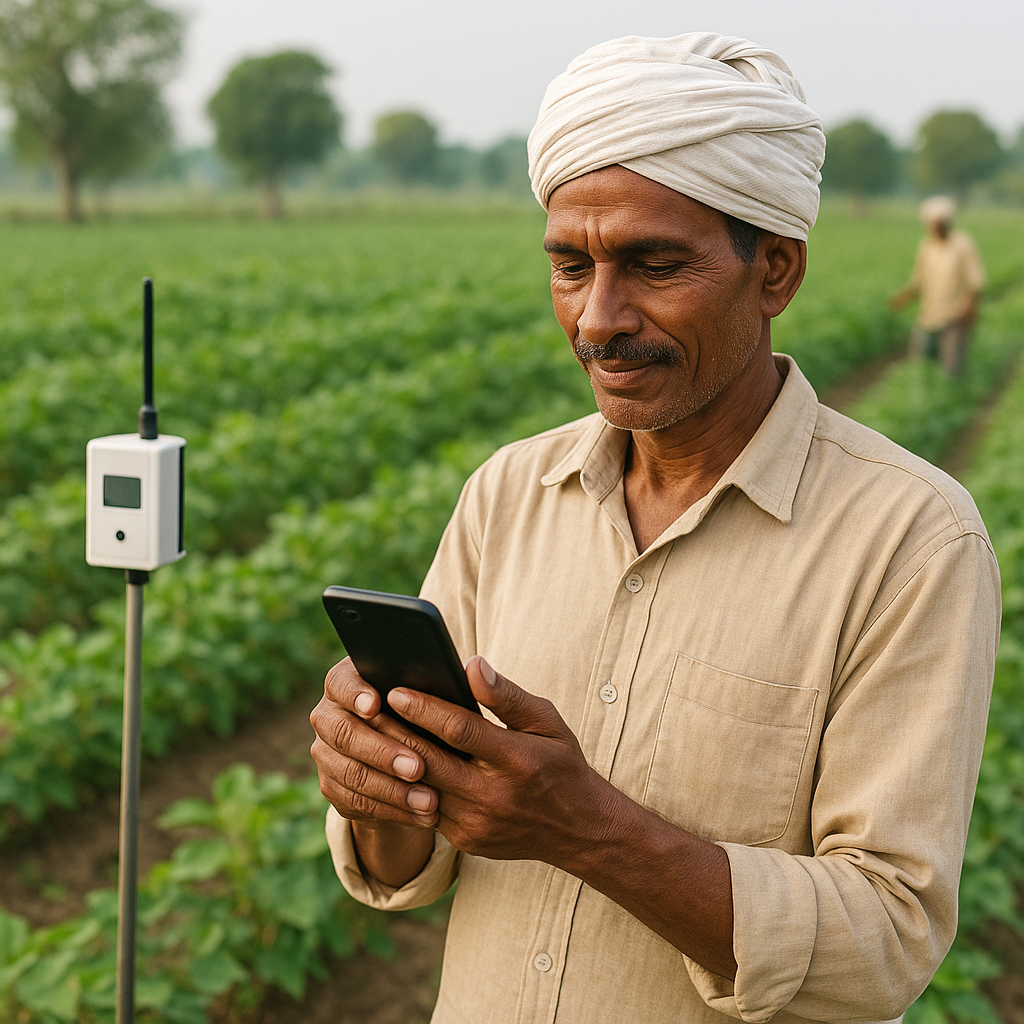
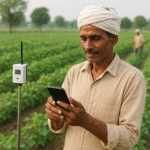
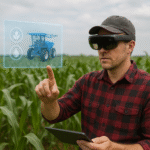
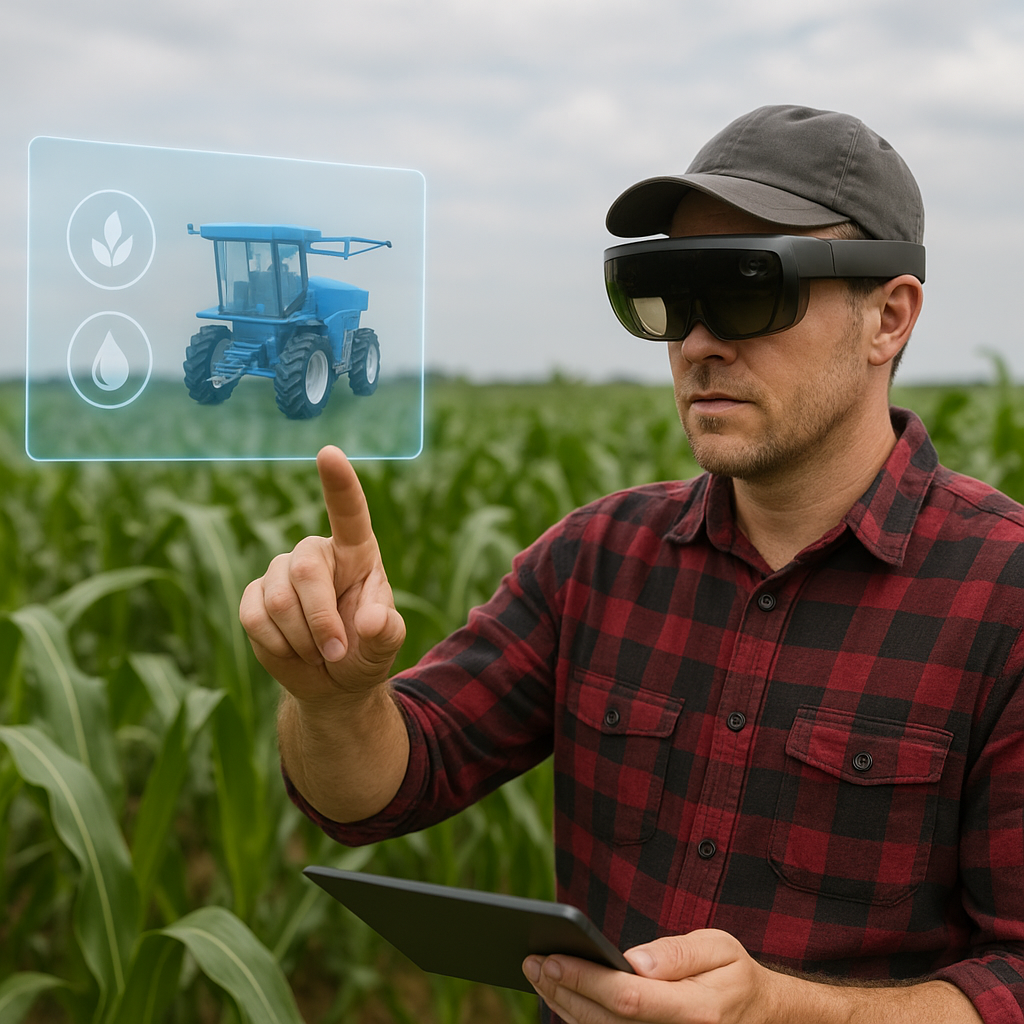
One of the most compelling applications of AR in agriculture is providing farmers with a real-time display of sensor data. When a farmer points an AR headset or mobile device at a crop plot, they can immediately see information on:
- Soil moisture levels
- pH balance
- Crop health indices
- Weather forecasts
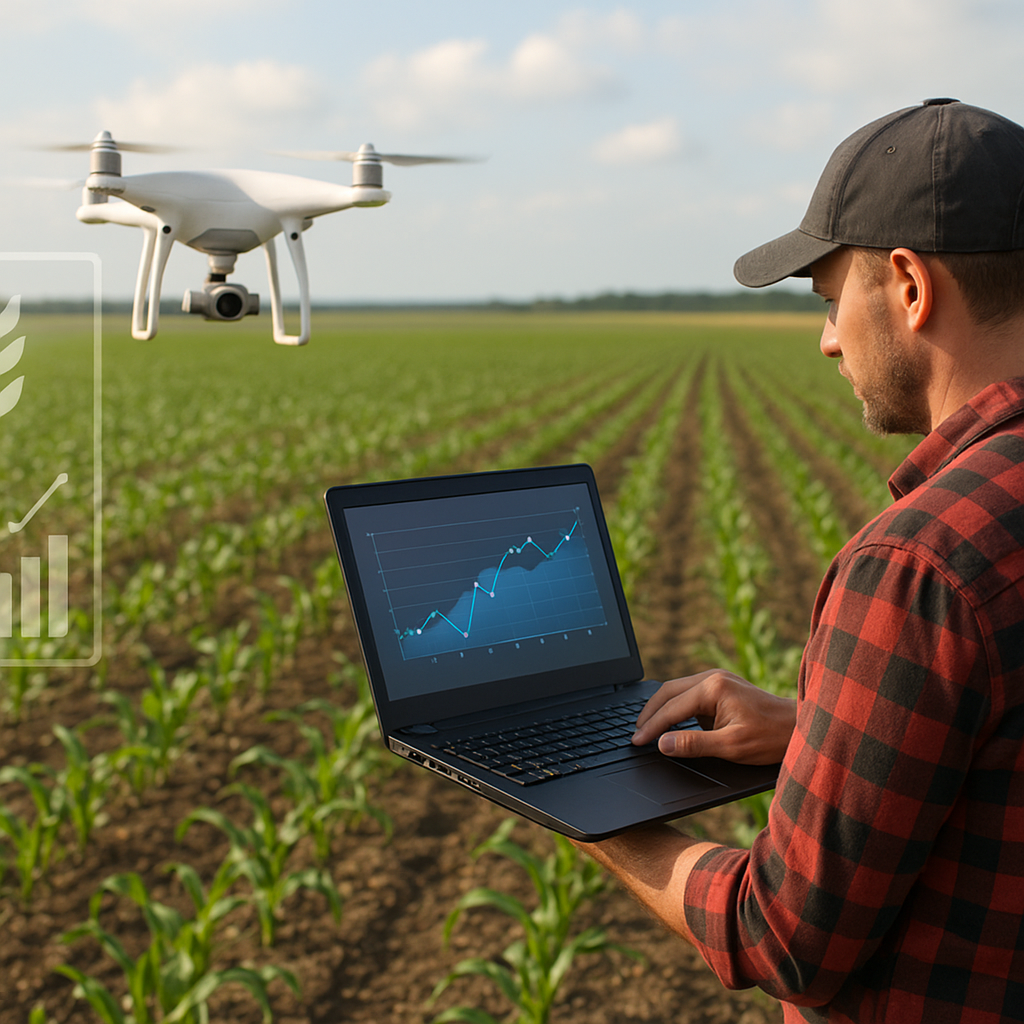
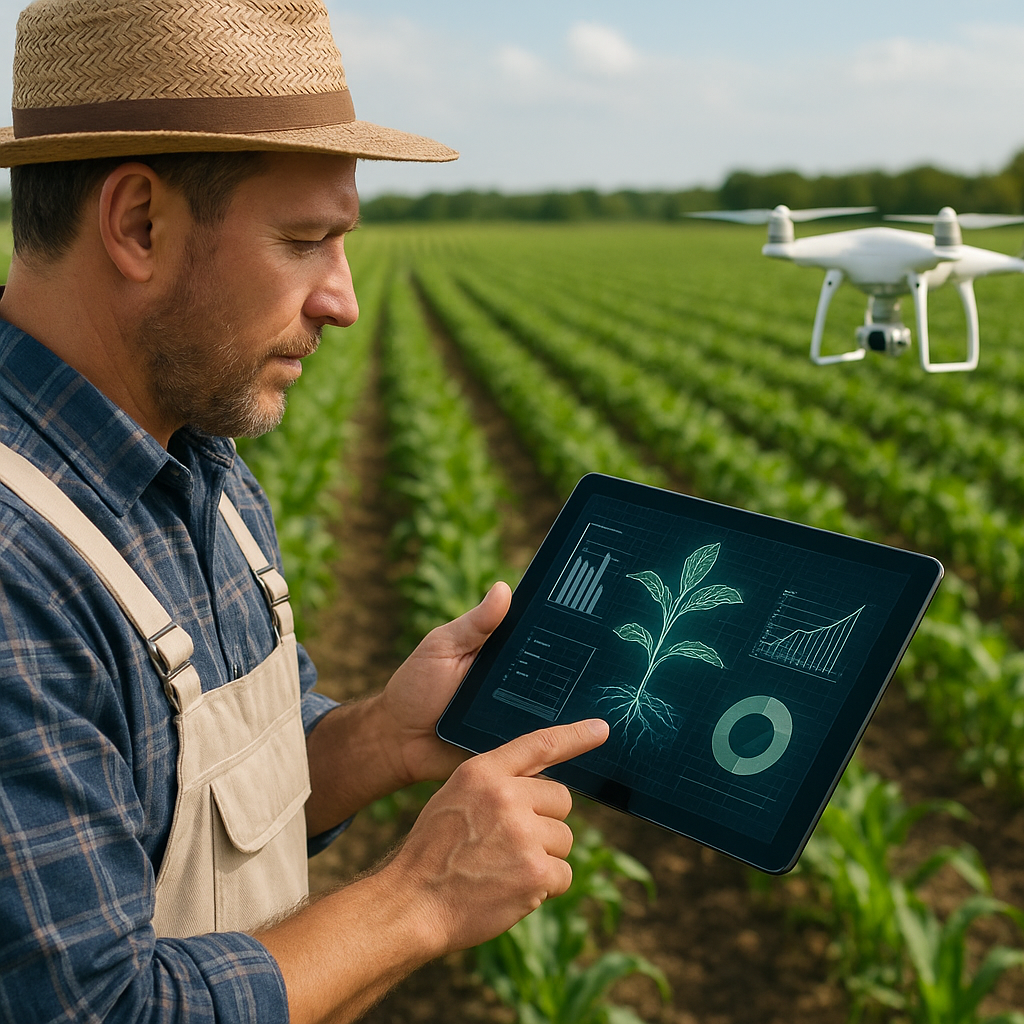
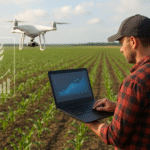
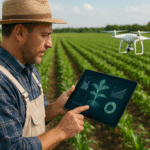
This instant feedback allows agronomists to make informed decisions on irrigation, fertilization, and pest control without leaving the field. AR-enhanced drones can also scan and project data layers onto a tablet screen, highlighting stressed areas that require attention.
Guided Fieldwork
Augmented reality systems often include step-by-step guidance for complex tasks. From calibrating seeding machines to applying the correct volume of herbicide, AR offers visual cues and interactive prompts:
- Animated arrows indicating adjustment points
- Voice commands in multiple languages
- 3D models of equipment for assembly or repair
By reducing dependency on printed manuals, farmers can increase efficiency and lower the risk of human error. This immersive approach not only speeds up operations but also enhances overall safety when handling heavy machinery.
Immersive Training Scenarios for Equipment Handling
Virtual Maintenance Workshops
Maintenance procedures for modern agricultural machinery can be intricate. AR-powered applications simulate the inner workings of tractors, harvesters, and irrigation pumps in a virtual environment. Trainees can:
- Disassemble and reassemble parts without physical wear
- Identify component faults through color-coded overlays
- Practice emergency shutdown procedures safely
These virtual modules reduce downtime on actual equipment and minimize the risk of costly mistakes. Instructors can monitor progress remotely, providing feedback and additional resources when needed.
Hands-On Harvest Simulations
During peak season, harvesting crews must operate swiftly and accurately. AR headsets deliver overlay guides on grain moisture thresholds, yield maps, and optimal harvesting paths. By simulating various crop densities and terrain conditions, workers can train in a controlled setting before hitting the fields. This hands-on approach enhances productivity and prepares teams to handle unexpected challenges, such as:
- Equipment malfunctions
- Sudden weather changes
- Wildlife intrusion
Moreover, AR-driven harvest training fosters teamwork by allowing multiple users to share the same augmented environment, facilitating coordinated responses and strategies.
Integrating Data Visualization and Precision Farming
Mapping and Zoning with AR
Precision farming relies heavily on accurate mapping of fields and planting zones. AR applications overlay geospatial data onto real-world terrain, enabling farmers to:
- Visualize soil variability across different zones
- Plan crop rotation based on nutrient distribution
- Implement variable-rate seeding and fertilization
By using AR to demarcate field boundaries and highlight areas with poor drainage, producers can optimize yield while conserving resources. This level of precision contributes to sustainability efforts and reduces environmental impact.
Yield Forecasting and Predictive Analytics
Advanced AR platforms integrate with AI engines to forecast yields based on historical data and current crop conditions. Augmented displays can project color-coded maps indicating:
- High-yield potential zones
- Areas prone to pest outbreaks
- Sections at risk of drought stress
Farm managers use these insights to pre-plan harvest schedules, allocate labor, and adjust logistics. Real-time updates ensure that predictions remain accurate as conditions evolve, driving better outcomes and increased efficiency.
Challenges and Future Prospects
Overcoming Connectivity Barriers
Agricultural regions often suffer from limited broadband access, posing a challenge for AR platforms that demand high data throughput. Developers are exploring:
- Edge computing to process data locally
- Offline AR modules with periodic data sync
- Low-bandwidth streaming protocols
These solutions aim to bring connectivity even to remote farms, ensuring that users can benefit from AR-driven insights without relying solely on stable internet links.
Enhancing User Experience
To maximize adoption, AR interfaces must be intuitive and ergonomically designed. Ongoing improvements include:
- Lightweight headsets with extended battery life
- Voice-activated controls for hands-free operation
- Customizable dashboards to suit individual workflows
By focusing on user comfort and accessibility, manufacturers promote widespread use of AR technologies among farmers of all experience levels.
The Road Ahead
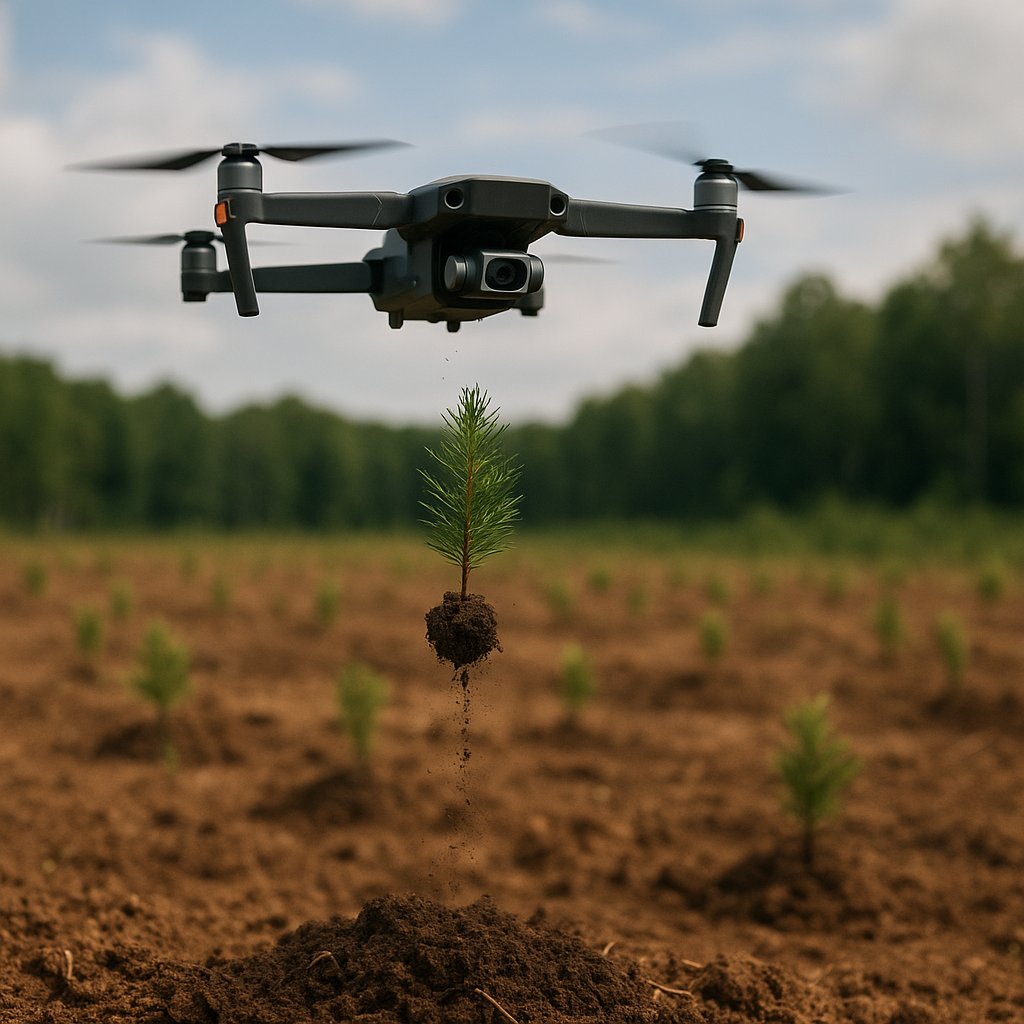
Looking forward, the integration of AR with robotics, drones, and autonomous vehicles promises a fully connected agricultural ecosystem. Imagine a scenario where:
- Drones scan fields and upload data to an AR console
- An autonomous tractor follows AR-specified routes
- Yield sensors feed real-time metrics back into the farmer’s headset
These advancements will usher in an age of safety, resilience, and unparalleled productivity. By embracing augmented reality, the farming community takes a decisive step toward a smarter, more innovative future.