The adoption of advanced technologies in the agricultural sector is reshaping the way farmers manage resources, drive productivity, and confront environmental challenges. By integrating smart grids with modern farming practices, operations become more efficient, sustainable, and resilient to external stresses. This exploration delves into how these interconnected networks bolster everything from energy generation to water management, underpinning the era of precision agriculture and ushering in an age of innovation that benefits both producers and the planet.
Understanding the Anatomy of Smart Grid-Enhanced Farms
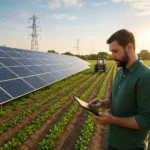
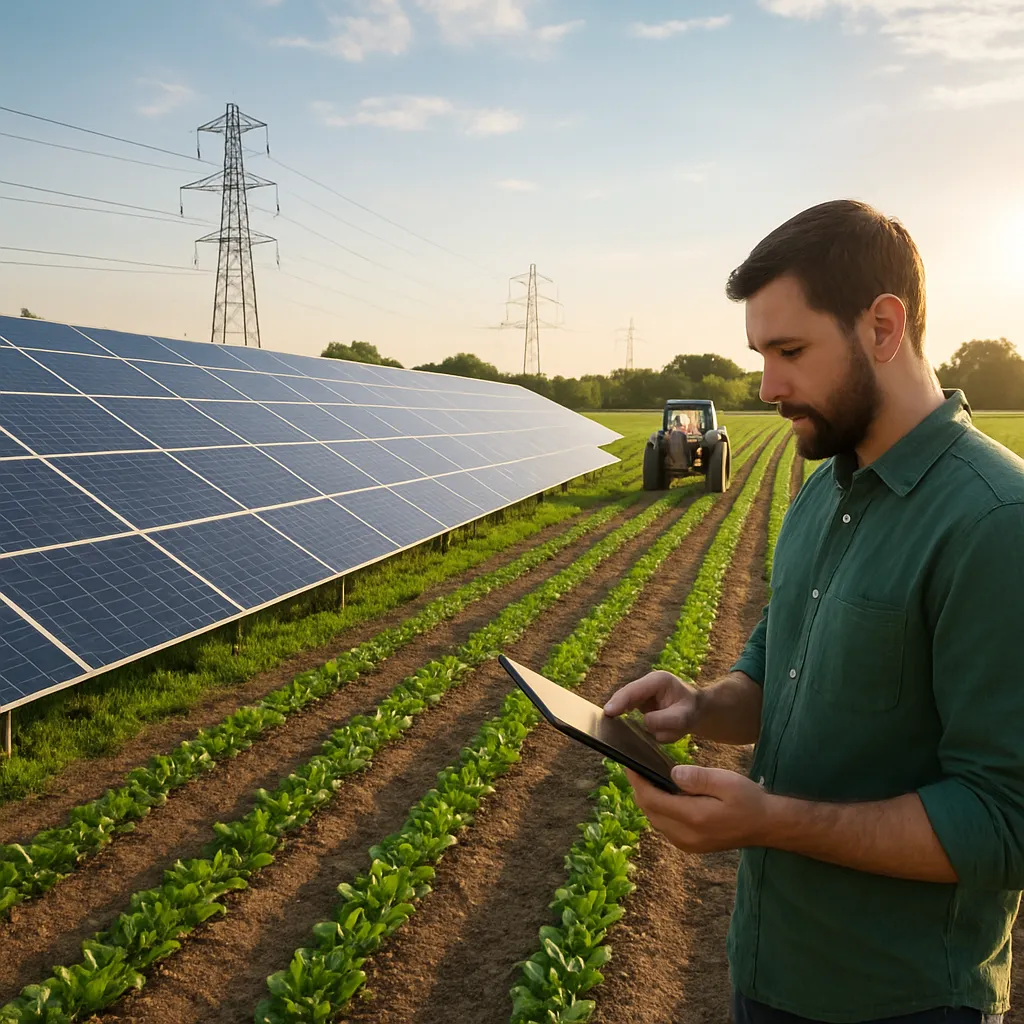
At the heart of next-generation agriculture lies the synergy between on-site renewable power sources and an intelligent distribution network. A smart grid comprises digital communication systems, sensors, and automated controllers that collectively manage electricity flows in real time. Farms equipped with solar panels, wind turbines, and bioenergy units feed surplus power into microgrids, balancing supply with demand. This local energy ecosystem ensures uninterrupted operation of pumps, sensors, and processing facilities even when the central grid experiences disturbances.
A typical smart grid on the farm includes:
- Distributed generation units (solar, wind, biogas) that diversify energy portfolios
- Advanced energy storage systems (batteries, thermal storage) to shift loads and mitigate peak charges
- Bi-directional communication links enabling data-driven demand response and voltage regulation
- Integration hubs that coordinate irrigation, climate control in greenhouses, and machinery operation
By closely monitoring consumption patterns, farmers can schedule high-energy tasks such as grain drying or greenhouse heating during off-peak hours, thereby enjoying lower rates and reducing strain on the broader network. Moreover, seamless connectivity between components fosters automated alerts that detect faults, preventing costly downtime or equipment damage.
Driving Water and Nutrient Management with Grid Intelligence
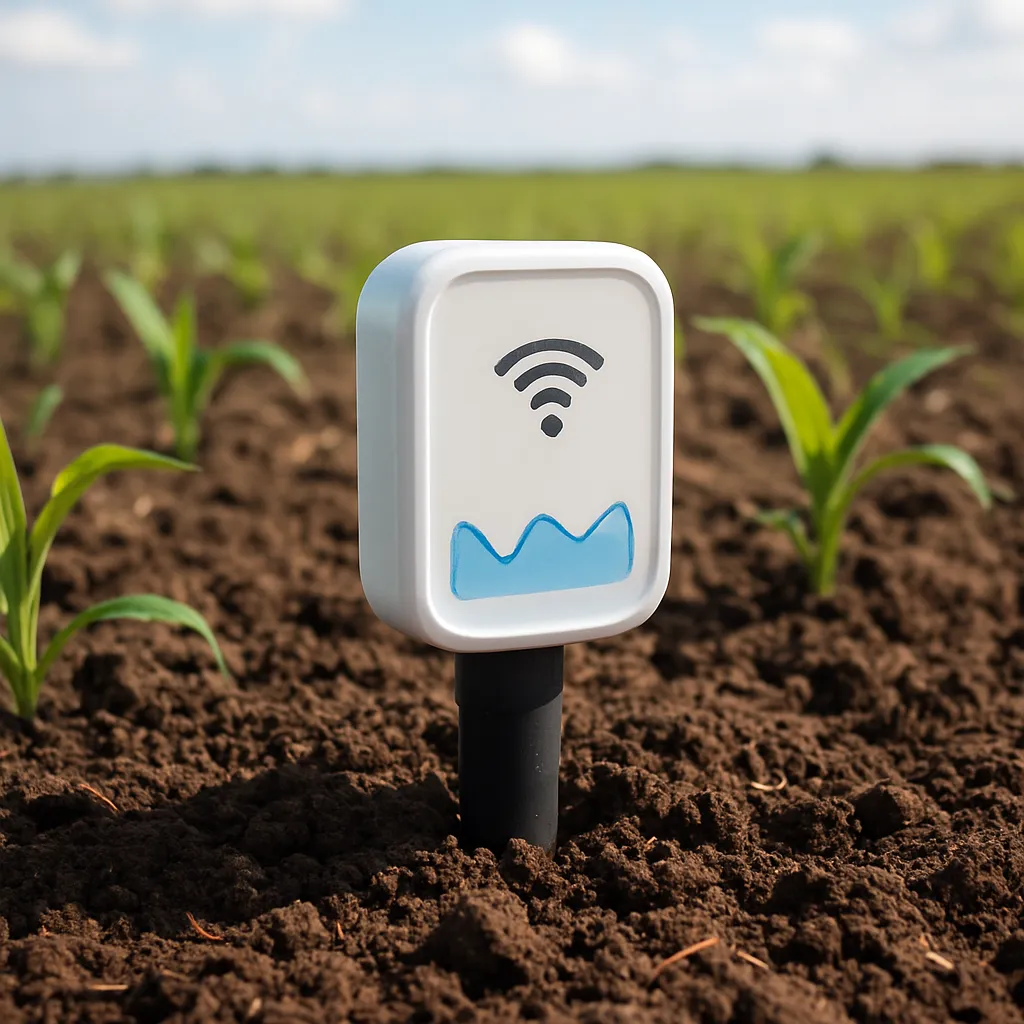
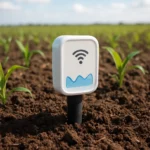
Efficient water use represents one of agriculture’s most pressing sustainability challenges. Through the marriage of smart grids and Internet of Things (IoT) devices, farms achieve unprecedented control over irrigation and fertilization. Soil moisture sensors transmit real-time readings to central controllers that engage pumps and valves only when soil conditions demand. Automation enhances crop health while preserving precious freshwater resources.
Key benefits of grid-enabled water management:
- Dynamic scheduling based on weather forecasts and energy pricing, optimizing both water and power consumption
- Precision dosing of nutrients via fertigation systems, reducing chemical runoff and boosting yield quality
- Remote monitoring through mobile apps, enabling operators to adjust parameters from anywhere
- Integration with solar-powered water pumps, reducing reliance on diesel generators and cutting greenhouse gas emissions
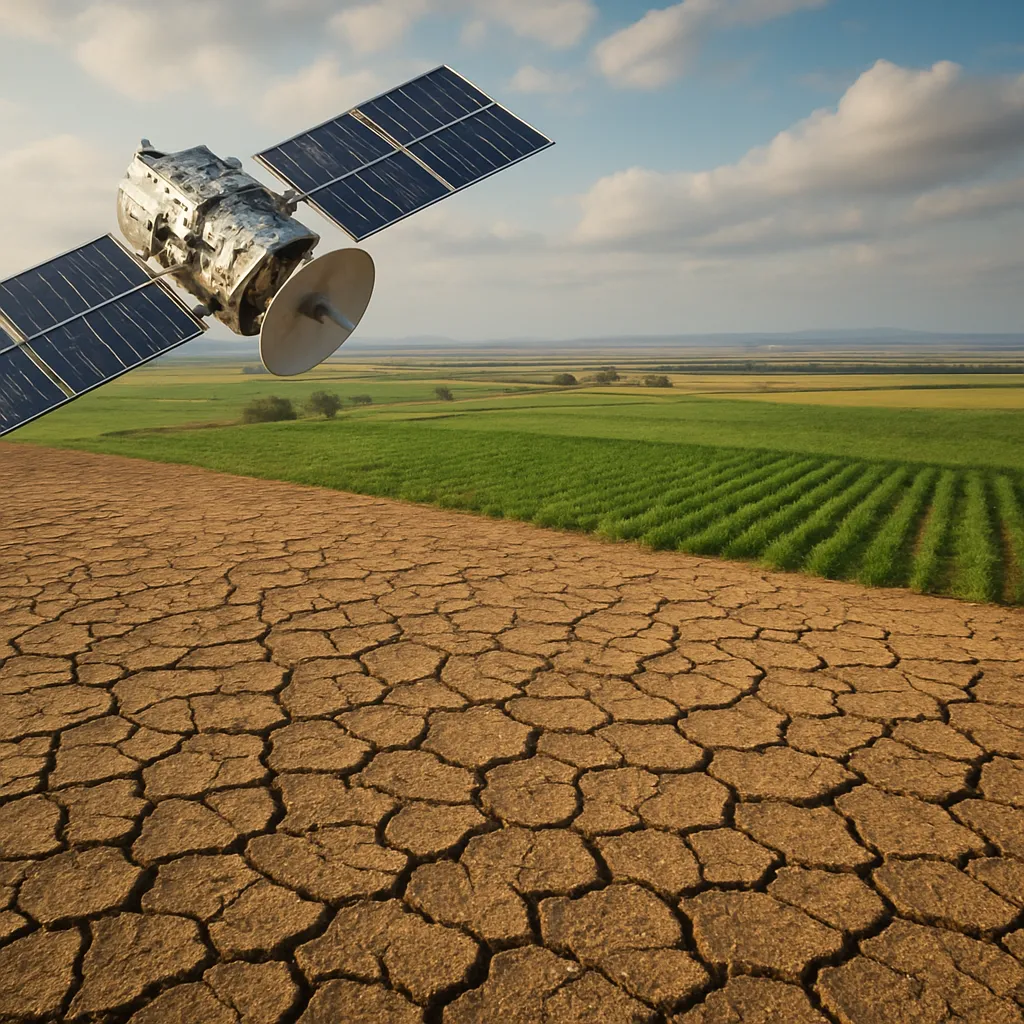
In regions prone to drought or erratic rainfall, the ability to tap into stored renewable energy for irrigation offers a lifeline. The resilience of decentralized power networks ensures that water delivery continues uninterrupted, safeguarding crops and securing farmers’ livelihoods.
Enhancing Crop Production through Data-Driven Optimization
Platforms that merge smart grid telemetry with agronomic data pave the way for sophisticated decision support tools. By correlating energy usage metrics with yield maps, farmers uncover actionable insights into the cost-effectiveness of different practices. For example, thermal imagery captured by drones can be synchronized with electricity load profiles to determine the ideal timing for greenhouse ventilation or supplemental lighting.
Innovative applications include:
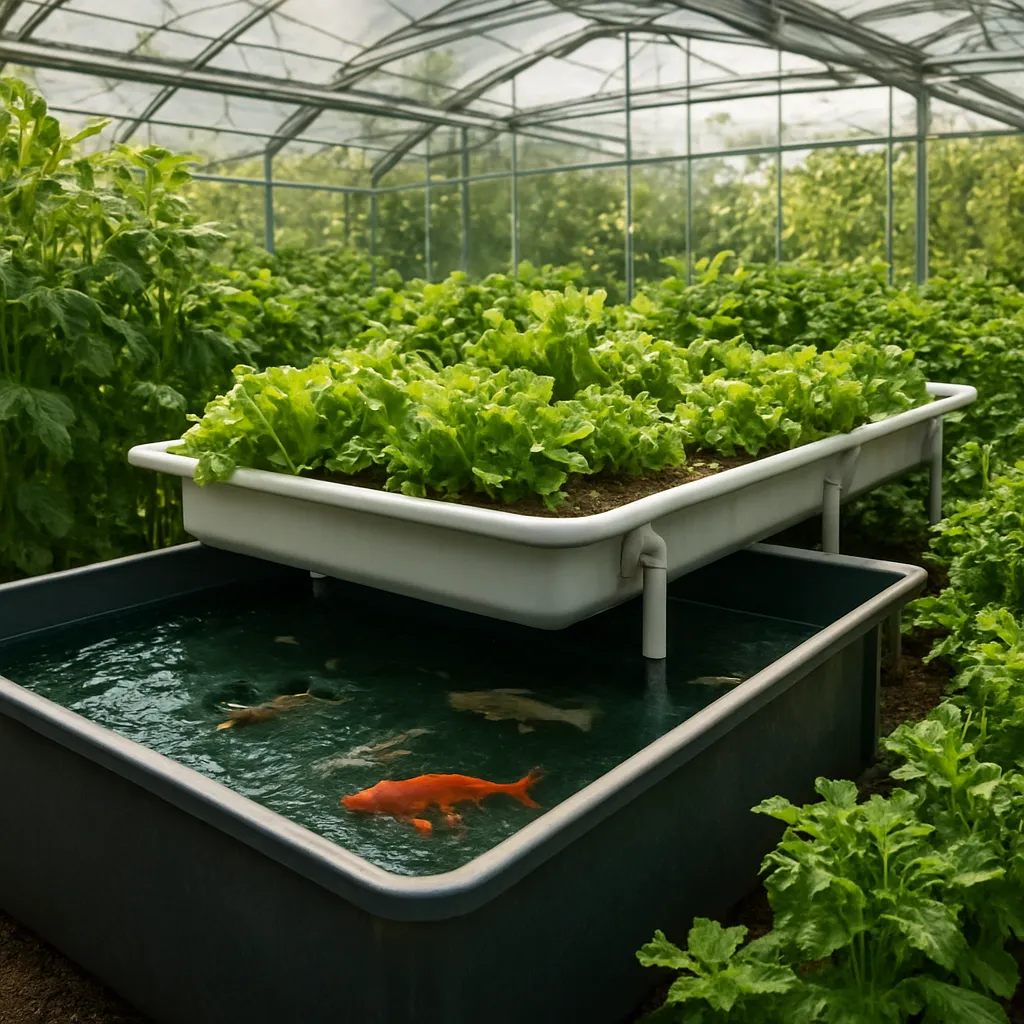
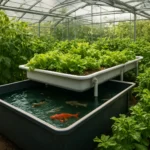
- Automated climate control in controlled-environment agriculture (CEA), using renewable power to regulate temperature, humidity, and CO2 levels
- Machine learning algorithms that predict pest pressures or nutrient deficiencies, prompting preemptive adjustments in fertilization and energy input
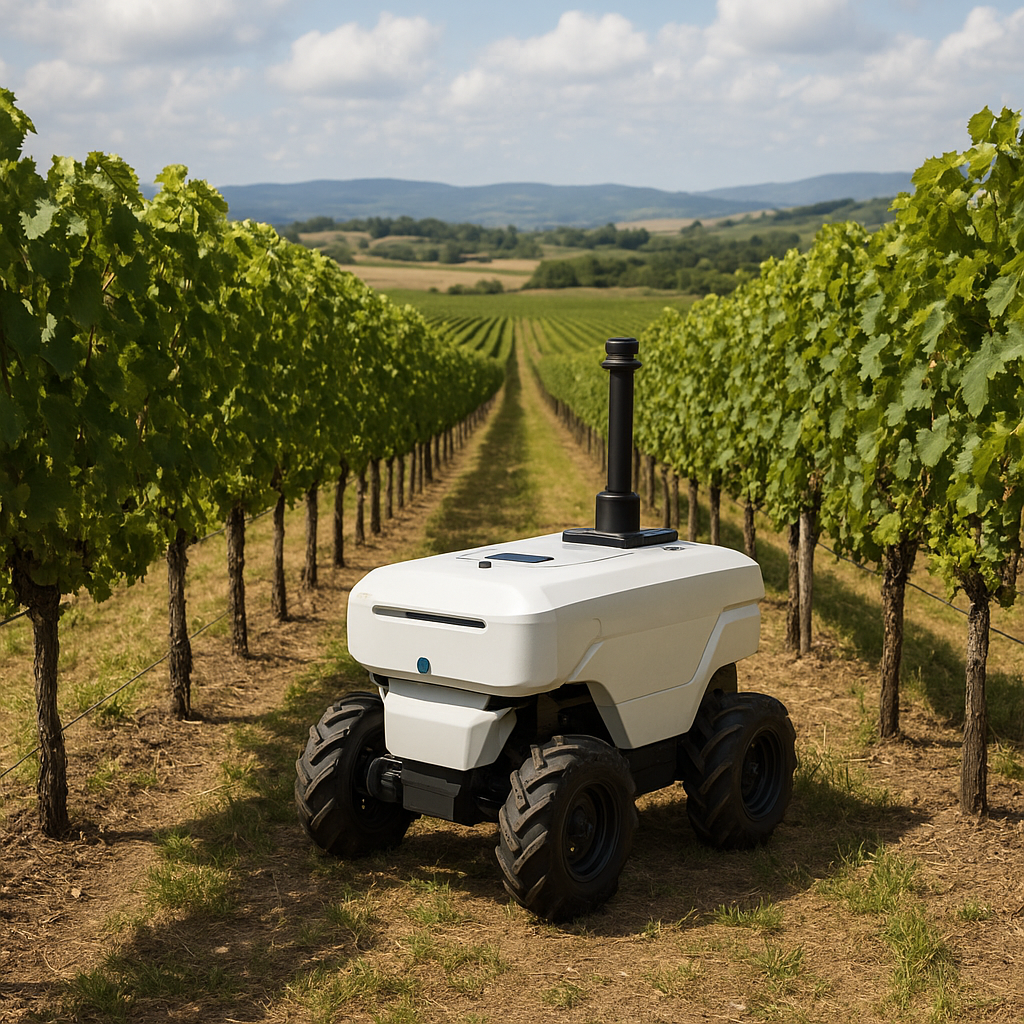
- Smart tractors and combines that calibrate field operations based on grid status, aligning fuel or battery use with available green energy
- Blockchain-enabled traceability systems that log energy provenance, ensuring transparency in carbon footprint reporting
This synergy of optimization and agronomy boosts productivity while minimizing waste. Farmers gain a competitive edge by optimizing resource allocation and demonstrating adherence to rigorous sustainability standards demanded by global markets.
Building Community and Economic Value with Microgrid Farming
Beyond individual holdings, clusters of farms can interconnect their grid assets to form agricultural microgrids. Such cooperative structures allow participants to share excess power, balance loads, and collectively invest in larger renewable facilities. The communal approach enhances efficiency and drives down capital costs through economies of scale.
Advantages of collaborative microgrids include:
- Joint ownership of wind or solar farms, reducing upfront expenditure per farmer
- Shared access to robust energy storage, ensuring greater reliability during extended outages
- Peer-to-peer energy trading platforms, fostering local markets and promoting regional innovation
- Strengthened social bonds, as neighbors collectively manage resources and exchange agronomic best practices
Policymakers and utilities increasingly support these models through incentives and flexible tariff structures. By leveraging community-scale investments, agriculture can become a pillar of the decentralized energy transition, reinforcing rural economies and fortifying food systems against external shocks.