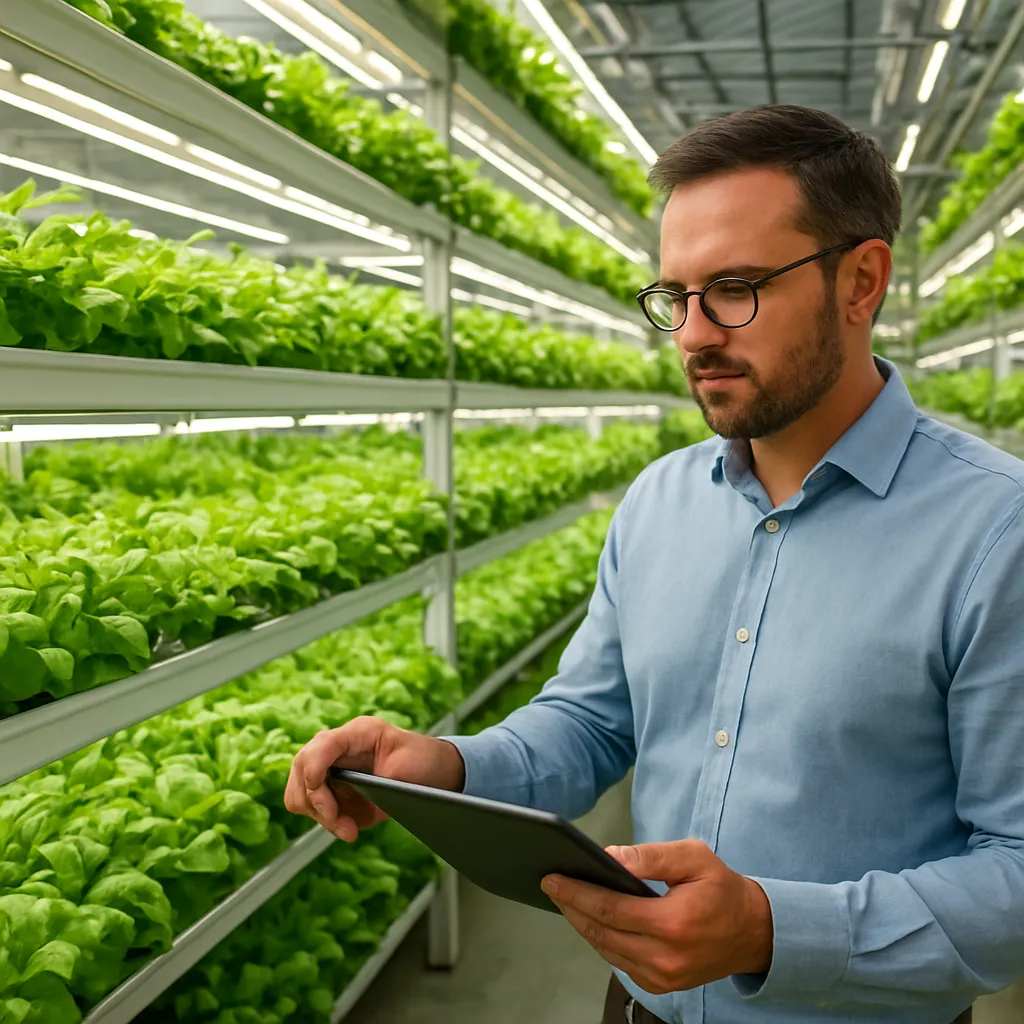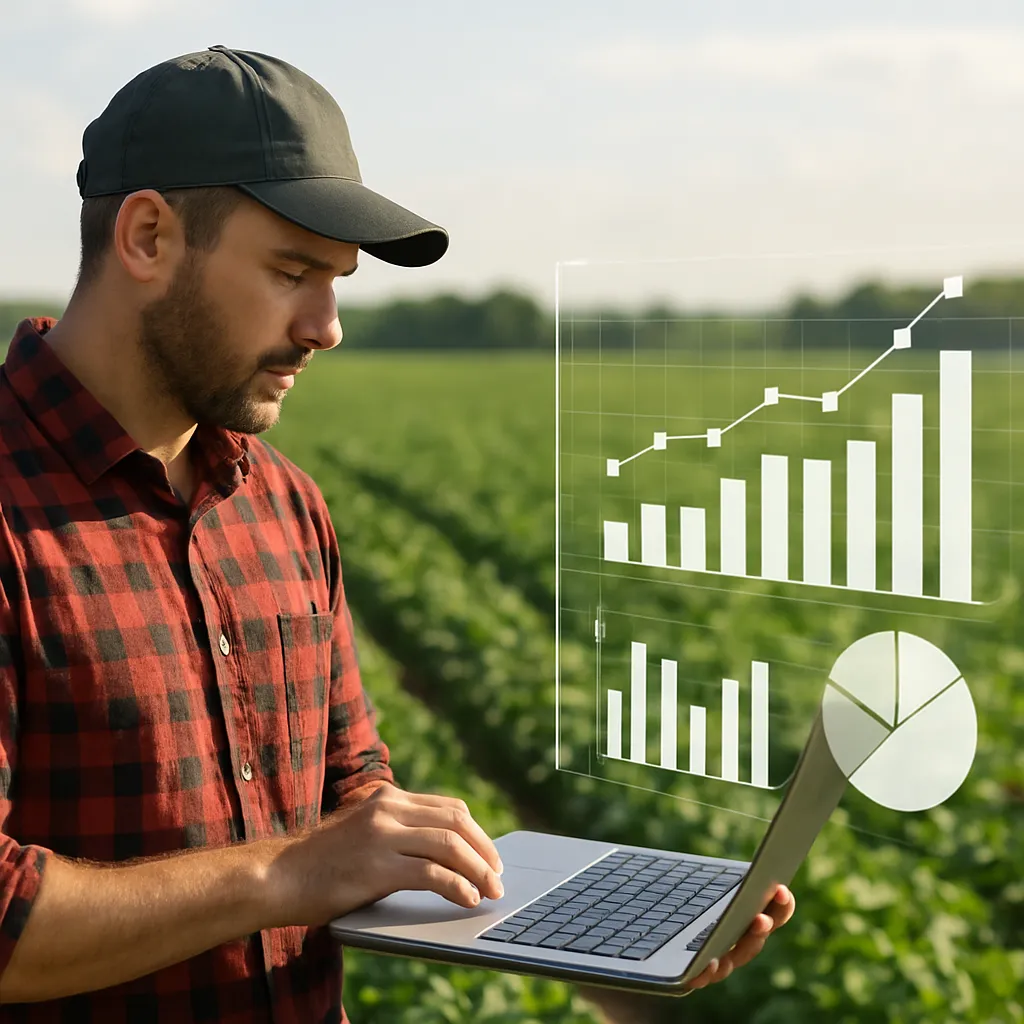


Farmers around the globe are embracing technology to cultivate fields more efficiently and curb the effects of a shifting climate. By integrating smart tools and advanced analytics, modern agriculture is evolving to meet escalating environmental challenges. This synergy of machinery, software, and biology empowers growers to optimize inputs, reduce waste, and boost yields while nurturing healthier ecosystems.
Precision Agriculture and Data-Driven Insights
As the world seeks smarter ways to feed a growing population, precision agriculture has emerged as a cornerstone of climate-smart farming. This approach leverages sensors, satellite imagery, and advanced analytics to tailor interventions at the scale of individual plants or soil zones.
Satellite Imagery and Remote Sensing
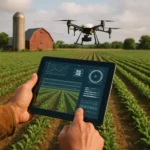
High-resolution images captured by satellites and drones deliver real-time snapshots of vegetation health. By analyzing spectral data, farmers can detect nutrient deficiencies, pest infestations, and water stress before visible symptoms appear. Crop advisors use these insights to issue targeted recommendations, preserving precious resources and reducing chemical runoff.
Variable Rate Technology
Variable Rate Technology (VRT) integrates GPS guidance with automated control systems on tractors, planters, and sprayers. VRT enables:
- Customized fertilizer application, matching nutrient levels to actual crop needs.
- Optimized seeding rates for uniform plant spacing and improved stand establishment.
- Efficient pesticide deployment, minimizing over-application and environmental impact.
By aligning input delivery with in-field variability, VRT boosts profitability and enhances sustainability across operations.
Next-Generation Water and Resource Management
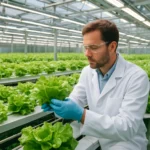
Water scarcity and erratic rainfall patterns pose existential risks for farms. Innovative irrigation and soil-monitoring platforms now offer granular control over moisture and nutrient distribution.
Smart Irrigation Systems
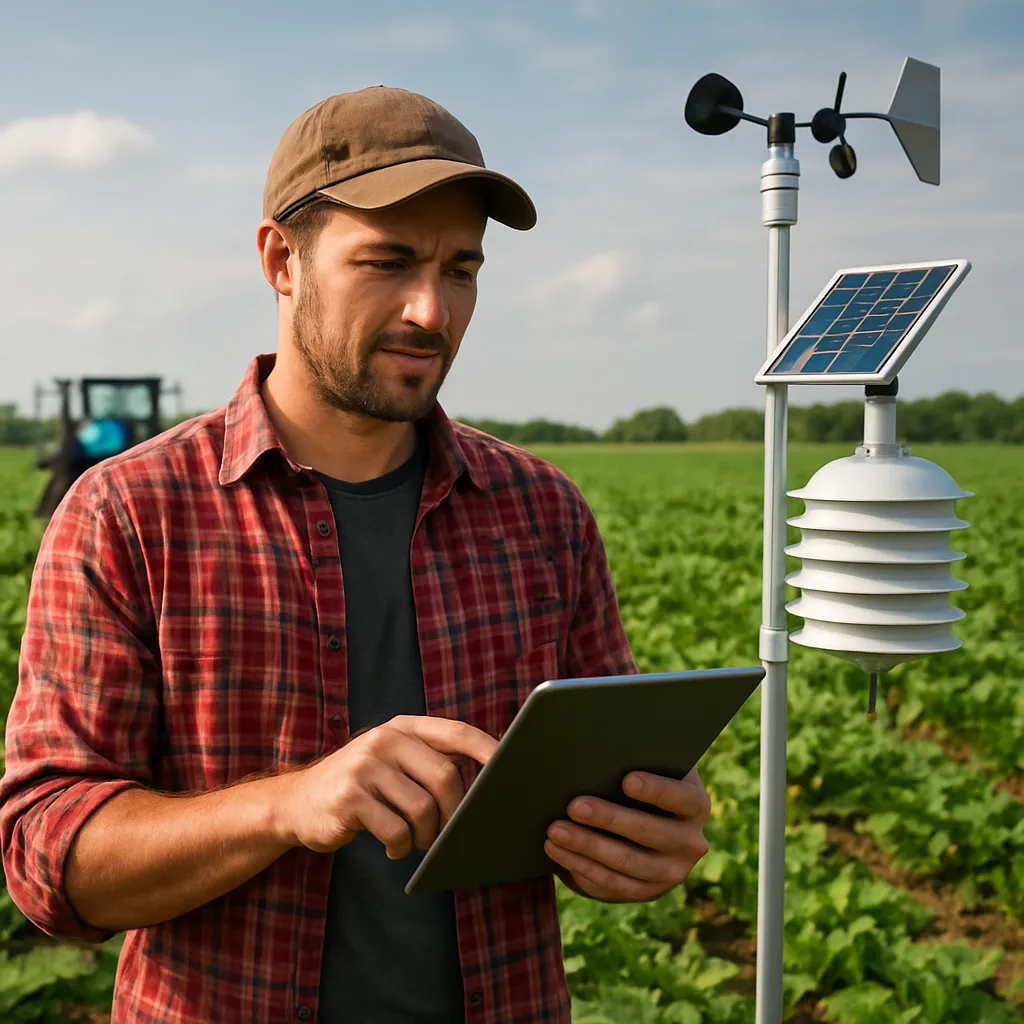
Modern irrigation networks integrate soil moisture sensors, weather stations, and automated valves. When moisture drops below a critical threshold, the system activates targeted watering zones, conserving up to 40% of water compared to conventional timed schedules. These systems also forecast irrigation needs based on evapotranspiration rates, delivering water precisely when and where it’s needed.
Soil Moisture Monitoring
Buried probes continuously measure volumetric water content and soil temperature. Data streams transmit via IoT networks to cloud platforms, where machine learning algorithms interpret trends and predict drought stress. Farmers receive alerts on smartphones, enabling rapid intervention and avoiding irreversible yield losses.
Automation, Robotics and AI in Field Operations
Accelerating the shift toward labor-efficient farming, autonomous machines and artificial intelligence solutions tackle repetitive tasks and refine decision-making under dynamic conditions.
Autonomous Tractors and Robotic Harvesters
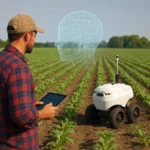
Driverless tractors equipped with LiDAR, cameras, and radar navigate fields with centimeter-level accuracy. These machines perform tillage, planting, and spraying with minimal human supervision. Meanwhile, robotic harvesters detect fruit ripeness through advanced image processing, picking without bruising and operating around the clock to capitalize on shorter harvest windows.
Machine Learning for Crop Monitoring
Deep learning models process vast datasets—combining weather records, pest outbreak histories, and growth simulations—to forecast disease incidence and yield outcomes. With these predictions, growers can adopt preventative measures or adjust crop rotations well in advance, enhancing farm resilience to climatic shocks.
Biotechnology and Regenerative Practices
Emerging genetic tools and soil restoration techniques are redefining sustainable production, bridging high-tech solutions with time-honored traditions.
Gene-Edited and Drought-Tolerant Varieties
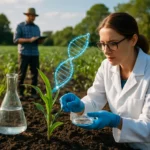
CRISPR and other gene-editing platforms enable precise modifications that bolster plant tolerance to drought, heat, and salinity. Researchers have developed rice, wheat, and maize cultivars that maintain productivity under water scarcity, securing livelihoods in arid regions.
Regenerative Soil Management
Regenerative approaches focus on rebuilding soil health through cover cropping, reduced tillage, and diversified rotations. This holistic practice fosters robust microbial communities, enhances carbon sequestration, and curbs erosion. Digital farm management platforms now integrate carbon credit tracking, rewarding farmers for climate-positive practices.
Supply Chain Transparency and Digital Marketplaces
Beyond the field, supply chains benefit from enhanced traceability and direct-to-consumer channels, fostering accountability and fair pricing.
Blockchain for Traceability
Distributed ledger systems record every transaction—from seed procurement and field operations to packing and distribution. Consumers scan QR codes to access verifiable data about origin, input usage, and carbon footprint. This transparency builds trust and incentivizes producers to adopt eco-friendly methods.
Digital Marketplaces and E-Commerce
Online platforms connect smallholder farmers with global diners, bypassing traditional intermediaries. By showcasing product provenance and sustainability credentials, growers capture premium prices and deliver fresh produce with reduced food miles.
The Road Ahead: Integrating Innovation and Tradition
The convergence of data-driven solutions, automation, and regenerative methods charts a promising path for agriculture. Embracing these advancements empowers farmers to adapt to a warming world, bolster food security, and uphold environmental stewardship. Collaborative research, supportive policy frameworks, and inclusive access to modern tools will be vital to scaling these transformative practices across diverse landscapes.