Emerging technologies are redefining greenhouse agriculture by integrating AI-driven climate control systems that transform traditional cultivation into a data-rich, highly adaptive ecosystem. This synergy empowers growers to maximize productivity, minimize waste, and respond proactively to environmental challenges through precision adjustments and real-time insights.
Revolutionizing Greenhouse Environments
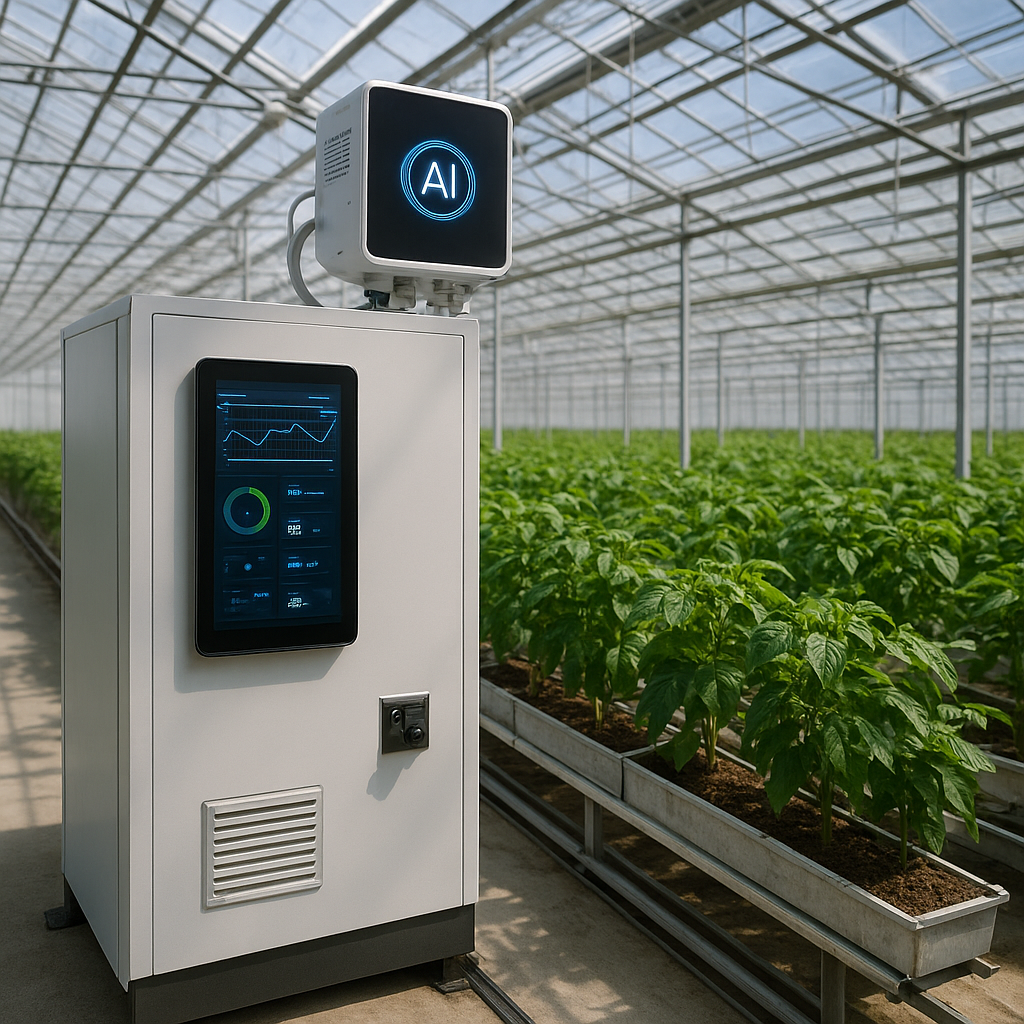
Modern greenhouses no longer rely on manual adjustments or rudimentary timers. Instead, they leverage a network of interconnected sensors, actuators, and edge computing units that continuously gather and analyze data. Factors such as temperature, humidity, CO2 concentration, and light intensity are monitored and fine-tuned to create an optimal microclimate for each crop type. By integrating smart ventilation, automated shading, and variable LED lighting, growers achieve unparalleled efficiency in energy use and resource allocation.
Smart Infrastructure
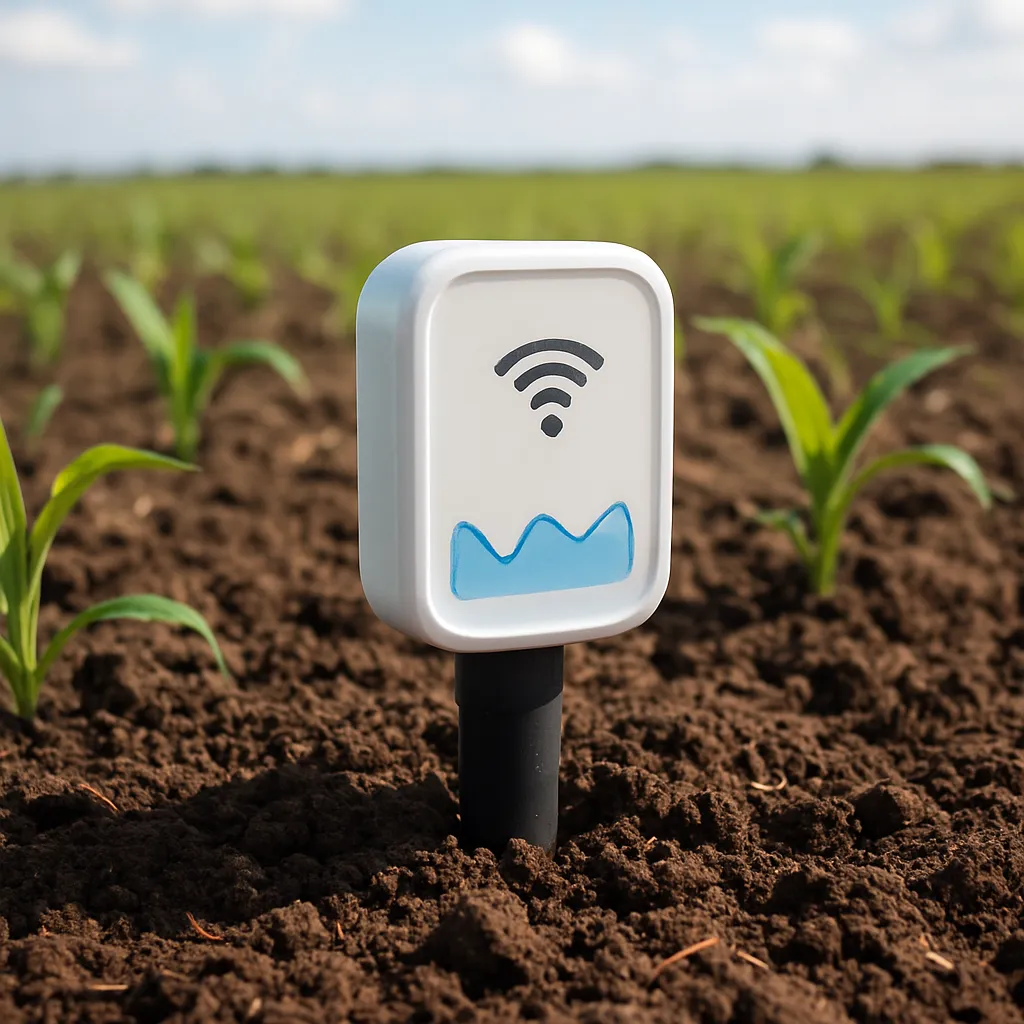
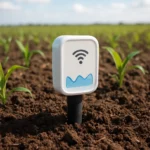
- IoT Sensors: Provide granular data on ambient and soil conditions
- Actuator Networks: Enable immediate response to environmental changes
- Edge Devices: Process critical data locally, reducing latency
- Cloud Platforms: Store historical data for long-term analysis
Through continuous feedback loops, these systems produce a dynamic environment where plants receive exactly what they need, when they need it. This level of monitoring is key to reducing crop stress, improving resource utilization, and mitigating risks from pests or disease outbreaks.
AI-Powered Climate Regulation Mechanisms
At the heart of next-level greenhouses lies the deployment of advanced machine learning models that predict and adapt to changing conditions. These predictive models ingest streams of sensor data to forecast temperature shifts, moisture levels, and plant growth cycles. By employing reinforcement learning algorithms, the system continuously refines its decision-making policies, balancing multiple variables to maximize overall performance.
Adaptive Control Loops
Closed-loop control architectures enable the AI to:
- Analyze historical patterns and seasonal trends
- Adjust heating, cooling, and irrigation schedules dynamically
- Optimize LED spectra and photoperiods according to crop developmental stages
- Detect anomalies in real time and trigger preventive measures
For instance, if an unforeseen cold front threatens interior temperatures, the system can preemptively boost heating or redirect warm air, safeguarding plants against thermal shock. Similarly, as humidity approaches thresholds conducive to fungal growth, vents and dehumidifiers engage to preserve an environment less hospitable to pathogens. This level of automation and responsiveness elevates greenhouse management beyond manual intervention, driving increased yield and consistency.
Benefits of Intelligent Environmental Management
Implementing AI climate control in greenhouses yields multiple advantages for producers, consumers, and the environment. Enhanced crop performance, reduced resource consumption, and greater resilience to external shocks contribute to a more sustainable food production ecosystem.
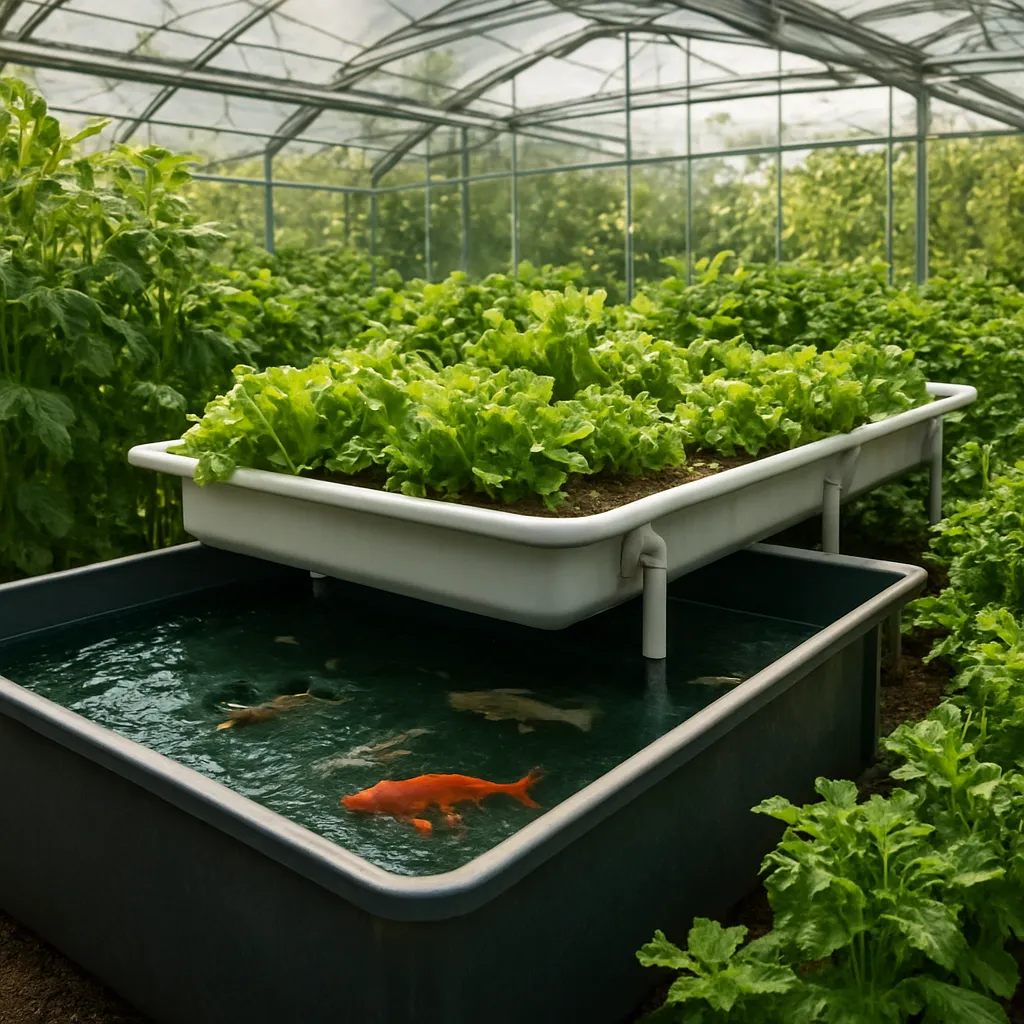
- Optimization of water and nutrient use, cutting operational costs
- Extended growing seasons and off-season production capabilities
- Minimized chemical inputs through precise pest and disease prevention
- Lower carbon footprint due to energy-efficient climate regulation
- Scalable solutions applicable to small farms and industrial-scale operations
Moreover, the data-driven insights generated by AI systems foster continuous improvement. Growers can perform comparative analyses across different greenhouse units, crop varieties, or seasonal cycles, uncovering opportunities for incremental gains in both quality and volume. These sustainable practices align with global initiatives aimed at curbing greenhouse gas emissions and farmland overuse, reinforcing the concept of agricultural sustainability as a cornerstone of food security.
Challenges and Future Perspectives
Despite the clear benefits, integrating AI climate control into greenhouses involves overcoming technical, economic, and regulatory barriers. Initial investments in hardware, software, and training can be substantial, particularly for smallholder farmers. Data privacy and interoperability among devices from various manufacturers also present significant hurdles.
Addressing Scalability and Accessibility
To democratize access, stakeholders are exploring collaborative frameworks and shared infrastructure models. Open-source algorithm repositories, cooperative purchasing agreements, and cloud-based service offerings lower entry barriers and enable smaller operations to capitalize on advanced technologies. In parallel, policy incentives and grants support pilot projects that demonstrate tangible benefits for rural communities.
Advancing Resilience Through AI
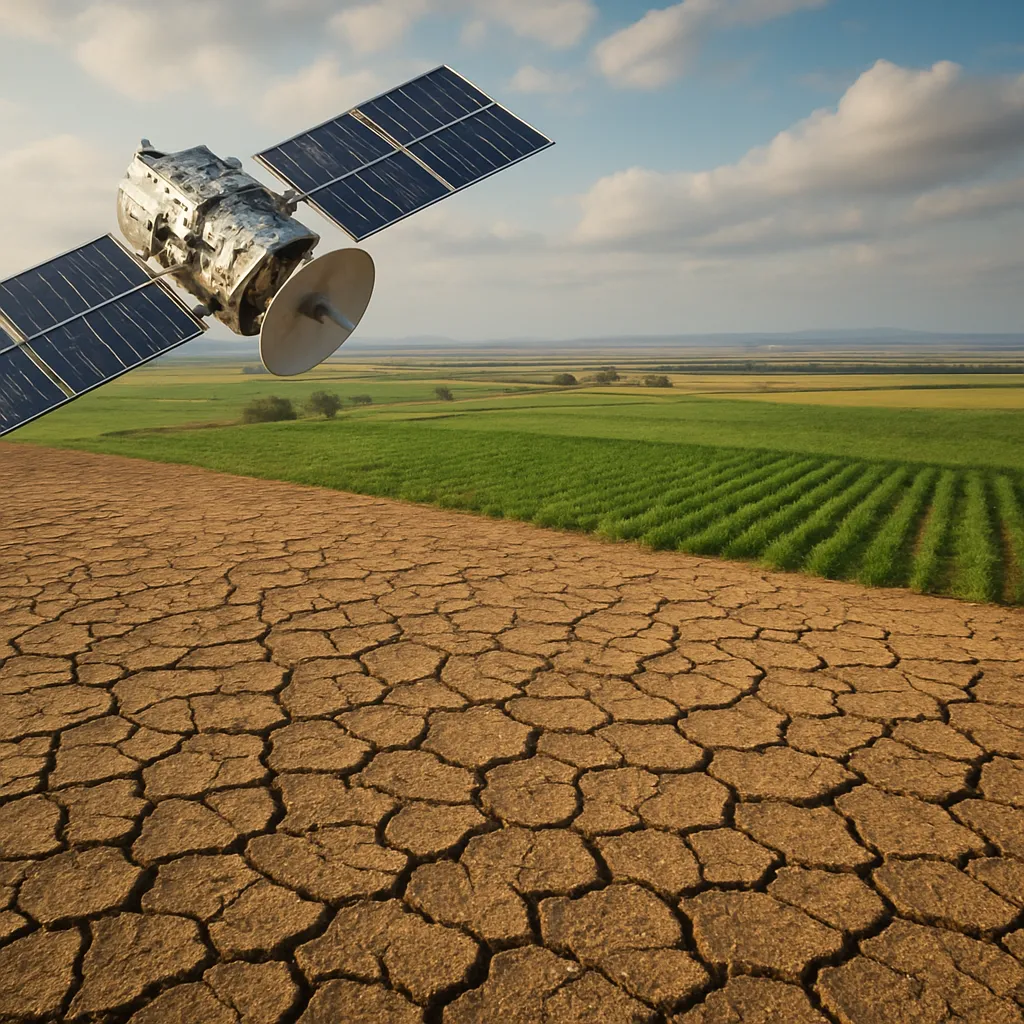
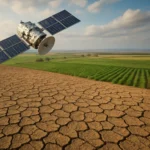
Looking ahead, continued innovation will focus on integrating weather forecasts, satellite imagery, and genomic data to further refine environmental controls. Crops may be bred or genetically optimized for specific AI-managed conditions, pushing the boundaries of traditional breeding programs. Such advancements promise unprecedented levels of resilience against climate volatility and market fluctuations, ushering in a new era of precision agriculture that prioritizes both profitability and ecological stewardship.