
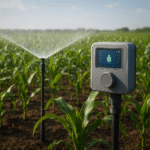


Predictive maintenance for agricultural machinery represents a transformative approach that empowers farmers to optimize operations, reduce unexpected breakdowns, and maximize productivity. By harnessing advanced technologies, stakeholders can shift from reactive repairs to a proactive model that emphasizes foresight and continuous improvement.
Understanding the Shift from Reactive to Proactive Maintenance
The traditional model of maintaining tractors, harvesters, and irrigation systems often relies on fixed schedules or responding to failures after they occur. This reactive approach leads to unplanned downtime, inflated repair bills, and suboptimal resource allocation. In contrast, predictive maintenance leverages real-time data streams, machine learning models, and intelligent alerts to anticipate component wear and predict failures before they disrupt operations.
Key drivers behind this paradigm shift include:
- Advances in sensors and connectivity, enabling continuous monitoring of critical parameters
- Growing emphasis on sustainability, encouraging resource-conserving practices
- Demand for higher efficiency in both smallholder and industrial-scale farming
- Rising labor costs, motivating automation and remote diagnostics
Core Technologies Enabling Predictive Maintenance
At the heart of predictive maintenance lie several interrelated technologies:
1. Sensor Networks and IoT Connectivity
Modern implements are equipped with a complex array of IoT-enabled devices—temperature probes, vibration trackers, pressure gauges, and fluid-flow meters. These sensors capture vital operational metrics, transmitting them securely to cloud-based platforms for further analysis. Seamless connectivity, often via low-power wide-area networks (LPWAN) or cellular 4G/5G links, ensures uninterrupted data flow even in remote fields.
2. Big Data and Advanced Analytics
Collected telemetry is aggregated into scalable databases, where advanced analytics algorithms discern patterns and anomalies. Time-series analysis, frequency-domain transforms, and ensemble modeling help detect subtle deviations from optimal conditions. For instance, an atypical vibration signature may signal bearing wear on a combine header, prompting a preemptive service call.
3. Machine Learning and AI Models
Machine learning frameworks train on historical maintenance logs, sensor archives, and environmental data to predict failure probabilities. Supervised learning techniques classify fault modes, while unsupervised clustering identifies novel symptom clusters. Over time, these AI models grow more accurate, refining maintenance schedules and minimizing unnecessary interventions.
4. Edge Computing and Real-Time Alerts
Edge devices process critical data locally, executing rules-based or lightweight AI inferences at the point of collection. This reduces latency, enabling rapid reliability checks and instantaneous notification of maintenance personnel via mobile apps or integrated dashboards. By balancing edge and cloud workloads, the system achieves both resilience and scalability.
Implementing a Predictive Maintenance Program
Successful adoption of predictive maintenance in agriculture hinges on careful planning and stakeholder engagement. Key steps include:
- Conducting an asset inventory to identify high-value machinery and pain points
- Installing necessary sensors and ensuring network coverage across all operational zones
- Integrating existing maintenance records into a unified digital platform
- Training staff on interpreting alerts, scheduling interventions, and updating system parameters
- Establishing service-level agreements (SLAs) with equipment suppliers or third-party service providers
Change management is crucial—farm managers must foster a data-driven culture, motivating technicians to trust system recommendations and contribute field insights. Over time, the return on investment becomes evident through reduced emergency repairs, extended equipment lifespan, and optimized labor deployment.
Real-World Case Studies and Success Stories
Several leading agribusinesses have reported impressive results after implementing predictive maintenance:
- A large-scale grain producer reduced unplanned interruptions by 45% within six months, thanks to real-time vibration monitoring of combines.
- Vineyard operators in Europe extended sprayer pump lifespan by 30% by leveraging fluid-quality sensors and AI-driven replacement alerts.
- Precision vegetable growers in North America optimized irrigation pump schedules, achieving a 25% energy savings and cutting water waste.
These successes highlight the tangible benefits of predictive maintenance: improved cost-effectiveness, enhanced precision in scheduling, and measurable environmental gains.
Overcoming Challenges and Ensuring Scalability
Despite clear advantages, several obstacles can impede widespread adoption:
- High upfront investment for sensor deployment and IT infrastructure
- Concerns over data ownership, privacy, and cybersecurity
- Skill gaps among farm personnel regarding digital tools
- Integration complexities with legacy machinery lacking native connectivity
To address these issues, stakeholders should explore modular solutions with pay-as-you-grow pricing models, partner with cybersecurity experts, and invest in training programs. Additionally, retrofitting kits exist for older equipment, enabling a seamless transition toward a predictive paradigm.
Future Trends in Agricultural Machinery Maintenance
Looking ahead, several innovations promise to elevate predictive maintenance to new heights:
- Deployment of digital twins—virtual replicas of machinery that simulate performance under varying conditions
- Integration of satellite and drone imagery for environmental and terrain data fusion
- Use of blockchain for immutable maintenance histories and warranty management
- Expansion of 5G networks, providing ultra-low-latency connectivity in rural areas
As these technologies converge, farmers will gain unprecedented visibility into equipment health, enabling continuous innovation and resilience. Ultimately, predictive maintenance will become a cornerstone of smart, sustainable agriculture.