
Integrating cutting-edge machinery into agriculture is redefining the landscape of food production. Autonomous tractors lead this transformation by combining advanced robotics, artificial intelligence, and precise data analytics to elevate crop yields, reduce waste, and address labor shortages. This article explores how these self-driving workhorses are reshaping modern farming through three comprehensive sections.
Transforming Traditional Farming with Autonomous Tractors
Precision Agriculture and Data Analytics
Farmers have long pursued more accurate seeding, fertilization, and irrigation methods. Autonomous tractors bring precision agriculture to new heights by leveraging GPS guidance, real-time soil monitoring, and sophisticated mapping algorithms. Equipped with onboard computers, these tractors can analyze data analytics streams to adjust planting depth, spacing, and nutrient delivery with unprecedented accuracy. The result is a significant reduction in resource waste and an increase in uniformity across fields.
By integrating soil moisture sensors and multispectral cameras, self-driving tractors collect detailed information on crop health and environmental conditions. This empowers growers to make informed decisions about when to apply water or agrochemicals. In addition, cloud-based platforms aggregate data from multiple machines, enabling farmers to track performance metrics over time and identify areas for improvement. The marriage of autonomous machinery and big data creates a feedback loop that continuously refines operational efficiency.
Enhanced Efficiency and Sustainability
Labor scarcity has been a persistent challenge in agriculture. Autonomous tractors address this by operating virtually around the clock without fatigue, breaks, or human supervision. Their ability to follow preprogrammed routes and react instantly to changing terrain conditions translates into a substantial increase in daily coverage. Moreover, precise application of inputs like fertilizers and pesticides leads to lower environmental impact and reduced chemical runoff into waterways.
In regions prone to labor shortages, these robots help maintain planting and harvesting schedules, preventing crop losses due to timing delays. Beyond boosting productivity, autonomous tractors support sustainability goals by minimizing soil compaction through controlled wheel traffic and dynamically adjusting operations to avoid sensitive areas such as riverbanks or fragile ecosystems.
Technological Foundations of Self-Driving Farm Machinery
Sensor Suites and Computer Vision
At the heart of every autonomous tractor lies a sophisticated array of sensors that provide an accurate understanding of the environment. Lidar scanners, radar units, and sensor fusion combine to create a 360-degree view, detecting obstacles such as rocks, ditches, or livestock. High-resolution cameras feed visual data into computer vision algorithms, enabling the machine to recognize crop rows, identify weeds, and distinguish between soil types.
- Time-of-Flight (ToF) sensors for precise distance measurement
- Multispectral imaging for crop health assessment
- Ultrasonic detectors for close-range obstacle avoidance
- RTK GPS modules for sub-inch positioning accuracy
These components work in concert, allowing the tractor to navigate complex field layouts and adapt to uneven terrain. Continuous calibration routines maintain sensor accuracy, ensuring reliable performance under diverse weather conditions.
Machine Learning and AI-driven Decision Making
Machine learning models trained on vast datasets empower autonomous tractors to make real-time decisions. By analyzing patterns in crop growth, soil composition, and historical yield data, the onboard AI can predict optimal planting or harvesting times. Reinforcement learning techniques further enable the machine to refine its strategies through trial and error, improving over each season.
Advanced neural networks process sensor inputs to detect anomalies, such as pest infestations or nutrient deficiencies. When anomalies are identified, the tractor can execute targeted interventions—applying spot treatments of herbicides or delivering extra water precisely where needed. This AI-driven autonomy reduces overall input usage and maximizes the health of the crop canopy.
Connectivity and Remote Monitoring
Modern autonomous tractors are connected to farm management systems via cellular networks, satellite links, or local mesh networks. This connectivity enables remote monitoring, allowing operators to oversee multiple machines simultaneously from a centralized control center. Real-time dashboards display key performance indicators such as fuel consumption, field coverage, and operational status.
When unexpected events occur—like inclement weather or mechanical faults—alerts are sent to farm managers, who can intervene or adjust mission parameters remotely. Over-the-air software updates deliver new features and security patches, ensuring the tractors remain at the technological forefront without the need for manual servicing on site.
Real-World Applications and Future Prospects
Case Studies from Leading Agricultural Enterprises
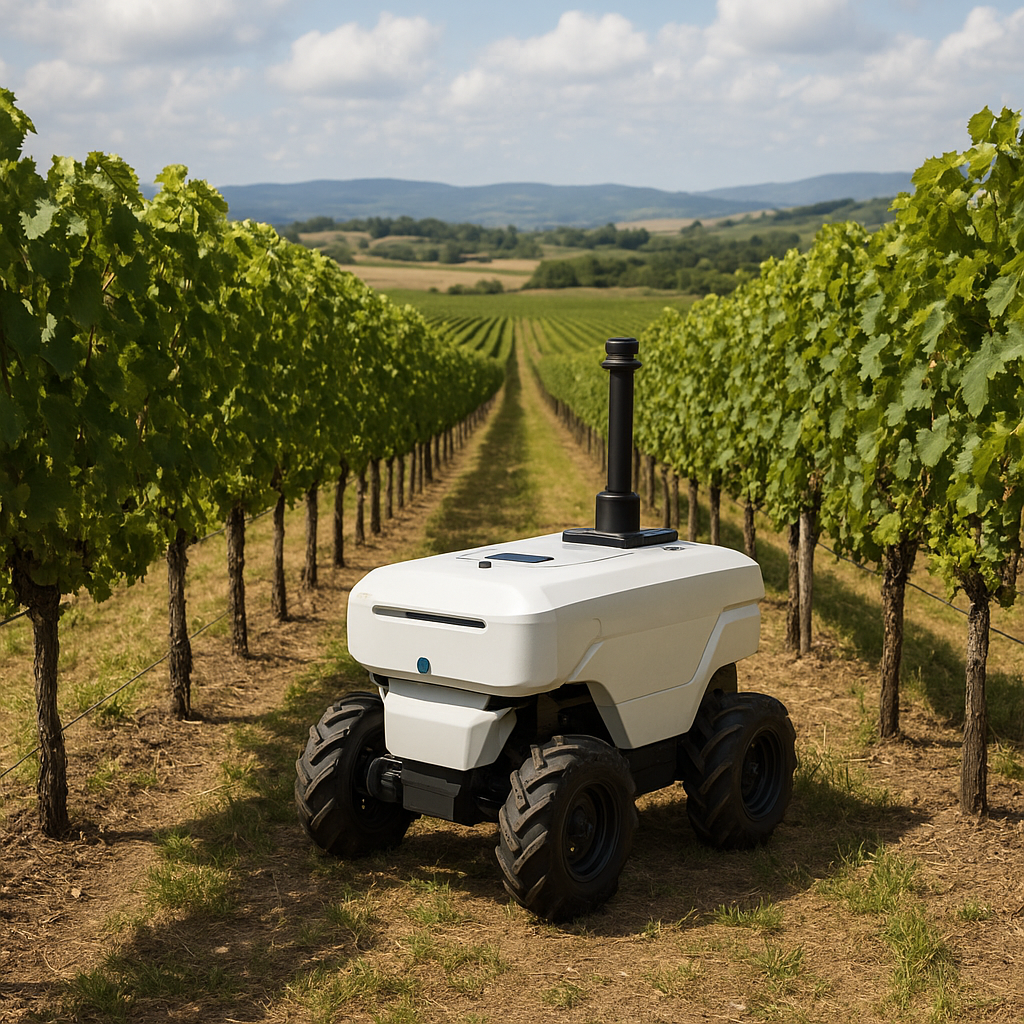
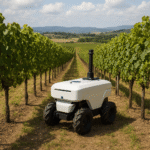
Several large-scale farms have already integrated autonomous tractors into their operations with impressive results. In the Midwest, a soybean and corn cooperative deployed a fleet of robotic tractors that collectively reduced seed usage by 8% through enhanced planting uniformity. Meanwhile, a vineyard in California utilizes specialized autonomous machines for precise pruning and canopy management, enabling better air circulation and disease control.
Another case involves a rice paddy in Asia, where autonomous tractors adapted to flooded fields using amphibious designs. These units performed both seeding and leveling tasks, slashing labor costs and speeding up the planting season. Such success stories demonstrate the adaptability of these machines across diverse crop types and geographic regions.
Economic and Environmental Impacts
Investing in autonomous tractors can yield significant economic benefits. Higher precision reduces input expenses, while continuous operation boosts output without additional labor costs. Studies show return on investment periods as short as two to three years for farms adopting robotic fleets. Additionally, smaller family farms can compete with larger operations by leveraging technology to scale productivity efficiently.
From an environmental perspective, autonomous tractors contribute to better soil health through controlled traffic farming and variable-rate applications. Reduced chemical overuse minimizes runoff and protects surrounding ecosystems. Furthermore, the ability to operate during nighttime hours allows for lower daytime traffic, reducing disturbance to wildlife and decreasing greenhouse gas emissions associated with idle machinery.
Challenges and Opportunities Ahead
Despite rapid advancements, several challenges remain. High upfront costs and the need for reliable network infrastructure can hinder adoption in remote or underserved regions. Training personnel to manage and troubleshoot autonomous systems requires new skill sets, prompting agricultural education programs to evolve. Cybersecurity is also a concern, as connected machines could be vulnerable to hacking or data breaches.
Looking forward, continuous improvements in battery technology and renewable energy integration may lead to fully electric autonomous tractors, further reducing carbon footprints. Collaborative swarms of smaller robots working in tandem could handle tasks currently reserved for large tractors, enhancing flexibility and reducing soil compaction even more. As research progresses, the synergy between efficiency, sustainability, and technological innovation promises to reshape global agriculture in profound ways.