
The integration of advanced technologies into modern agriculture is reshaping how farmers protect and manage their herds. Smart fencing solutions now combine cutting-edge electronics, wireless communication, and intelligent software to create robust barriers that keep livestock secure while reducing labor demands. By harnessing automated alerts, precision detection, and seamless remote control, agriculturalists can optimize fence performance and monitor animal movements with unprecedented accuracy. This article explores the transformative landscape of smart fencing, detailing the core components, implementation strategies, and future possibilities that promise to revolutionize livestock management.
The Smart Fencing Revolution
Traditional fencing methods have relied heavily on manual inspections, physical structures, and constant human oversight. However, as herd sizes grow and grazing lands expand, these approaches face numerous limitations. Smart fencing emerges as a groundbreaking alternative, weaving intelligence into every meter of boundary. At its heart, this revolution empowers farmers with digital insights that were previously available only in industrial or urban applications.
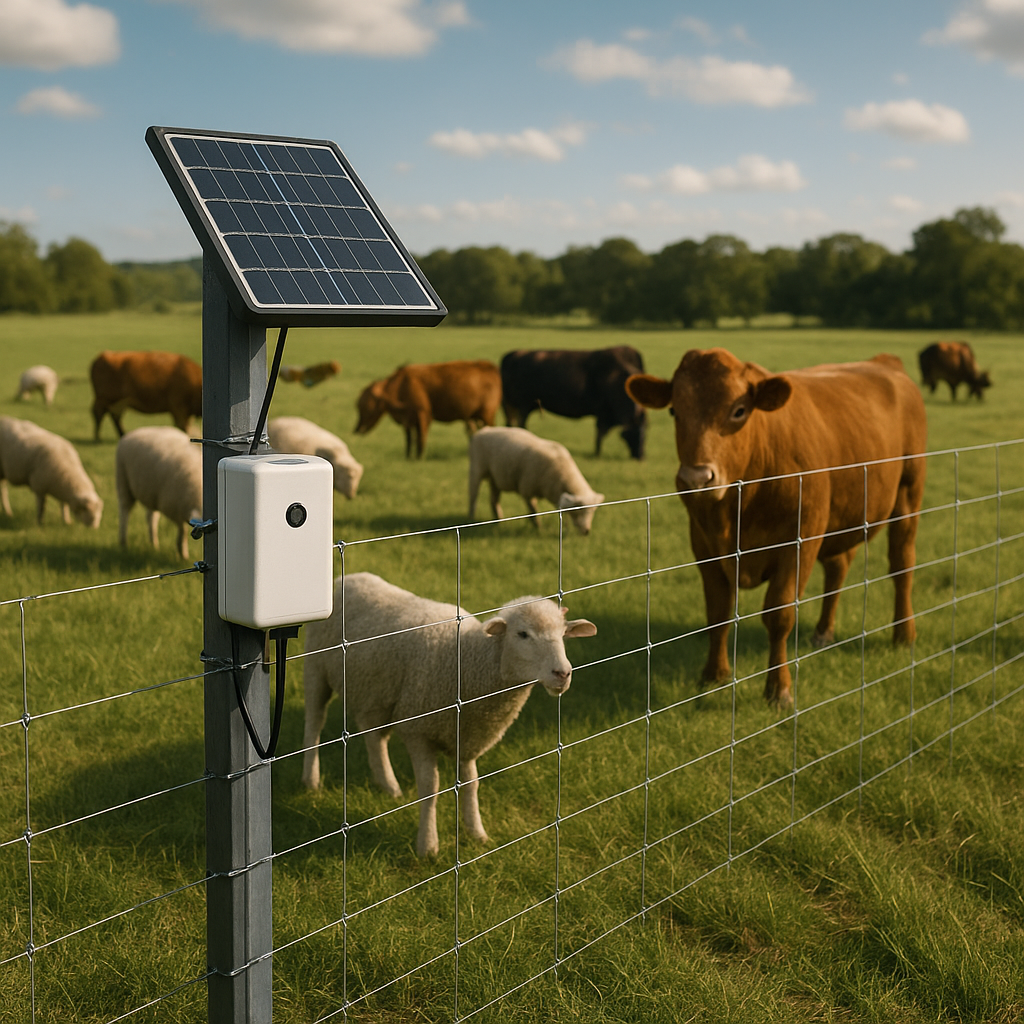
By embedding sensors and leveraging wireless networks, smart fences can detect breaches, voltage drops, and even unusual animal behavior. Solar-powered units now sustain long-range transmitters, ensuring that remote pastures remain connected to on-farm control centers. With the ability to send notifications directly to smartphones or dedicated dashboards, producers no longer need to traverse miles of terrain for routine checks. Instead, they receive real-time alerts when livestock approach compromised fence lines or unexpected environmental changes occur.
Key Technological Components
Sensor Arrays and Detection Modules
At the frontline of every smart fencing system are the sensor modules that continuously monitor fence integrity. These modules employ:
- Sensors for voltage and current measurement, identifying shorts or wire breaks.
- Environmental sensors that track temperature, humidity, and rainfall to anticipate weather-related damage.
- Motion detectors capable of distinguishing between wildlife, livestock, and human interference.
When a sensor anomaly is detected, an automated response can adjust voltage, activate deterrents, or trigger alarms. This proactive stance minimizes downtime and prevents costly herd escapes.
Connectivity and Communication Networks
Seamless connectivity is the backbone of smart fencing. Whether through LoRaWAN, cellular networks, or mesh radio protocols, data from field sensors must reach central servers reliably. Key communication features include:
- Redundant signal paths to maintain continuous data flow in remote or rugged landscapes.
- Encrypted data transmission to ensure field security and prevent hacking attempts.
- Edge computing nodes that preprocess sensor data, reducing bandwidth usage and response time.
By intelligently routing critical notifications, the system ensures that farmers receive alerts about potential breaches or power failures without delay.
Automation and Control Software
The orchestration of sensor inputs and actuator outputs hinges on sophisticated management platforms. These dashboards offer:
- Customizable threshold settings that define acceptable voltage ranges and behavioral patterns.
- Automated adjustment routines, such as voltage ramp-up during gusty winds or rainstorms to maintain fence performance.
- Integration with farm management software, allowing synchronized data analysis across irrigation, feed distribution, and health monitoring.
Through APIs and plugin modules, smart fencing suites can seamlessly communicate with drones, robotics, and other precision agriculture tools.
Advantages and Implementation Strategies
Smart fencing yields a host of benefits that extend beyond mere boundary enforcement. When properly deployed, these systems enhance livestock safety and overall farm productivity.
Improved Animal Welfare and Security
Continuous monitoring allows for rapid detection of injured or trapped animals. Automated alerts can prompt immediate intervention, reducing stress and potential losses. Additionally, dynamic voltage controls deter predators or trespassers without harming livestock, maintaining a humane protective barrier.
Labor Efficiency and Cost Savings
Routine fence patrols can consume significant manpower, especially on large or rugged ranches. Smart fencing reduces the time and labor required for inspections by automating diagnostic checks and pinpointing precise fault locations. Over time, lower repair costs and reduced animal loss translate into substantial savings.
Scalability and Adaptability
Modular design principles allow farmers to expand or reconfigure fencing routes seasonally. Temporary grazing areas or rotational pastures can integrate seamlessly into existing networks, with sensor nodes added or removed as needed. This flexibility supports both small family farms and large-scale commercial operations.
Addressing Challenges and Looking Ahead
Despite its many advantages, smart fencing also presents implementation challenges that must be managed carefully.
Power Management and Maintenance
Although solar panels and batteries sustain field units, extreme weather or prolonged overcast conditions can deplete energy reserves. Regular maintenance schedules and backup power strategies are essential to prevent system downtime. Remote diagnostics can forecast low-battery events, enabling preemptive servicing.
Data Analysis and Decision Support
Collecting vast streams of sensor data is beneficial only if it leads to actionable insights. Advanced data analytics tools, including machine learning algorithms, can identify patterns in animal movement, fence performance, and environmental influences. By turning raw metrics into decision-support recommendations, farmers can optimize grazing schedules and anticipate maintenance needs.
Integration with Emerging Technologies
The future of livestock management lies at the intersection of multiple innovations. Today’s smart fences are already communicating with drones that conduct aerial inspections, while tomorrow’s networks may link to autonomous ground vehicles for on-demand repairs. Remote management through cloud-based platforms and AI-driven predictive maintenance will further minimize manual interventions.
As the agricultural industry embraces digital transformation, smart fencing stands out as a prime example of how intelligence, automation, and connectivity can come together to solve longstanding challenges. By investing in these systems, producers not only safeguard their herds but also pave the way for a new era of precision livestock management.