Smart fertilization represents a transformative approach in modern agriculture, melding cutting-edge technologies with agronomic expertise to enhance crop production while safeguarding natural resources. By leveraging data-driven decision-making and real-time monitoring, farmers can optimize the application of fertilizers, minimize environmental impact, and boost overall efficiency. This article explores the key innovations, methodologies, and benefits of smart fertilization, illustrating how precision practices are revolutionizing sustainable food production on a global scale.
Harnessing Precision Technologies
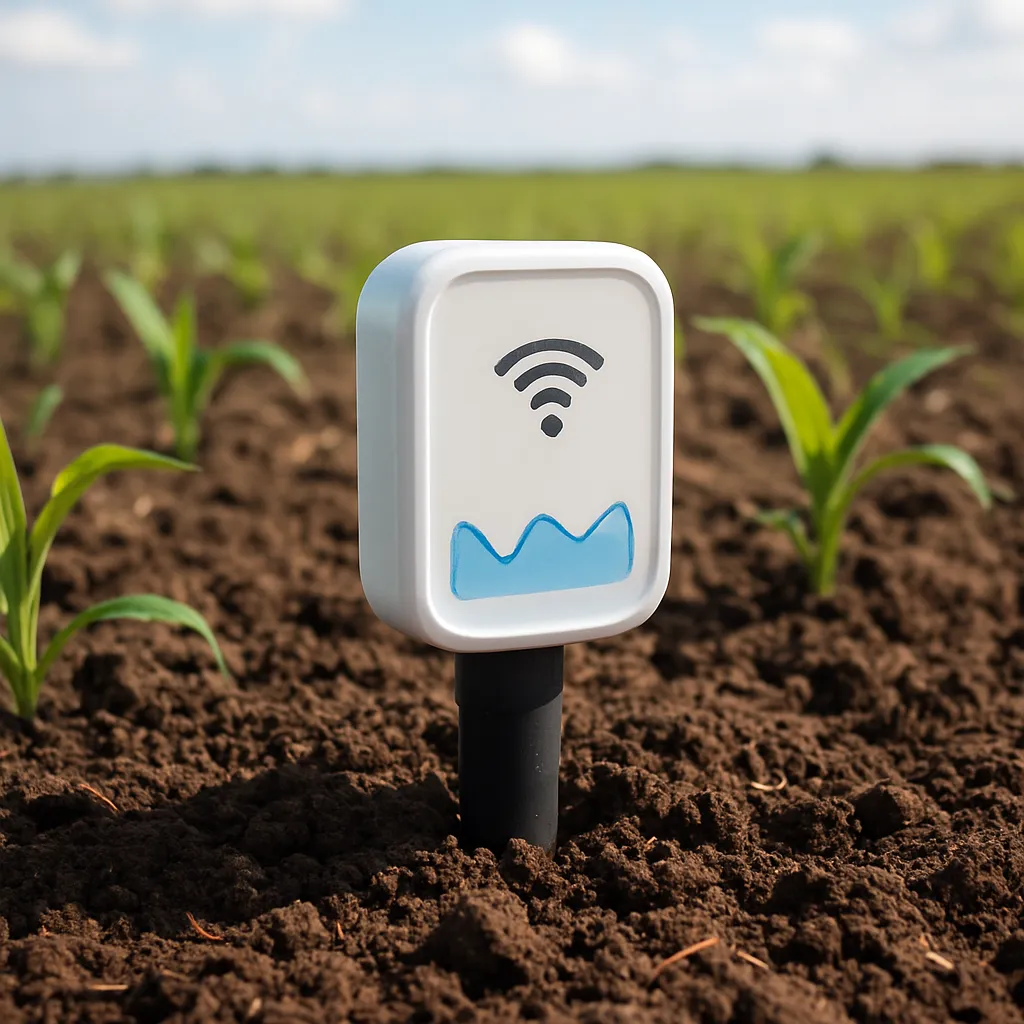
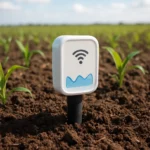
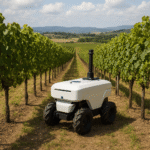
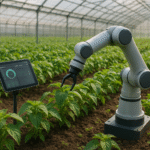
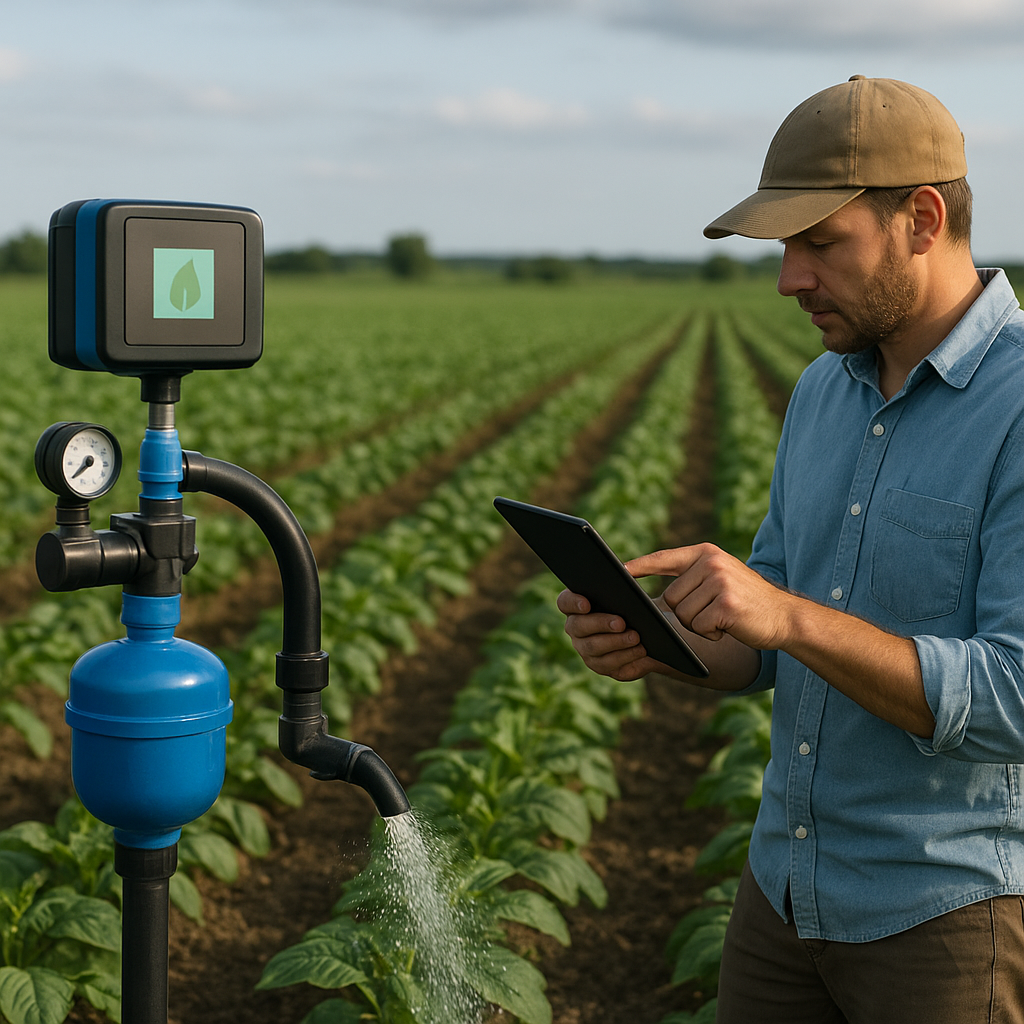
The foundation of smart fertilization lies in the integration of advanced hardware and software systems designed to assess field conditions with unparalleled accuracy. High-resolution soil sensors measure moisture, pH, electrical conductivity, and nutrient levels at numerous points across a farm. These data points feed into centralized platforms where powerful algorithms generate site-specific application maps. Farmers can then employ drone-mounted sprayers, variable-rate applicators, or robotic platforms to deliver just the right amount of fertilizer to each zone.
Key components include:
- Soil health sensors that detect macronutrients (nitrogen, phosphorus, potassium) and secondary elements critical to plant growth.
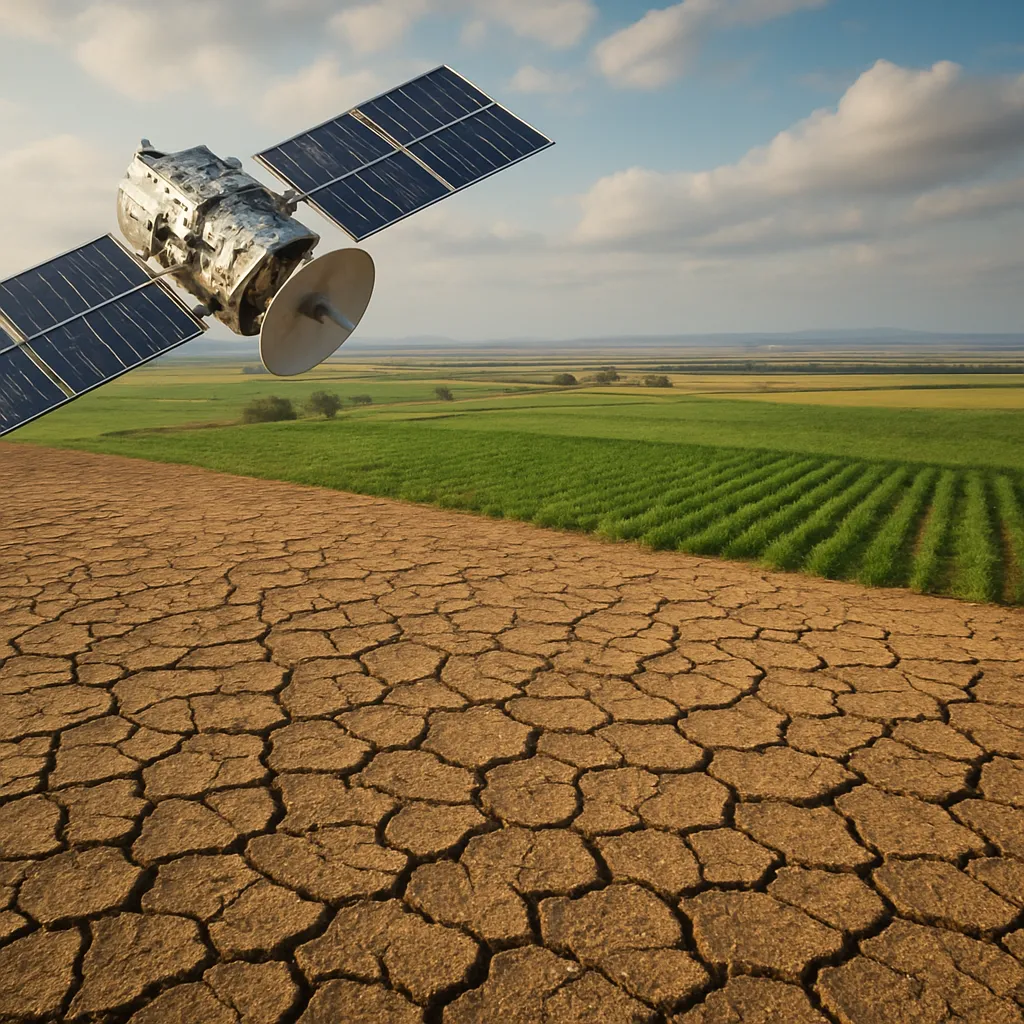
- Unmanned aerial vehicles equipped with multispectral cameras, enabling crop vigor analysis and early stress detection.
- Internet of Things (IoT) networks that allow real-time data transmission from remote fields to farm management software.
- Machine learning models that continuously refine recommendations based on historic performance and weather forecasts.
By harnessing these precision technologies, producers can eliminate blanket fertilizer applications, cutting waste and reducing the risk of nutrient leaching into surrounding ecosystems. This approach not only conserves resources but also ensures consistent nourishment for crops, leading to uniform growth and improved harvest quality.
Optimizing Nutrient Management Strategies
Smart fertilization goes beyond simply applying inputs; it emphasizes the dynamic management of nutrients throughout the crop lifecycle. Early-season soil testing establishes a baseline of nutrient availability, while periodic crop tissue analyses confirm uptake rates and highlight deficiencies before they become yield-limiting issues. This continuous feedback loop supports targeted interventions, such as foliar feeding or side-dressing operations, precisely timed to critical growth stages.
Nutrient optimization encompasses several vital practices:
- Split applications of nitrogen to match plant demand peaks, reducing the potential for gaseous losses and groundwater contamination.
- Integration of slow-release and stabilized fertilizers that maintain nutrient availability over extended periods.
- Use of micronutrient supplements (e.g., zinc, boron) in areas where soil tests reveal deficits.
- Incorporation of organic amendments like compost or biochar to enhance sustainability and long-term soil health.
These strategies rely on continuous monitoring and model-driven adjustments. Digital dashboards offer growers a holistic view of nutrient dynamics across their operations, enabling swift reallocation of resources in response to emerging needs. The result is a precise balance that maximizes crop productivity while safeguarding water quality and reducing the carbon footprint of fertilization practices.
Environmental and Economic Benefits
Smart fertilization delivers a compelling blend of ecological stewardship and economic advantage. By minimizing excessive fertilizer use, it curbs the emission of nitrous oxide—a potent greenhouse gas—and mitigates the formation of dead zones in aquatic systems. At the same time, farmers reap cost savings through reduced input expenses and improved resource use efficiency. Research has shown that precision nutrient management can cut fertilizer costs by up to 20% while raising yields by 10–15%, translating into significant profit gains on large-scale operations.
Highlights of these benefits include:
- Lower runoff of nitrates and phosphates, preserving the health of nearby rivers, lakes, and coastal areas.
- Enhanced resilience to climatic variability, as optimized nutrient supply strengthens plant defenses against drought, heat stress, and disease pressure.
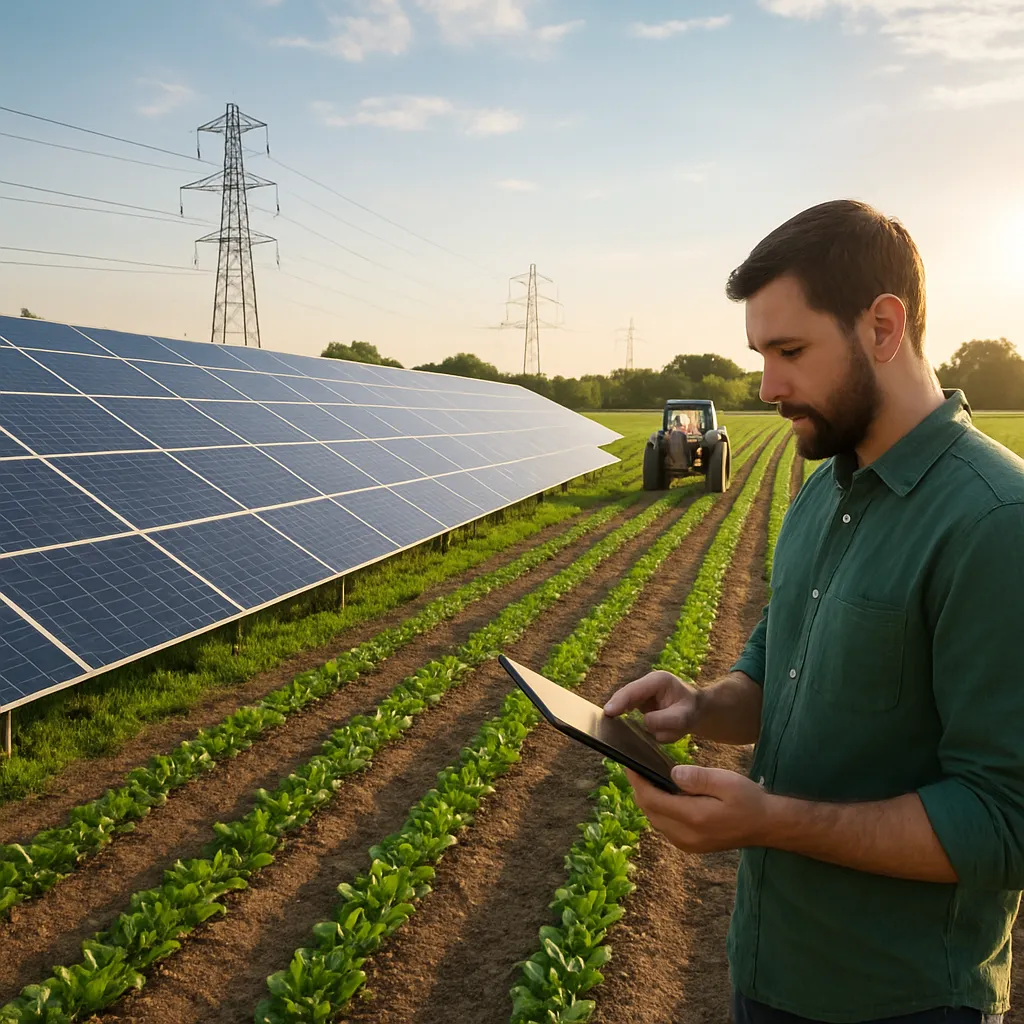
- Streamlined labor requirements, since automated systems handle much of the monitoring and application tasks.
- Improved marketability of crops when sustainability credentials are verified through traceable digital records.
Farmers are increasingly adopting smart fertilization to meet consumer demands for environmentally responsible production. Certification schemes and carbon credit programs often recognize these practices, offering additional revenue streams for those who can demonstrate verifiable reductions in emissions and nutrient losses.
Future Trends in Smart Fertilization
The evolution of smart fertilization continues at a rapid pace, driven by breakthroughs in sensor technologies, artificial intelligence, and connectivity. Next-generation developments will likely include nanotechnology-based fertilizers that release nutrients in response to specific plant signals and blockchain-enabled supply chains that track every gram of input from manufacturer to field. Partnerships between agritech startups, research institutions, and traditional equipment makers are fostering an ecosystem of innovation where interdisciplinary expertise yields creative solutions.
Emerging trends to watch:
- Edge computing on farm machinery, allowing real-time processing of sensor data without reliance on remote servers.
- Integration of weather drones and ground robots that work in concert to monitor microclimates and apply fertilizers accordingly.
- AI-driven simulators that model nutrient flows under diverse scenarios, helping farmers plan multi-year crop rotations with precision.
- Enhanced stakeholder collaboration platforms that align growers, agronomists, and environmental agencies around shared goals in resource stewardship.
As these innovations mature, the barriers to entry for smallholder farms will diminish, democratizing access to high-tech solutions. Ultimately, smart fertilization stands poised to become a cornerstone of regenerative agriculture practices worldwide, ensuring that future generations inherit a productive and thriving environment.