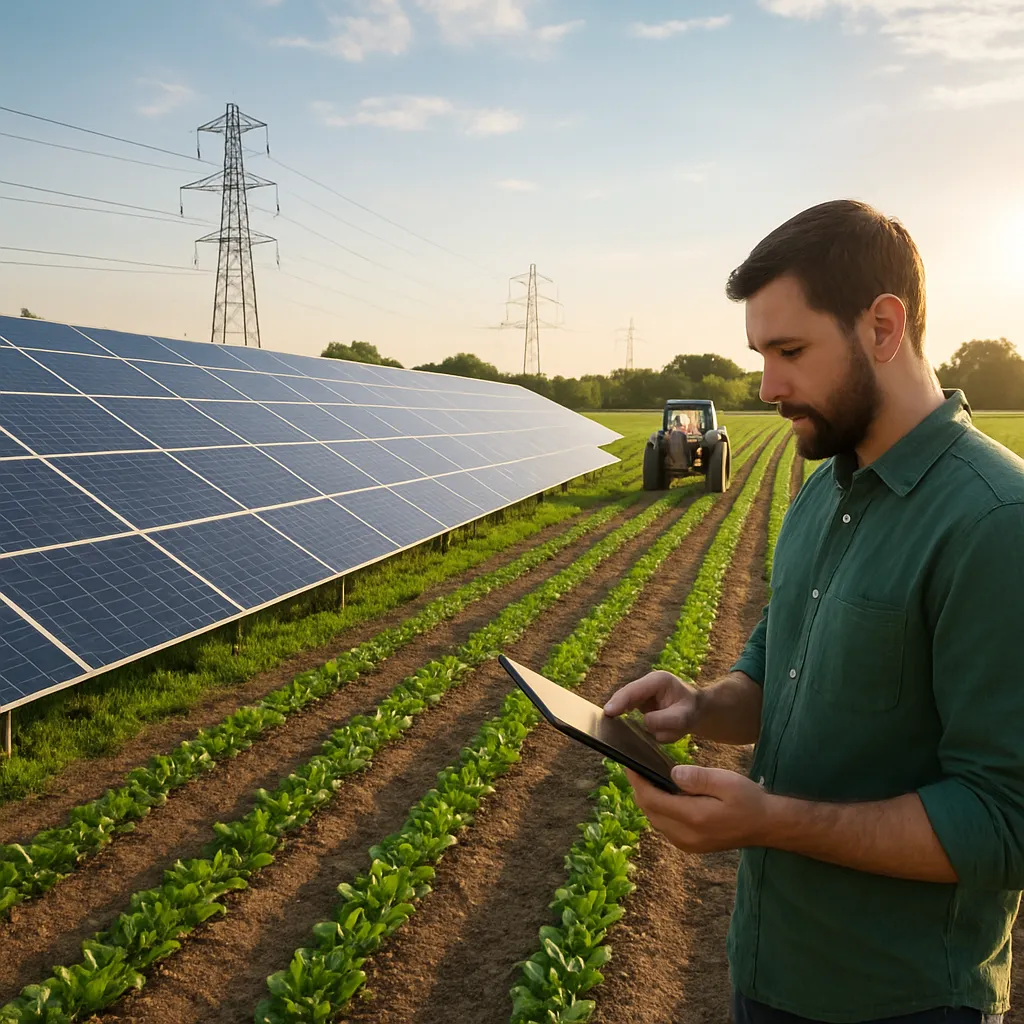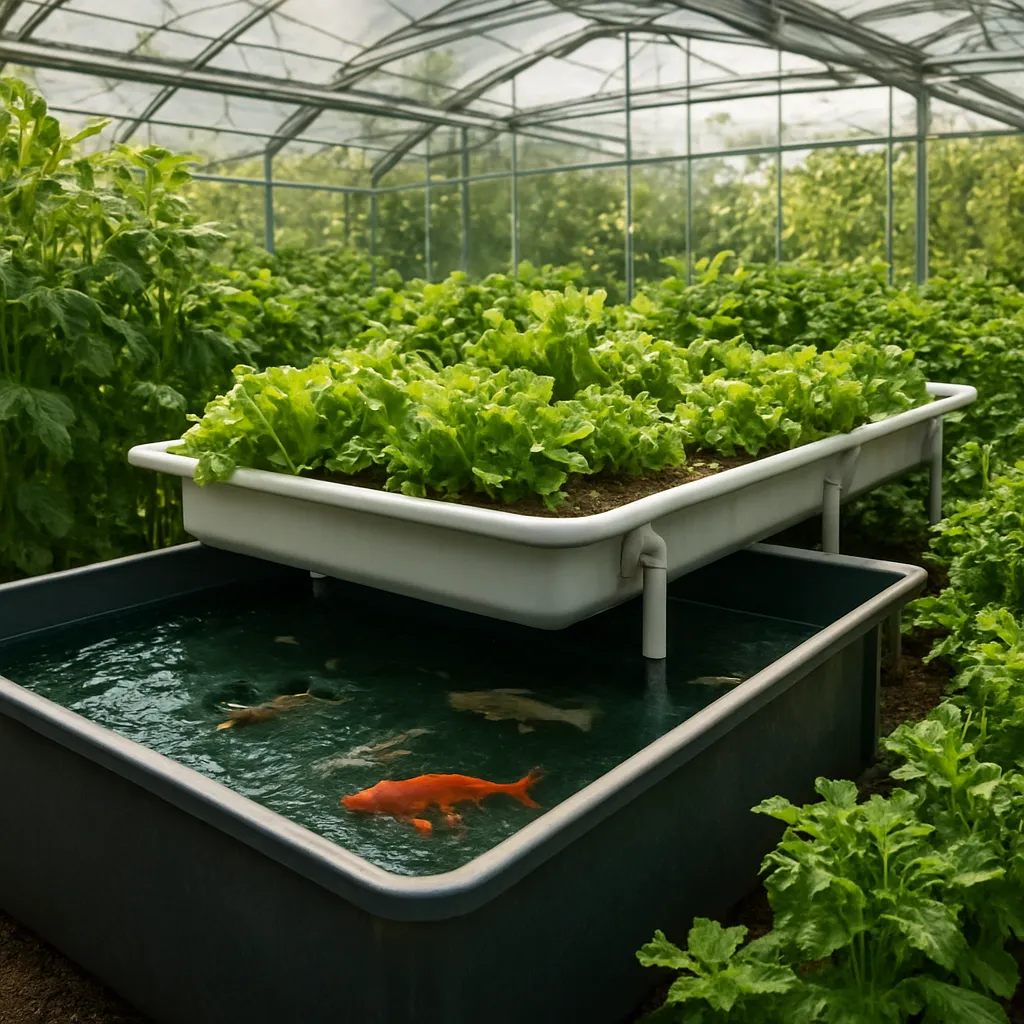
Embracing the revolution of modern agriculture, smart irrigation systems offer a transformative avenue for water management and crop health. Integrating cutting-edge technologies, these systems enable farmers to fine-tune water delivery, enhance resource utilization, and maximize yields. By leveraging real-time data and automated controls, agricultural stakeholders can address environmental challenges and drive profitability.
Principles of Smart Irrigation
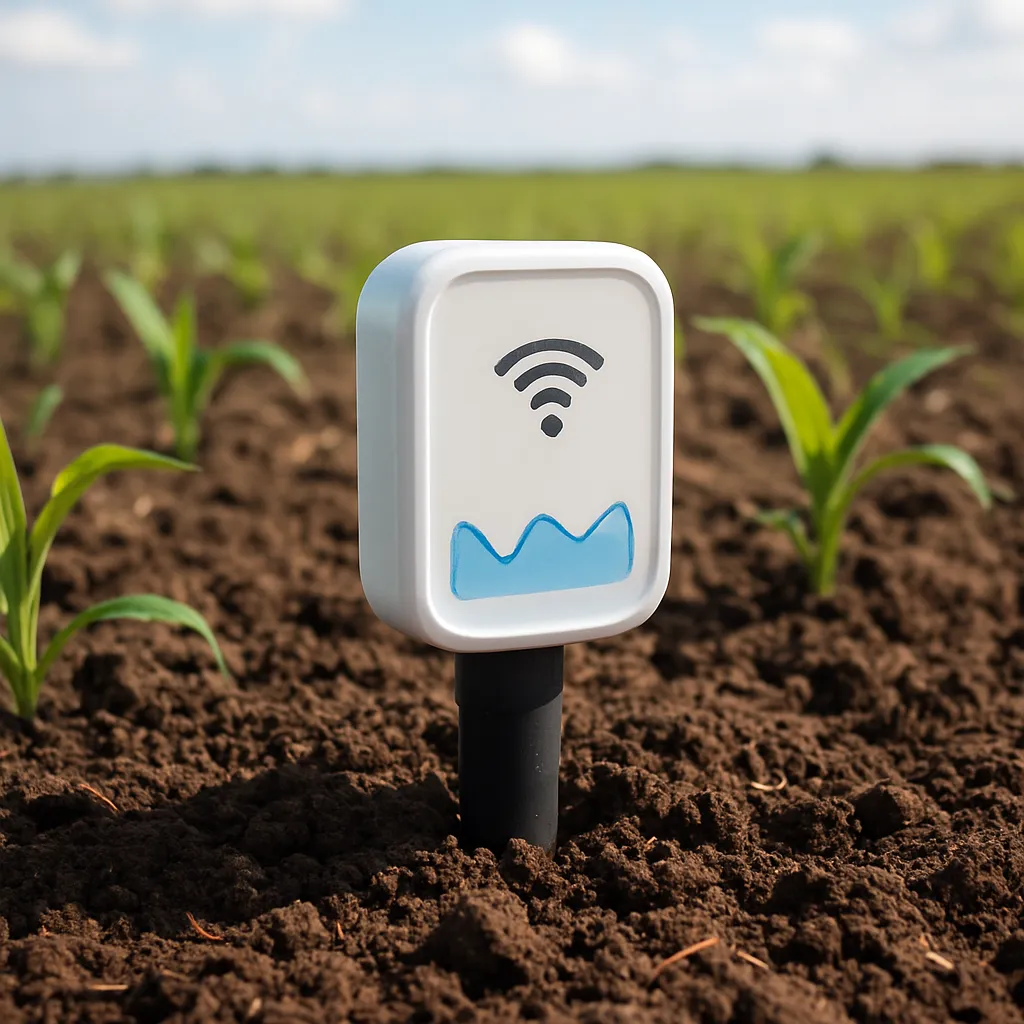
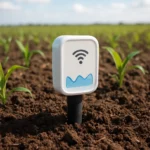
The foundation of any advanced irrigation strategy lies in understanding soil moisture dynamics and plant water requirements. Through the deployment of sensors in the field, one can continuously monitor moisture levels, temperature, and even nutrient content. This approach moves beyond traditional fixed schedules, ushering in an era of truly precision watering. Key principles include:
- Soil-based feedback loops that trigger irrigation events only when necessary.
- Weather forecasting integration to adapt schedules ahead of rain or heat waves.
- Plant-specific algorithms that cater to varying transpiration rates.
By combining these elements, farmers gain a holistic view of their fields. Data-driven insights into evapotranspiration rates and root-zone moisture ensure that crops receive the optimal water dose, avoiding both under- and over-irrigation. Ultimately, embracing these principles fosters agricultural sustainability and resilience against unpredictable climatic patterns.
Technological Components
Smart irrigation solutions hinge on a robust ecosystem of hardware and software. The primary components include:
- Sensors: Soil moisture probes, leaf wetness meters, and ambient weather stations collect granular data points across diverse microclimates.
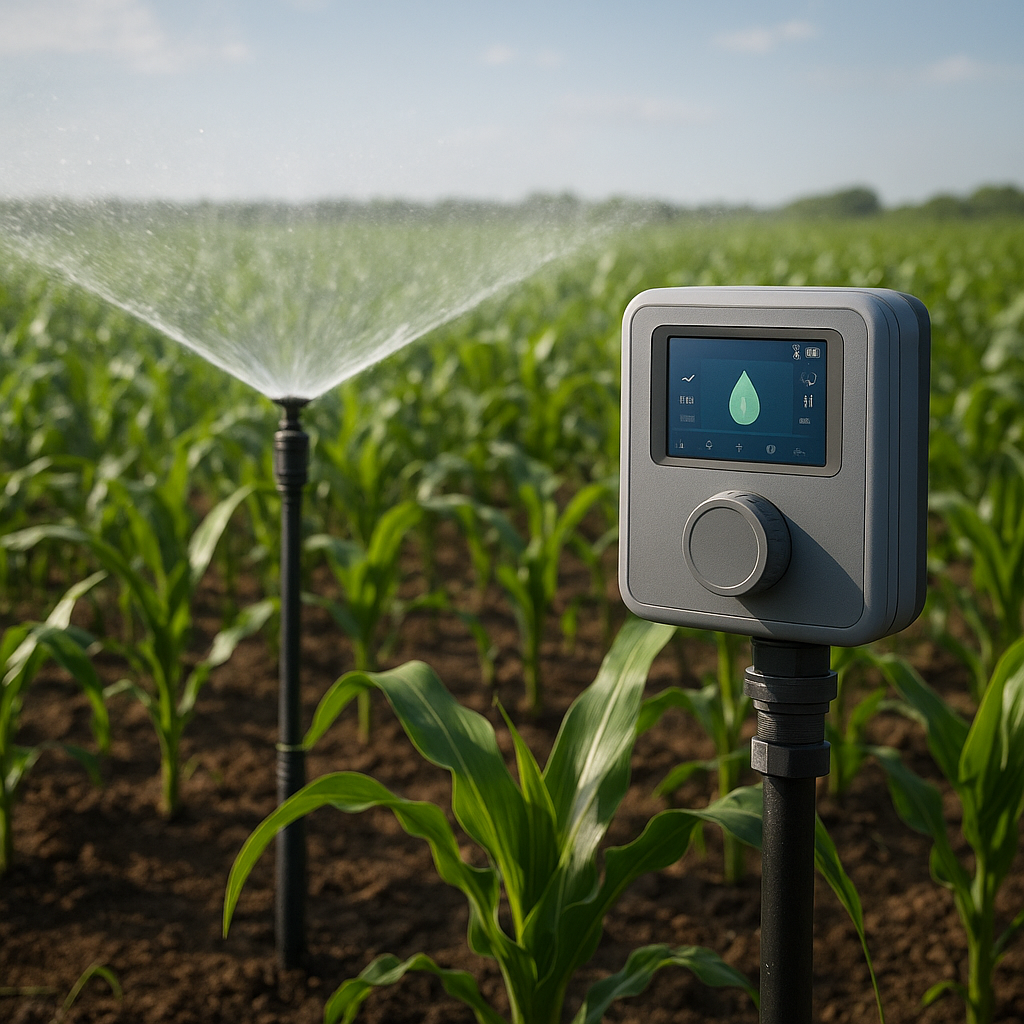
- Controllers: IoT-enabled valves and pumps respond to digital instructions, automating water delivery with high efficiency.
- Analytics Platforms: Cloud-based dashboards aggregate sensor feeds, generate predictive models, and issue actionable recommendations to farm managers.
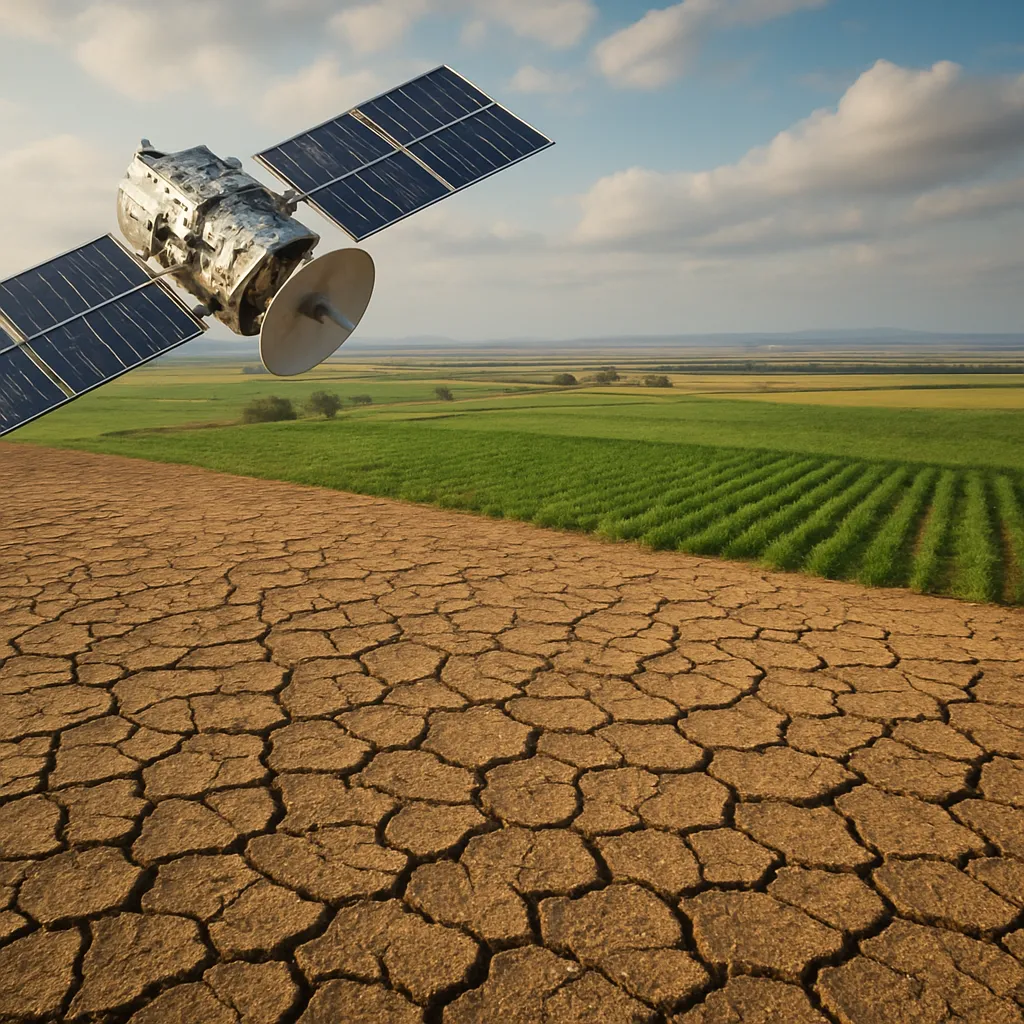
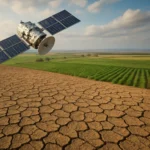
- Connectivity Infrastructure: Low-power wide-area networks (LPWAN), cellular modems, and satellite uplinks ensure seamless data exchange even in remote areas.
Integrating these components yields a cohesive system capable of orchestrating irrigation cycles with unparalleled accuracy. For instance, moisture sensors buried at varying depths provide layered insights, enabling the system to tailor irrigation volume and duration for root development and surface retention. In addition, machine learning algorithms can analyze historical trends, further refining water schedules over time.
Implementation Strategies
Transitioning to a smart irrigation framework demands careful planning and strategic execution. Below are essential steps to ensure a successful deployment:
Site Assessment and Planning
- Conduct a soil survey to determine texture, composition, and water-holding capacity.
- Map field topography to identify high and low zones, which influence water runoff and pooling.
- Evaluate existing infrastructure, such as pumps, pipes, and energy sources, to assess compatibility with automated equipment.
System Design and Configuration
- Select sensor types and locations to capture representative environmental conditions.
- Define irrigation zones, grouping crops with similar requirements to simplify control logic.
- Establish data communication pathways, choosing between wired networks, cellular, or satellite based on coverage and budget.
Calibration and Testing
- Perform a dry run, simulating irrigation triggers to validate sensor thresholds and controller responses.
- Adjust valve flow rates and pressure settings to achieve uniform distribution.
- Monitor initial cycles closely, collecting data to fine-tune system parameters and ensure reliability.
By adhering to these steps, stakeholders can minimize downtime and ensure that the system delivers water exactly when and where crops need it most. Moreover, establishing clear protocols for maintenance, sensor cleaning, and software updates will prolong the system’s lifespan and safeguard long-term performance.
Challenges and Future Directions
Despite the clear benefits, adopting smart irrigation is not without hurdles. Some of the most common challenges include:
- High upfront capital investment for sensors, controllers, and communication hardware.
- Technical complexity requiring skilled labor to install, calibrate, and maintain devices.
- Data security concerns, as agricultural operations become targets for cyber threats.
- Interoperability issues among devices from different manufacturers.
However, ongoing research and innovation promise to address these barriers. Emerging trends include ultra-low-power sensors that run for years without battery replacement, open-source protocols fostering interoperability, and blockchain-based data security frameworks. Additionally, advances in edge computing are bringing decision-making closer to the field, reducing latency and bandwidth costs.
Looking ahead, the convergence of robotics and smart irrigation may revolutionize field operations. Autonomous drones equipped with multispectral cameras could scan crops for early signs of stress, directing mobile irrigation robots to specific hotspots. This integrated approach would elevate resource conservation while boosting overall farm productivity.
As climate variability intensifies and water scarcity becomes more pronounced, the agricultural sector must pivot toward resilient, technology-driven solutions. By harnessing the power of automation and informed decision-making, smart irrigation systems stand poised to redefine sustainable farming and secure food supplies for generations to come.