
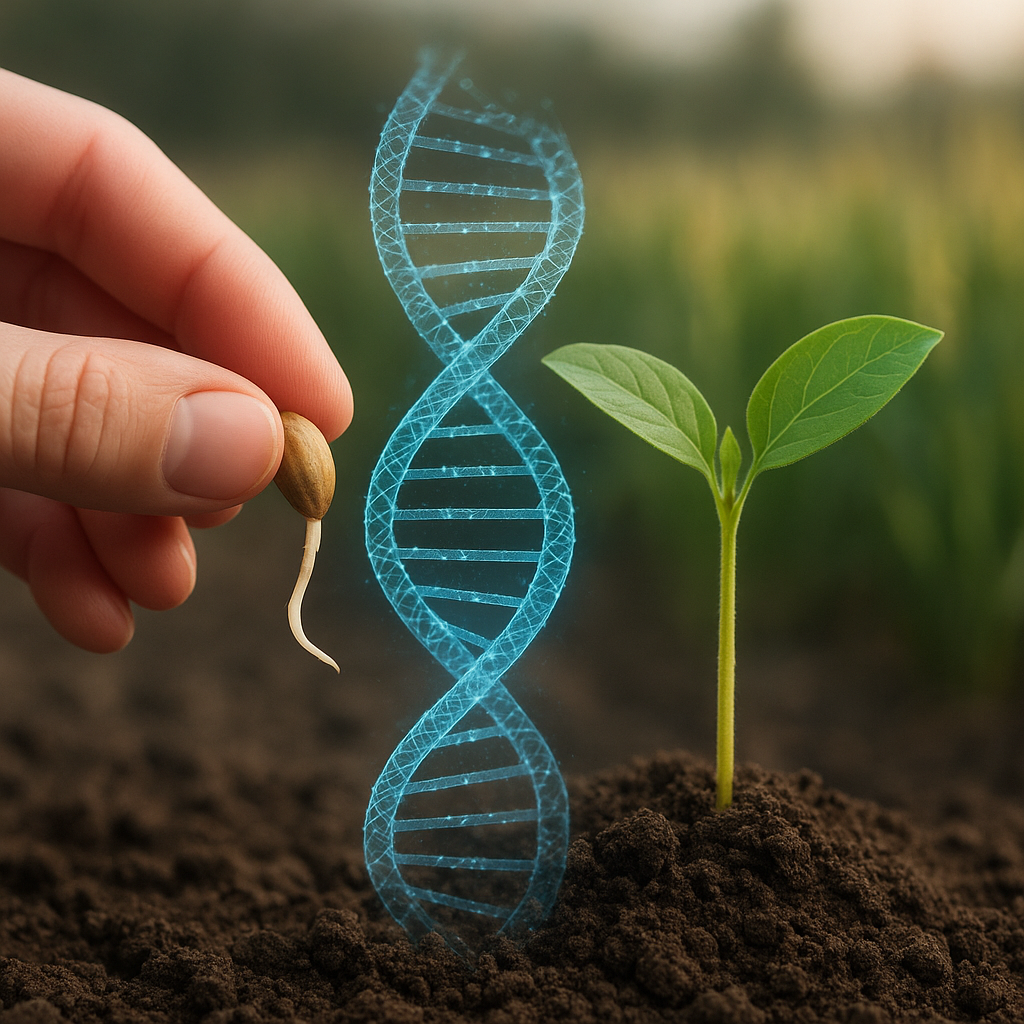
The intersection of advanced genetics and modern farming has sparked a revolution in crop development. By decoding plant DNA and applying cutting-edge tools, Smart Seeds empower farmers to cultivate varieties that thrive under harsh conditions, resist pests, and boost productivity. This article explores how genomics, precision breeding, and biotechnology are reshaping global agriculture, offering pathways toward enhanced sustainability and food security.
The Genome Revolution in Agriculture
Plant science has entered an era where every nucleotide counts. High-throughput sequencing platforms generate terabytes of data that reveal genes responsible for traits such as drought tolerance, nutrient uptake, and disease resistance. Through data-driven analysis, researchers can pinpoint candidate regions in the genome and track beneficial alleles across diverse lines.
- Genome-wide association studies (GWAS) link genetic markers to phenotypic variation in field trials.
- Pan-genome assemblies capture the full spectrum of diversity within a species, eliminating reference bias.
- Marker-assisted selection accelerates traditional breeding by screening seedlings for favorable genotypes.
These techniques reduce breeding cycles from decades to mere years, enabling breeders to stack multiple traits—such as enhanced yield and improved nutritional profiles—into a single cultivar.
Harnessing Genetic Data for Improved Crop Traits
Modern breeding programs leverage vast datasets to tailor crops to specific environments and management practices. Customized seed portfolios now include:
- Climate-resilient hybrids that tolerate heat waves, flooding, or saline soils.
- Varieties with built-in resistance against insects, fungi, and viruses, reducing pesticide use.
- Plants engineered for superior nutrient use efficiency, optimizing nitrogen and phosphorus uptake to cut fertilizer dependency.
By integrating field sensor networks and remote imaging, breeders can perform high-throughput phenotyping, capturing growth rates, canopy temperature, and stress responses at critical development stages.
Advanced Techniques: CRISPR and Beyond
Genome editing has revolutionized the speed and precision with which traits can be modified. The CRISPR/Cas9 system enables targeted gene knockout, while next-generation editors perform:
- Base editing: converting one DNA base to another without double-strand breaks.
- Prime editing: introducing precise insertions, deletions, or base changes guided by an RNA template.
- Epigenome editing: modulating gene expression by chemically modifying histones or DNA methylation marks.
Regulatory landscapes vary by region. Some countries classify certain edits as non-GMO if the final product lacks foreign DNA. Nonetheless, ethical debates and biosafety assessments remain crucial to maintaining public trust.
Digital Agriculture and Big Data Integration
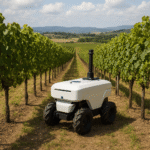
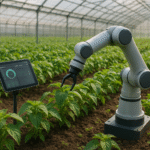
Agritech innovations harness the power of sensors, drones, and artificial intelligence to optimize crop management. Key components include:
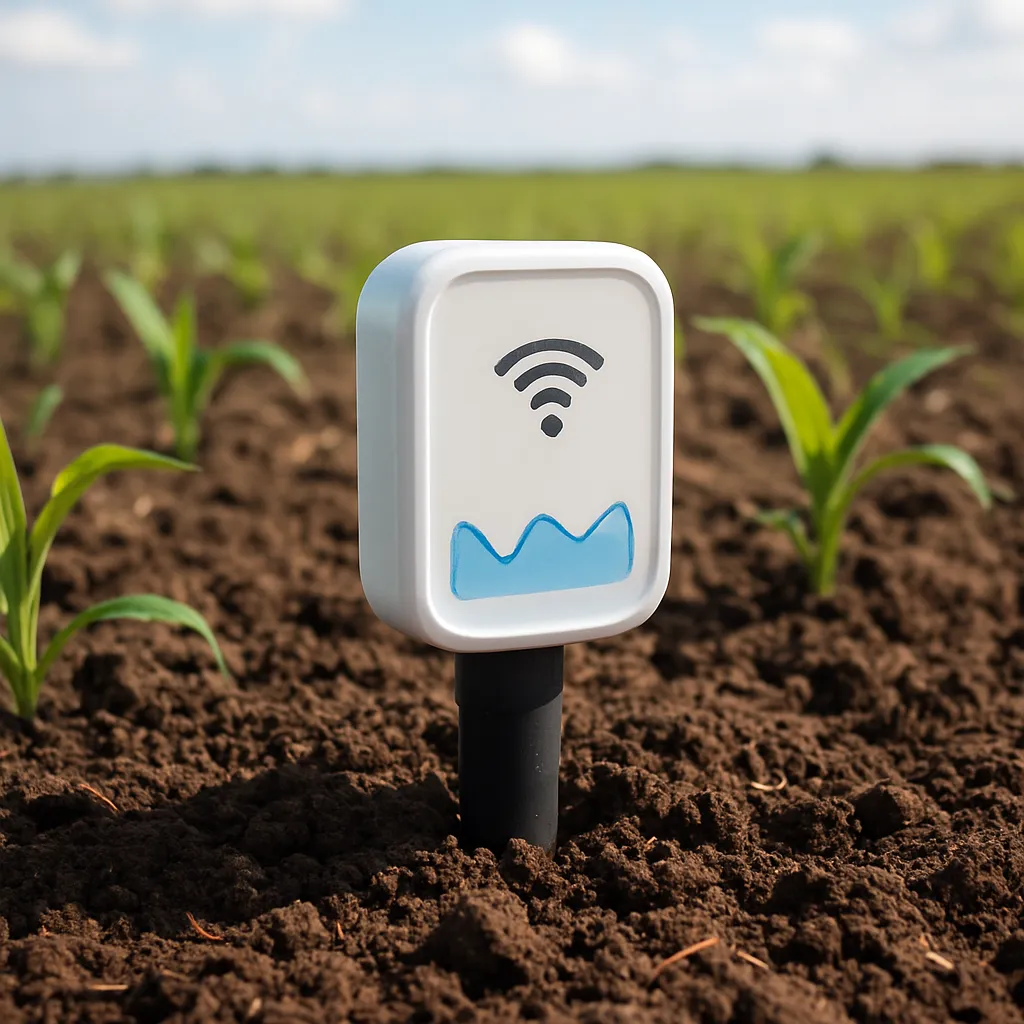
- Internet of Things (IoT) devices monitoring soil moisture, nutrient levels, and microclimates in real time.
- Unmanned aerial vehicles (UAVs) equipped with multispectral cameras for disease scouting and biomass estimation.
- Machine learning algorithms that analyze imagery and sensor data to predict yield outcomes and recommend interventions.
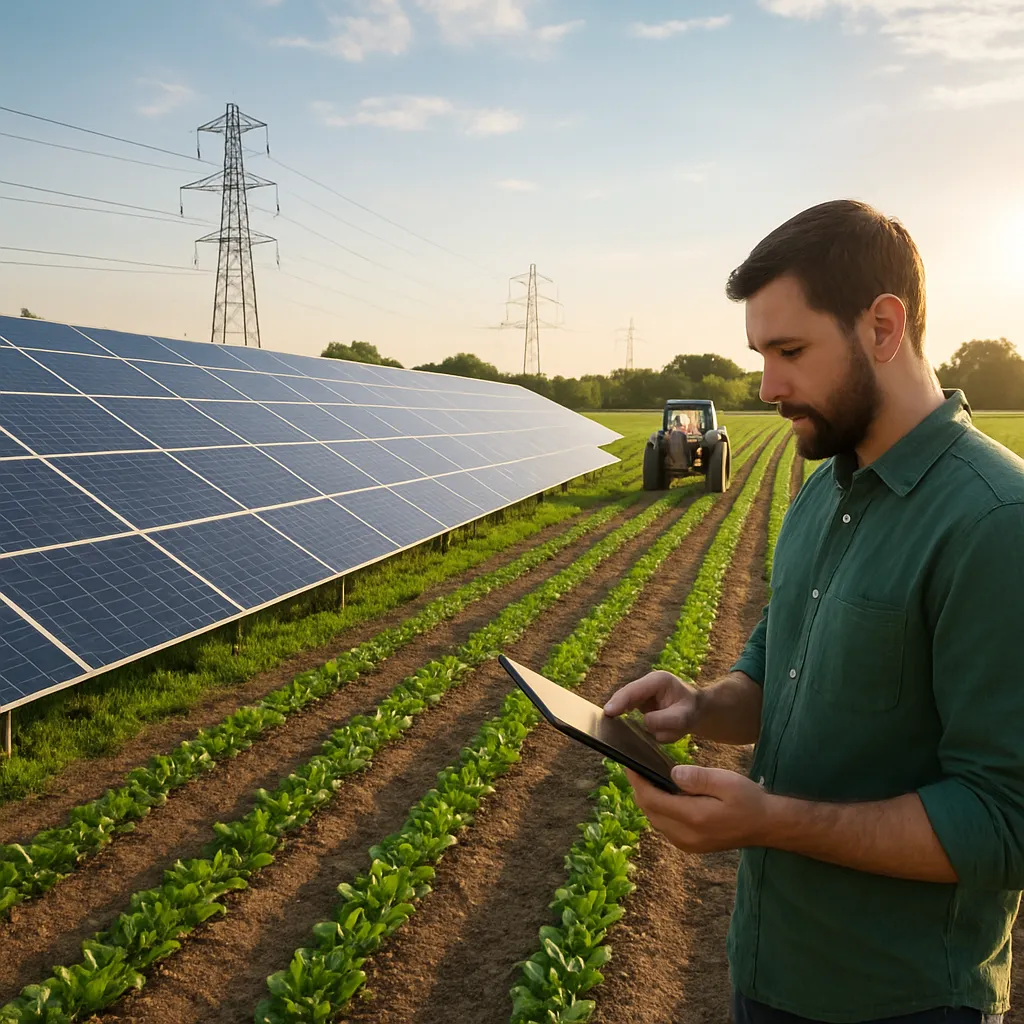
By fusing innovation in hardware with cloud-based analytics, farmers can implement site-specific practices, apply inputs only where needed, and respond proactively to emerging threats.
Scaling Impact: From Lab to Field
Translating lab breakthroughs into on-farm success demands robust partnerships between public institutions, private companies, and farmer cooperatives. Strategies to accelerate adoption include:
- Demonstration trials showcasing the performance of new cultivars under local conditions.
- Open-access databases sharing genotype-to-phenotype correlations and best practices.
- Extension services providing training in molecular-assisted selection and digital tools.
Engagement with smallholder farmers ensures that innovations address real-world challenges, from erratic rainfall patterns to soil degradation.
Emerging Frontiers in Crop Genetic Design
Future directions in smart agriculture involve:
- Integration of microbiome engineering to promote beneficial plant–microbe interactions for disease suppression and nutrient mobilization.
- Synthetic biology approaches to introduce novel metabolic pathways, enabling crops to produce pharmaceuticals, biofuels, or specialty chemicals.
- Climate simulation modeling to forecast trait performance decades ahead, guiding preemptive breeding for future environments.
Continued investment in interdisciplinary research, from genomics to agronomy, will be essential to nurture the next generation of biotechnology-driven solutions and secure resilient food systems for a growing population.