
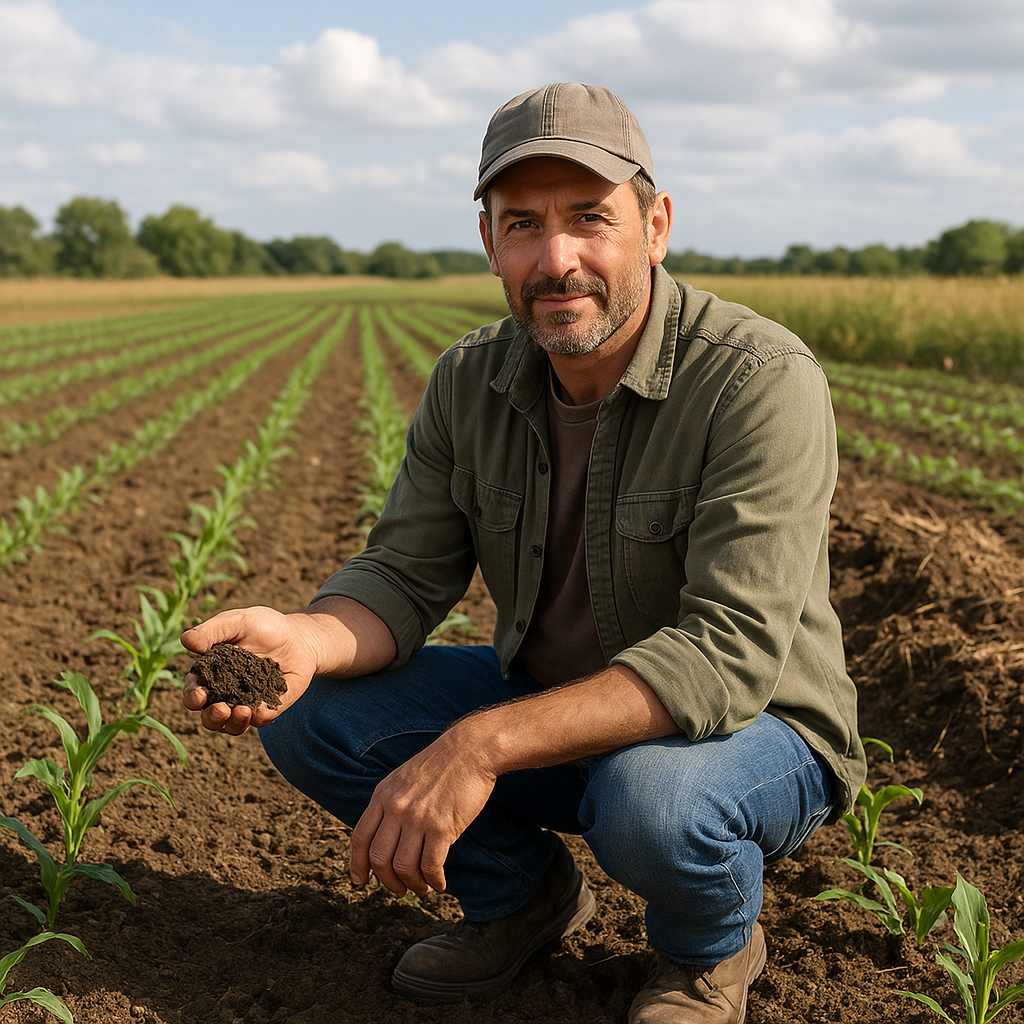
The quest for thriving agricultural landscapes drives the exploration of soil as a living ecosystem rather than inert dirt. Farmers, researchers, and policymakers are increasingly focused on strategies that foster long-term productivity and environmental balance. By emphasizing the restoration of vital soil functions, impressive farming ventures can achieve higher yields, greater adaptability to climate shifts, and enhanced ecosystem services. This article delves into practical methods and forward-looking philosophies that shape sustainable soil management in the 21st century.
Understanding Soil Health
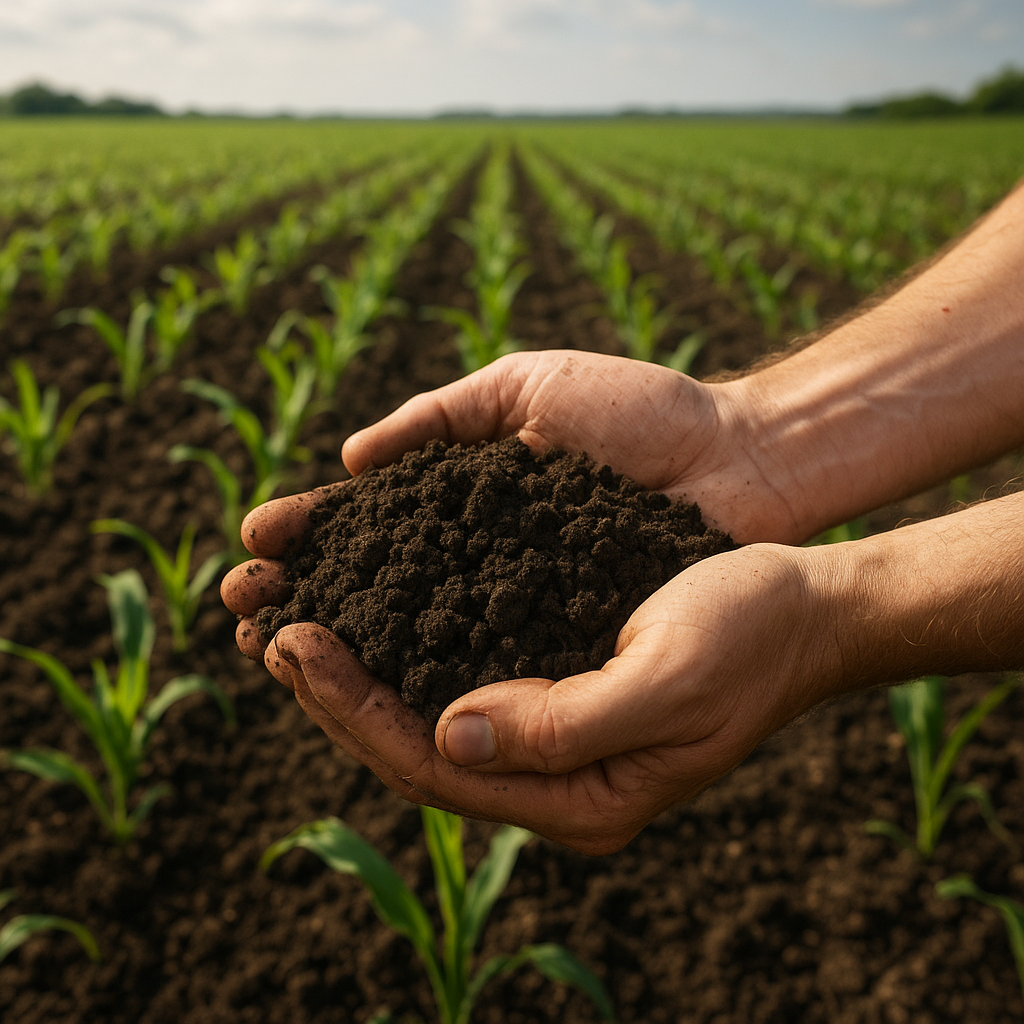
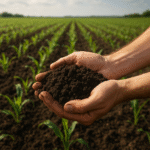
Healthy soil is the foundation of any successful agricultural enterprise, serving as the medium for root growth, water retention, and nutrient supply. Key metrics such as texture, structure, and biological activity interact to determine overall fertility. Embracing a holistic view that values biodiversity within the soil biome encourages beneficial microbes, earthworms, and fungi to contribute to nutrient transformations and disease suppression. A diverse soil community underpins system-wide resilience against drought, erosion, and pest pressure.
Historically, intensive tillage and monoculture practices have degraded soil profiles by disrupting natural aggregates and depleting organic reserves. Modern approaches invert that paradigm through techniques aimed at regeneration—rebuilding pore networks and enhancing water infiltration. Observational studies demonstrate that integrating perennial cover, minimal disturbance, and targeted nutrient additions can rebuild structure within just a few seasons. The result is land that retains moisture during dry spells and drains excess water during heavy rainfall events.
Long-term soil health monitoring relies on both conventional laboratory tests and in-field assessments, such as infiltration rates, aggregate stability, and earthworm counts. Establishing baseline parameters for pH, cation exchange capacity, and organic carbon content provides benchmarks against which improvement strategies can be measured. By prioritizing continuous evaluation, farmers can adjust cropping sequences and amendment rates to maintain optimal conditions.
Innovative Soil Management Techniques
Advancements in agronomy have led to a suite of practices designed to enhance soil organic reserves, improve nutrient dynamics, and minimize environmental footprints. Among these, conservation tillage and no-till systems stand out for their ability to preserve soil structure and reduce fuel consumption. When combined with strategic residue retention, these methods slow erosion and foster the accumulation of organic matter at the surface, providing a buffer against temperature extremes.
Key components of a regenerative toolkit include:
- Cover cropping to maintain living root networks, protect soil from impact, and contribute nitrogen through legumes.
- Nutrient cycling frameworks that recycle crop residues, animal manures, and biochar to feed soil life.
- Composting of green waste and manure to produce stable humus that reduces reliance on synthetic fertilizers.
- Adaptive water management, such as micro-irrigation or swales, to optimize moisture distribution and prevent salinization.
- Integrating livestock grazing in cropping rotations to stimulate microbial activity and incorporate manure evenly.
Another transformative approach is the use of multi-species cover blends that outcompete weeds, fix atmospheric nitrogen, and sequester carbon below ground. Field trials indicate that rotating cover crop cocktails with cash crops not only increases yields but also generates systemic benefits—such as improved soil tilth and reduced pest incidence—without resorting to harsh chemical inputs.
Integrating Technology and Tradition
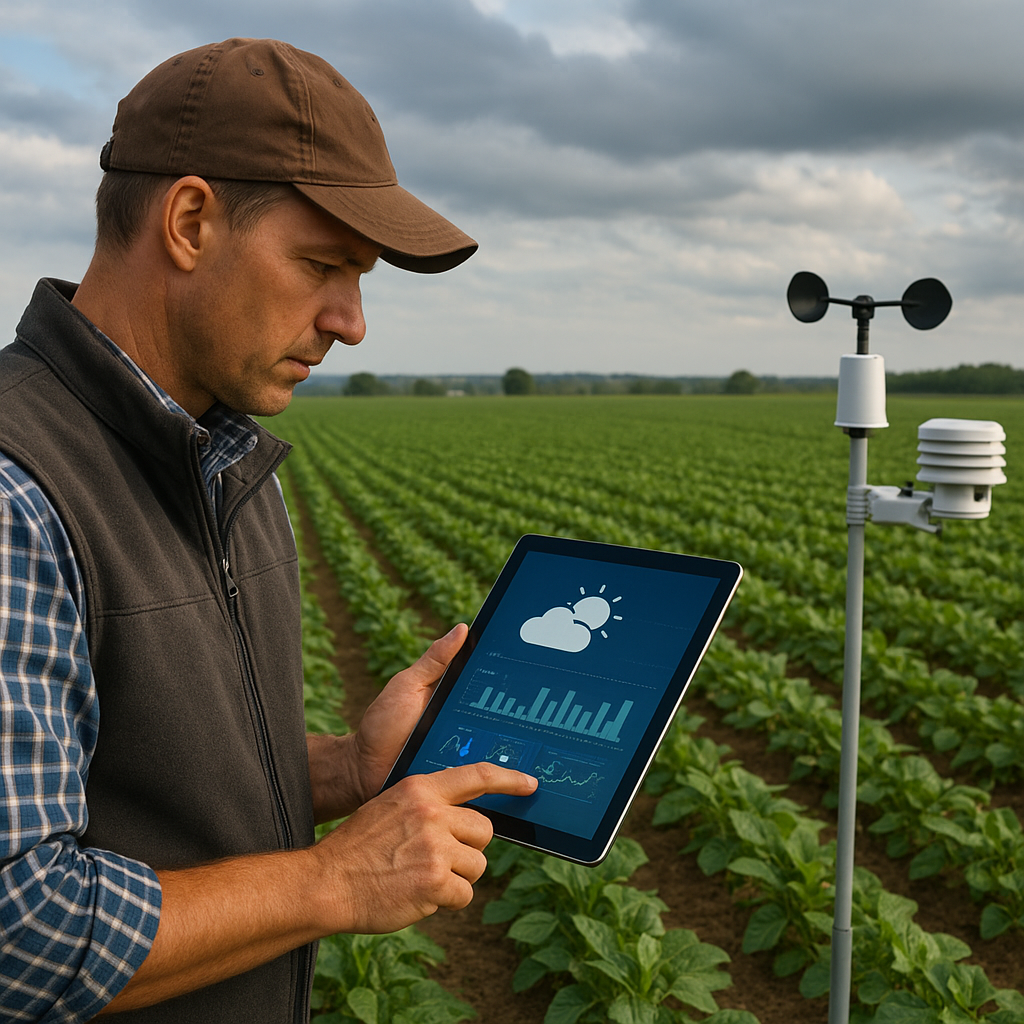
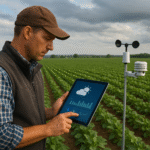
While centuries-old wisdom offers a wealth of management insights, emerging technologies provide unprecedented precision and scalability. Remote sensing, for instance, allows growers to monitor plant stress and soil moisture variability across expansive plots. When paired with variable-rate applicators, this data can deliver water and nutrients exactly where needed, minimizing waste and environmental runoff. By championing precision agriculture, farms can achieve both economic and ecological gains.
Digital platforms and decision-support tools facilitate real-time analysis of soil test results, weather forecasts, and market trends. By integrating local indigenous knowledge—such as crop sequences proven over generations—into these high-tech systems, growers can craft context-specific solutions. Traditional practices like agroforestry and contour farming complement modern sensors to create resilient landscapes that thrive under shifting climatic patterns.
Collaborative networks and open-source databases further democratize access to soil expertise, enabling smallholders and large-scale producers alike to benefit from shared research. Mobile applications that map field variability, track amendment histories, and predict disease outbreaks empower stakeholders to take proactive measures. This synergy of ancestral insight and digital innovation redefines what impressive agriculture can accomplish.
Future Directions in Soil Stewardship
Looking ahead, the emphasis on circularity and climate mitigation will propel soil management into new frontiers. Practices that enhance soil conservation and draw down carbon—such as deep-rooted perennials and managed grazing—will play pivotal roles in national decarbonization agendas. Novel soil inoculants and bio-stimulants, engineered to stimulate specific microbial pathways, promise targeted boosts in nutrient availability and plant health.
Emerging research explores the potential of remote soil sensing with drones and spectral imaging to assess organic content, pH, and moisture without physical sampling. Coupled with machine learning algorithms, these methods can predict soil behavior under different management regimes, guiding adaptive interventions before issues escalate. The ongoing refinement of these technologies will sharpen our ability to steward soils at scale.
Ultimately, the convergence of ecological principles, technological prowess, and community engagement will define the next chapter of soil management. By elevating soil from a passive substrate to an active carbon sink and biodiversity reservoir, agriculture can transition to systems that are both productive and regenerative. Embracing this mindset ensures that future generations inherit landscapes teeming with life, productive capacity, and environmental harmony.