
The convergence of cutting-edge technology and traditional viticulture has given rise to a new era in vineyard management, one that emphasizes sustainability and reduced environmental impact. By harnessing smart technologies and data-driven strategies, modern winegrowers can achieve unparalleled levels of precision and efficiency. This article explores the transformative role of IoT devices, drones, machine learning, and advanced analytics in cultivating healthier vines, improving crop health, and maximizing long-term vineyard resilience.
Precision Farming with Smart Sensors
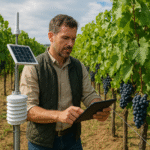
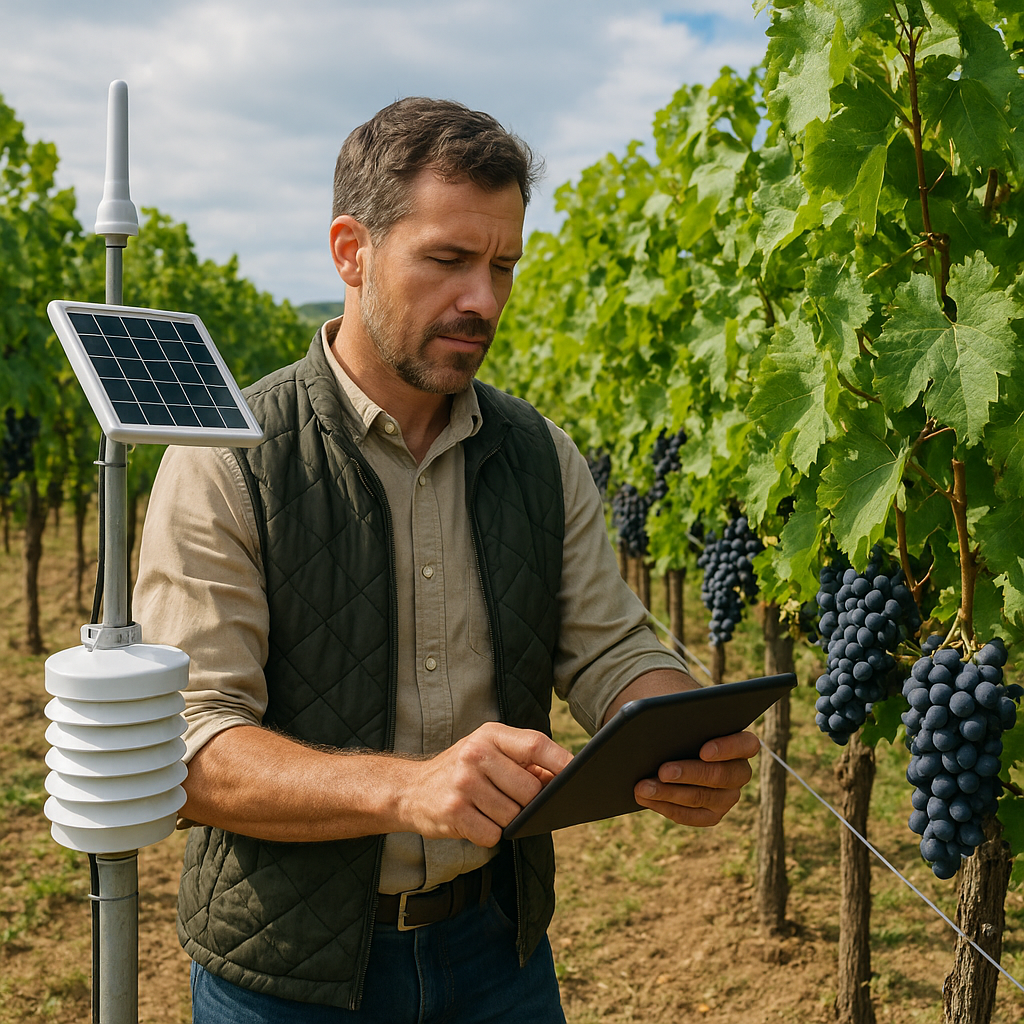
Precision agriculture hinges on the deployment of high-resolution sensors throughout the vineyard. Soil moisture probes, nutrient detectors, and microclimate stations collectively feed a continuous stream of real-time data. These systems support monitoring of critical variables at the root zone, enabling winemakers to make informed decisions on irrigation, fertilization, and canopy management.
- Soil Moisture Sensors: Continuously measure volumetric water content to prevent under- or overwatering.
- EC and pH Probes: Assess soil nutrient availability, guiding tailored fertilization schedules that minimize waste.
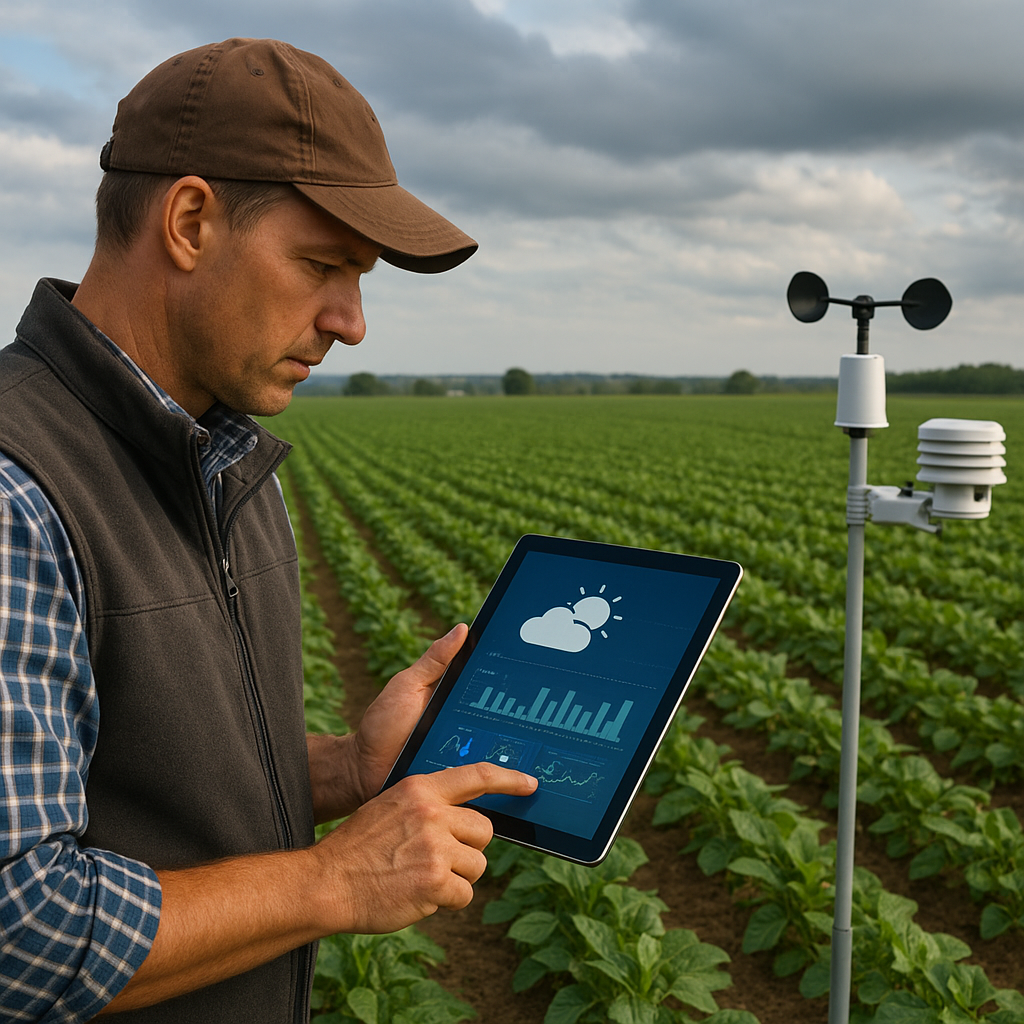
- Weather Stations: Capture temperature, humidity, solar radiation, and leaf wetness, predicting fungal risk and frost events.
Integration of these devices through cloud-based dashboards allows viticulturists to visualize vineyard variability on a map. Automated alerts notify managers when thresholds are exceeded, boosting operational innovation without adding manual labor.
Water Conservation and Irrigation Optimization
Water scarcity poses a growing challenge to vineyards worldwide. By combining sensor inputs with predictive models, growers can achieve dynamic irrigation control that balances vine health and resource stewardship. Automation of irrigation through smart valves and drip systems ensures water is delivered precisely where and when it’s needed.
- Soil Moisture Mapping: Identifies zones of differing water retention, enabling zone-specific irrigation.
- Evapotranspiration Models: Leverage local weather data to forecast vine water requirements.
- AI-Driven Scheduling: Machine learning algorithms optimize watering schedules to avoid stress and maximize fruit quality.
Embracing these techniques leads to up to 30% reductions in water usage while maintaining or improving grape quality. The synergy of detailed field data and adaptive control systems fosters long-term optimization of water resources.
Integrated Pest and Disease Management
Traditional pesticide application often relies on calendar schedules that risk overuse and environmental harm. Instead, vineyard managers are adopting an Integrated Pest Management (IPM) approach empowered by analytics and remote sensing. Early detection of stress signals and pest hotspots permits targeted interventions, reducing chemical inputs.
- Multispectral Drones: Identify nutrient deficiencies, vine vigor variations, and possible disease outbreaks.
- Trapping Networks: Smart insect traps convey live counts to a central platform for real-time population tracking.
- Predictive Models: Use historical data and current weather patterns to forecast disease pressure, such as powdery mildew or botrytis.
This level of granularity shifts IPM from reactive to proactive, decreasing fungicide and insecticide applications by up to 40% while safeguarding grape yield and ecosystem health.
Harvest Forecasting and Yield Optimization
Accurate prediction of crop yield and optimal harvest timing are essential for logistical planning and market positioning. Machine learning models process satellite imagery, climate records, and field sensor data to estimate yield and fruit composition weeks in advance. These forecasts support labor scheduling, equipment allocation, and post-harvest operations.
- Satellite and UAV Imagery: Monitor canopy density and leaf chlorophyll content to predict photosynthetic performance.
- Phenological Tracking: Automated image analysis pinpoints key growth stages, from flowering to véraison.
- Quality Metrics: Correlate data on sugar accumulation, acidity, and berry weight with remote measurements to anticipate wine style.
By aligning harvest activities with precise predictions, growers can reduce waste, allocate resources more effectively, and respond quickly to market demands, driving economic efficiency.
Emerging Trends and Future Outlook
As the global climate continues to shift, vineyard operations must remain agile and forward-looking. Upcoming advancements promise deeper insights and greater autonomy. Edge computing devices will process data on-site, minimizing latency and bandwidth needs. Blockchain-enabled traceability will certify sustainable practices throughout the supply chain. Genetic analysis and microbiome profiling will further refine vine selection and soil health strategies.
- Edge AI: Real-time decision-making at the vineyard perimeter, enhancing rapid response to stress events.
- Blockchain Certification: Immutable records of sustainable practices, boosting consumer confidence.
- Microbiome Management: Leveraging beneficial soil microorganisms to enhance nutrient uptake and disease resistance.
These innovations underscore the critical role of technology in fostering long-term vineyard resilience and environmental stewardship. By staying at the forefront of innovation in agriculture, winegrowers can balance tradition with progress, ensuring thriving vineyards for generations to come.