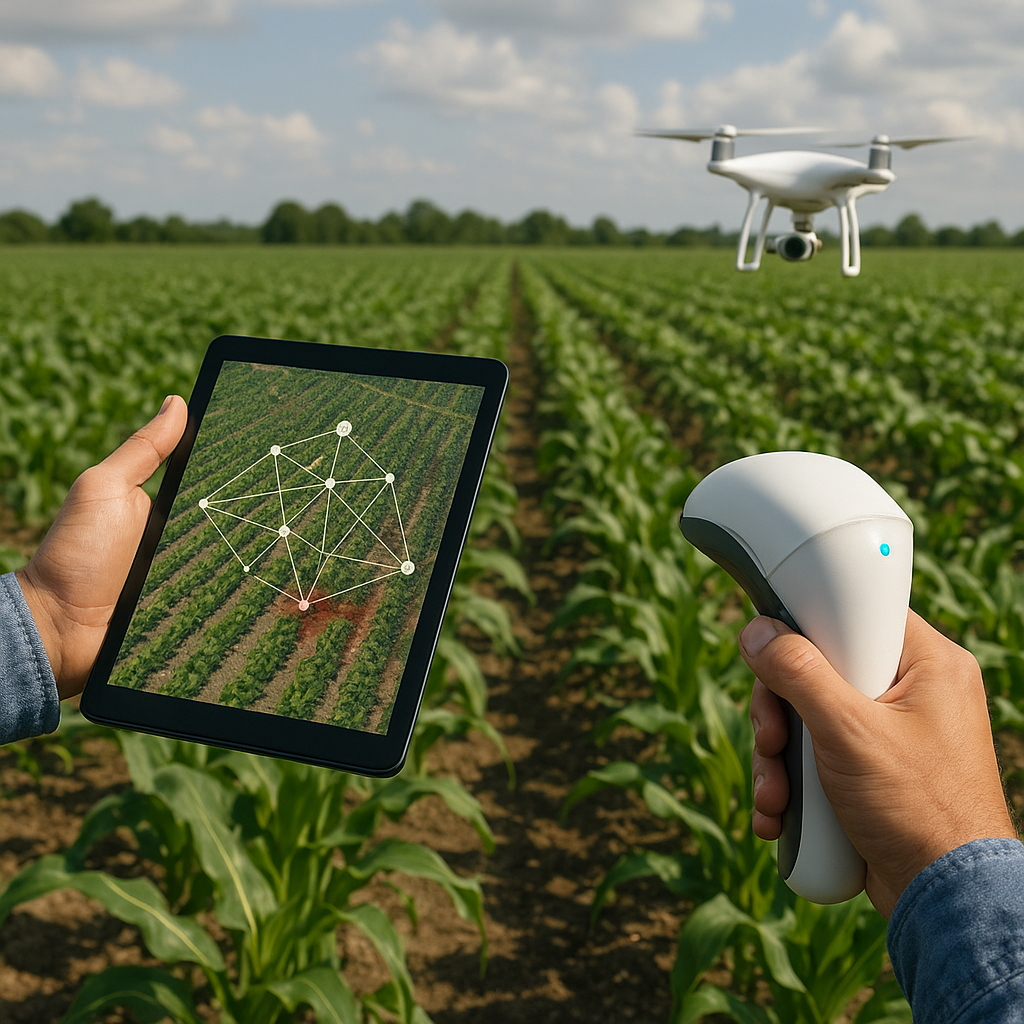
Agritech startups have catalyzed a profound transformation in the way food is produced, distributed, and consumed. From the early adoption of simple sensors to today’s autonomous drones and AI-driven analytics, this sector has demonstrated an unwavering commitment to innovation and sustainability. Entrepreneurs across continents are harnessing cutting-edge tools to tackle global challenges: feeding a growing population, reducing waste, and preserving delicate ecosystems. This article explores the remarkable journey of agritech ventures, highlighting major milestones, regional distinctions, and the disruptive technologies that continue to shape the agricultural landscape.
The Genesis of Modern Agritech
The roots of contemporary agritech can be traced back to the Green Revolution of the mid-20th century, when high-yield crop varieties and chemical fertilizers propelled yields to unprecedented levels. Yet, the limitations of this approach—soil degradation, water overuse, and chemical runoff—underscored the need for a more balanced strategy. A new generation of visionaries emerged, determined to integrate digital tools with age-old farming wisdom.
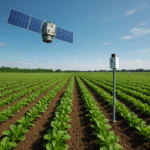
- Remote sensing and satellite imagery began providing farmers with real-time insights into crop health.
- The adoption of precision agriculture techniques enabled tailored application of water, fertilizers, and pesticides.
- Early data platforms laid the groundwork for complex analytics, empowering growers to optimize planting schedules and resource allocation.
This phase marked the onset of an era where connectivity bridged the gap between the field and the cloud, allowing stakeholders to collaborate on a global scale. Startups sprouted, eager to translate raw data into actionable strategies and sustainable outcomes.
Regional Innovation Hubs
North America’s Tech Pioneers
Silicon Valley’s ethos of rapid iteration and heavy investment found its way onto American farms. Drone manufacturers, sensor developers, and software companies converged, creating an ecosystem that prioritized automation and real-time monitoring. Notable achievements include:
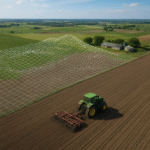
- Deployment of autonomous tractors equipped with machine-vision systems for weed control and harvesting.
- Large-scale vertical farming facilities in urban centers, delivering leafy greens year-round with minimal land use.
- Blockchain-based supply chain platforms enhancing traceability and consumer trust.
Europe’s Sustainable Mandate
European agritech startups emphasize ecological balance and ethical practices. With tight regulatory frameworks in place, companies focus on resource efficiency and reduction of chemical inputs. Key initiatives involve:
- Development of bio-stimulants and microbial solutions that boost soil fertility naturally.
- Smart greenhouses using climate control systems to reduce water consumption by up to 90%.
- Collaborations with research institutions to advance gene-editing techniques that maintain biodiversity while improving resilience.
Asia’s Rapid Adoption and Unique Challenges
In Asia, where arable land is scarce and population density remains high, agritech startups tackle both scale and fragmentation. Efforts in China, India, and Southeast Asia highlight:
- Mobile-first platforms delivering farm advisory services to millions of smallholder farmers.
- Solar-powered irrigation networks that operate independently of central power grids.
- AI-driven marketplaces linking farmers directly to consumers and restaurants, minimizing middlemen.
Breakthrough Technologies Shaping the Future
Several core technologies stand out as the backbone of agritech’s expansion. Startups are combining these tools to deliver comprehensive solutions that tackle every stage of the food value chain.
- Artificial Intelligence: Predictive models forecast pest outbreaks, optimize harvest timing, and personalize recommendations for individual fields.
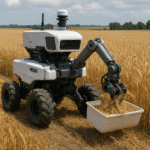
- Robotics: Field robots handle planting, weeding, and harvesting with precision that surpasses manual labor, reducing operational costs and environmental impact.
- Blockchain: Immutable ledgers improve food safety by tracing produce from seed to store, instantly identifying sources of contamination.
- Vertical Farming: Multi-layer indoor farms use hydroponics and LED lighting to cultivate crops year-round, slashing water usage and eliminating geographic constraints.
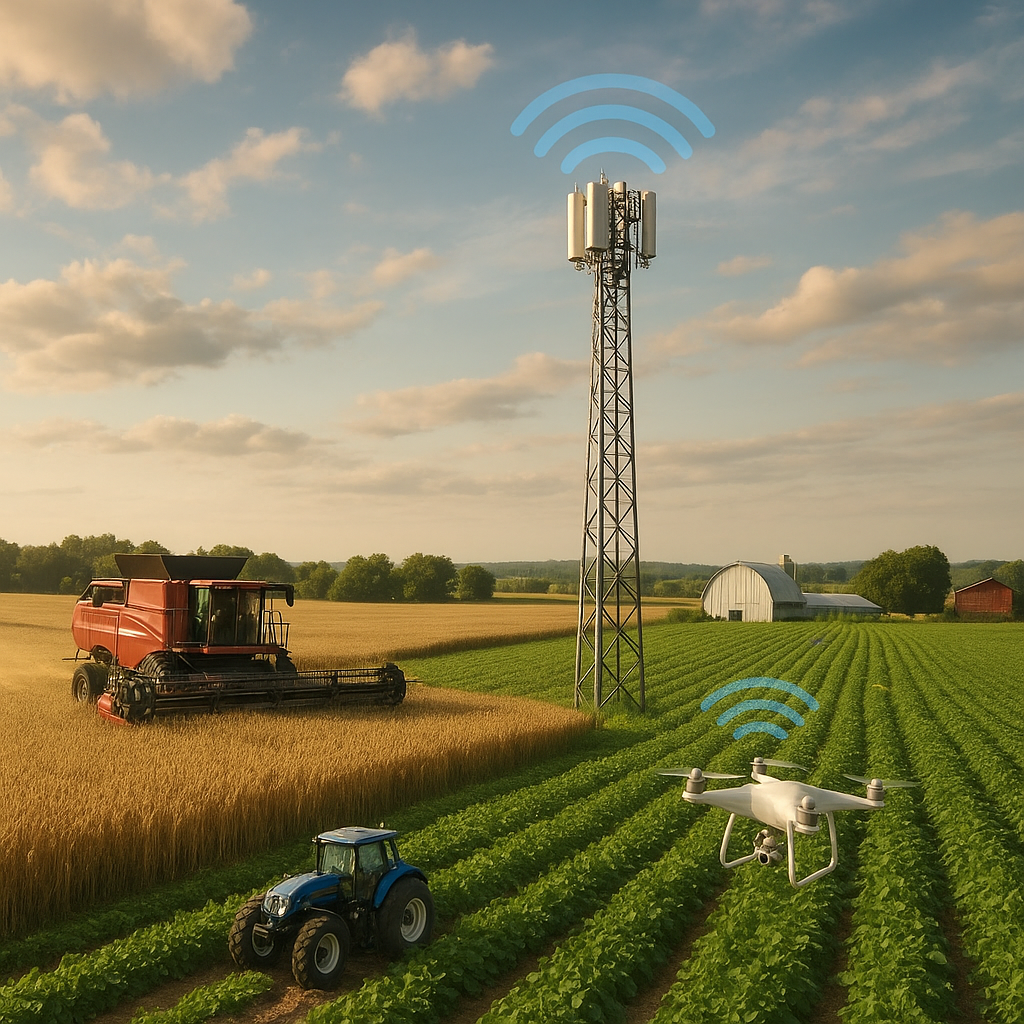
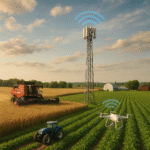
- Internet of Things: Networks of smart sensors monitor soil moisture, nutrient levels, and climate conditions, enabling dynamic adjustments to irrigation and fertilization.
Beyond standalone applications, the integration of these technologies fosters an environment where data flows seamlessly between devices and platforms. This interconnected framework allows for real-time control, maximizing yield while preserving resources.
Overcoming Challenges and Scaling Impact
Despite remarkable progress, agritech startups face enduring obstacles. Addressing these issues is critical for the sector’s long-term viability.
- Access to capital: Early-stage ventures often struggle to secure funding, especially in regions where traditional agriculture dominates.
- Regulatory hurdles: Differing policies on genetically modified organisms, drone operations, and data privacy can fragment markets.
- Infrastructure gaps: Reliable internet connectivity and energy supply remain inconsistent in many rural areas.
- Adoption barriers: Farmers may resist new technologies due to cost concerns or lack of digital literacy.
Nevertheless, collaborative efforts among governments, investors, and research institutions are accelerating progress. Pilot programs that demonstrate clear returns on investment help alleviate skepticism and pave the way for broader acceptance. As these initiatives mature, they establish a foundation for scalability and widespread transformation.
Emerging Frontiers in Agritech
Looking ahead, several frontier domains are poised to redefine food systems:
- Cellular agriculture: Lab-grown meat and dairy alternatives promise to reduce land use and greenhouse gas emissions dramatically.
- CRISPR-based enhancements: Gene-editing tools can produce drought-resistant and disease-resistant crops without introducing foreign DNA.
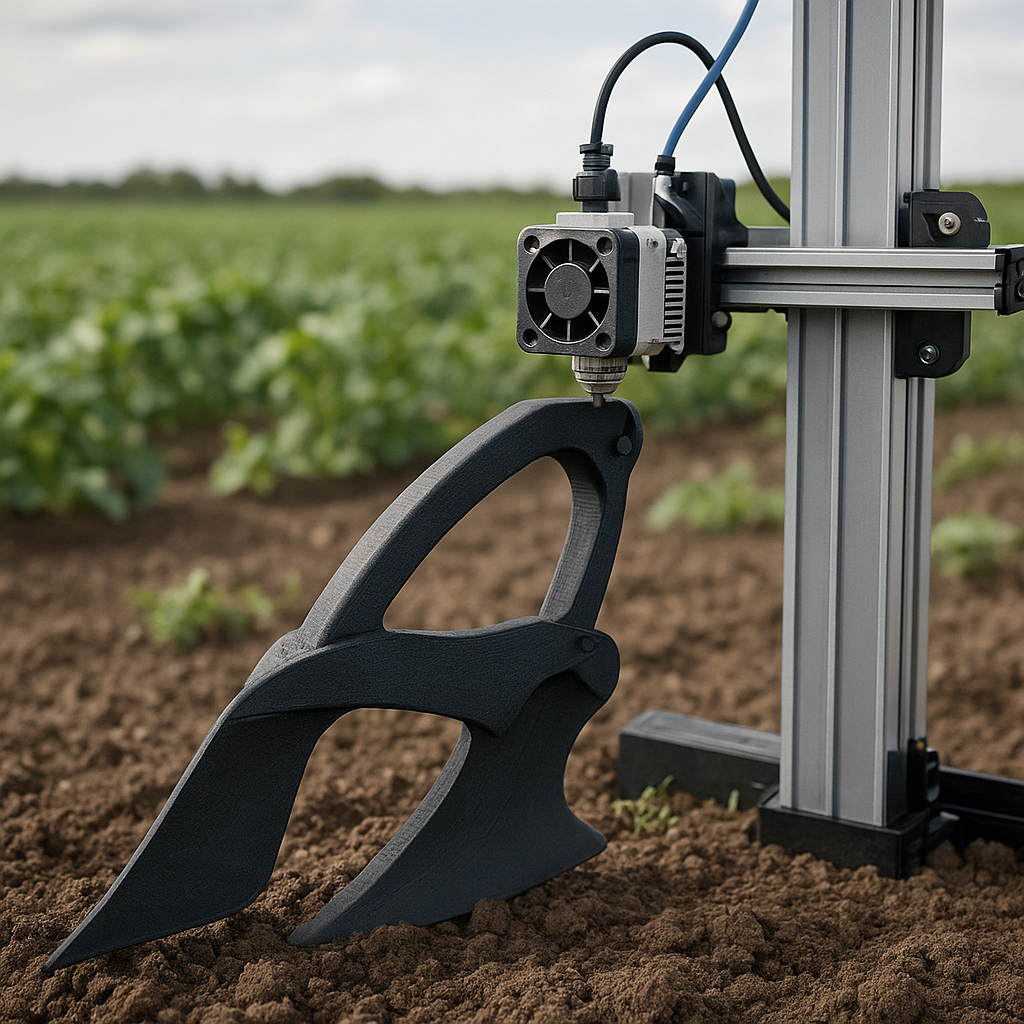
- Distributed manufacturing: Small-scale on-farm bioreactors capable of producing fertilizers, feeds, and bioplastics on demand.
- Climate-smart farming: Platforms that integrate weather modeling and carbon accounting, enabling farmers to participate in emerging carbon credit markets.
These developments will further strengthen the sector’s capacity to address global imperatives, from food security to climate resilience. As agritech companies harness multidisciplinary expertise, they will continue forging pathways towards a more efficient, equitable, and environmentally sound food system.