The Future of Seed Technology: Beyond GMOs explores the cutting-edge advancements reshaping agriculture. From revolutionary gene editing to data-driven farm management, this article examines how next-generation seeds and integrated technologies will enhance crop performance, environmental sustainability, and food security. Each section delves into critical innovations, regulatory considerations, and real-world applications transforming the landscape of modern farming.
Innovations in Genetic Approaches
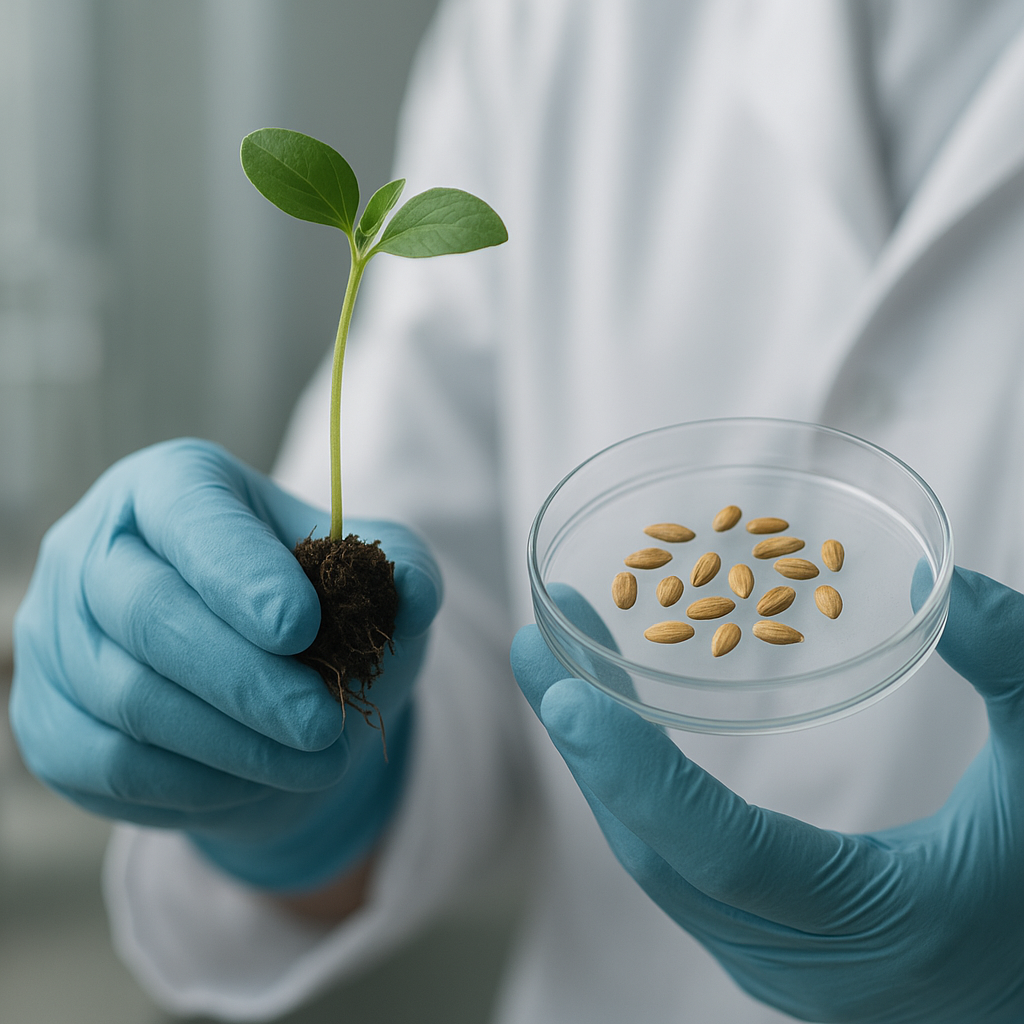
Traditional breeding methods have given way to powerful new tools that accelerate the development of improved crop varieties. While transgenic modifications laid the foundation for enhanced traits, recent breakthroughs in genome editing and synthetic biology offer unprecedented precision. Techniques such as CRISPR/Cas enable scientists to introduce or deactivate specific genes without leaving residual foreign DNA. This precision can enhance nutrient density, optimize plant architecture, and improve resistance to pests and diseases.
Next-Generation Breeding Techniques
- Speed breeding: Controlled environment chambers reduce generation times, enabling multiple breeding cycles per year.
- Targeted mutagenesis: Induced point mutations simulate natural variation, sidestepping complex regulatory obstacles.
- RNA-guided editing: RNA molecules direct molecular scissors to precise genomic locations, ensuring high on-target accuracy.
- Base editing: Chemical modifications allow single-base changes without double-stranded breaks, minimizing unintended effects.
By integrating these approaches, researchers can tailor crops for specific agroecological zones, leveraging precision to balance yield improvements with environmental stewardship. Moreover, synthetic promoters and gene circuits enable dynamic gene expression, adjusting trait activation in response to environmental cues such as drought or pathogen attack.
Digital Agriculture and Data-Driven Decision Making
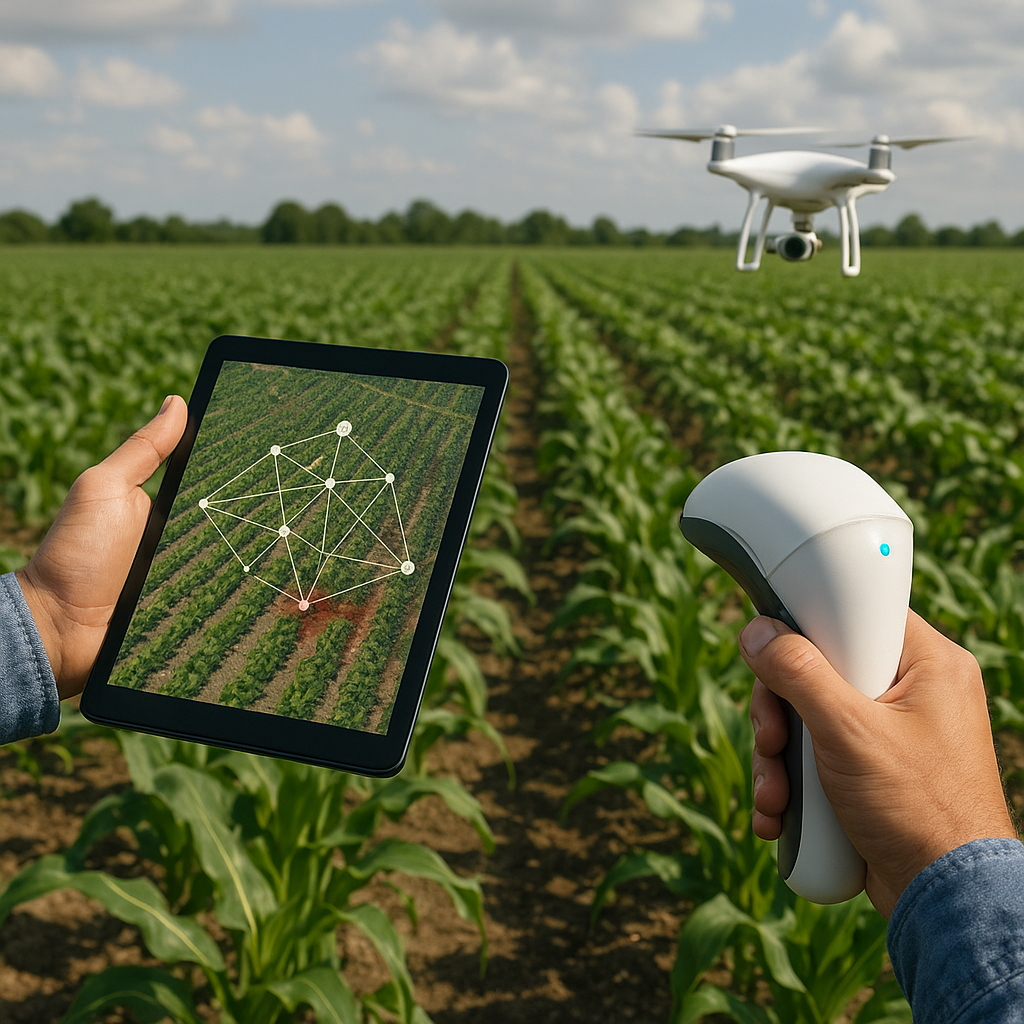
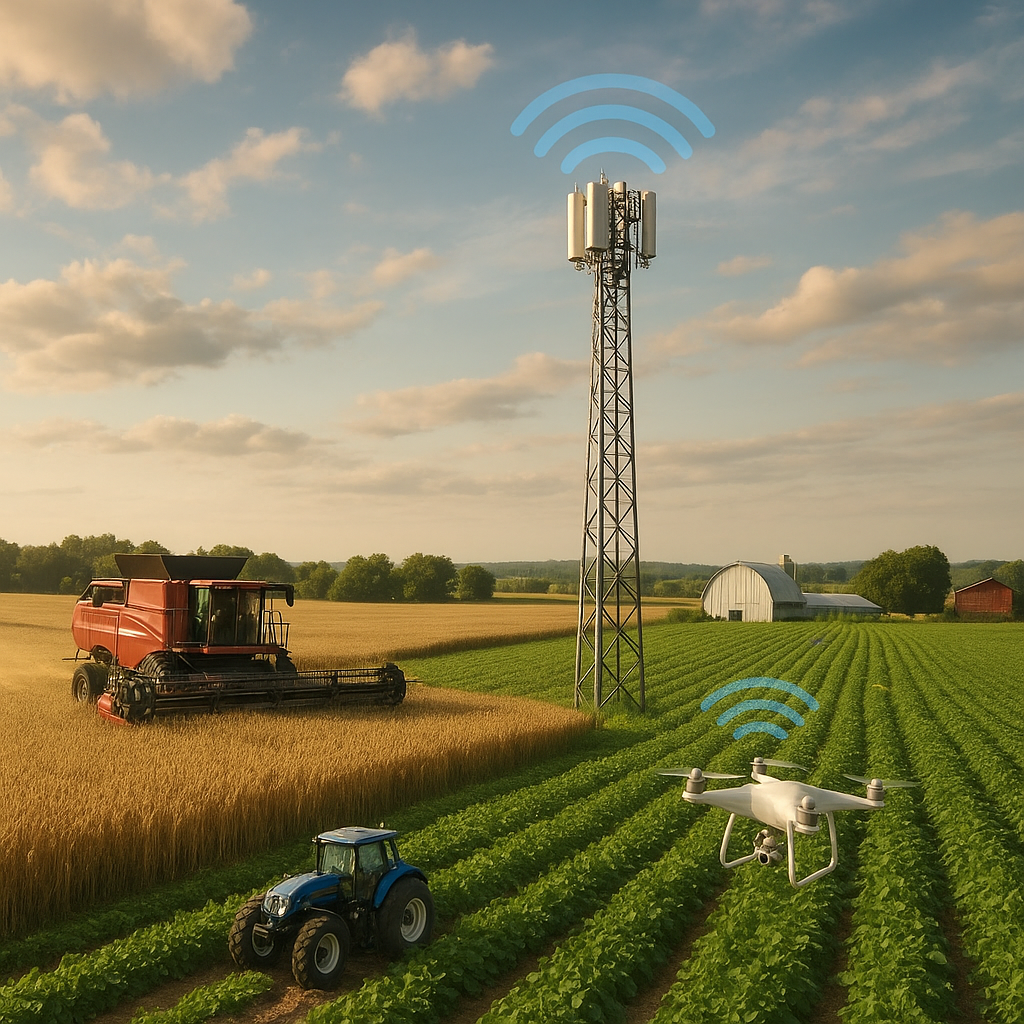
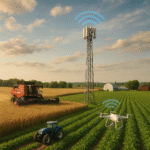
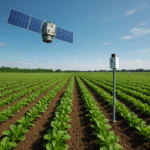
Advanced seed technology is most effective when paired with digital tools that guide planting, nutrient management, and harvest schedules. Satellite imagery, drones, and ground sensors feed real-time insights into farm management platforms. Artificial intelligence algorithms analyze this data to predict disease outbreaks, optimize irrigation, and recommend input applications with scalability across operations of any size.
Key Components of Smart Farming
- Remote sensing: High-resolution multispectral imagery detects stress indicators before visual symptoms appear.
- IoT networks: Soil moisture probes and weather stations transmit continuous data streams, enabling dynamic irrigation control.
- Machine learning: Predictive models assess historical and current data, refining nutrient plans and yield forecasts.
- Blockchain traceability: End-to-end supply chain tracking ensures transparency from seed to consumer, boosting market confidence.
These technologies form an integrated ecosystem where climate-smart practices are not just aspirational but operational. For instance, sensors may trigger targeted applications of biostimulants only when root sensors detect specific stress thresholds. This level of responsiveness conserves resources, reduces chemical inputs, and elevates overall farm resilience.
Environmental and Societal Impact
As agriculture adapts to shifting climates and growing populations, seed innovation must align with ecological and social goals. New varieties designed for water-limited environments or saline soils can reclaim marginal lands while preserving vital habitats. By expanding genetic diversity and embracing biodiversity-rich breeding pools, scientists mitigate the risk of monoculture vulnerabilities.
Balancing Productivity with Ecosystem Health
- Cover crop integration: Deep-rooted species enhance soil organic matter and sequester carbon, creating healthier seedbeds for subsequent crops.
- Biological control: Endophytic microbes and beneficial insects reduce reliance on synthetic pesticides, fostering balanced ecosystems.
- Resource-use efficiency: Variety-specific root traits improve nutrient uptake, cutting fertilizer runoff and protecting waterways.
- Climate adaptation: Varieties with heat- and flood-tolerance traits safeguard yields under extreme weather events.
Empowering smallholder farmers with affordable, context-specific seed solutions also addresses global equity challenges. Participatory breeding programs invite local communities to co-develop varieties, ensuring that cultural preferences and indigenous knowledge inform trait selection. This collaborative model fosters resilience at the grassroots level, bridging the gap between high-tech research and on-farm realities.
Regulatory and Ethical Considerations
Emerging seed technologies navigate complex regulatory landscapes that vary by region. While some jurisdictions differentiate products based on the presence of foreign DNA, others focus on the nature of genetic modifications. Streamlined approval pathways for products lacking transgenic elements can accelerate deployment of sustainable innovations, yet robust risk assessment frameworks remain crucial for public trust.
Key Regulatory Themes
- Trait-based evaluation: Reviewing organisms by their novel characteristics rather than the breeding method used.
- Post-market surveillance: Monitoring long-term environmental and health impacts to ensure accountability.
- Ethical transparency: Clear labeling and open communication foster consumer confidence in advanced seed products.
- Intellectual property balance: Equitable access models protect farmer rights while incentivizing private-sector research.
International harmonization efforts aim to reduce fragmentation and promote consistent standards. Collaborative platforms between public institutions, NGOs, and industry stakeholders help define best practices, ensuring that innovation does not outpace oversight. Through these channels, society can harness the full potential of next-generation seeds while maintaining rigorous safeguards.
Challenges and Future Directions
Despite remarkable progress, several hurdles remain before revolutionary seed solutions achieve globalscale impact. Constraints include limited research funding in developing regions, fragmented data infrastructure, and lingering skepticism among some consumer groups. Addressing these barriers requires multi-disciplinary collaboration, robust extension services, and continued investment in resilience-oriented research.
Looking ahead, emerging frontiers such as gene drives for pest management, vertical farming with custom cultivars, and microbiome-assisted breeding promise to further transform agriculture. By integrating novel biotechnologies with digital platforms, the industry is poised to deliver seeds that not only boost yields but also safeguard the planet.
End of article