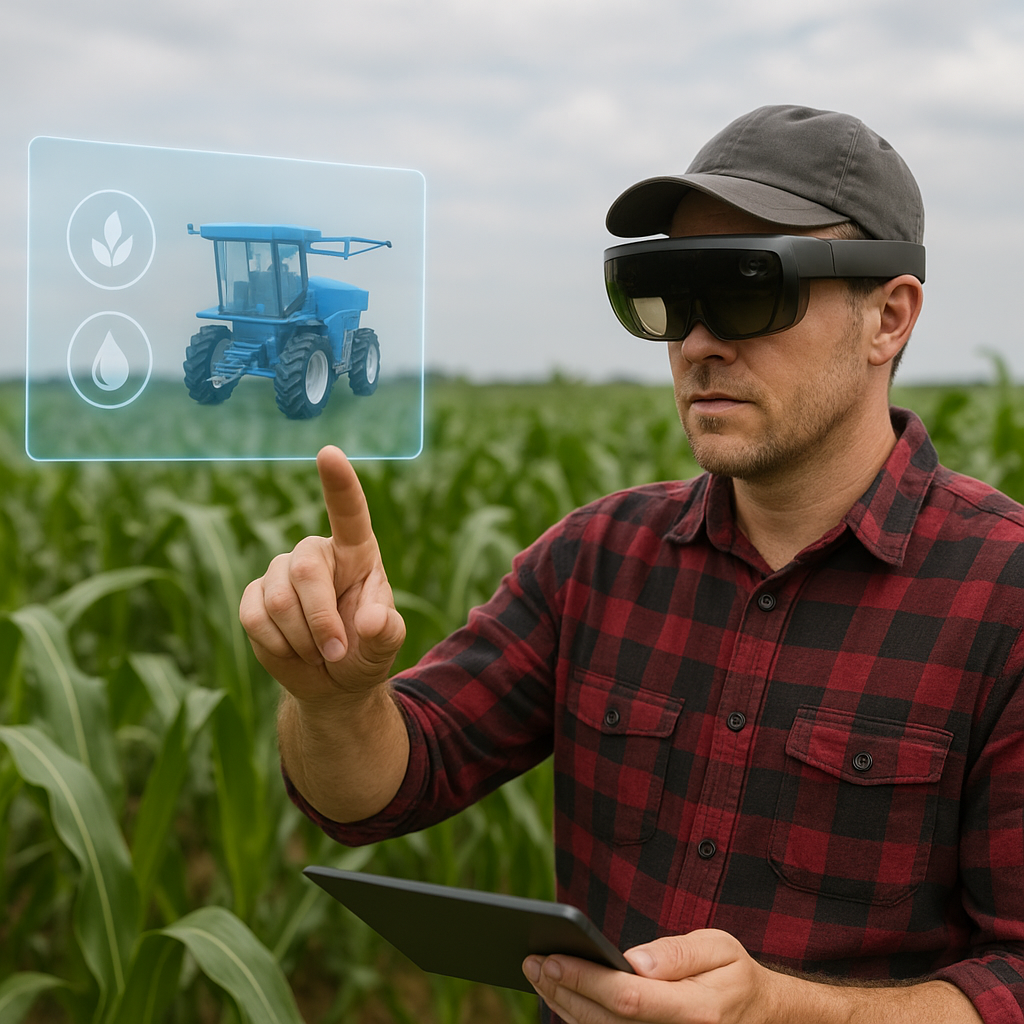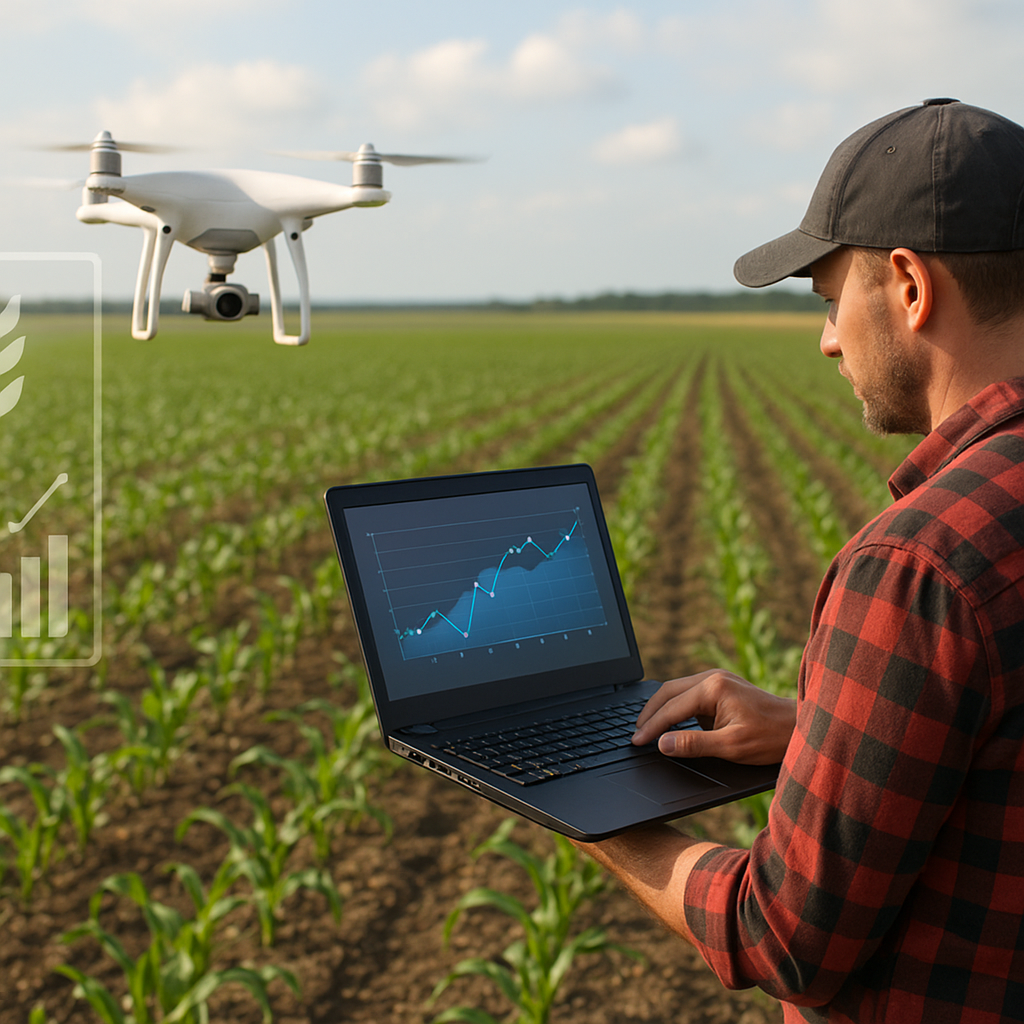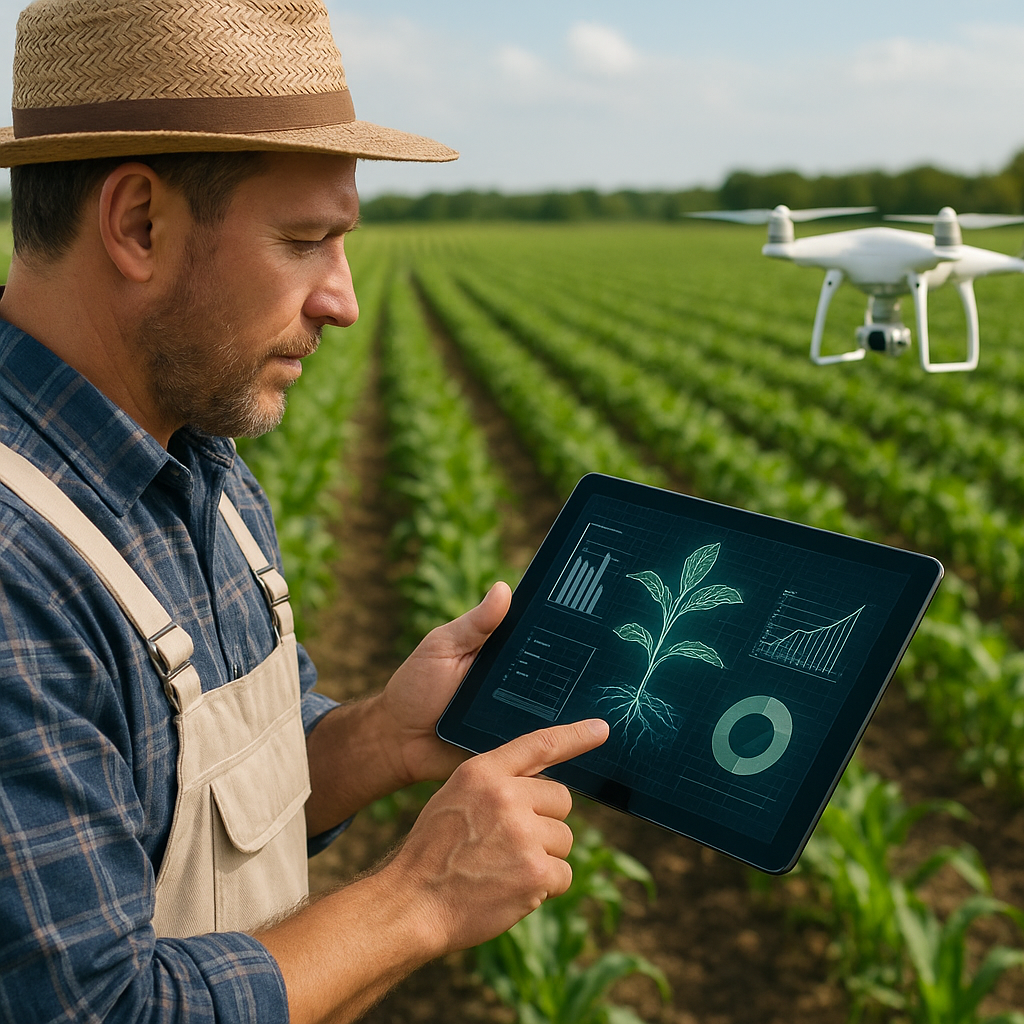
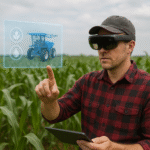
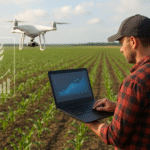
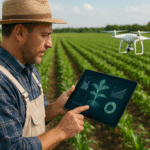
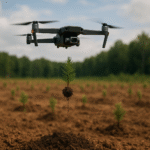


Agricultural systems are evolving rapidly as AI technologies unlock unprecedented insights into global food patterns. By harnessing vast datasets and sophisticated algorithms, researchers can predict demand shifts, optimize supply chains, and enhance resource allocation. This synergy of data-driven analysis and field expertise is reshaping how crops are grown, distributed, and consumed, paving the way for a more sustainable and resilient food ecosystem.
Global Food Challenges and the Need for AI
Mounting pressures from climate change, population growth, and resource scarcity have exposed significant vulnerabilities within traditional agricultural models. Extreme weather events can decimate harvests, while fluctuating market dynamics often result in mismatches between production and consumption. These factors compound food insecurity, driving the quest for tools capable of offering real-time visibility into both supply and demand. AI emerges as a powerful ally, capable of ingesting terabytes of historical and live data—from soil moisture readings to consumer purchase trends—and converting them into actionable forecasts.
Key obstacles include:
- Erratic weather patterns leading to unpredictable yields
- Fragmented supply chains that obscure distribution gaps
- Limited data accessibility in rural or underdeveloped regions
- Volatile commodity prices impacting farmer income stability
Addressing these challenges demands a multifaceted approach. Through machine learning and advanced modeling techniques, stakeholders can pinpoint inefficiencies, anticipate disruptions, and deploy resources where they will deliver the greatest impact.
AI-driven Solutions for Demand Forecasting
Data Collection and Integration
Effective forecasting begins with robust data ingestion. Satellites, drones, IoT sensors, and mobile applications provide continuous streams of information on crop health, soil composition, weather conditions, and market transactions. Integration of these heterogeneous data sources requires sophisticated infrastructure capable of cleaning, normalizing, and storing high-frequency inputs. Edge computing platforms further facilitate near-instantaneous processing, ensuring that predictive models operate with minimal latency.
Predictive Modeling Techniques
Machine learning frameworks—ranging from time-series analysis to neural networks—play a pivotal role in demand estimation. By training on historical consumption records and correlating them with socioeconomic indicators, AI can identify latent patterns that escape traditional statistical methods. Key techniques include:
- Regression models to establish baseline trajectories
- Recurrent neural networks (RNNs) for sequence prediction
- Ensemble learning to combine multiple predictors
- Transfer learning for applying insights across regions or commodities
These models not only forecast aggregate demand but can also segment consumers by demographics, enabling tailored interventions such as targeted subsidies or crop diversification strategies.
Optimizing Supply Chains with AI
Once demand projections are in hand, the next step is to orchestrate supply chain operations to meet those needs efficiently. AI-driven optimization engines can recommend planting schedules, input allocations, and transportation routes that minimize waste and maximize yield.
Resource Allocation and Planning
By simulating various scenarios—accounting for budget constraints, labor availability, and logistic capacities—optimizers can generate planting blueprints that prioritize high-value crops or regions with favorable climatic conditions. This reduces the risk of overproduction in one area while ensuring adequate supply elsewhere.
Real-Time Monitoring and Adaptation
Dynamic adjustments are critical when conditions shift unexpectedly. AI systems continuously assimilate new sensor readings and market indicators, triggering alerts and recalibrations. Examples include:
- Rerouting shipments to avoid congested ports or roads
- Modifying irrigation schedules in response to sudden drought
- Altering fertilizer applications based on nutrient depletion metrics
Such agility enhances overall efficiency and bolsters the capacity to respond to unforeseen events.
Case Studies in Impressive Agriculture
Smart Farming Initiatives in East Africa
In Kenya and Tanzania, AI platforms have helped smallholder farmers significantly boost yields. By combining satellite imagery with ground sensors, these systems generate hyper-local recommendations on planting dates and seed spacing. Farmers participating in pilot programs achieved up to 30 percent higher productivity, demonstrating how affordable technology can drive tangible gains.
Supply Chain Transparency in the European Union
European agribusinesses have collaborated on blockchain-enhanced AI models to trace produce from farm to fork. This partnership ensures full transparency in the distribution process, enabling quick recalls of contaminated batches and facilitating fair-trade certification. The result is enhanced consumer trust and reduced risk of foodborne outbreaks.
Future Outlook and Emerging Trends
The synergy between AI and agriculture continues to evolve. Cutting-edge developments on the horizon include:
- Generative AI for simulating optimal crop breeding strategies
- Federated learning to protect farmer data privacy while refining global models
- Autonomous robotics for precision harvesting and targeted pest control
- Advanced sensor networks embedded in soil strata for continuous nutrient profiling
These innovations aim to deliver ever-greater accuracy and resource optimization, reducing environmental footprints and fostering resilient food systems. Collaboration between agronomists, data scientists, and policymakers will be crucial to navigate ethical questions around data ownership, algorithmic bias, and equitable access.
By weaving together AI’s predictive prowess with the rich traditions of agriculture, the global community can secure a future where hunger is alleviated, natural resources are protected, and communities thrive through innovation.