

Exploring innovative strategies to optimize water usage in agriculture has become a cornerstone of modern cultivation practices. By embracing a combination of technological advances, ecological insights, and community-driven initiatives, farmers can achieve remarkable gains in both productivity and resource stewardship. This article delves into diverse approaches that underline the transformation of irrigation and soil management, presenting actionable insights for practitioners committed to enhancing efficiency and ensuring long-term sustainability of water supplies.
Advanced Irrigation Techniques
Drip and Micro-Irrigation Systems
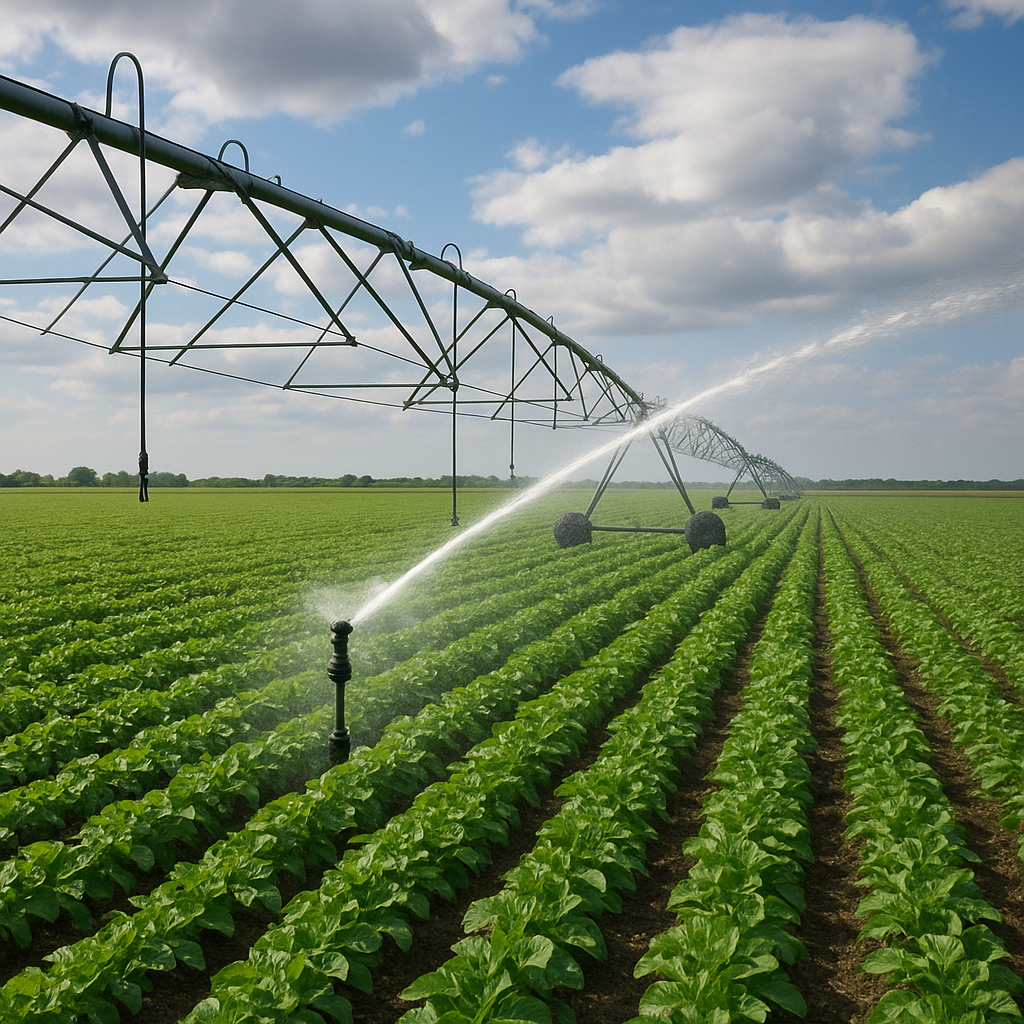
Adopting drip irrigation methods revolutionizes water delivery by permitting direct application of moisture to root zones. Such systems minimize evaporative loss and runoff, delivering precise volumes of water at scheduled intervals. Innovations in emitter design now allow adjustable flow rates, ensuring that each plant receives custom-tailored hydration based on varietal requirements.
- Reduced evaporation: direct soil infiltration.
- Lower labor demands: automated valves and controllers.
- Uniform distribution: consistent plant performance.
Further enhancements include sub-surface tubing that buries drip lines beneath the soil surface, protecting moisture from solar heat and wind. This approach not only conserves water but also suppresses weed growth by limiting surface wetting. Integrators report up to 60 percent reduction in water use compared to traditional sprinkler systems, translating into tangible savings on utility costs.
Scheduling Based on Evapotranspiration Data
Utilizing evapotranspiration metrics empowers growers to refine irrigation scheduling in alignment with climatic demand. By deploying weather stations and analytical software, farms can track actual water loss through evaporation and plant transpiration. This real-time feedback loop prevents overwatering during cooler periods and ensures adequate supply during heat waves.
- Dynamic scheduling: irrigation timing adapts daily.
- Data-driven analytics: charts soil moisture trends.
- Resource allocation: reduces wastage and peak loads.
Soil Moisture Management and Conservation
Precision Soil Moisture Sensors
Installing soil moisture sensors at multiple depths enables granular insights into moisture gradients. These sensors yield voltage or frequency signals proportional to volumetric water content, allowing for automated trigger thresholds within irrigation controllers. The resulting system ensures that water is applied only when soil moisture dips below optimal levels.
- Layered monitoring: tracks root zone hydration.
- Integration: direct connectivity to irrigation valves.
- Cost-effective: scalable across field blocks.
Recent trials showcase how sensor-managed fields can achieve yield improvements of up to 20 percent by avoiding drought stress and waterlogging. Crops maintain vigorous growth phases, translating into robust harvests even under unpredictable rainfall patterns.
Mulching and Enhanced Retention Practices
Incorporating organic or synthetic mulches creates a protective barrier that curtails surface evaporation and moderates soil temperature. Mulches can be crafted from straw, wood chips, or biodegradable films, each offering distinct benefits in terms of moisture retention and nutrient cycling. When combined with contour bunding and swale formation, surface runoff is captured and directed into planting trenches, enhancing infiltration.
- Surface cooling: regulates drought stress.
- Nutrient preservation: organic mulches decompose into soil amendments.
- Runoff control: prevents topsoil erosion and retains water on-site.
Integrating Smart Technologies
Remote Sensing and Satellite Imagery
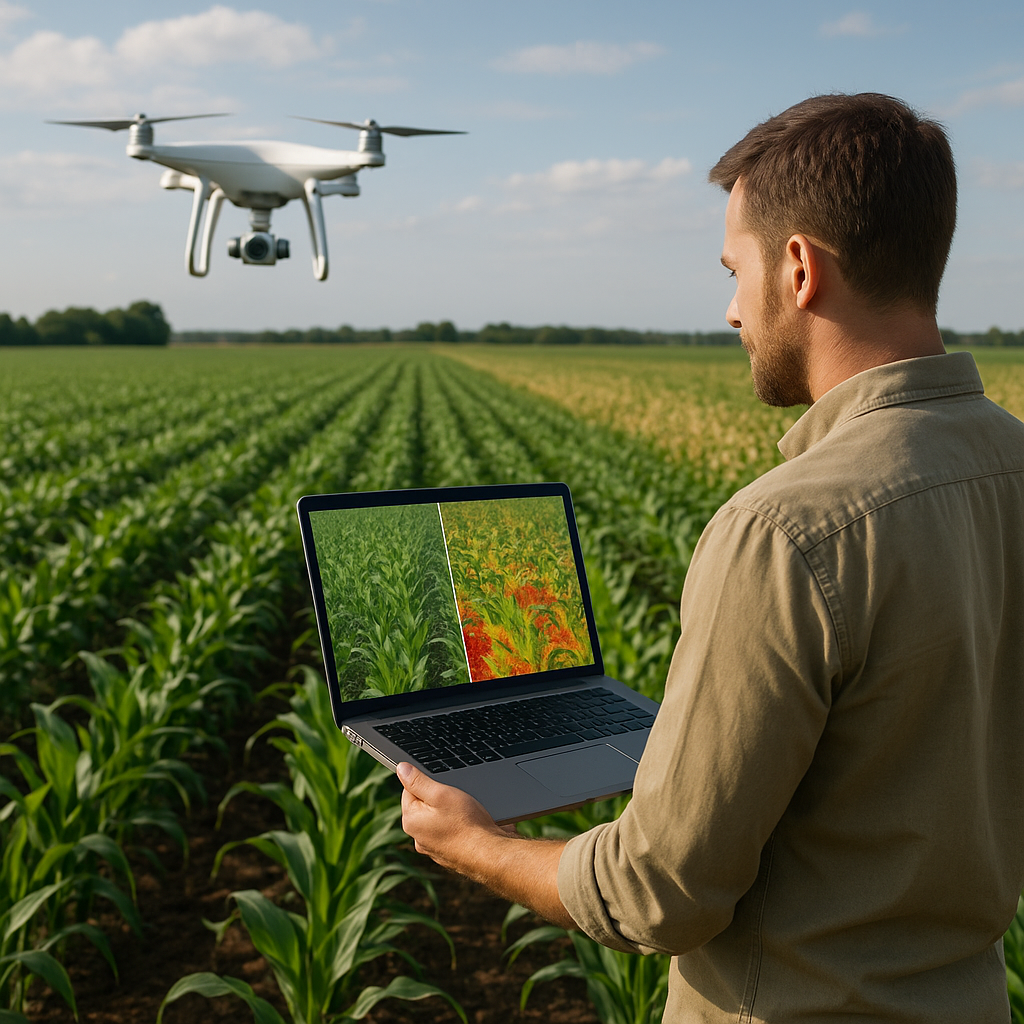
Leveraging remote sensing platforms delivers comprehensive views of field moisture status and plant health indicators. High-resolution satellite imagery, coupled with drone-mounted multispectral cameras, identifies zones of low vigor and dry patches. This spatial mapping enables targeted interventions, ensuring resources are allocated where they are most needed.
- NDVI analysis: tracks crop greenness and stress.
- Thermal imaging: reveals temperature anomalies linked to moisture deficits.
- Scalability: covers thousands of hectares rapidly.
Automated Control Systems and IoT Connectivity
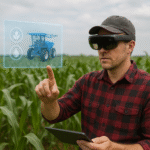
The advent of Internet of Things (IoT) frameworks facilitates seamless connectivity between field sensors, weather stations, and irrigation hardware. Centralized dashboards grant farmers the ability to program, monitor, and override irrigation events from smartphones or computers. Alerts can trigger maintenance tasks when pressure drops or leaks are detected, safeguarding against water loss and equipment downtime.
- Cloud-based platforms: historical data archives for trend analysis.
- Push notifications: real-time alerts for system anomalies.
- Interoperability: integrates with farm management software.
Policy and Community Initiatives
Incentive Programs and Subsidies
Governments and water districts worldwide offer financial incentives to encourage adoption of water-conserving technologies. Subsidies may cover a percentage of equipment costs for precision irrigation systems, sensor installations, or rehabilitation of aging conveyance infrastructure. These programs aim to reduce communal demand on scarce water supplies and promote agricultural resilience against drought cycles.
- Rebate schemes: offset initial capital expenditure.
- Low-interest loans: support large-scale retrofit projects.
- Technical assistance: on-site training and calibration services.
Knowledge Sharing and Extension Services
Establishing farmer cooperatives and extension networks fosters peer-to-peer learning, accelerating the dissemination of best practices. Workshops, field days, and demonstration plots allow participants to witness comparative trials between conventional and water-saving methods. Shared success stories, particularly those highlighting improved crop yield and reduced energy consumption, inspire widespread uptake and community-wide commitment to responsible water stewardship.
- Collaborative research: trials on soil amendments and cover crops.
- Digital forums: virtual platforms for troubleshooting.
- Local partnerships: universities and NGOs engage in outreach.
Harnessing Groundwater and Aquifer Recharge
Managed Aquifer Recharge Techniques
Implementing recharge basins and infiltration galleries directs excess surface water back into the groundwater table during periods of surplus. Careful site selection based on hydrogeological surveys ensures that water percolates effectively without causing salinization or contamination. Over time, restored aquifers serve as critical buffers during dry seasons, stabilizing water availability for irrigation.
- Design optimization: maximizes infiltration rates.
- Water quality monitoring: prevents pollutant introduction.
- Recharge credits: potential for water banking and trade.
Sustainable Pumping and Well Management
Adopting variable-frequency drives on pumping systems aligns extraction rates with actual irrigation demand, curbing unnecessary withdrawal from地下 reservoirs. Coupled with periodic well maintenance and hydrostatic testing, these measures minimize energy costs and extend the operational lifespan of pumping equipment. As a result, farms benefit from consistent delivery pressures and reduced risk of aquifer depletion.