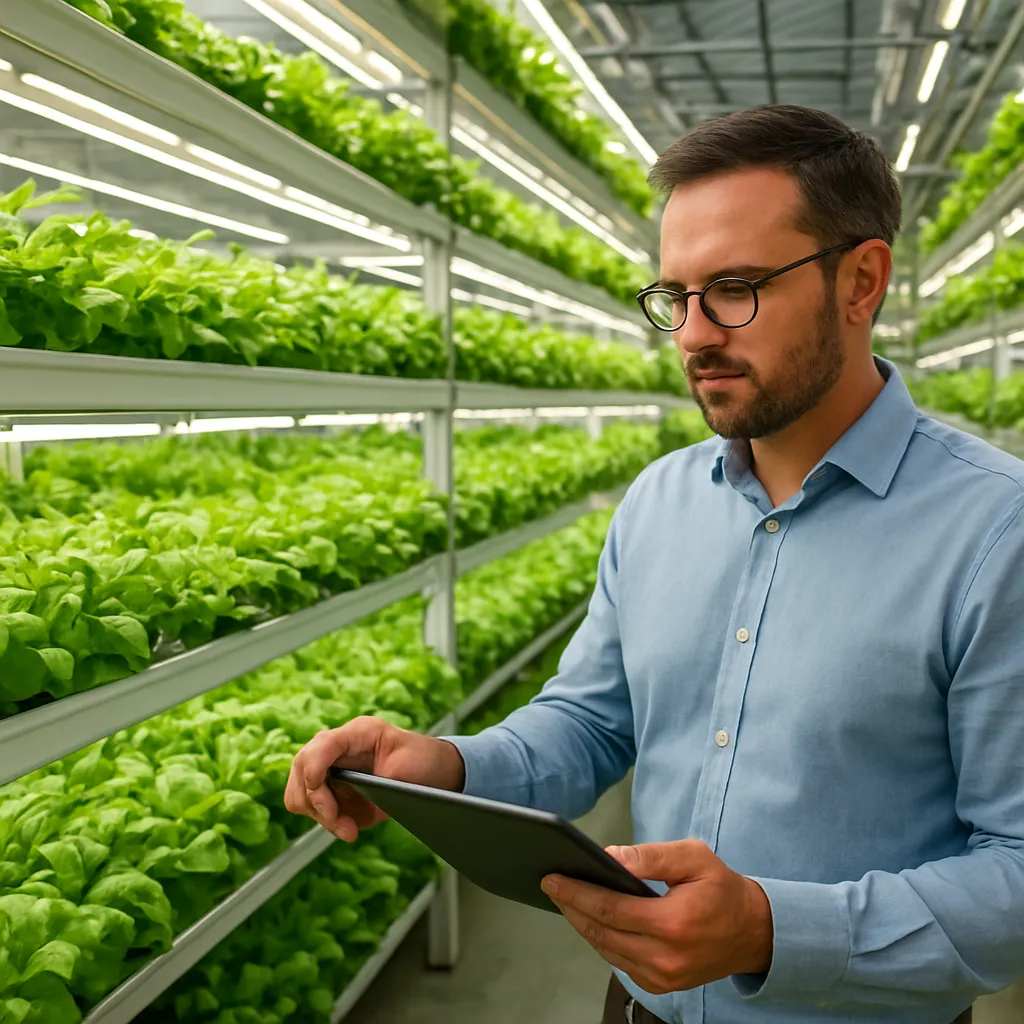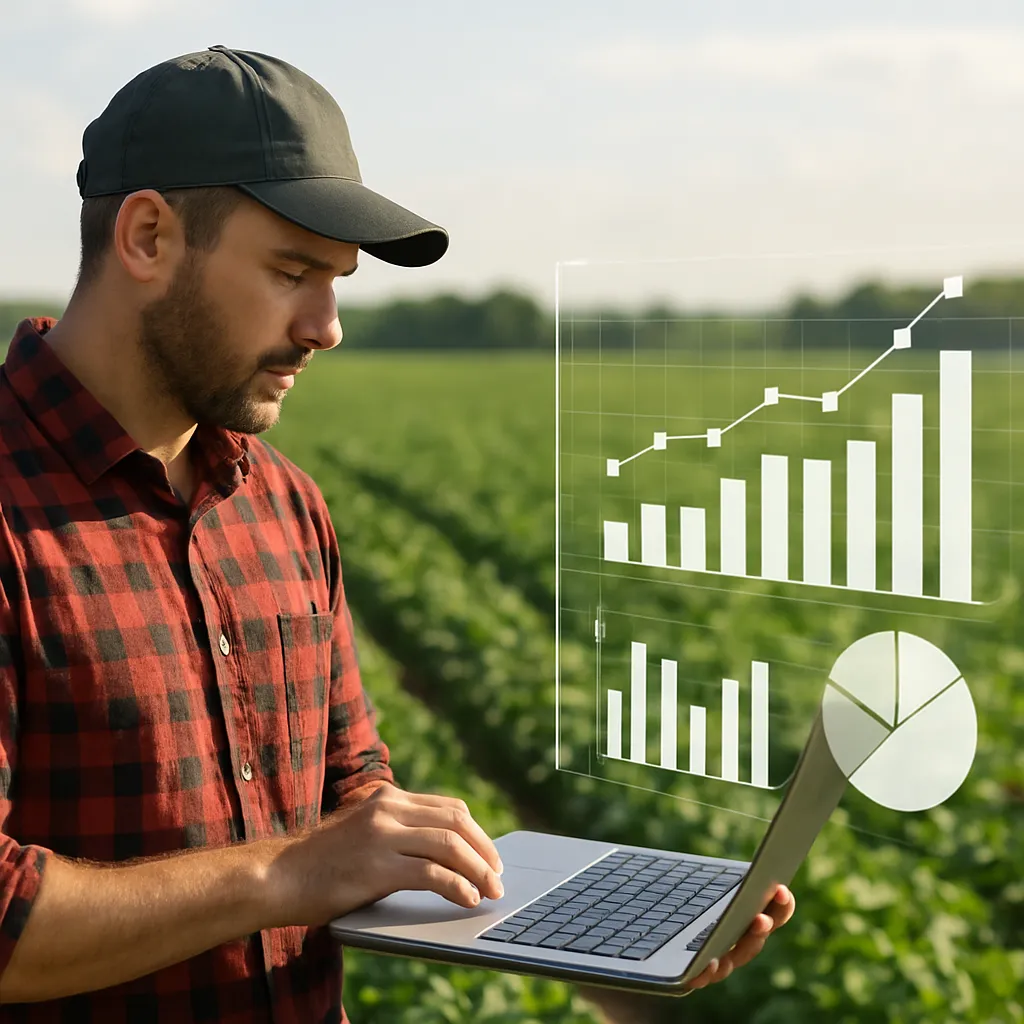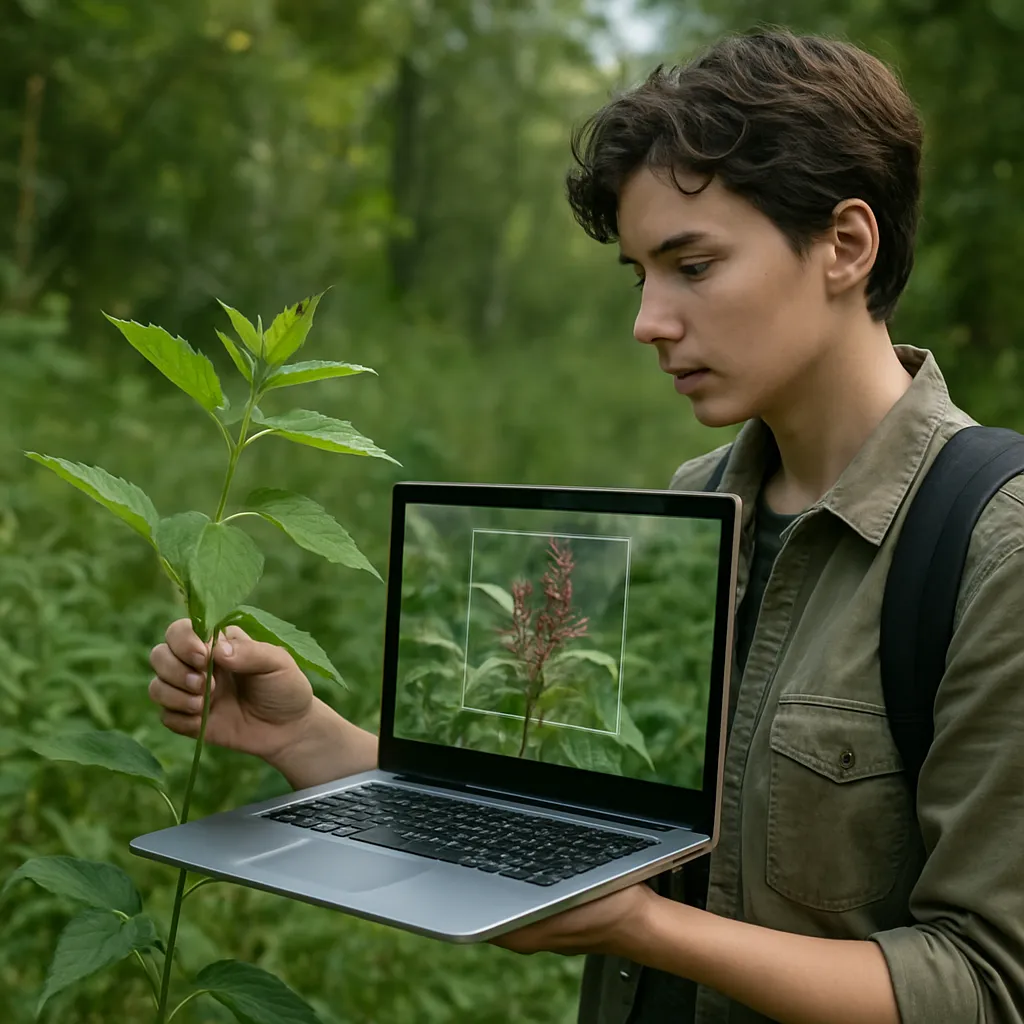
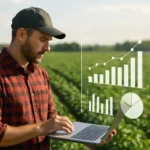


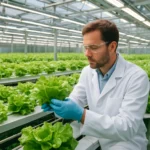
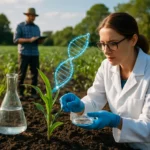
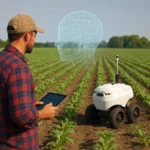
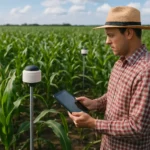
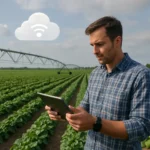

The marriage of extensive agricultural datasets with cutting-edge artificial intelligence has created a new paradigm in modern farming. This transformation is driven by the ability to convert raw numbers into actionable insights that empower farmers to make data-driven decisions. From optimizing water usage to predicting pest outbreaks, the combination of sensor networks, satellite imagery, and machine learning algorithms is reshaping how we cultivate and manage the land. The result is an era of innovation in which farms become living laboratories for efficiency and sustainability.
Precision Farming Powered by Data
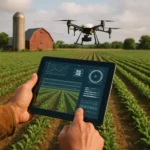
Advanced farmers leverage high-resolution maps and field-specific information to implement precision agriculture. At its core, this approach uses geospatial data from drones, satellites, and ground sensors to tailor interventions on a micro-scale, ensuring resources are applied exactly where they are needed.
Smart Irrigation
- Soil moisture sensors feed real-time metrics to AI platforms.
- Weather forecasts integrate with soil profiles to schedule watering windows.
- Automated valves and pumps deliver water with pinpoint accuracy.
By combining remote sensing with agronomic models, farms can reduce water waste by up to 30%. This level of optimization not only conserves precious resources but also safeguards crop health under variable climatic conditions.
Variable Rate Application
Fertilizer and pesticide distribution are no longer uniform blanket treatments across entire fields. Using yield maps and nutrient analyses, AI systems generate prescription files that guide machinery to adjust application rates on the fly. Key benefits include:
- Enhanced nutrient uptake and uniform plant growth.
- Reduced chemical runoff and environmental impact.
- Improved return on investment through targeted input use.
This data-driven method boosts overall yield while upholding soil health and promoting ecological harmony.
AI-driven Crop Monitoring and Disease Detection
Continuous monitoring of plant health is critical for timely interventions. Machine learning models trained on millions of labeled images and multispectral data enable early detection of stress factors such as nutrient deficiencies, fungal infections, and insect infestations.
Computer Vision Algorithms
High-altitude drones capture imagery at periodic intervals, feeding terabytes of photographs into deep learning pipelines. These systems:
- Identify irregular leaf discoloration with pixel-level precision.
- Classify disease patterns based on spectral signatures.
- Alert operators via mobile dashboards when anomalies exceed thresholds.
The integration of technology and agronomy here greatly reduces manual scouting time and minimizes crop losses.
Predictive Modeling
Beyond spotting current issues, predictive algorithms forecast future outbreaks by analyzing historical weather trends, humidity, and local topography. Farmers gain:
- Early warnings of potential disease hotspots.
- Guidance on optimal treatment windows.
- Scenarios that quantify risk under various management strategies.
With these predictive analytics in hand, farm managers can proactively apply treatments, reducing the need for emergency measures and preserving ecosystem balance.
Sustainability and Resource Management
Modern agriculture faces the dual challenge of feeding a growing population while protecting natural resources. Data-centric practices unlock new pathways for environmental stewardship.
Soil Health Analytics
Composite soil samples and near-infrared spectroscopy generate detailed profiles of pH, organic matter, and nutrient levels. AI-driven interpretations turn raw laboratory numbers into:
- Customized cover cropping plans to boost organic content.
- Variable lime applications to correct pH imbalances.
- Crop rotation schedules that prevent nutrient depletion.
These measures cultivate long-term resilience, ensuring that arable land remains productive for generations.
Climate Resilience
Climate-smart agriculture integrates predictive climate models with farm-specific data. By simulating rainfall variability and temperature extremes, these systems suggest:
- Crop varieties best suited for imminent weather scenarios.
- Planting dates that evade heatwaves or frost spells.
- Irrigation reserves planning for drought mitigation.
The outcome is an adaptive farm that weathers extremes without sacrificing productivity or ecological integrity.
Livestock Analytics and IoT Integration
Animal husbandry benefits greatly from connected devices that track health, behavior, and environment. When combined with data platforms, these technologies revolutionize herd management.
Wearable Devices
Collars and ear tags equipped with accelerometers, temperature sensors, and GPS units relay continuous streams of data. Farmers can:
- Monitor mobility patterns to detect lameness or injury.
- Track body temperature for early fever identification.
- Ensure animals graze in designated zones, optimizing pasture use.
Real-time alerts allow for prompt veterinary care, reducing mortality rates and enhancing overall efficiency in livestock operations.
Behavioral Insights
Machine learning models analyze daily movement and feeding metrics to identify deviations from normal routines. Key benefits include:
- Early detection of reproductive readiness or calving events.
- Recognition of stress responses linked to overcrowding or poor nutrition.
- Evaluation of social hierarchies and welfare conditions.
By translating raw numbers into meaningful patterns, these systems elevate both animal well-being and farm profitability.
Future Perspectives in Impressive Agriculture
The horizon of agriculture is shaped by emerging technologies that promise to further enhance farm productivity and environmental harmony. Innovations such as autonomous robots, blockchain-based supply chains, and open-data collaborations will define the next frontier.
- Robotics: Field robots capable of seeding, weeding, and harvesting with surgical precision.
- Blockchain: Transparent traceability systems that verify product origin and quality.
- Open Data: Shared datasets fostering community-driven research and cross-sector partnerships.
As these developments converge, the agricultural sector will not only feed a burgeoning global population but will do so with unprecedented optimization and respect for the planet. By embracing data as the new fertilizer, farmers cultivate a future of abundant harvests, robust ecosystems, and economic vitality.