

The intersection of cutting-edge **innovation** and traditional farming practices is transforming the way crops are cultivated, resources are managed, and communities thrive. In an era defined by unpredictable weather patterns and growing resource constraints, agriculture is rising to meet the challenges head-on through **data-driven**, climate-smart solutions. From targeted irrigation systems to aerial surveying, each advancement contributes to a more **resilient** and **sustainable** food system.
Precision Farming and Data-Driven Insights
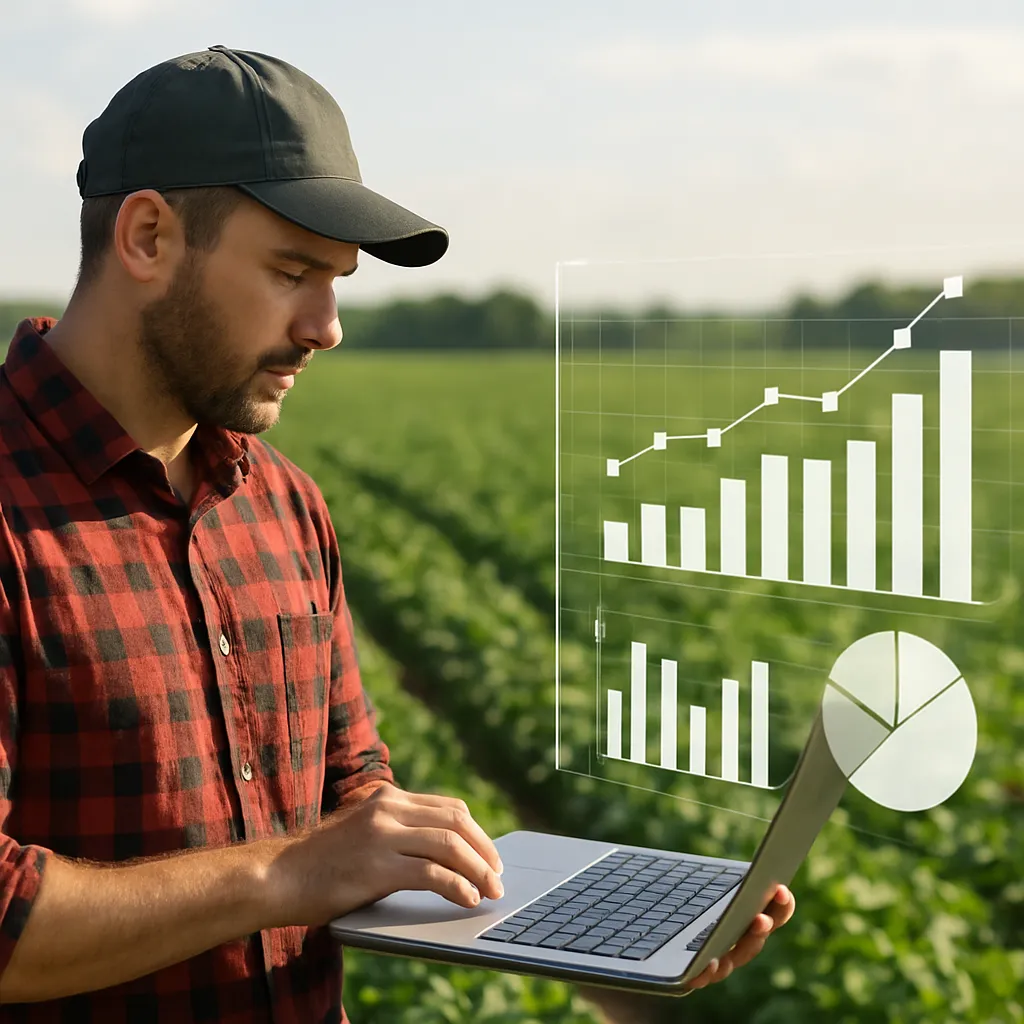
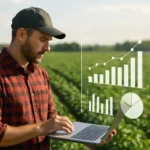
At the heart of climate-smart agriculture lies the concept of precision farming. By leveraging sensors, satellite imagery, and advanced analytics, farmers can make real-time decisions that optimize input usage and maximize yields.
Soil and Moisture Sensing
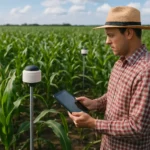
Modern fields are equipped with networks of IoT sensors that continuously monitor:
- Moisture levels at different soil depths
- Nutrient concentrations such as nitrogen, phosphorus, and potassium
- pH and temperature fluctuations
These devices transmit data to centralized platforms, where machine-learning algorithms interpret patterns and recommend precise irrigation or fertilization schedules. The result is a drastic reduction in water waste and chemical runoff, promoting healthier ecosystems.
Remote Sensing and Drone Surveillance
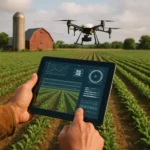
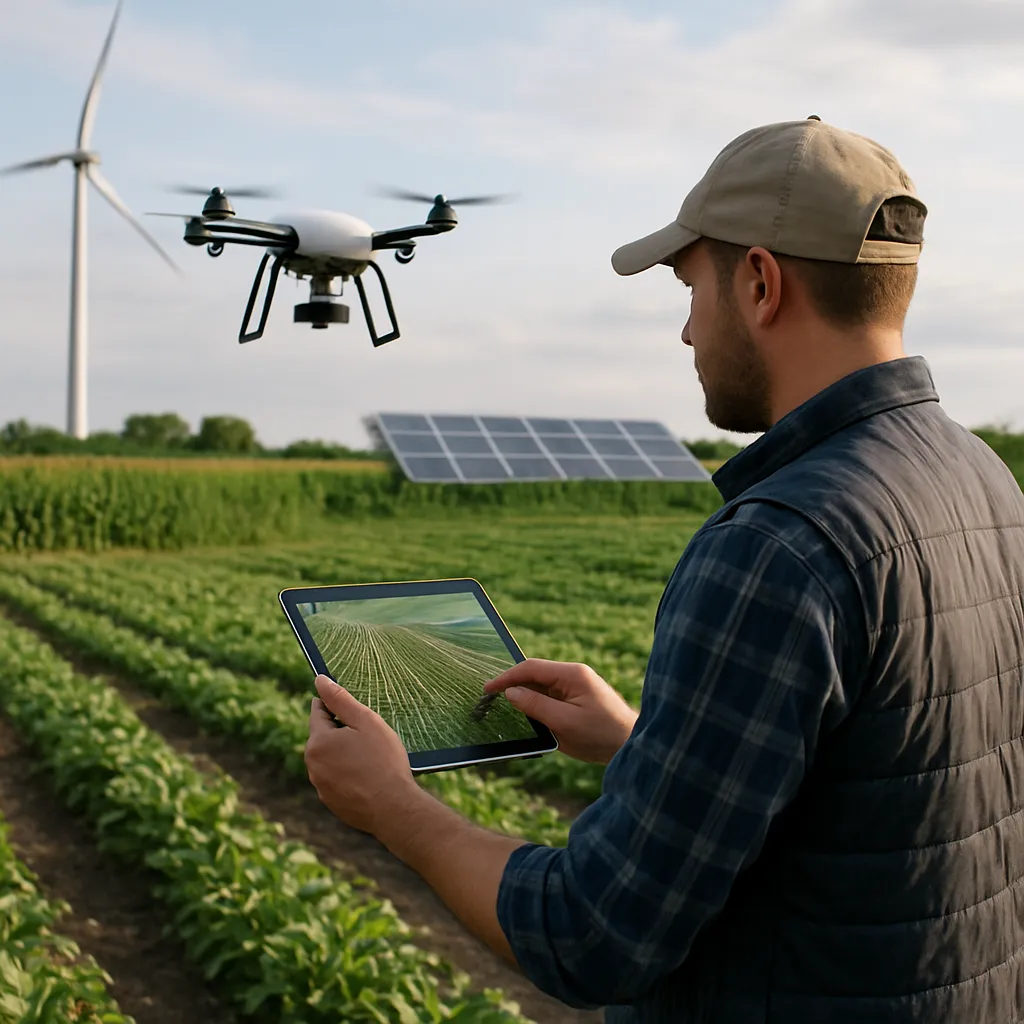
Drones outfitted with multispectral cameras and LiDAR scanners can survey vast tracts of land in hours, identifying stress indicators before they become visible to the naked eye. Farmers can:
- Detect early signs of disease or pest infestation
- Map field variability for targeted interventions
- Monitor growth stages and predict optimal harvest windows
This aerial perspective enables proactive management, reducing crop losses and ensuring that resources are deployed where they are needed most.
Innovations in Sustainable Water and Soil Management
Water scarcity and soil degradation pose significant threats to global food security. Emerging technologies offer actionable pathways to conserve resources and revitalize land.
Smart Irrigation Networks
Connected drip and sprinkler systems, powered by solar panels and managed via smartphone apps, bring unmatched efficiency to water delivery. By applying micro-doses of water directly to the root zone, these systems:
- Ensure up to 60% less water consumption compared to conventional methods
- Minimize evaporation and nutrient leaching
- Integrate weather forecasts to preemptively adjust schedules
As a result, farmers can maintain productivity even in regions facing prolonged droughts.
Regenerative Soil Practices
Beyond machinery, a wave of biological innovations is improving soil health and carbon sequestration. Approaches include:
- Cover cropping with legumes and deep-rooted plants to build organic matter
- Biochar amendments that lock carbon into the soil for centuries
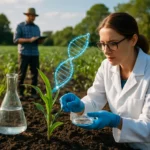
- Microbial inoculants enhancing nutrient cycling and plant resilience
These **regenerative** techniques not only boost fertility but also contribute to global **climate** mitigation efforts by capturing atmospheric CO2.
The Role of Automation and Robotics
Farm labor shortages and the demand for consistent quality have sparked rapid developments in agricultural robotics. Automated machines are now capable of performing complex tasks with minimal human intervention.
Autonomous Tractors and Harvesters
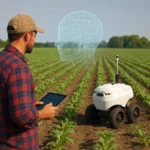
Self-driving tractors equipped with GPS, cameras, and radar sensors can plow, seed, and spray with centimeter-level accuracy. Their benefits include:
- Reduced fuel consumption through optimized field paths
- Continuous operations, maximizing short planting windows
- Lower labor costs and increased safety
Similarly, robotic harvesters use AI vision to pick fruit and vegetables at peak ripeness, decreasing post-harvest losses and ensuring uniform product quality.
Weeding and Pest Control Bots
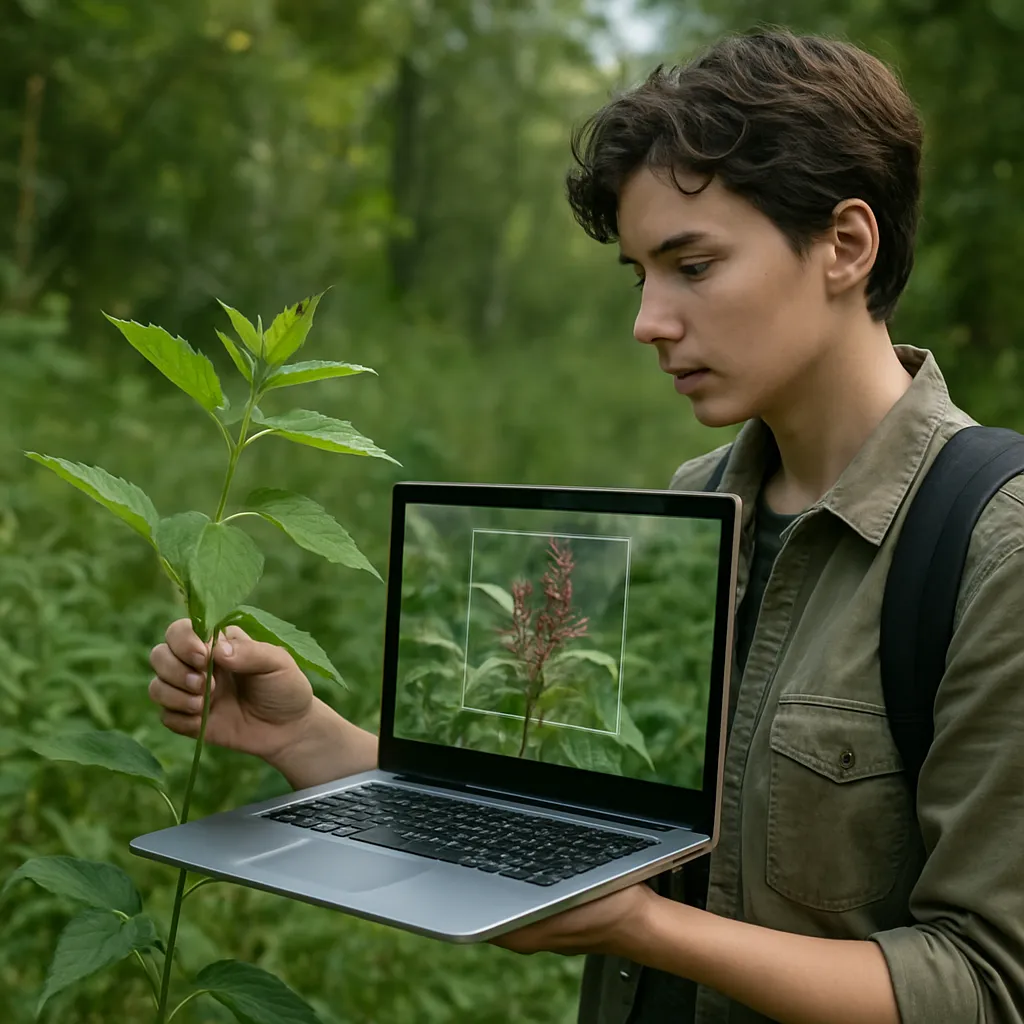
Instead of blanket pesticide applications, small autonomous units traverse fields, identify weeds or insect hotspots, and apply micro-doses of bio-pesticides. This targeted approach:
- Reduces chemical usage by up to 90%
- Preserves beneficial insects and soil fauna
- Supports integrated pest management (IPM) strategies
Emerging Technologies Driving Resilience
Beyond current tools, a new frontier of technologies promises to further revolutionize climate-smart agriculture.
Blockchain for Traceability
Blockchain platforms record every step of the supply chain, from seed origin to consumer plate. This transparent ledger:
- Ensures food safety and quality verification
- Empowers farmers with fair pricing models
- Encourages sustainable practices by rewarding responsible producers
Artificial Intelligence and Predictive Modeling
AI-driven platforms integrate weather forecasts, market trends, and on-farm sensor data to deliver predictive insights. Farmers can:
- Anticipate pest outbreaks and deploy countermeasures
- Forecast yield outcomes for better financial planning
- Optimize crop rotations to maintain soil fertility
These advanced modeling tools serve as digital advisors, guiding decisions that balance productivity with environmental stewardship.
Vertical Farming and Controlled-Environment Agriculture
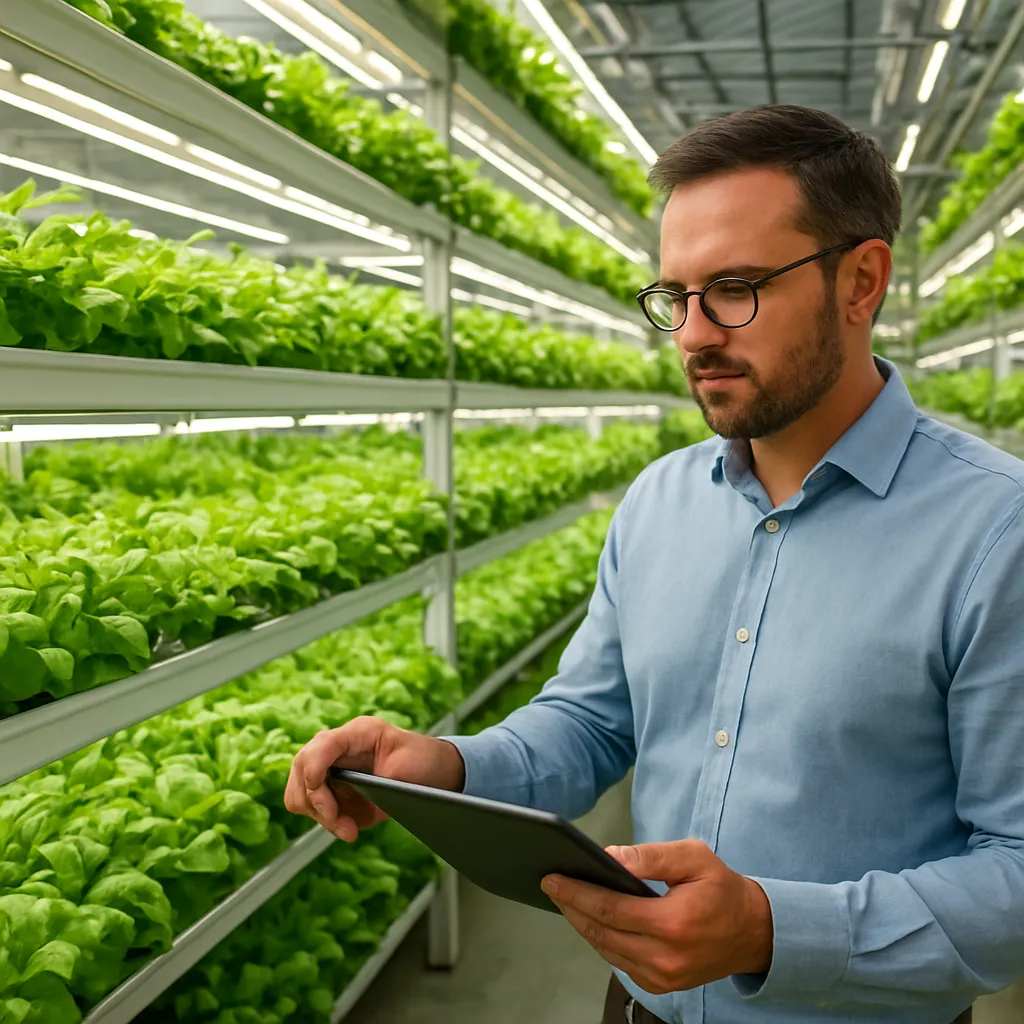
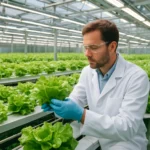
In urban centers and climates unsuitable for traditional farming, vertical farms harness LED lighting, hydroponics, and climate control systems to grow leafy greens, herbs, and berries year-round. Advantages include:
- Up to 95% less water usage through closed-loop systems
- Zero dependence on arable land, reducing deforestation pressure
- Minimal pesticide requirements in sterile environments
By bringing production closer to consumers, these facilities minimize transportation emissions and deliver ultra-fresh produce.
As the agricultural sector continues to embrace breakthrough technologies, the fusion of **efficiency**, **sustainability**, and **resilience** will define the next era of food production. With every sensor deployed, algorithm refined, and machine deployed, farmers edge closer to a future where feeding the world aligns seamlessly with protecting the planet.