



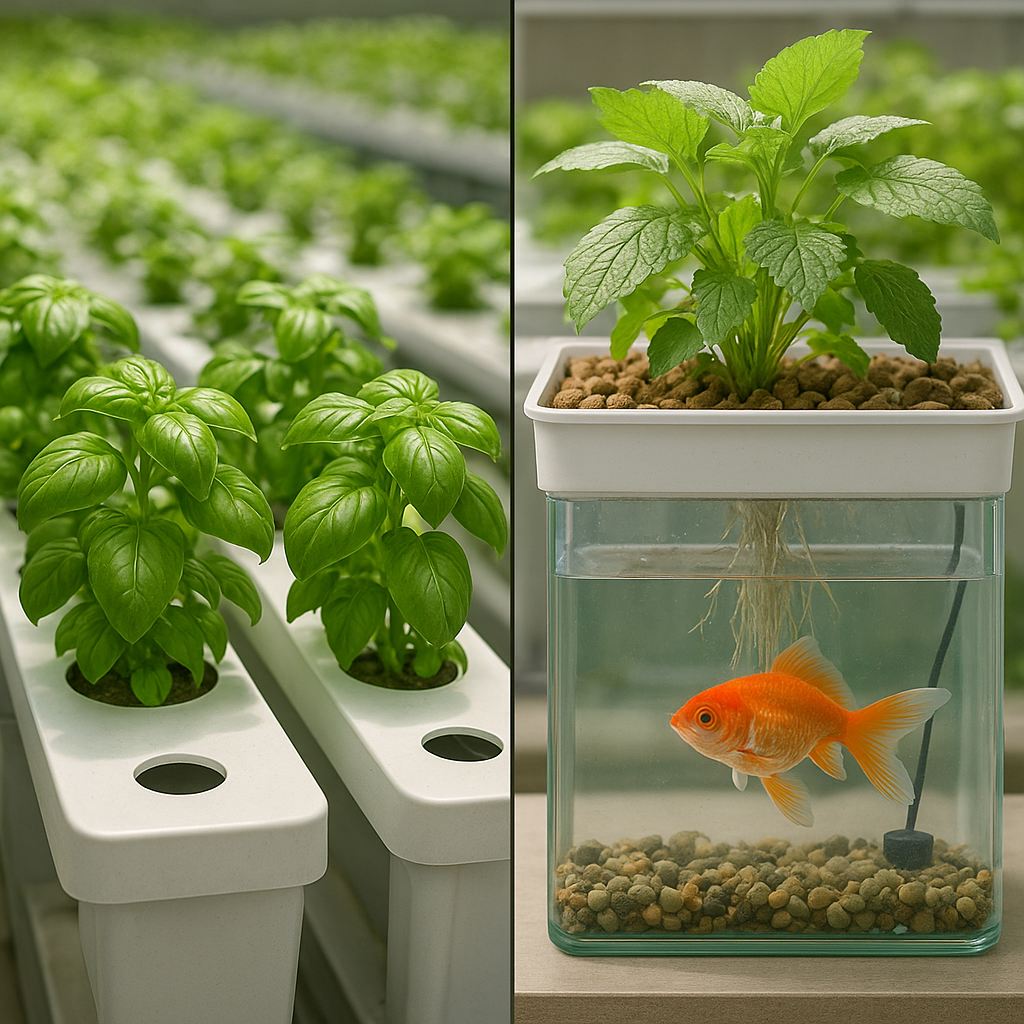
The realm of innovative agriculture has witnessed remarkable strides in recent years, with growers exploring cutting-edge methods to maximize productivity while minimizing environmental impact. Two leading contenders—hydroponics and aquaponics—have emerged as transformative systems capable of redefining modern cultivation. By examining the inner workings, benefits, and challenges of each approach, growers and researchers can determine which system prevails in different contexts. This article delves into these soilless farming techniques, offering an in-depth comparison to help you decide which system wins.
Hydroponics Unveiled
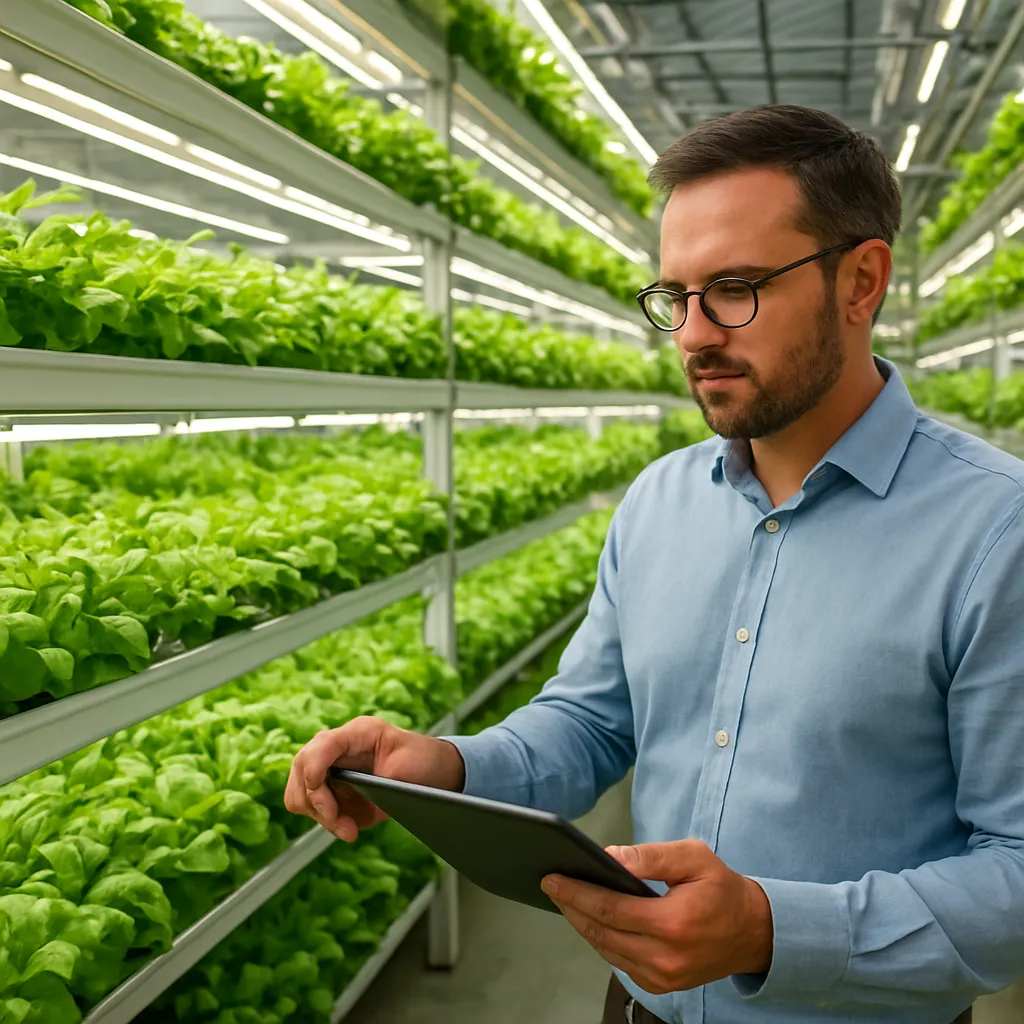
Hydroponics, a method of growing plants using nutrient-enriched water instead of soil, has been at the forefront of resource efficiency and controlled-environment agriculture. Originating from early 20th-century experiments, this technique relies on precise management of water, light, and essential minerals to drive rapid plant growth.
Core Principles
- Nutrient Solution: Plants receive a carefully balanced mix of macronutrients (nitrogen, phosphorus, potassium) and micronutrients (iron, zinc, manganese).
- Water Delivery: Methods include nutrient film technique (NFT), deep water culture (DWC), ebb and flow, and drip systems.
- pH and EC Control: Maintaining optimal pH (5.5–6.5) and electrical conductivity ensures maximum efficiency of nutrient uptake.
- Environmental Regulation: Factors like temperature, humidity, and CO2 levels are fine-tuned to boost yield and minimize stress.
Advantages of Hydroponics
- Water Conservation: Uses up to 90% less water than traditional soil-based farming due to recirculation.
- Space Efficiency: Vertical farms and stacked systems allow for high-density planting.
- Accelerated Growth: Direct access to nutrients speeds up the vegetative cycle, producing multiple harvests per year.
- Pest and Disease Control: Soil-borne pathogens are eliminated, reducing pesticide use.
- Scalability: From home setups to commercial greenhouses, hydroponic modules can be easily scaled.
Challenges and Considerations
- Initial Investment: Systems and monitoring equipment can be costly.
- Technical Expertise: Requires constant oversight of nutrient concentration and system integrity.
- Electricity Dependence: Pumps, lights, and climate controls demand reliable power.
- System Failure Risks: Equipment breakdowns can cause rapid nutrient depletion and crop loss.
Aquaponics Demystified
Aquaponics merges aquaculture (fish farming) with hydroponics, creating a synergistic ecosystem where fish waste supplies nutrients for plants, and plants filter water for the fish. This holistic approach embodies sustainability, integrating two food production systems into a closed-loop cycle.
How It Works
In an aquaponic setup, fish are housed in tanks where they generate waste rich in ammonia. Beneficial bacteria convert ammonia into nitrites and then nitrates, which plants absorb as nutrients. The cleansed water returns to the fish tank, completing the cycle.
Key Components
- Fish Tank: Common species include tilapia, trout, and catfish, chosen for tolerance and growth rate.
- Biofilter: Hosts nitrifying bacteria to process fish waste into plant-available forms.
- Grow Beds: Media-based or raft systems where plants like lettuce, herbs, and tomatoes thrive.
- Water Pump and Aeration: Ensures continuous circulation and oxygenation for both fish and roots.
Benefits of Aquaponics
- Dual Yield: Simultaneous harvest of fish protein and fresh produce.
- Reduced Inputs: No need for synthetic fertilizers; the system recycles fish waste.
- Eco-Friendly: Lower water usage and minimal effluent discharge.
- Natural Pest Resistance: Balanced ecosystems can deter pests and diseases.
- Enhanced Flavor: Plants often exhibit superior taste and nutritional content due to dynamic nutrient availability.
Drawbacks and Limitations
- Complex Balance: Maintaining ideal fish and plant parameters requires careful monitoring.
- Species Compatibility: Ensuring fish and plant species thrive under the same conditions can be challenging.
- Higher Upfront Costs: Integrated systems with tanks, filters, and pumps demand substantial capital.
- Regulatory Hurdles: Fish farming may involve additional licenses or compliance with food safety standards.
Side-by-Side System Analysis
Comparing hydroponics and aquaponics reveals intertwined strengths and weaknesses. Understanding these factors helps growers match the right solution to their goals and constraints.
Resource Utilization
Hydroponics excels in simplicity of nutrient management but relies heavily on purchased chemicals. Aquaponics leverages fish waste for nutrients, promoting circularity yet requiring fish feed and more water for aquatic health. Both systems drastically outperform soil farming in water efficiency, but aquaponics edges ahead in natural recycling of inputs.
Operational Complexity
Hydroponic operations can be straightforward once set up, with fewer biological variables to manage. Aquaponics demands proficiency in both horticulture and aquaculture, as imbalances in one half jeopardize the entire system. For novices seeking a focused grow environment, hydroponics often presents an easier learning curve.
Production Metrics
- Growth Rate: Hydroponic lettuce can reach harvest in 30 days; aquaponic lettuce may need 35–40 days due to nutrient dynamics.
- Crop Diversity: Both systems support leafy greens, herbs, and fruiting plants, but aquaponics may limit heavy-feeders without supplemental fertilization.
- Fish Yield: Aquaponics adds an extra dimension of protein production, offering a sustainable fish harvest.
Economic Considerations
Cost-benefit analyses must factor in labor, capital, and ongoing inputs. Hydroponics can achieve rapid ROI for leafy greens in high-value markets. Aquaponics, while requiring greater initial outlay, can diversify revenue streams by selling both fish and produce, potentially stabilizing income against market fluctuations.
Determining the Winner
No single system universally triumphs; the choice hinges on specific objectives, local resources, and grower expertise. Evaluate these criteria to determine which approach aligns with your vision:
- Available Capital: If budget constraints are tight, a streamlined hydroponic setup may be more feasible.
- Technical Skills: Growers with aquaculture experience might leverage aquaponics’ full potential.
- Space Limitations: Vertical hydroponic farms maximize square footage.
- Market Demand: Regions with high fish consumption can benefit from aquaponic protein production.
- Environmental Goals: Aquaponics often scores higher on closed-loop sustainability metrics.
In the quest for transformative agriculture, both hydroponics and aquaponics offer groundbreaking pathways toward sustainable, high-yield cultivation. By weighing factors such as innovation, complexity, and resource management, growers can select the system that best supports their ecological and economic ambitions.