


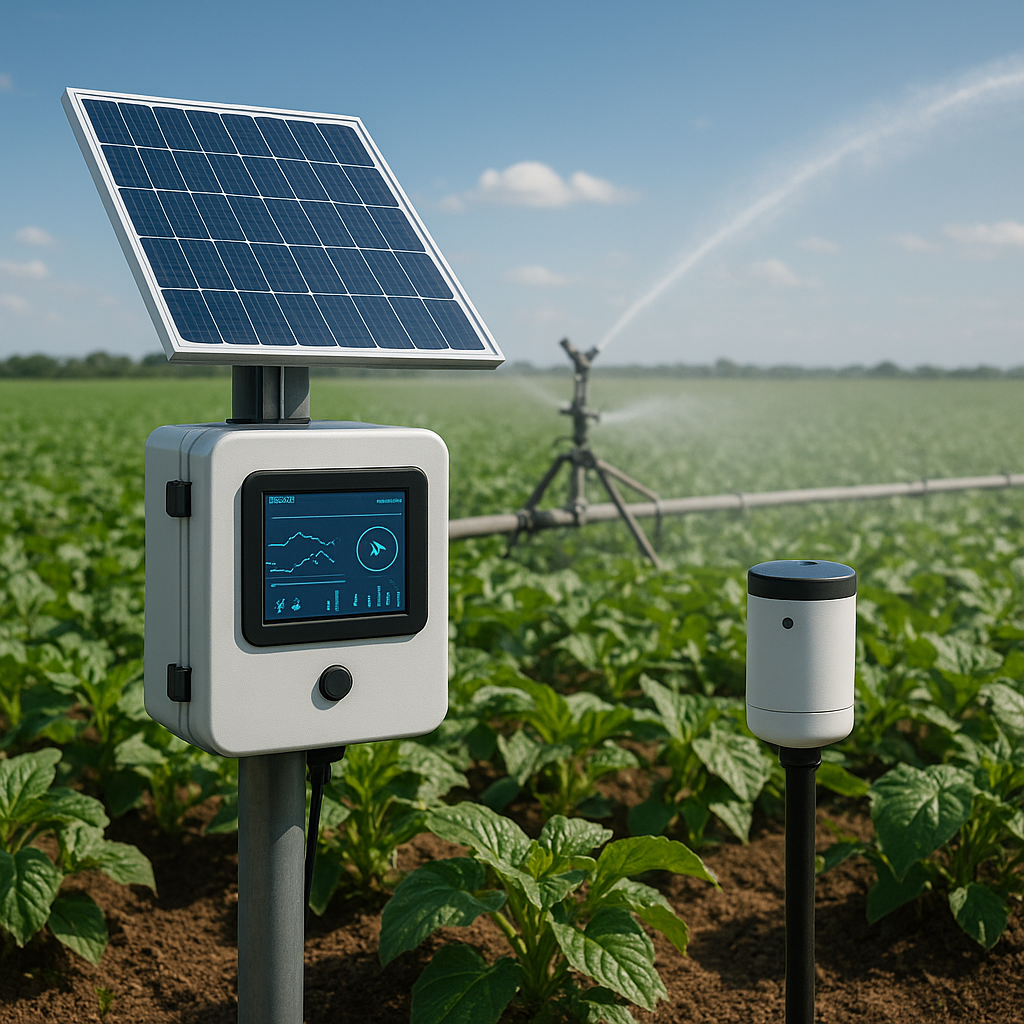
Innovations in modern agriculture are redefining the boundaries of crop management, bringing together advanced technologies that transform water use into a highly efficient and sustainable resource. By integrating cutting-edge sensors with artificial intelligence platforms, farmers achieve unprecedented insight into soil conditions, microclimates, and irrigation performance. This synergy not only optimizes field operations but also underpins a new era of precision irrigation, in which every drop counts toward maximum yield and minimal waste.
Empowering Farms with AI-driven Sensors
Sensor networks have become the backbone of next-generation irrigation systems, providing real-time data from every corner of the field. These devices measure soil moisture, nutrient levels, ambient temperature, and humidity with remarkable accuracy. When connected to a central AI engine, data streams converge into actionable insights that guide irrigation schedules, pump activation, and valve adjustments.
Key Components of Smart Sensor Arrays
- Capacitive soil probes for continuous moisture monitoring
- NDVI cameras mounted on drones for canopy health mapping
- Weather stations equipped with barometric and rain gauges
- IoT gateways ensuring low-latency data transfer
With decentralized processing power, edge devices perform initial data filtering, alerting AI algorithms only when anomalies such as unexpected dryness or disease risk arise. This reduces network congestion and enables near-instant corrective actions, from increasing water flow to deploying targeted foliar sprays.
Through machine learning, the system continuously refines its predictions, learning how local soil types respond to varying irrigation volumes. This self-improving cycle fosters greater resilience against droughts and weather extremes, safeguarding crop health and bolstering food security.
Data Analytics and Precision Water Management
At the heart of modern irrigation lies a layered analytics architecture that digests terabytes of sensor records, weather forecasts, and historical yield data. Advanced AI models then determine the optimal irrigation plan for each zone within a field. These plans balance water conservation goals with the need to maintain peak plant productivity.
Algorithmic Strategies for Optimal Hydration
- Predictive scheduling using long-short term memory (LSTM) networks
- Adaptive feedback loops responding to real-time moisture thresholds
- Geostatistical interpolation to map moisture variability across terrain
- Risk modeling for frost, heat stress, and pathogen outbreaks
By forecasting soil moisture deficits days in advance, the system prevents over-irrigation and runoff, protecting waterways from nutrient leaching. Additionally, AI-driven decision support can integrate economic factors—such as water pricing, energy costs, and crop market values—to schedule irrigation when it is both cost-effective and agronomically beneficial.
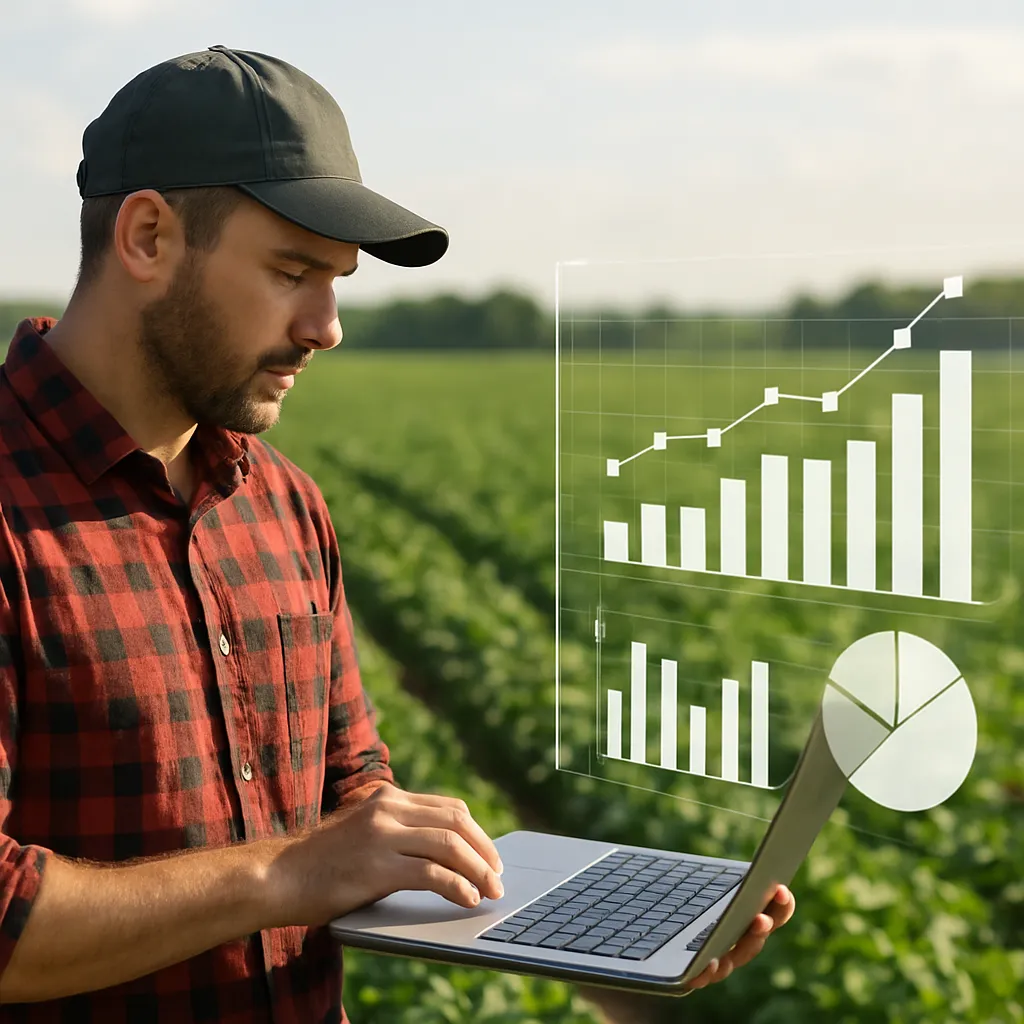
Farm managers access interactive dashboards that visualize moisture contours, pump energy consumption, and irrigation histories. With customizable alert thresholds, stakeholders receive notifications via mobile apps, SMS, or email, ensuring that human oversight remains integral to automated processes.
Environmental and Economic Impact
Implementing AI and sensor integration in irrigation delivers far-reaching benefits, from reducing greenhouse gas emissions to enhancing farm profitability. By cutting water usage by up to 40%, innovative systems preserve regional aquifers and reduce the carbon footprint associated with water pumping.
Ecological Advantages
- Minimized soil erosion through precise flow regulation
- Enhanced biodiversity via healthier riparian buffers
- Lower chemical runoff with targeted nutrient delivery
- Improved groundwater recharge rates
Economically, farms witness substantial savings as automation curtails labor requirements and shrinks utility bills. Crop yield consistency improves thanks to uniform irrigation, boosting revenue predictability. Furthermore, participation in carbon credit and water credit programs offers additional income streams, incentivizing further technology adoption.
Rural communities benefit when local agriculture remains competitive and sustainable. The multiplier effect of efficient irrigation extends to processing facilities, storage operators, and distributors, reinforcing entire supply chains against climate risks.
Challenges and Future Outlook
Despite remarkable advances, several hurdles must be addressed to fully realize the promise of AI-enabled irrigation. Data privacy concerns, high initial investment costs, and the need for robust connectivity in remote areas present obstacles. Interoperability among heterogeneous sensor brands and varying communication protocols also complicates large-scale deployments.
Strategies to Overcome Adoption Barriers
- Open standards for IoT device communication
- Subsidies and financing models to lower capital barriers
- Edge computing solutions to minimize reliance on cloud networks
- Training programs equipping farmers with digital skills
Looking ahead, the integration of satellite-based remote sensing, automated nutrient dosing, and blockchains for water rights tracking will deepen the capabilities of precision irrigation. Collaborations among agritech startups, research institutions, and government bodies will be crucial to scaling these solutions and securing a more sustainable agricultural future.