


The intricate tapestry of agriculture rests upon an often-overlooked element: the foundation beneath our feet. By focusing on soil health, researchers and farmers alike unlock pathways to enhanced crop yields, long-term sustainability, and bolstered global food security. A deeper dive into the living ecosystem present within soil reveals the dynamic interplay of biology, chemistry, and physics. This article explores the multifaceted components that define a thriving soil environment, the groundbreaking practices reshaping modern agronomy, and the socioeconomic frameworks that guide policy and investment in this hidden realm.
The Pillars of Soil Health
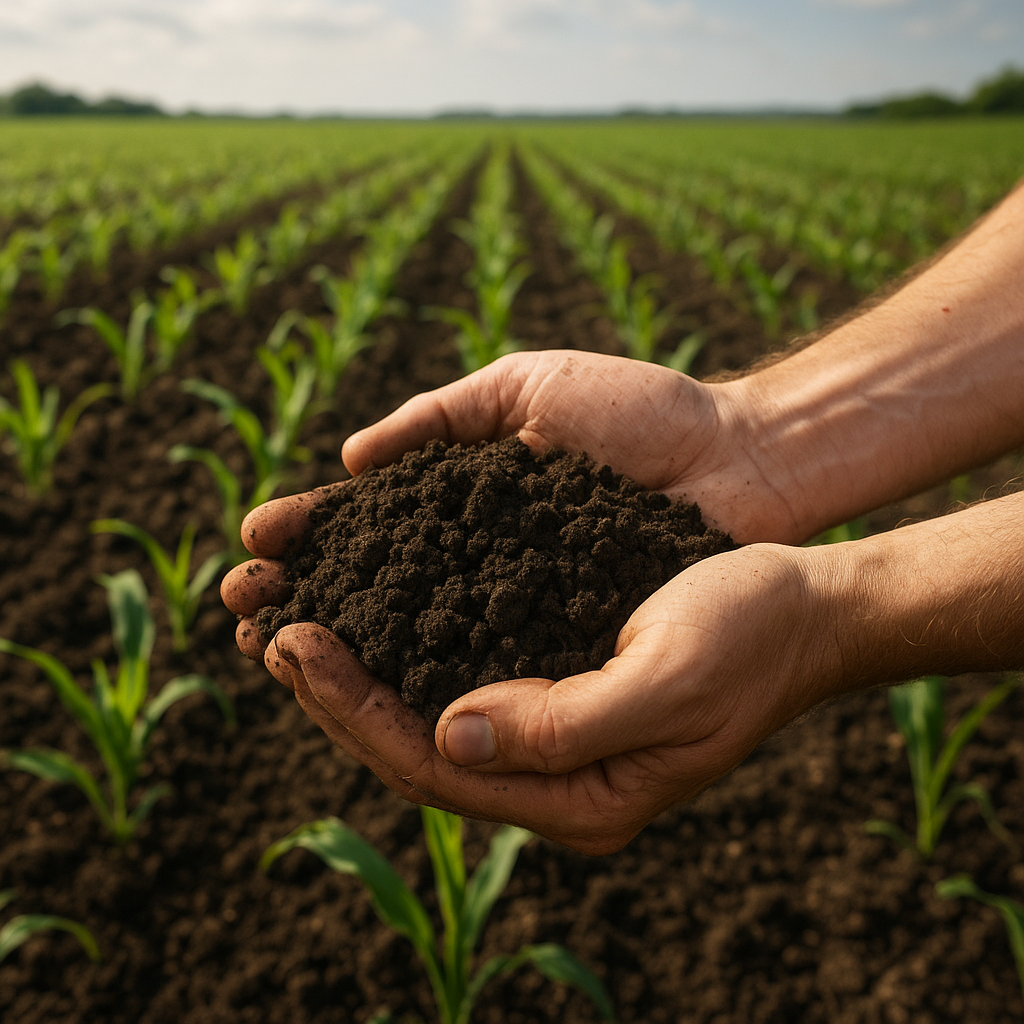
Maintaining fertile ground goes far beyond simply adding fertilizers. A robust understanding of the soil’s living infrastructure is essential. At its core, soil is a complex microbiome, hosting bacteria, fungi, arthropods, and earthworms that drive critical processes:
- Decomposition of organic matter, returning vital nutrients to plants.
- Nutrient cycling through nitrogen fixation, phosphorus solubilization, and micronutrient mobilization.
- Formation of soil aggregates, enhancing porosity and water retention.
- Suppression of pathogens via beneficial microbial competition.
Equally important are the physical and chemical dimensions. Soil structure determines root proliferation and water infiltration. A crumb-like aggregate structure reduces erosion, while a balanced pH ensures nutrient availability. The presence of organic carbon not only nourishes microbial communities but also plays a pivotal role in carbon sequestration, mitigating greenhouse gas emissions. In essence, soil health emerges where biology, chemistry, and physics converge in harmony.
Innovations in Agronomic Practices
Recent advances in farming techniques have revolutionized how soil ecosystems are managed. Conventional plowing, once considered indispensable, is giving way to conservation tillage methods that preserve soil integrity. No-till practices minimize disturbance, fostering a stable habitat for microorganisms and reducing the loss of moisture. Cover cropping systems introduce diversity above ground, translating to richer biodiversity below:
- Legume species fix atmospheric nitrogen, cutting synthetic fertilizer needs.
- Deep-rooted plants break up compacted layers, enhancing aeration.
- Residue cover safeguards against temperature extremes and erosion.
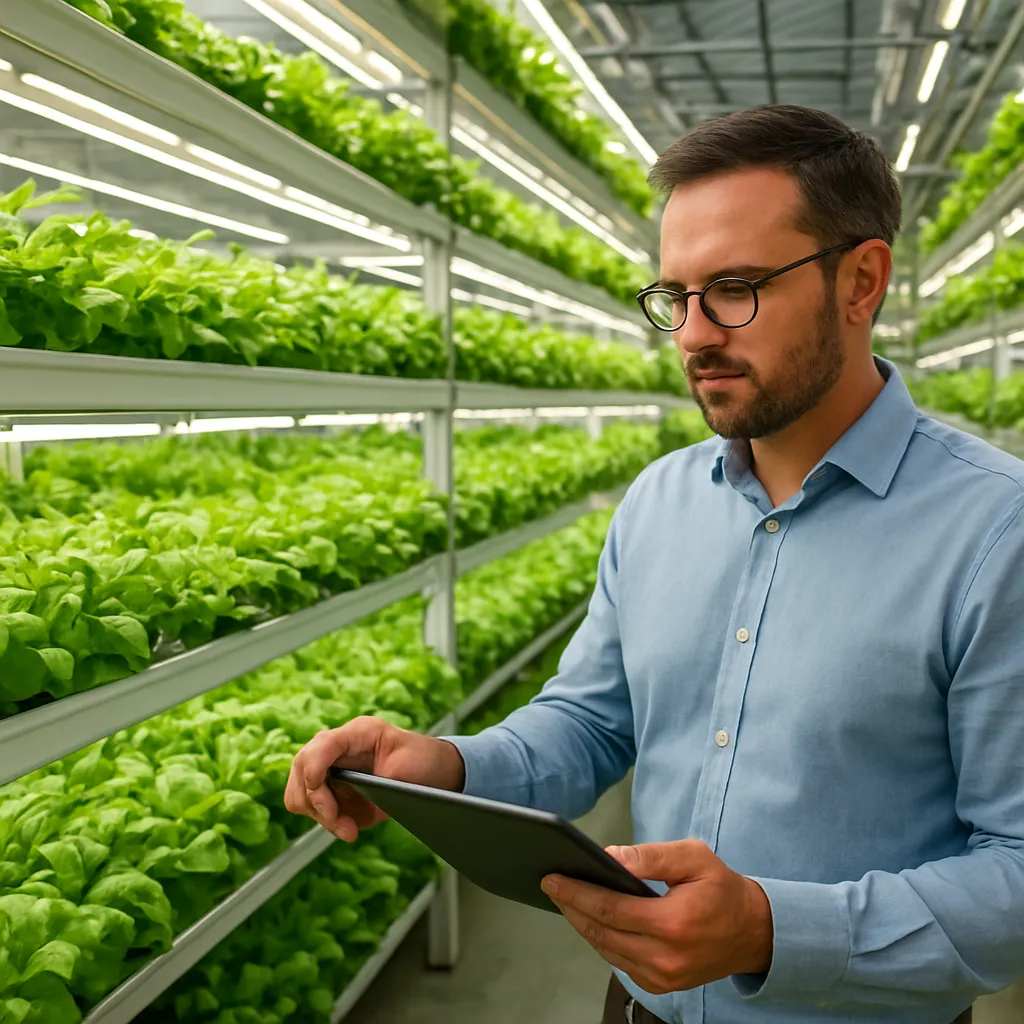
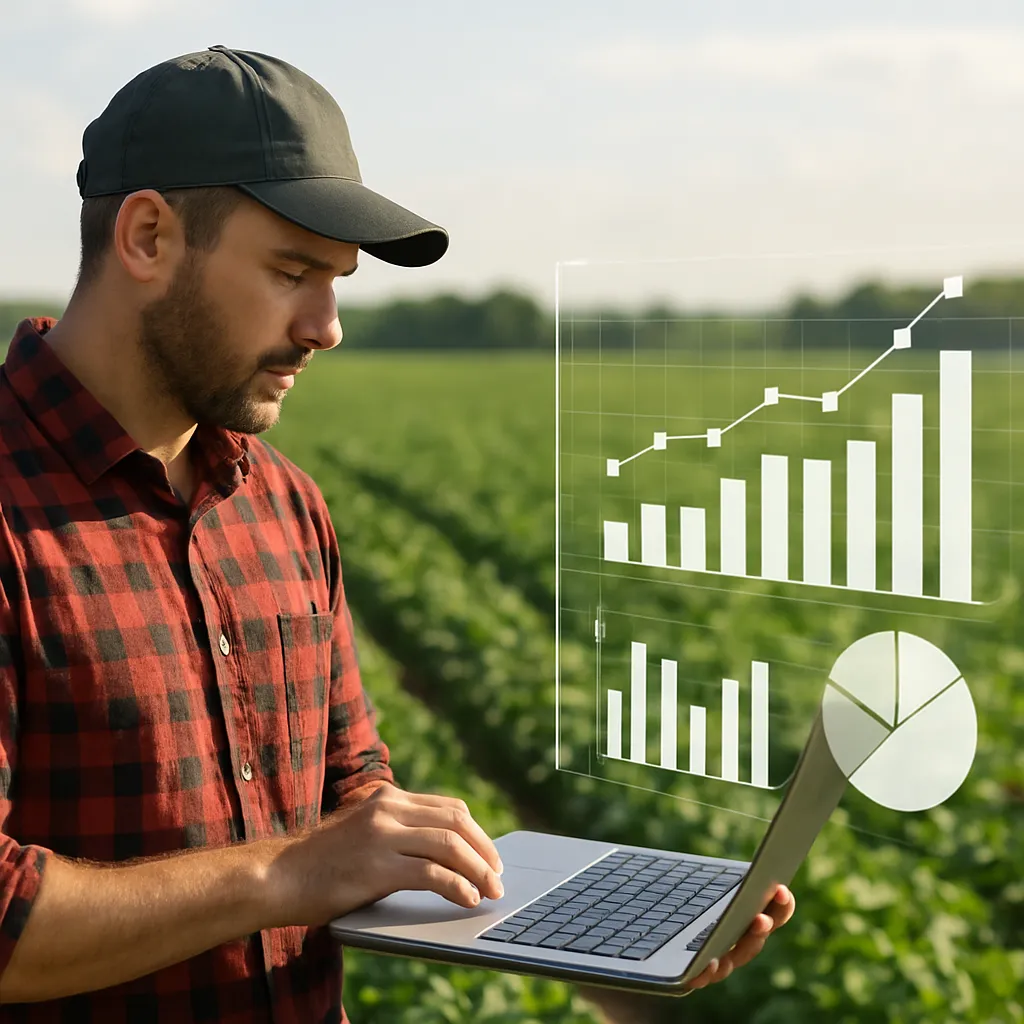
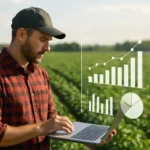
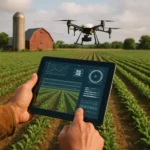
Regenerative agriculture approaches take this further by integrating livestock grazing, agroforestry, and rotational cropping. These systems mimic natural ecosystems, promoting continual organic matter inputs and reducing external inputs. Precision agriculture deploys sensors, drones, and data analytics to manage nutrient applications with unprecedented accuracy. By targeting fertilizer placement and irrigation, farmers optimize resource use and curtail runoff, protecting waterways.
Socioeconomic Impacts and Policy Frameworks
Investing in soil health transcends environmental stewardship; it shapes rural livelihoods and national economies. Regions that adopt soil-building strategies often witness increased farm profitability through lower input costs and higher-quality yields. Smallholder farmers, when supported by extension services and microfinance, can implement organic amendments like compost and biochar, amplifying their resilience to market fluctuations and climate variability.
Policy Instruments
- Subsidies for adopting cover crops or no-till equipment.
- Carbon credit markets rewarding farmers for additional soil carbon.
- Research grants fostering innovation in biofertilizers and microbial inoculants.
International development programs increasingly prioritize soil health as a cornerstone of rural development. By integrating land tenure security with technical training, these initiatives empower communities to manage resources sustainably. Private-public partnerships are pioneering digital platforms that map soil properties globally, guiding investments where they’re most needed. When policy aligns with scientific insights, the result is enhanced resilience of food systems facing unprecedented challenges.
Future Prospects and Challenges
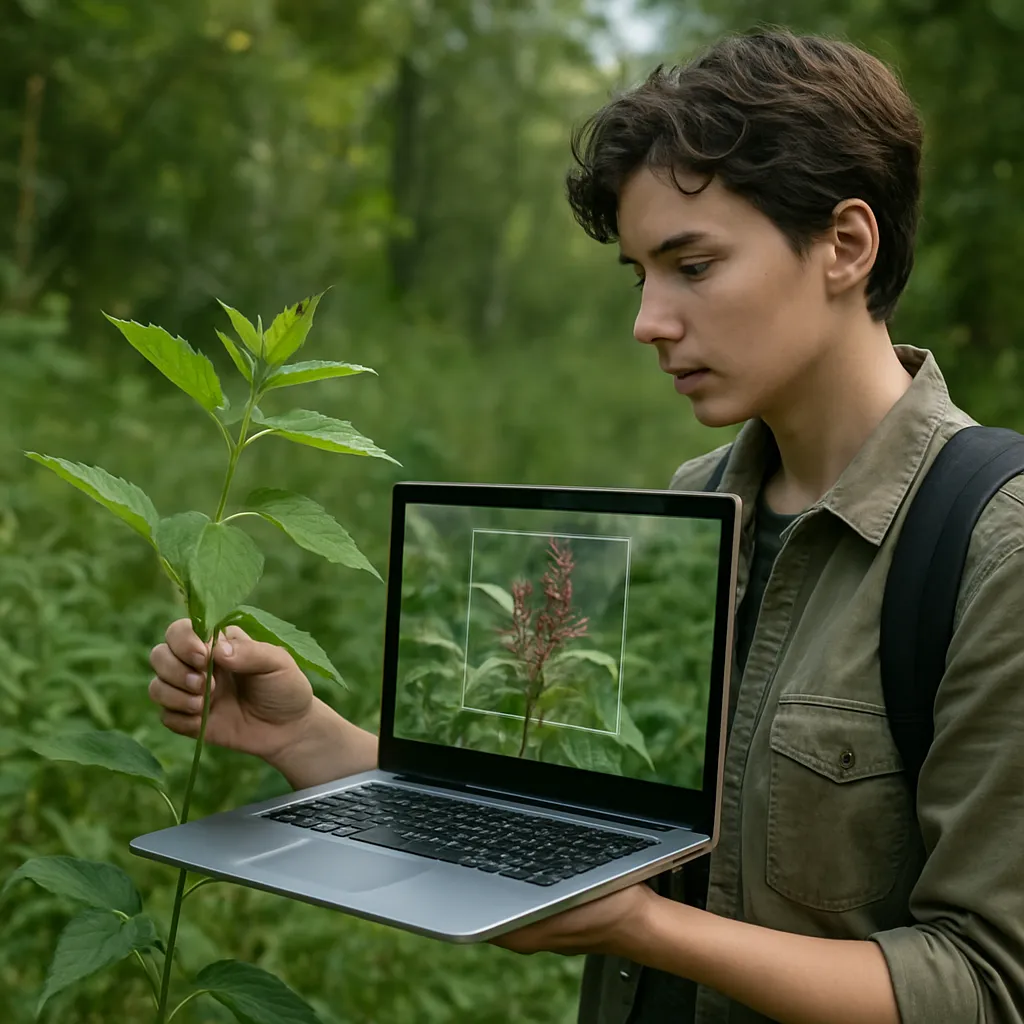
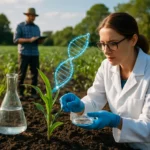
Looking ahead, the quest to safeguard soil will hinge on collaboration across disciplines. Emerging biotechnologies offer the promise of designer microbial communities tailored to specific soils, boosting nutrient availability and disease resistance. Meanwhile, the integration of satellite imagery with machine learning algorithms can detect early signs of soil degradation and alert stakeholders in real time.
Key Obstacles
- Data accessibility and standardization across diverse agricultural regions.
- Balancing short-term yield goals with long-term ecosystem health.
- Securing funding for small-scale farmers to adopt innovative practices.
Overcoming these challenges demands continuous learning and adaptive management. By nurturing the unseen network beneath our fields, humanity stands to reinforce the very basis of food security. The synergy of ancient wisdom and cutting-edge science can elevate agriculture to unprecedented levels of productivity, equity, and environmental stewardship.