


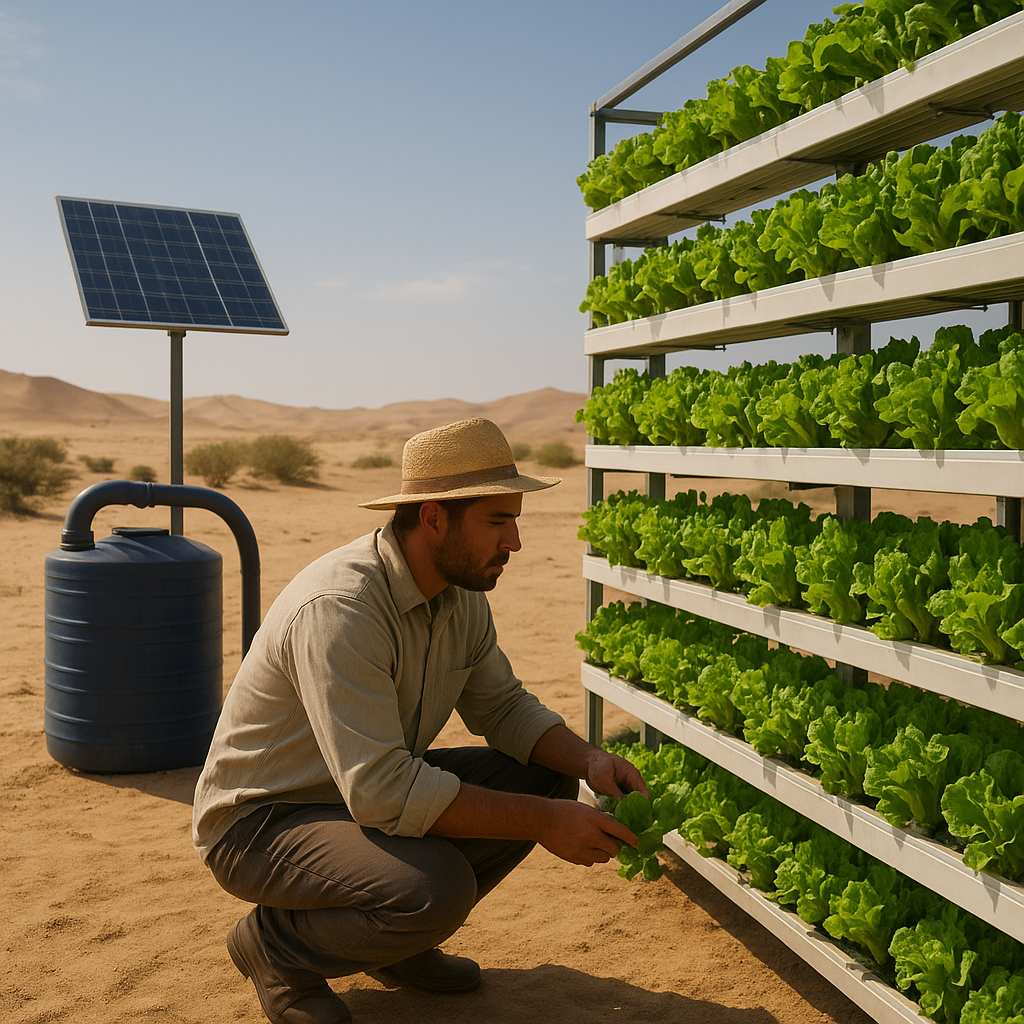
The relentless march of climate change and the growing demand for food production have spurred a revolution in cultivating the world’s most inhospitable terrains. Pioneering efforts in desert agriculture are unlocking the potential of barren landscapes, transforming vast expanses of sand into verdant fields. By harnessing cutting-edge methods that minimize water usage and maximize yield, researchers and entrepreneurs are redefining the boundaries of what is possible in arid environments. This exploration of the future of desert farming and waterless growth delves into the latest innovations, technologies, and broader impacts shaping a new era of sustainability and abundance.
Innovations Transforming Arid Landscapes
Hydroponic and Aeroponic Cultivation
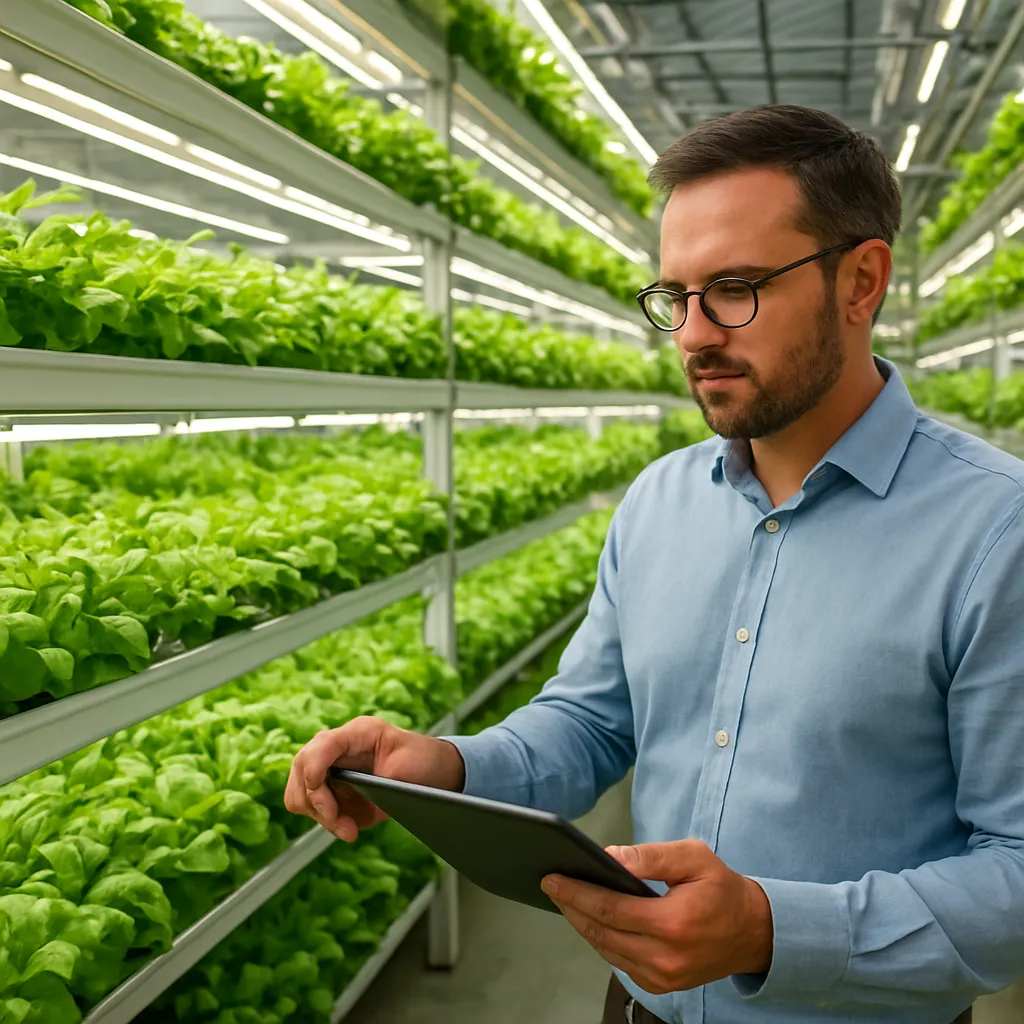
At the forefront of impressive agriculture in deserts lie hydroponics and aeroponics systems that eliminate traditional soil altogether. These soilless methods deliver nutrients directly to plant roots via nutrient-rich water or mist, slashing water consumption by up to 90% compared to field farming. Modular greenhouses equipped with closed-loop reservoirs recycle every drop of moisture, reducing waste and ensuring consistent growth throughout the year. Crops such as lettuce, tomatoes, and peppers thrive in these controlled chambers, where environmental variables—temperature, humidity, light spectrum—are fine-tuned for peak productivity.
Innovators are now integrating solar-powered pumps and gravity-fed irrigation lines to further enhance efficiency. By coupling solar photovoltaic panels with low-energy pumps, hydroponic farms operate off-grid, bringing fresh produce to remote desert communities. The marriage of renewable energy and precise nutrient delivery forms a blueprint for scalable, resilient agriculture that sidesteps water scarcity.
Biodesalination and Soil Renewal
Beyond soilless farming, scientists are exploring biodesalination techniques that leverage halophyte plants, algae, and specialized microbes to remove salts from brackish groundwater. These biological desalination units can be intercropped with traditional vegetable rows, gradually rehabilitating saline soils. As salts are extracted and mineral profiles adjust, previously unusable land becomes arable, ushering in new opportunities for farmers.
Complementary to biodesalination, mycorrhizal fungi and biochar amendments are being introduced to rebuild soil structure and enhance moisture retention. The symbiotic relationships fostered underground bolster root development and amplify drought tolerance. This holistic approach to land restoration exemplifies how nature-inspired solutions catalyze large-scale transformation of the world’s driest regions.
Pioneering Waterless Cultivation Techniques
Fog Harvesting and Atmospheric Water
Innovative designs capture water directly from the air, harnessing humid coastal breezes or desert nightfall condensation. Mesh nets, vertical collectors, and hydrophilic materials intercept microdroplets, channeling them into storage reservoirs. Known as fog harvesting, this method can yield hundreds of liters per square meter each month, providing a supplementary supply of fresh water to remote farms. Automated systems adjust mesh orientation and angle to optimize collection under variable wind conditions.
On a larger scale, atmospheric water generators (AWGs) condense humidity through refrigeration or desiccant cycles. When powered by renewable energy sources, AWGs produce potable water on-site, supporting both irrigation and human consumption without tapping finite aquifers. These units play a vital role in off-grid agricultural clusters striving for complete resource autonomy.
Synthetic Substrates and Soilless Media
Engineered growth media—ranging from recycled glass beads to coconut coir and volcanic rock wool—offer lightweight, inert alternatives to soil. These substrates retain moisture and nutrients while providing aeration and root support. Their customizable porosity and pH buffering capacity allow farmers to tailor growing conditions for specific crop species. Nutrient solutions recirculate through these beds, ensuring uniform delivery and minimal waste.
Furthermore, biodegradable polymers are being trialed to create “smart” substrates that release water and minerals in response to root exudates. This responsive medium reduces the need for constant monitoring, enabling large-scale automated farms to operate with minimal human intervention.
Digital Agriculture and Smart Solutions
Sensor Networks and Predictive Analytics
The rise of the Internet of Things (IoT) has infused desert farming with real-time intelligence. Arrays of soil moisture probes, leaf-temperature sensors, and spectral imaging cameras transmit data to cloud platforms. Advanced algorithms analyze these metrics to predict water stress, nutrient deficiencies, and pest outbreaks before visible symptoms appear. Farmers receive actionable alerts on their smartphones, enabling precise interventions that conserve inputs and protect yields.
Machine learning models continuously refine their recommendations by incorporating weather forecasts, historical performance, and remote-sensing satellite imagery. This convergence of data streams forms a digital twin of each field, facilitating scenario simulations that guide planting schedules, harvest planning, and resource allocation with unparalleled accuracy.
Robotics, Automation, and Drones
Autonomous robots equipped with multi-spectral cameras and soil sensors navigate greenhouse aisles, performing targeted tasks such as pruning, weeding, and nutrient dosing. These machines operate day and night, reducing labor costs and mitigating human error. In open-field desert operations, fleets of drones conduct aerial surveys, spraying biocontrol agents or pollinating crops via precision droplet delivery.
Solar-powered rovers fitted with root-probing instruments evaluate sub-surface conditions, mapping moisture gradients and root density. The granular insights gathered drive adaptive irrigation schemes that tailor water application to each plant’s needs, conserving resources while maintaining vigorous growth.
Environmental and Economic Dynamics
Community Empowerment and Job Creation
As large-scale desert farms emerge, they generate employment opportunities across a spectrum of skills: from agronomists and engineers to data analysts and logistics managers. Local communities benefit from training programs that equip residents with expertise in agrotech installation, maintenance, and operation. Cooperative ownership models are also gaining traction, enabling smallholder farmers to pool resources and share in the profits of commercially viable ventures.
By establishing hubs of agricultural activity in remote regions, governments attract investments in infrastructure—roads, power grids, communication networks—that yield broader socioeconomic dividends. This virtuous cycle transforms once-marginalized areas into vibrant centers of innovation and growth.
Carbon Sequestration and Climate Resilience
Innovative desert agriculture systems contribute to carbon sequestration through enhanced biomass productivity and soil carbon storage. Greenhouse installations, when combined with biochar amendments, lock away carbon for centuries, offsetting emissions from other sectors. Meanwhile, cultivating salt-tolerant species in reclaimed soils creates living barriers against desertification, stabilizing dunes and preserving biodiversity.
Integrating agroforestry and silvopastoral practices with waterless technologies further diversifies production and enhances ecosystem services. Trees and shrubs planted in agroforestry arrays provide shade, reducing soil evaporation and cooling microclimates for understory crops. These multi-tiered systems bolster climatic resilience while sustaining long-term productivity in the planet’s most challenging environments.