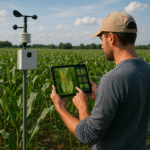
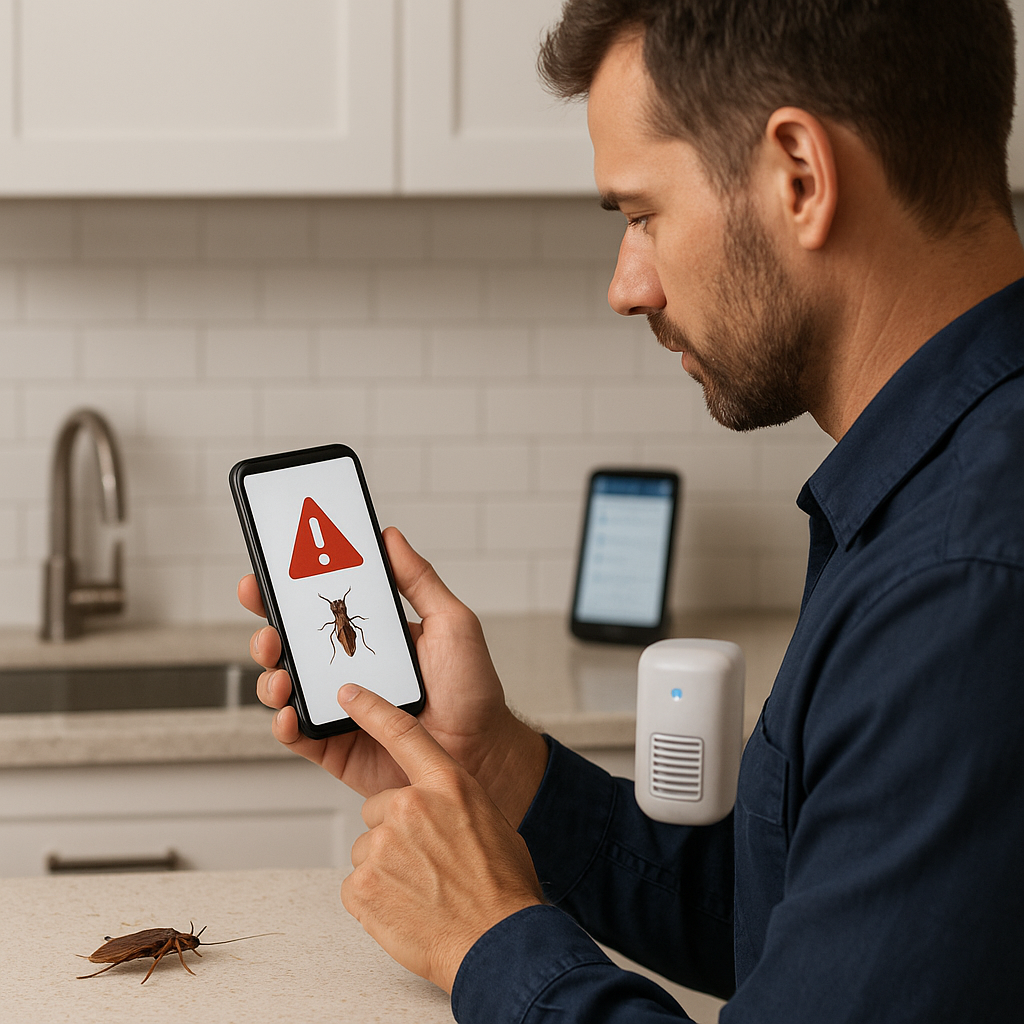
Digital Pest Management with Real-Time Alerts is transforming the face of modern farming by harnessing cutting-edge technologies to detect, analyze, and respond to pest threats in the field. By combining smart sensor networks, advanced analytics, and rapid communication channels, growers can achieve unprecedented levels of efficiency and sustainability in protecting their crops. This article explores the key components, innovations, and future directions in this exciting domain of impressive agriculture.
The Rise of Smart Pest Monitoring
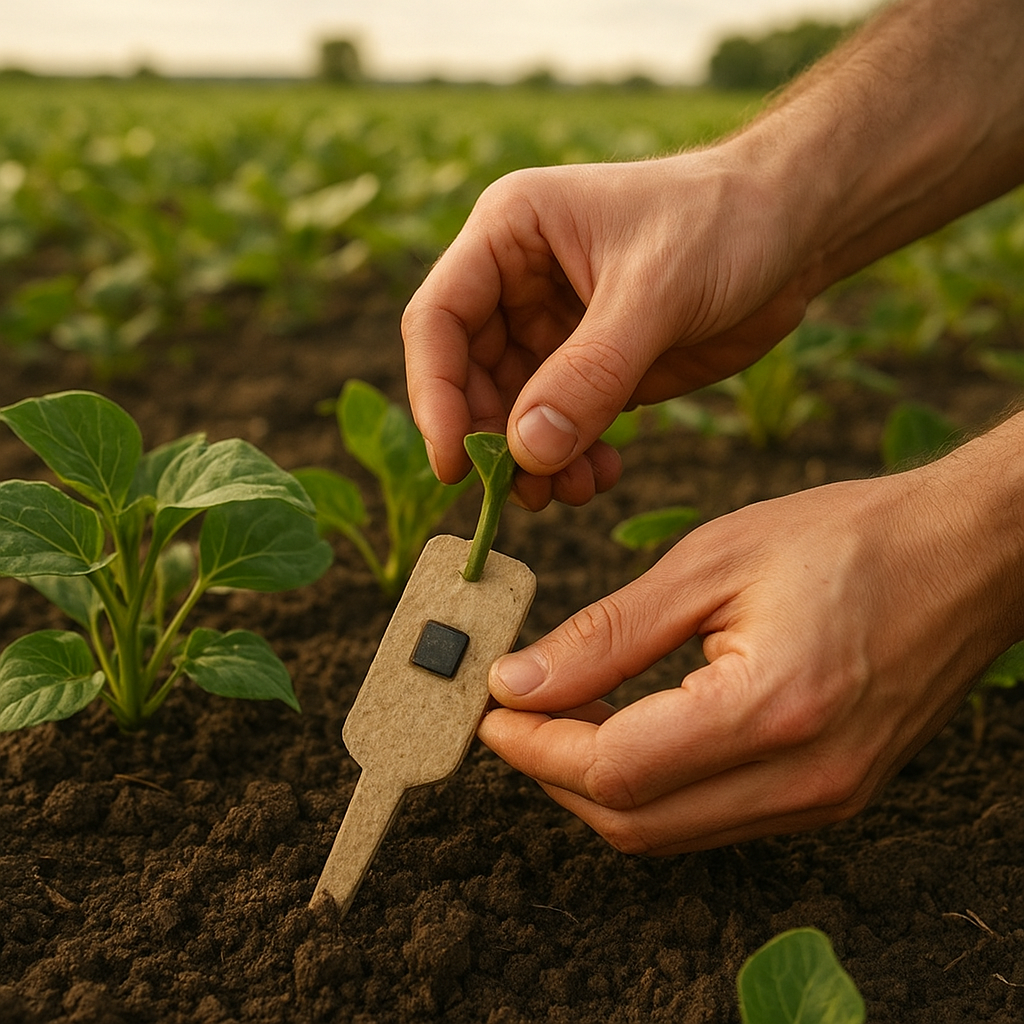
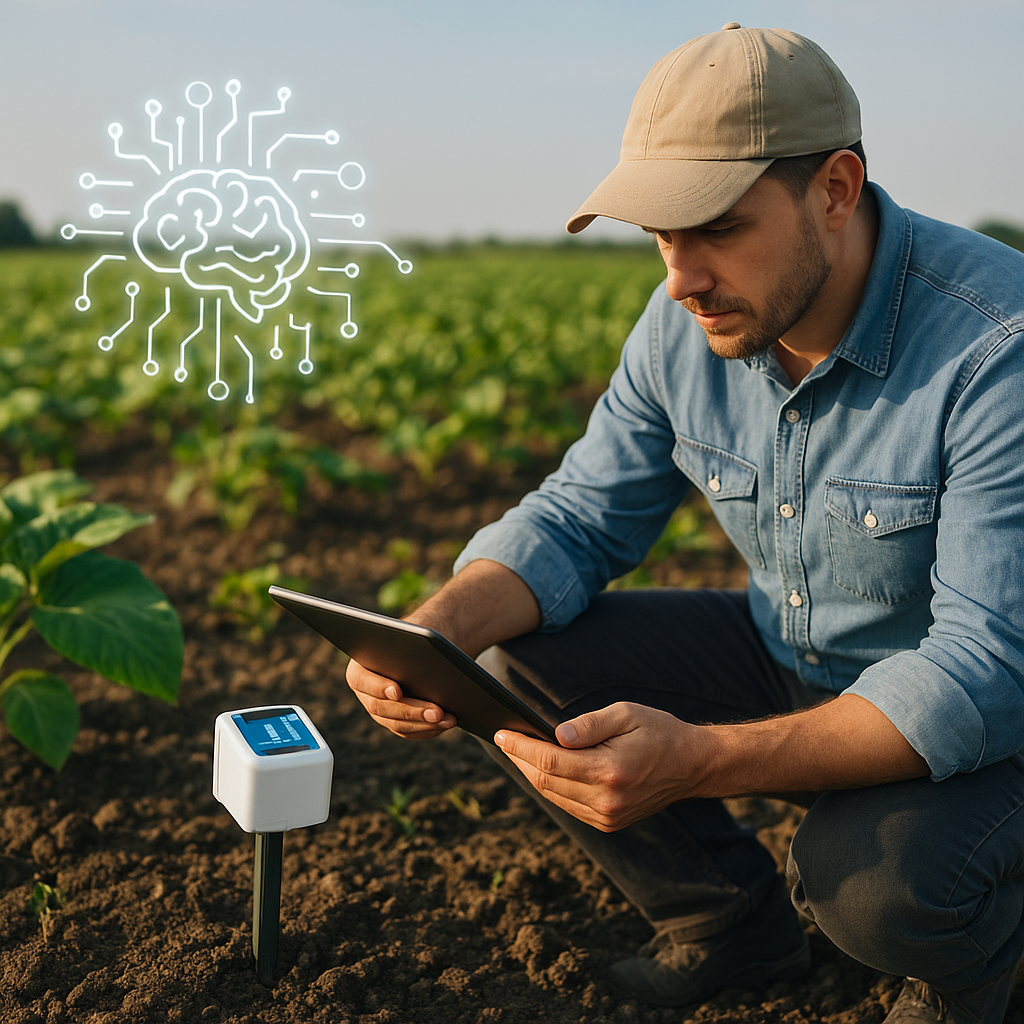
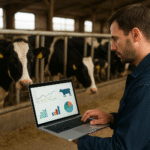
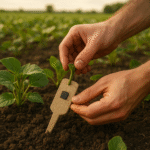
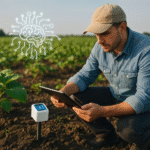
Recent advances in Internet of Things (IoT) devices have made it possible to deploy a dense array of traps and detectors across farm landscapes. Each unit is equipped with environmental sensors—temperature, humidity, light levels—and pest-specific attractants. As soon as an insect or rodent triggers a detection event, data are transmitted over low-power wide-area networks (LPWANs) to centralized dashboards. This seamless connectivity ensures real-time visibility into pest populations and hotspots.
Key features of next-generation monitoring systems include:
- Automation of data collection, eliminating manual trap checks.
- Integration of pheromone dispensers and light traps to target specific species.
- Self-powering designs using solar panels or energy harvesting modules.
- Scalability to cover large acres with minimal human intervention.
By deploying clusters of these devices, farmers gain a detailed map of pest activity to guide targeted interventions. This shift from blanket pesticide applications to precision treatments reduces chemical usage, lowers costs, and minimizes environmental impact.
AI-Driven Analytics and Alerts
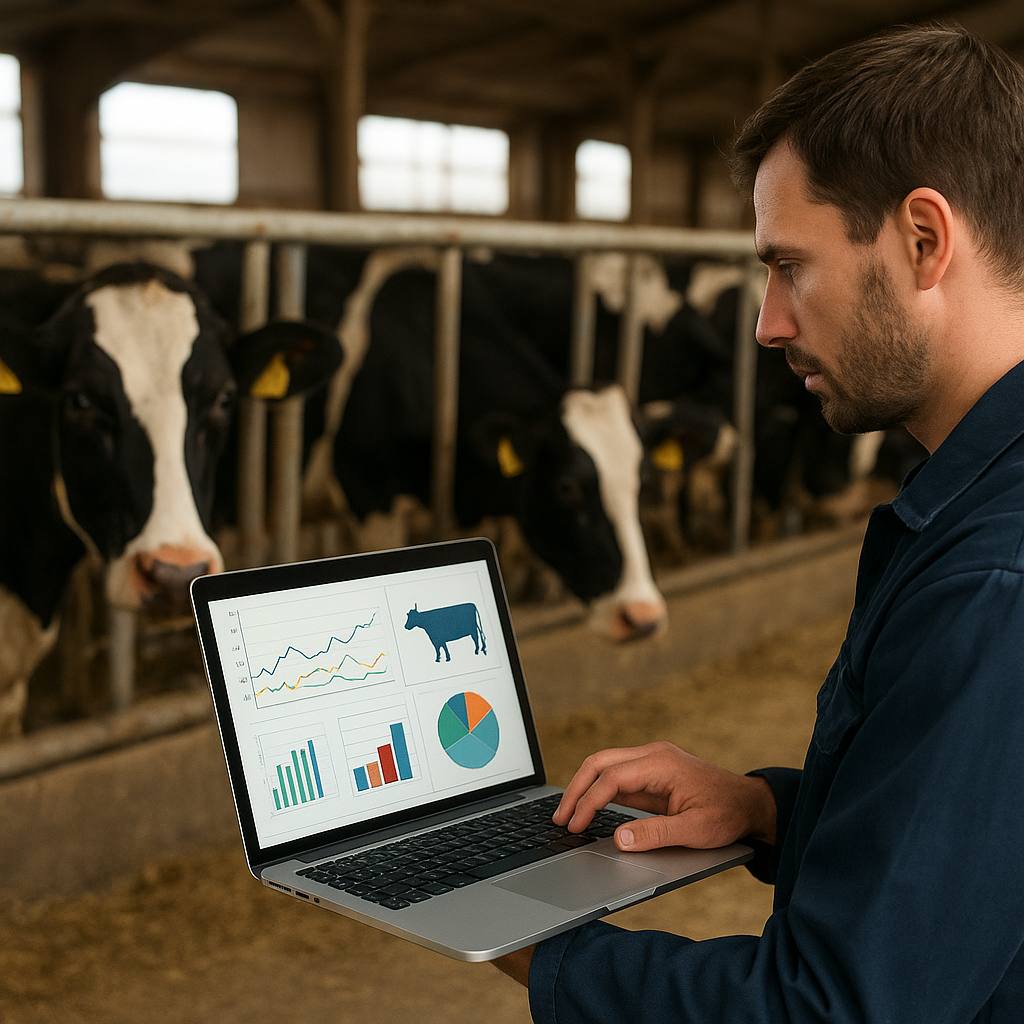
The true power of digital pest management lies in advanced analytics engines that process vast streams of sensor readings. Machine learning models trained on historical infestation data, weather records, and crop phenology can identify emerging threats with remarkable accuracy. When a potential outbreak is detected, the system instantly issues alerts via SMS, email, or mobile apps, empowering agronomists to act before damage escalates.
Underpinning this capability are key components:
- Predictive analytics algorithms that forecast pest life cycles and movement patterns.
- Automated decision-support tools offering dosage recommendations and treatment windows.
- Integration with farm management platforms to log actions and ensure compliance with regulatory guidelines.
- Adaptive learning loops that refine models as new incident data arrive.
This combination of real-time monitoring and AI-driven insights transforms pest control from reactive firefighting into proactive risk management. Growers can schedule targeted applications during peak vulnerability periods, optimizing resource utilization and preserving beneficial insect populations.
Integrating Drone Surveillance and IoT
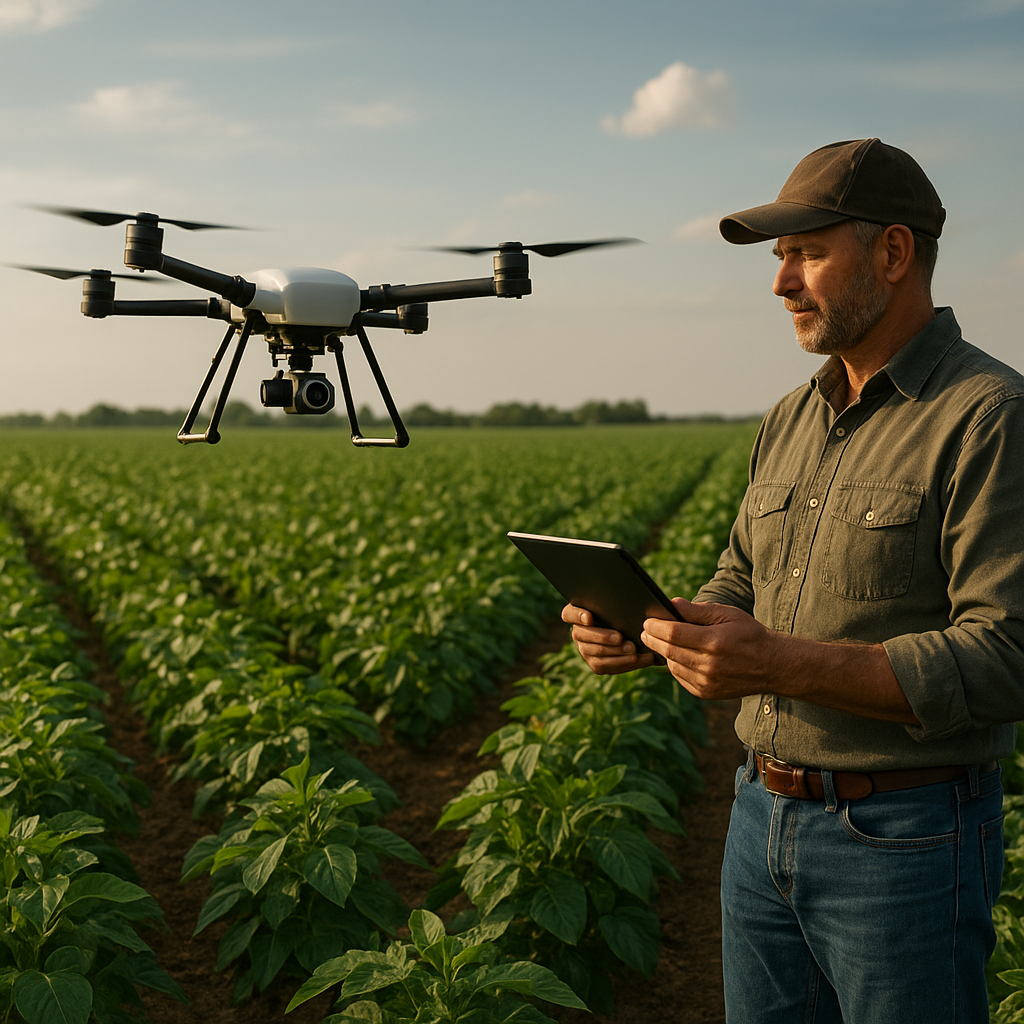
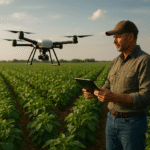
While ground-based sensors capture point-specific data, aerial platforms provide a bird’s-eye view of crop health and pest spread. Drones equipped with multispectral and thermal cameras scan fields, identifying discolored patches, canopy thinning, or localized heat anomalies that often signal insect infestation or disease onset. By overlaying drone imagery with sensor outputs, farm managers create multi-layered risk maps for precise intervention.
Advantages of drone integration include:
- Rapid coverage of hard-to-reach areas, such as hillside orchards and flood-prone plots.
- High-resolution imaging for early detection of minute pest damage.
- Synchronization with ground sensors to validate alerts and reduce false positives.
Furthermore, swarms of drones can execute targeted pesticide or biocontrol agent dispersal, guided by GPS waypoints derived from the IoT network. This synergistic approach exemplifies integration at its finest, enabling precision strikes that spare beneficial flora and fauna.
Benefits and Future Horizons
Embracing digital pest management yields a host of tangible benefits. Farms adopting these systems report up to 40% reductions in pesticide use, a 25% boost in yield uniformity, and significant labor cost savings. Empowered by real-time data, growers can shift towards regenerative practices that enhance soil health and biodiversity.
Looking ahead, several emerging trends promise to elevate this field further:
- Blockchain-enabled traceability to document every pest-control action and chemical application.
- Edge computing modules on devices for on-site AI inference, reducing latency and network load.
- Genomic biosensors that detect pest DNA in air and soil samples for hyper-sensitive alerts.
- Collaborative farm networks sharing anonymized data to build regional pest risk models and early warning systems.
Ultimately, the fusion of IoT, drone surveillance, AI analytics, and robust communication channels is redefining how agriculture confronts pest challenges. By prioritizing data-driven methods, the industry can achieve unparalleled levels of optimization and resilience, securing global food supplies for generations to come.