
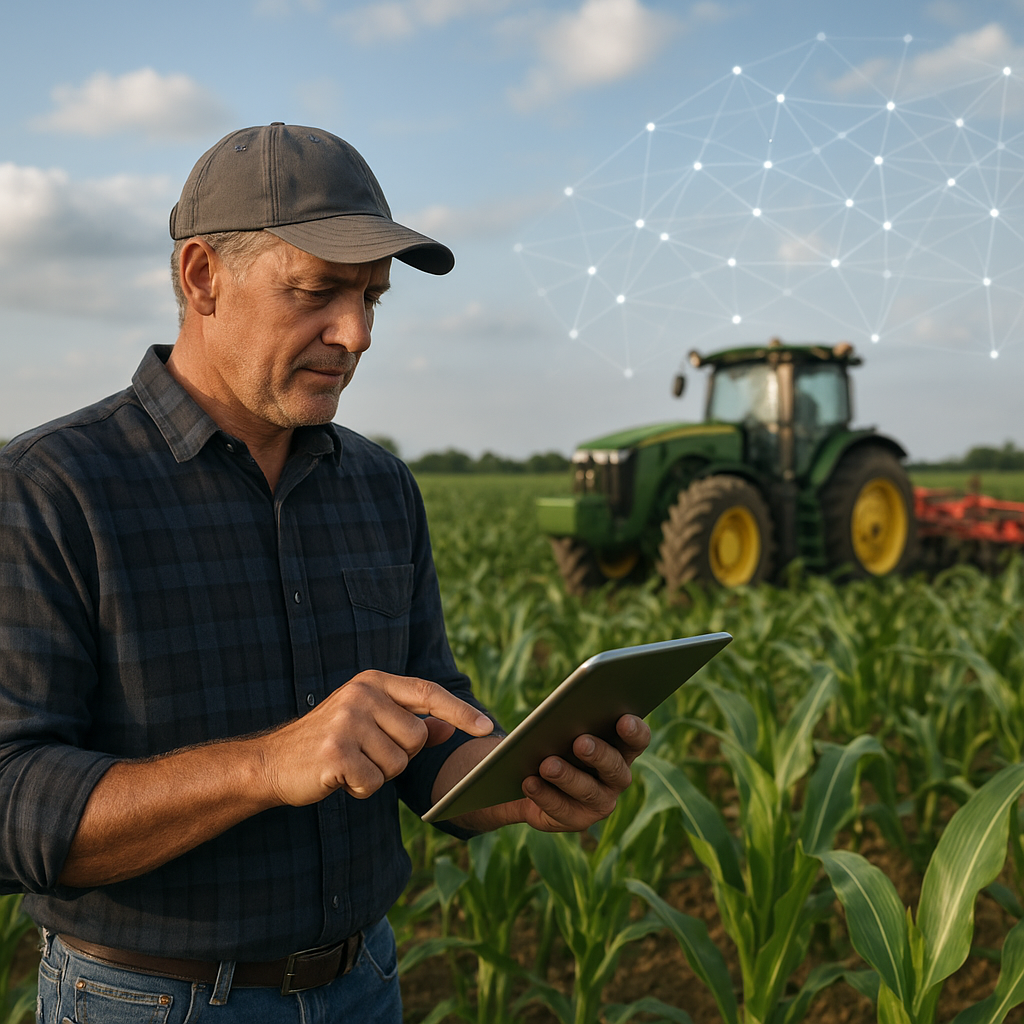
The intersection of cutting-edge technology and traditional farming techniques is charting a new course for rural agriculture. Innovative solutions—ranging from precision sensors to autonomous drones—are empowering farmers to optimize yields, conserve resources, and address global food security challenges. By embracing digitalization and connectivity, rural communities are transforming once labor-intensive practices into streamlined, data-driven processes. This article explores the profound impact of these technologies on impressive agriculture and the sustainable future they promise.
Innovations Revolutionizing Rural Farms
Emerging tools have dramatically altered how farmers monitor crops, manage livestock, and maintain soil health. From satellite imagery to on-farm robotics, the infusion of advanced hardware and software intelligence is redefining productivity benchmarks in fields and pastures.
Precision Agriculture at Its Best
Precision agriculture leverages GPS, IoT devices, and detailed mapping to provide actionable insights:
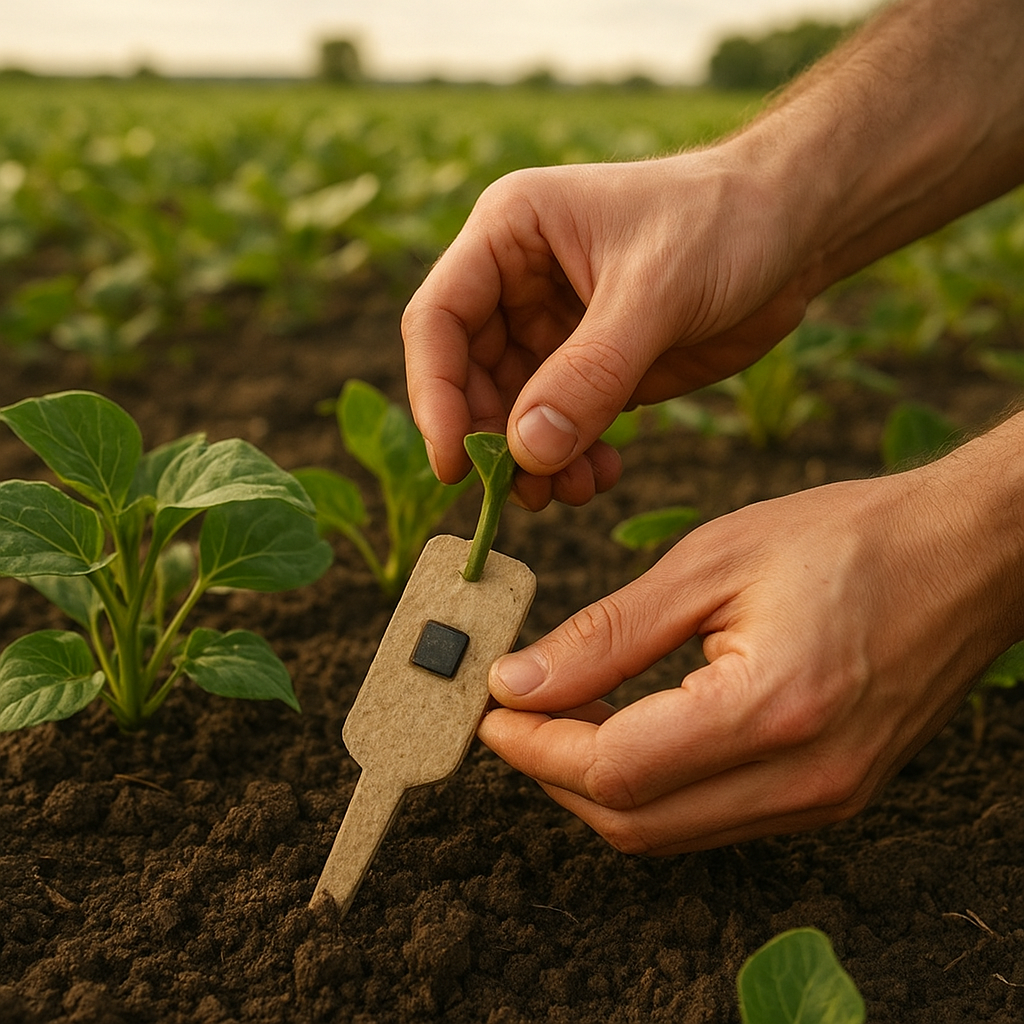
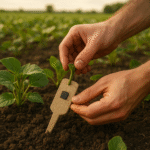
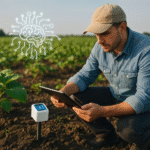
- Sensors installed in soil and on plants deliver real-time temperature, moisture, and nutrient data, enabling targeted irrigation and fertilization.
- Variable rate technology (VRT) adjusts seed and fertilizer application on the go, reducing waste and increasing yield uniformity.
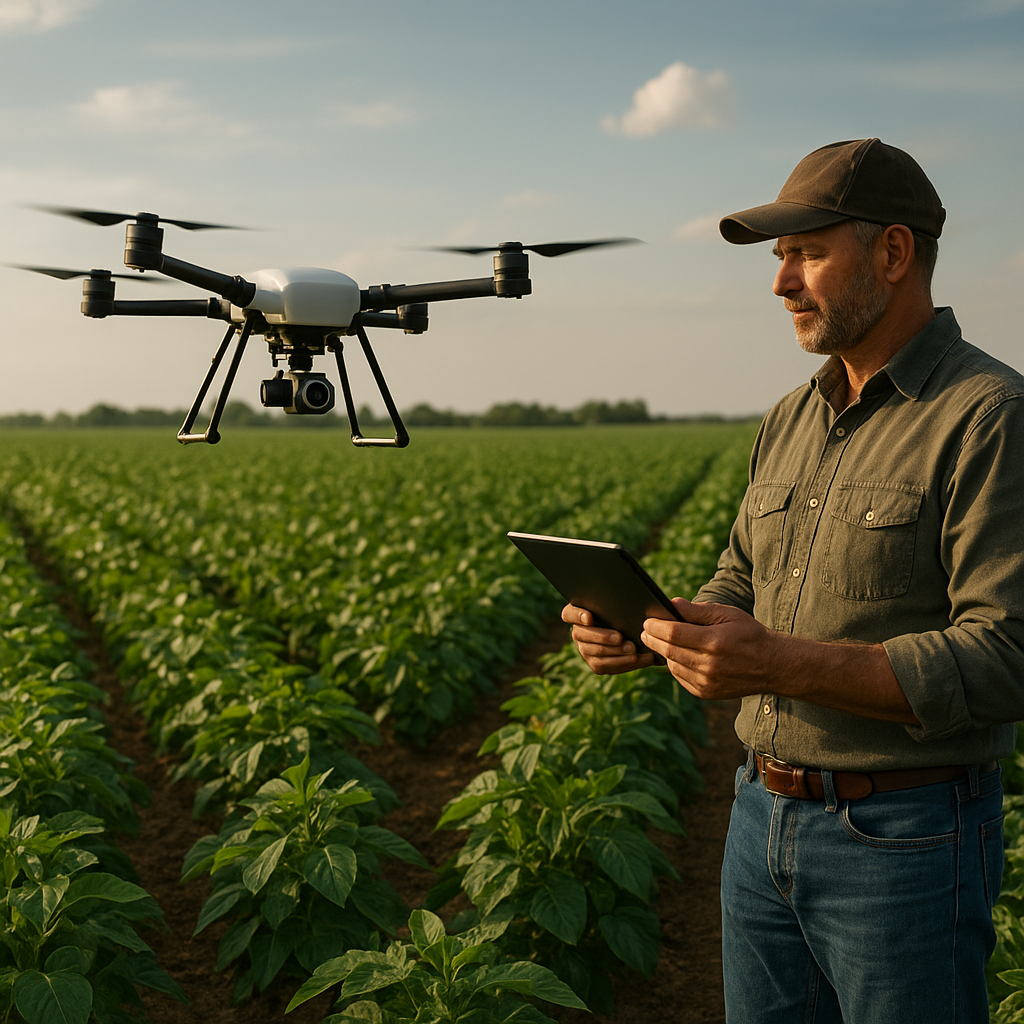
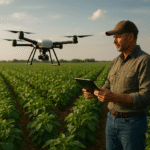
- High-resolution drone imagery identifies stress areas in fields, allowing for rapid intervention before minor issues become major problems.
Autonomous Machinery and Robotics
Automated tractors and robotic planters are streamlining routine tasks:
- Self-guiding combines and tractors navigate fields using GPS, minimizing human error and increasing operational hours.
- Robotic weeding machines use machine vision to detect and remove weeds precisely, lowering herbicide dependency.
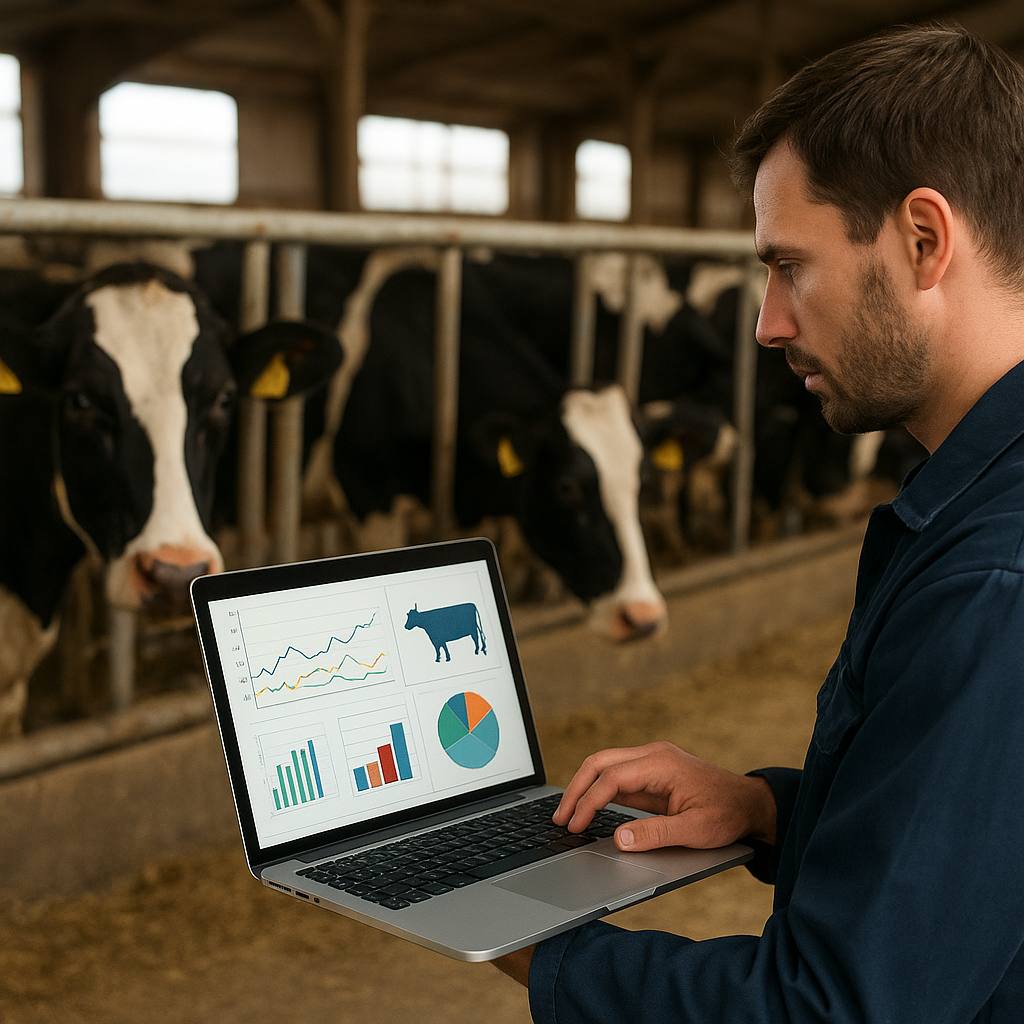
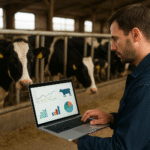
- Automated milking systems improve dairy farm efficiency by allowing cows to self-milk, reducing labor costs and enhancing animal welfare.
Data-Driven Decision Making
Data analytics play a pivotal role in helping farmers make informed, proactive decisions. Vast amounts of information—from weather forecasts to market trends—are now harnessed through cloud platforms and AI-driven models.
Real-Time Monitoring and Alerts
Integrated platforms aggregate sensor readings, satellite data, and weather information to generate instant alerts:
- Frost warnings allow farmers to deploy frost protection measures, preventing yield losses.
- Water stress alerts trigger precise irrigation events, conserving water resources while optimizing crop growth.
- Pest and disease risk assessments enable early intervention, safeguarding plant health and minimizing chemical treatments.
Predictive Analytics for Crop Management
Machine learning algorithms analyze historical yield records, soil profiles, and climatic patterns:
- Yield prediction models offer harvest estimates weeks in advance, aiding logistics and market planning.
- Optimal planting date recommendations consider long-term weather forecasts and soil conditions.
- Integrated pest management (IPM) tools use pattern recognition to forecast outbreaks, guiding targeted pesticide application.
Sustainable Practices Enhanced by Technology
Sustainability is a core consideration for modern agriculture. By integrating advanced tools, farmers are reducing environmental footprints while maintaining or improving profitability.
Water Conservation and Management
Smart irrigation systems and soil moisture monitoring help optimize water usage:
- Automated drip irrigation delivers precise volumes of water directly to plant roots, minimizing evaporation losses.
- Weather-based irrigation controllers adjust schedules according to forecast rainfall, avoiding unnecessary watering cycles.
- Water recycling units reclaim runoff, reducing the strain on local water sources.
Reducing Chemical Inputs
Targeted application of fertilizers and pesticides empowers farmers to minimize chemical dependency:
- Prescription maps guide the distribution of fertilizers only where nutrient deficits exist.
- Spot-spraying drones deliver herbicides exactly where weeds are detected, slashing chemical usage by up to 80%.
- Biological control agents, tracked and released using smart dispensers, provide natural pest suppression.
Renewable Energy Integration
Onsite renewable energy systems are becoming commonplace on rural farms:
- Solar panels powering irrigation pumps and sensor networks reduce reliance on grid electricity and fossil fuels.
- Biogas digesters convert animal and crop waste into methane, fueling generators and heating systems.
- Wind turbines, paired with battery storage, provide reliable off-grid power in remote locations.
Community Empowerment and Knowledge Sharing
Technology isn’t only changing on-farm processes; it’s also fostering stronger rural networks and collaborative ecosystems.
Mobile Apps and Farmer Networks
Smartphone applications connect growers to agronomists, suppliers, and peers:
- Community-based platforms allow farmers to share local pest alerts and weather observations.
- E-commerce modules routed through apps enable smallholders to access inputs and market their produce directly.
- Educational modules, delivered via interactive videos and quizzes, build technical capacity among new generations of farmers.
Extension Services in the Digital Age
Government and nonprofit organizations are deploying virtual extension models:
- Remote diagnostic tools let experts assess crop health using uploaded images and data streams.
- Webinars and digital workshops disseminate best practices in soil management, irrigation, and post-harvest handling.
- E-learning portals with localized content ensure that regional languages and conditions are addressed.
The Road Ahead: Scaling Impressive Agriculture
As the world population grows, the demand for safe, nutritious food rises in parallel. Scaling these technological advancements in rural areas hinges on improving connectivity, facilitating education, and deploying affordable solutions. Partnerships among governments, private companies, and farmers’ cooperatives will be vital to ensure equitable access to innovation and to overcome infrastructure gaps.
By combining the power of automation, analytics, and sustainable practices, modern agriculture is poised to achieve unprecedented heights in productivity and environmental stewardship. The ongoing digital transformation in rural farming not only enhances profitability but also strengthens community resilience, paving the way for a more food-secure future.