
The fusion of cutting-edge technologies and age-old farming wisdom is ushering in a new era of agricultural excellence. By harnessing the power of augmented reality and virtual reality, emerging agronomists and veteran producers alike are gaining unprecedented access to practical insights and real-world simulations. This blend of digital and physical experiences is reshaping how the next generation approaches field management, crop optimization, and resource conservation.
Transforming Field Education with Virtual Reality
Educational institutions and agritech startups are pioneering the use of immersive VR environments that replicate diverse farm scenarios. Trainees don headsets to navigate virtual fields, diagnose crop issues, and test equipment controls without real-world risks. By stepping into a digital farm landscape, students can:
- Identify nutrient deficiencies and pest infestations through interactive overlays.
- Experiment with soil amendments, irrigation patterns, and seeding strategies.
- Learn machinery operation protocols and safety procedures in a controlled setting.
These virtual platforms enable rapid feedback loops: an aspiring agronomist applies a virtual treatment to a simulated crop and instantly observes the impact on growth rates and health metrics. The result is accelerated learning, empowering trainees to make data-driven decisions when they transition to actual fields.
Augmented Reality and On-Site Support
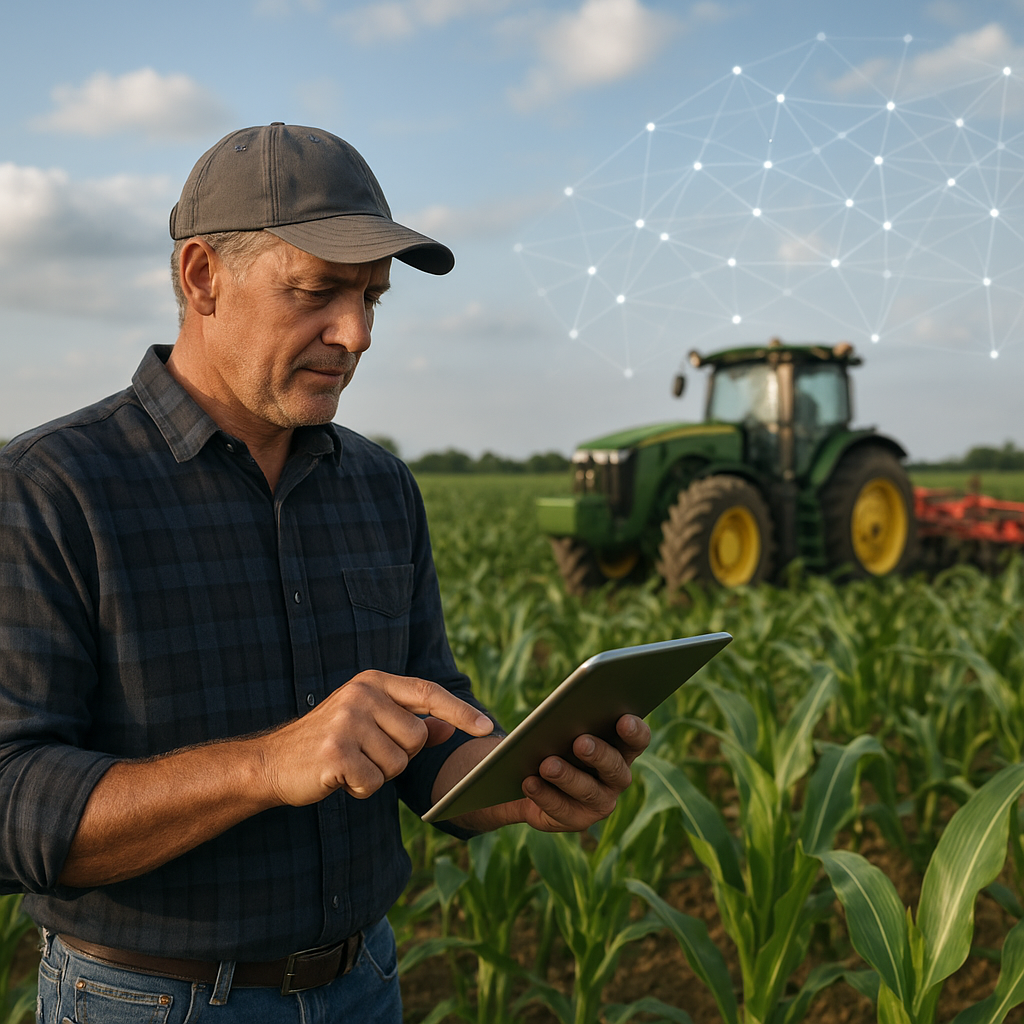
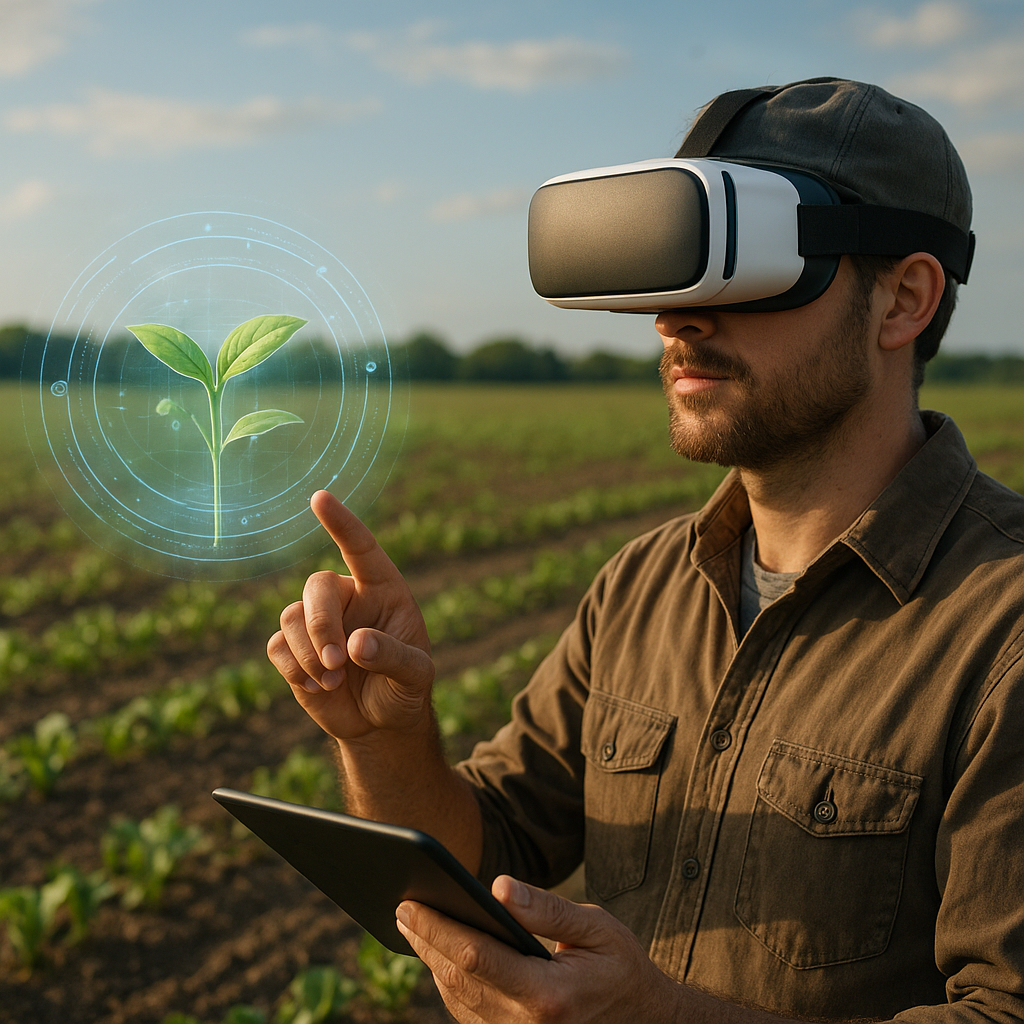
While VR excels at comprehensive simulations, augmented reality enhances real-time operations by overlaying digital information onto physical environments. Farmers wearing AR glasses or using mobile applications can access live data streams, step-by-step instructions, and remote expert guidance directly in their line of sight. Key benefits include:
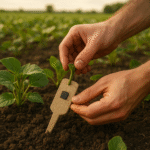
- Real-time soil moisture and pH readings projected onto crop rows.
- Interactive equipment manuals that guide maintenance and troubleshooting.
- Visual cues to optimize planting depth and row spacing.
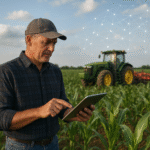
By integrating sensors with AR interfaces, producers monitor field conditions without leaving their tractors. Supervisors can remotely annotate critical zones using digital markers, while field technicians receive instant alerts about machinery malfunctions or environmental thresholds being exceeded. This seamless connectivity reduces downtime, minimizes errors, and fosters a culture of continuous improvement.
Integrating Data Analytics and Simulations
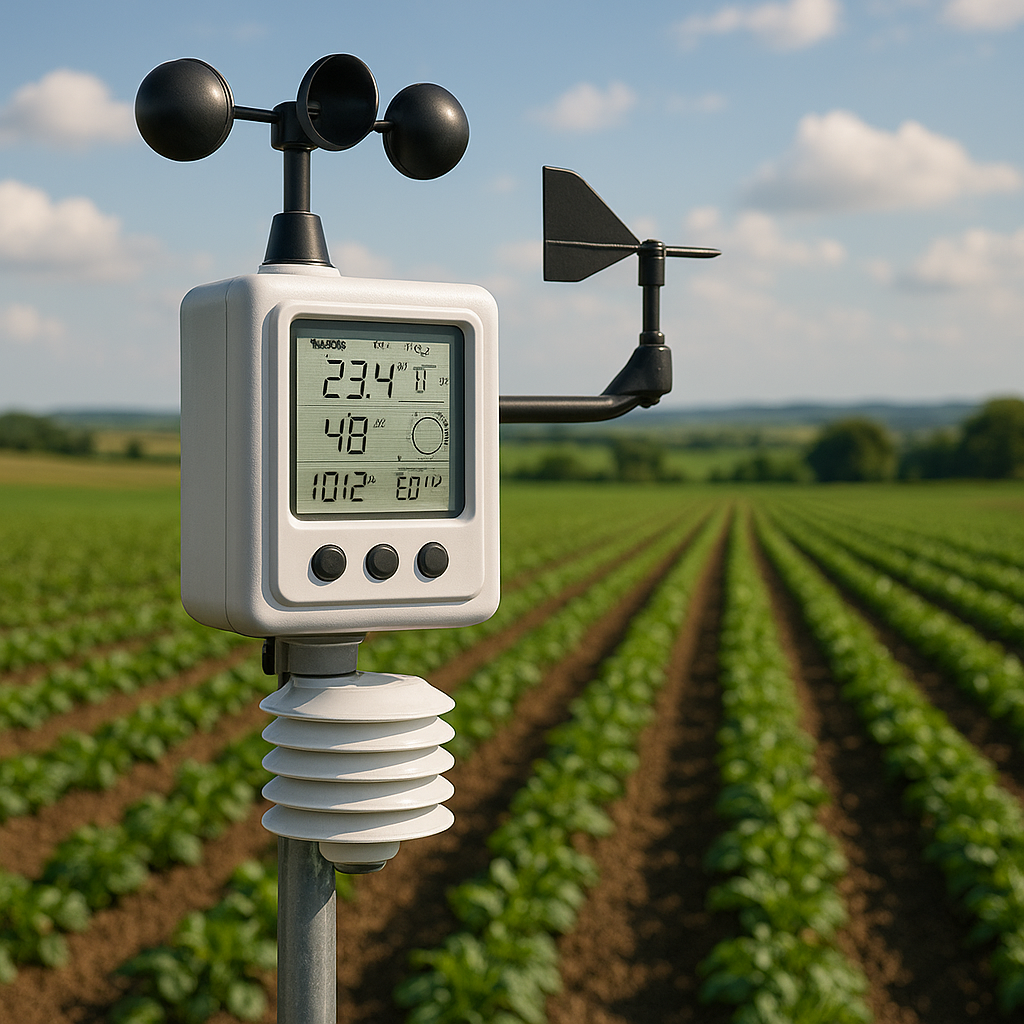
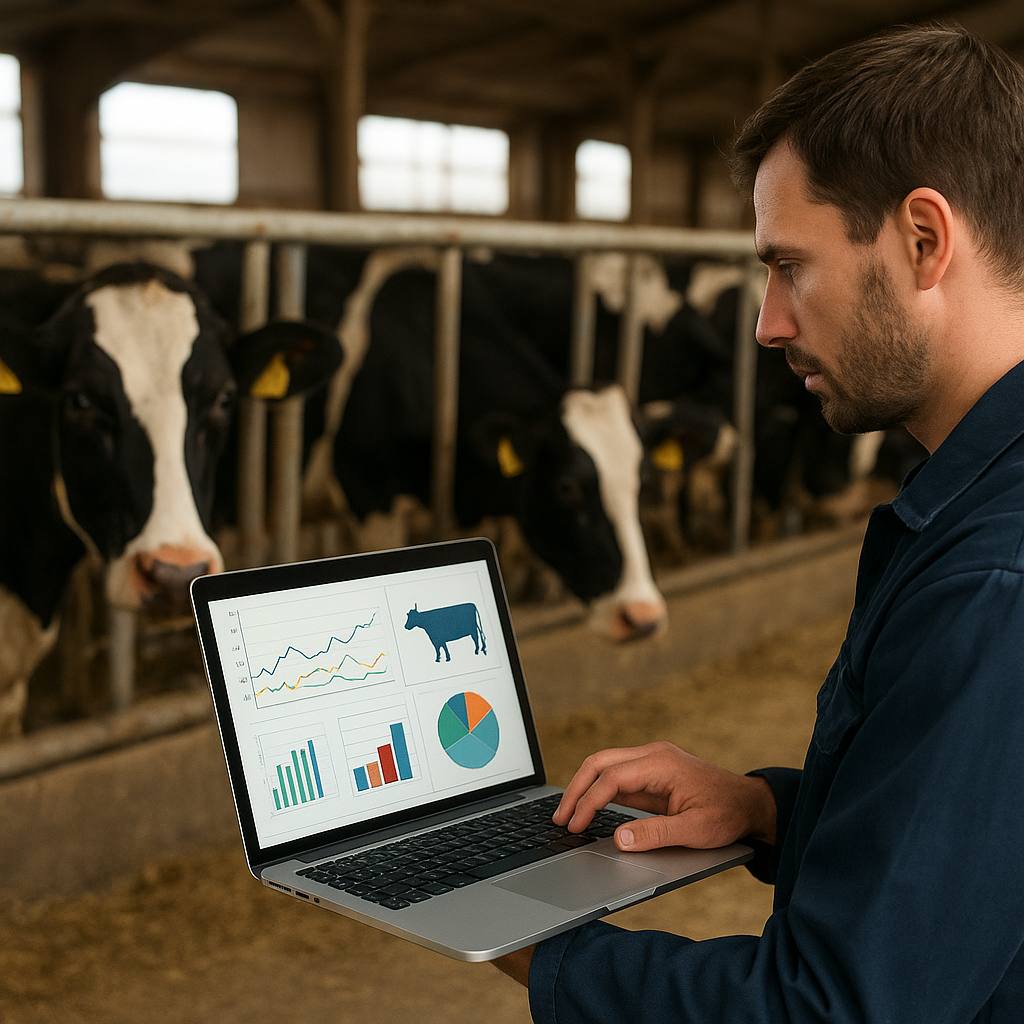
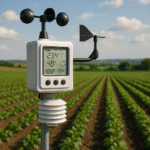
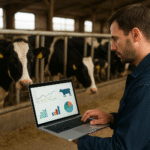
Data is the backbone of modern agriculture. Farms equipped with drones, IoT devices, and automated weather stations generate vast quantities of information on temperature fluctuations, soil composition, and crop vigor. Virtual tools can ingest these data streams to create highly accurate models of farm ecosystems. Through simulations, users can:
- Forecast crop yields based on historical climate trends and soil analyses.
- Test irrigation schedules to optimize water usage and reduce waste.
- Analyze the long-term impact of crop rotations on soil health and biodiversity.
These predictive models rely on advanced analytics algorithms that identify patterns and correlations invisible to the naked eye. By running ‘what-if’ scenarios in VR, decision-makers evaluate multiple strategies for pest control, nutrient management, and resource allocation before committing to costly real-world applications.
Empowering Smallholders through Shared Platforms
Traditionally, advanced agricultural research and training were inaccessible to many small-scale farmers. However, community-driven VR and AR hubs are democratizing access to expertise. Cooperative centers equipped with headsets and AR gear invite local producers to participate in group workshops. Benefits of this collaborative model include:
- Peer-to-peer knowledge exchange during interactive simulations.
- Shared costs for high-end equipment and software licenses.
- Localized content tailored to regional crops and climatic challenges.
This collective approach fosters a network of empowered smallholders who leverage technology to boost productivity, diversify cropping systems, and adopt sustainability best practices. By pooling resources, rural communities can transform from subsistence operations into competitive, market-driven enterprises.
Enhancing Crop Management with Mixed Reality
Mixed reality (MR) solutions merge the strengths of AR and VR to allow users to interact simultaneously with physical and virtual objects. In a greenhouse setting, for example, an agronomist can:
- Visualize nutrient flow through root systems in three dimensions.
- Overlay growth rate projections onto actual plants under cultivation.
- Test biocontrol agents by simulating pest populations and natural predator behaviors.
These hybrid environments accelerate innovation by offering a sandbox for experimentation. When a novel fertilizer or seed variety is introduced in MR, its potential is evaluated faster, reducing time to market. The equipment used in MR labs often includes haptic feedback devices, enabling trainees to feel soil textures and equipment vibrations, adding an extra layer of realism.
Challenges and Future Prospects
Despite the transformative potential of AR and VR in agriculture, several hurdles remain. High initial costs, limited broadband connectivity in remote regions, and the need for tailored content present obstacles. However, ongoing improvements in wireless networks, open-source software, and modular hardware are lowering barriers. The next frontier includes:
- Integrating AI-driven virtual mentors that adapt lessons to individual learning curves.
- Deploying lightweight AR wearables for extended field use under harsh conditions.
- Utilizing satellite imagery combined with VR overlays for landscape-scale farm planning.
As these technologies mature, they will increasingly empower producers of all scales to adopt precision practices that maximize yield, conserve resources, and foster resilient ecosystems. The synergy of digital simulations and on-the-ground expertise heralds a future where every agrarian challenge can be addressed through innovative, technology-driven solutions.