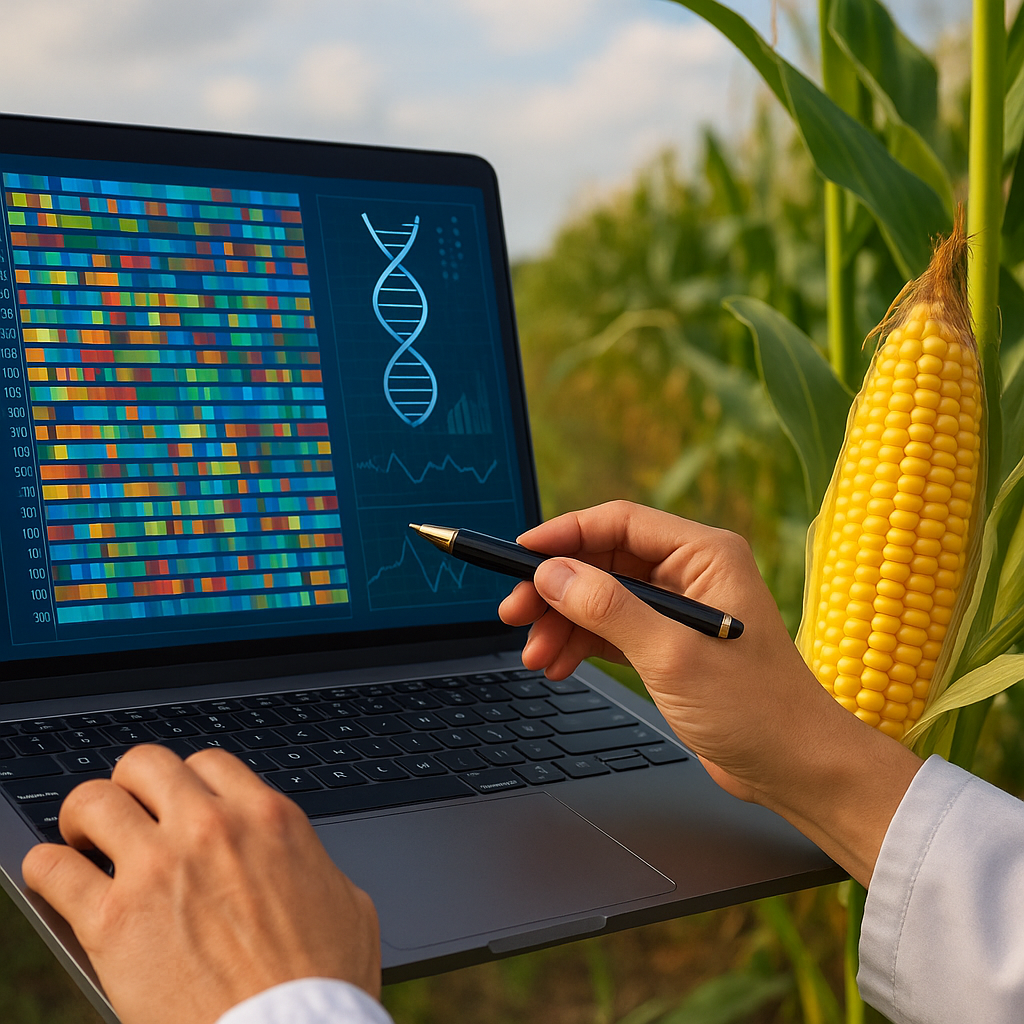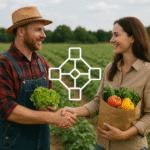

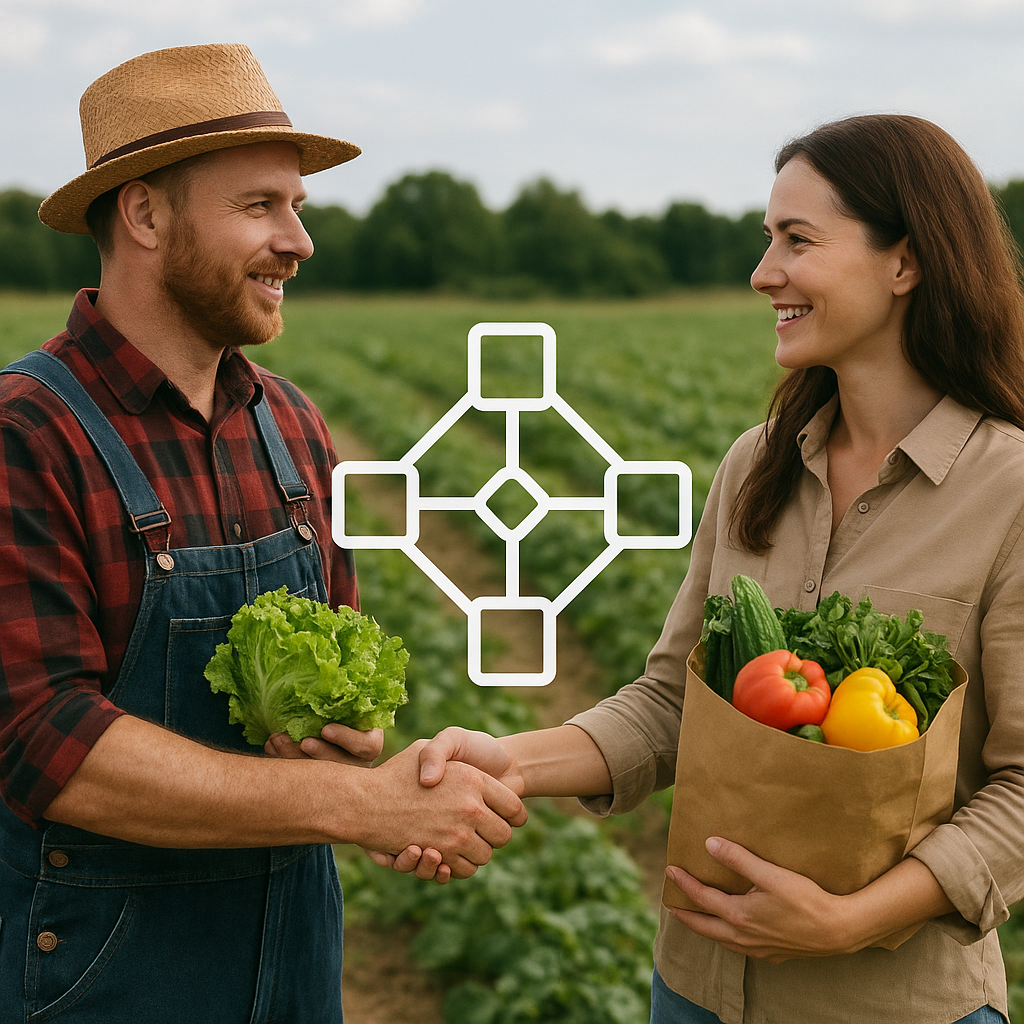
Enhancing the bond between farmers and consumers demands robust solutions. One technology gaining momentum is blockchain, a distributed ledger that introduces transparency and traceability across every step of the agricultural supply chain. Through immutable records and smart contracts, stakeholders can verify the provenance of produce, minimize the risk of fraud, and ensure fair transactions. The synergy between decentralized networks and traditional farming practices creates a pathway to rebuild trust and foster a more resilient food ecosystem.
The Challenge of Traceability and Mistrust
Global agriculture faces chronic issues in verifying product origins and ensuring quality from field to fork. Middlemen, fluctuating documentation, and opaque transactions often fuel consumer concerns. When a shelf label cannot guarantee that organic strawberries truly meet certification standards, shoppers lose confidence. Farmers, on the other hand, struggle to differentiate premium crops from commodity-grade offerings, eroding their ability to command fair prices. Traditional record-keeping systems rely on paper trails and isolated databases that are prone to errors, tampering, or unintentional omissions. This disconnect fosters a cycle of distrust where both growers and buyers lack reliable assurance of authenticity.
Key obstacles in current models include:
- Limited visibility: Tracking each handoff in the distribution chain is complex and rarely standardized.
- Data fragmentation: Records often reside in silos, making reconciliation arduous and time-consuming.
- Vulnerability to fraud: Paper certificates can be forged, and digital entries can be altered without leaving an audit trail.
- Lack of accountability: Without a verifiable history, it’s difficult to assign responsibility when spoilage or contamination occurs.
These challenges underscore the need for a system that guarantees permanent, tamper-resistant documentation while providing accessible, real-time information to everyone involved.
Blockchain’s Core Principles and Benefits in Agriculture
At its essence, blockchain is a decentralized ledger where each participant holds an identical copy of transactional data. Every new entry, or “block,” links to its predecessor through cryptographic hashing, ensuring immutability. Once recorded, details cannot be altered or deleted without network consensus. This architecture delivers several advantages:
- Decentralization: No single authority controls the data, reducing risks of unilateral manipulation and enhancing fairness.
- Encryption: Transactions are secured by advanced cryptographic protocols, protecting sensitive farm data and financial details.
- Transparency: All participants—from seed suppliers to retailers—can view authorized records, fostering collaborative accountability.
- Traceability: Each product batch receives a unique digital token or QR code that logs planting dates, pesticide usage, processing steps, and shipment details in real time.
- Smart contracts: Automated agreements execute specific actions—release of payment or transfer of ownership—when predefined conditions are met, minimizing disputes and delays.
By weaving these elements into agricultural operations, blockchain transforms fragmented workflows into coherent, auditable journeys. Farmers gain a verifiable profile of soil tests, harvesting schedules, and storage conditions. Consumers, in turn, scan a QR code to access the full history, fostering confidence in food safety, ethical sourcing, and ecological impact.
Real-World Applications and Case Studies
Several pioneering projects demonstrate blockchain’s potential to bridge the trust gap:
-
IBM Food Trust
Partnering with major growers and retailers, this network tracks produce like lettuce, berries, and salmon. Sensors record temperature and humidity, while blockchain logs each logistical handover. Retailers reduce time spent tracing contamination sources from days to seconds, protecting brand reputation and public health. -
TE-FOOD
Operating across multiple countries, TE-FOOD digitizes livestock and crop data using RFID tags and mobile apps. Smallholder farmers upload harvest details, and wholesalers verify standards before distribution. The platform enhances export credibility and opens new markets for previously marginalized producers. -
Provenance
This initiative collaborates with ethical fisheries and fair-trade coffee cooperatives. By publishing each transaction on Ethereum-based ledgers, consumers can confirm that fish were caught sustainably and that coffee farmers received equitable compensation. -
Ripe.io
Specializing in fresh produce, Ripe.io integrates IoT devices to monitor soil moisture and ripeness indicators. Blockchain timestamps every measurement, enabling predictive analytics for optimal harvest windows and reducing post-harvest waste.
Collectively, these examples highlight how stakeholders—from micro-scale farmers to multinational retailers—leverage blockchain to establish verifiable supply chains, enhance food safety, and create premium branding opportunities based on traceability guarantees.
Future Outlook: Scaling Trust with Emerging Innovations
As blockchain adoption expands, complementary technologies and regulatory initiatives are poised to accelerate impact:
- Integration with artificial intelligence: Machine learning algorithms will analyze immutable agronomic data to optimize yield forecasts and resource allocation.
- Expansion of decentralized finance (DeFi): Farmers may access micro-loans backed by real-time crop performance records, unlocking capital without collateral.
- Interoperable ledgers: Standards such as the AgriDigital Protocol will connect disparate blockchains, enabling seamless data exchange across regions and platforms.
- Regulatory frameworks: Governments are crafting guidelines to validate digital signatures and enforce blockchain-based traceability mandates for high-risk products.
- Community-driven governance: Platforms managed by cooperatives or farmer associations ensure equitable decision-making and democratic upgrades to network rules.
Embracing these trends promises a transformative leap toward a truly connected agri-food system. As trust becomes a programmable feature rather than a mere aspiration, farmers can secure fair market access and consumers can enjoy enhanced confidence in the origin and quality of their food. The marriage of sustainable farming and cutting-edge blockchain technologies charts a path toward a more transparent, accountable, and resilient agricultural future.