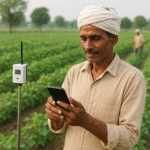
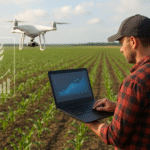
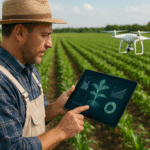
In regions where every drop of water, every grain of soil, and every day of labor can mean the difference between subsistence and prosperity, the integration of IoT into agriculture is nothing short of revolutionary. Smallholder farmers, often overlooked in the global food supply chain, now harness networks of sensors, smart devices, and advanced analytics to transform their fields into living, responsive ecosystems. This synergy of technology and tradition fosters resilience, boosts productivity, and drives inclusive growth across continents.
Expanding Connectivity on Remote Fields
Access to reliable connectivity remains the cornerstone of any smart agriculture initiative. In many rural landscapes, conventional broadband or cellular service is sparse, making it challenging to transmit real-time data. Recent advancements such as Low-Power Wide-Area Networks (LPWAN) – including LoRaWAN and NB-IoT – have bridged that gap by delivering long-range communication with minimal energy demands. These networks empower growers to deploy weather stations, soil moisture probes, and pest monitoring traps across vast expanses without worrying about frequent battery replacements or expensive infrastructure investments.
- LoRaWAN gateways can cover radii of up to 15 kilometers in open fields.
- NB-IoT leverages existing cellular towers, ensuring backward compatibility and cost savings.
- Mesh networks enable devices to relay information across treelines, hills, and irrigation canals.
With robust connectivity in place, smallholder communities collaborate to maintain shared gateways and communal power sources, fostering cooperative maintenance models and reducing individual overhead.
Data-Driven Farming Decisions
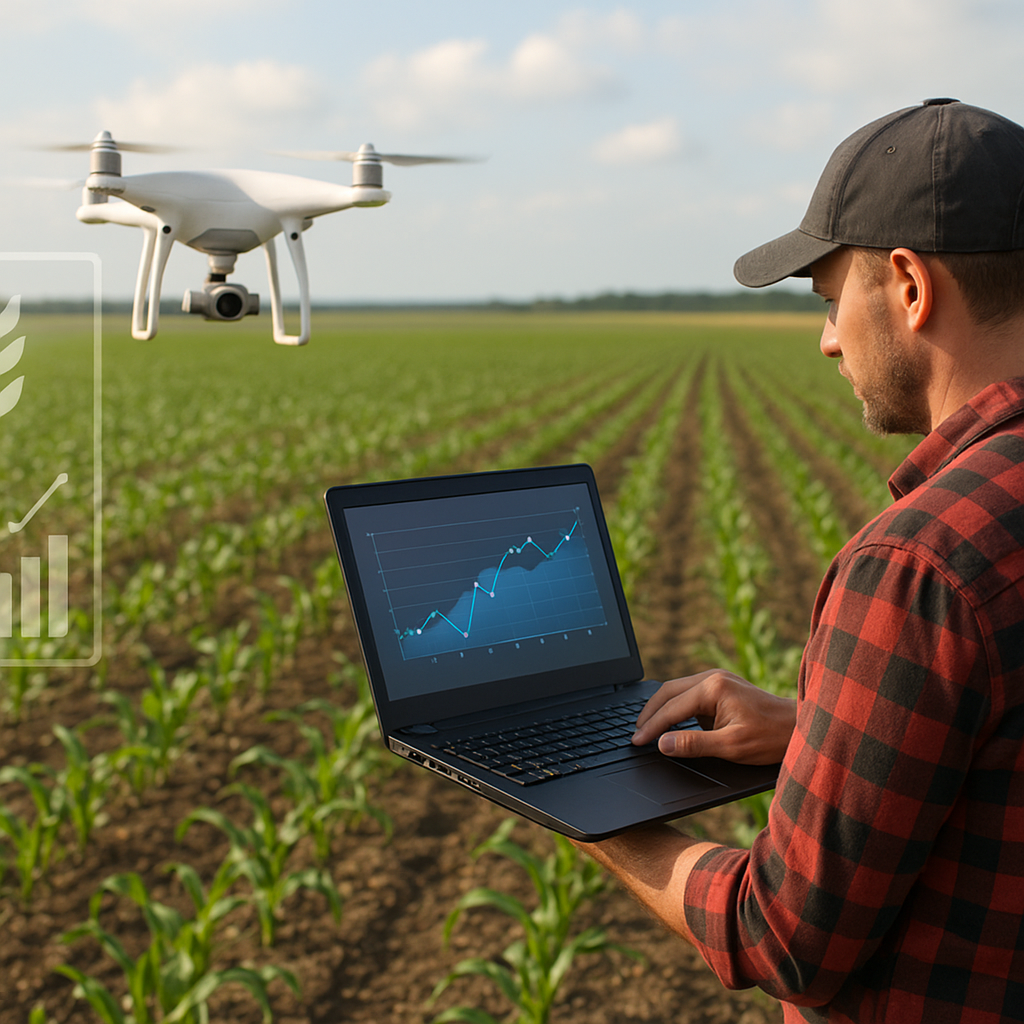
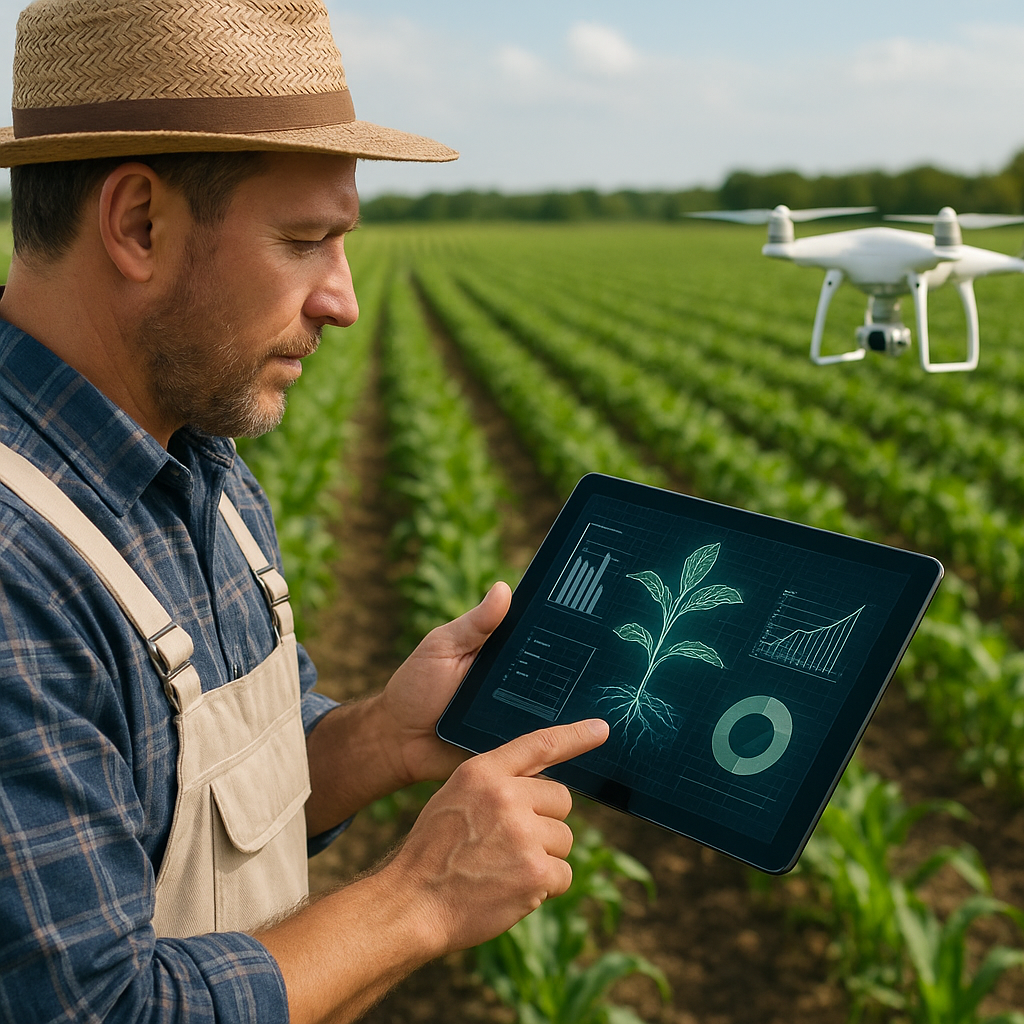
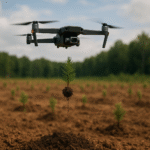
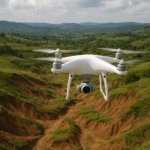
The real power of agricultural IoT lies in its ability to capture granular data and translate it into actionable insights. From in-ground sensors that measure soil pH and moisture levels to aerial drones equipped with multispectral cameras, farmers can monitor crop health with unparalleled precision. By integrating these data streams with cloud-based platforms, agronomists and technologists develop predictive models for irrigation scheduling, nutrient application, and pest outbreak identification.
Key applications include:
- Precision irrigation systems that automatically adjust water flow based on real-time soil readings.
- Pest and disease alerts triggered when leaf temperature or chlorophyll readings deviate from healthy baselines.
- Yield forecasting algorithms that factor in weather patterns, historical performance, and satellite imagery to estimate harvest volumes weeks in advance.
These insights help farmers optimize resource allocation, reduce waste, and tailor practices to the unique conditions of each microplot within their landholdings.
Cost-Effective IoT Solutions for Smallholders
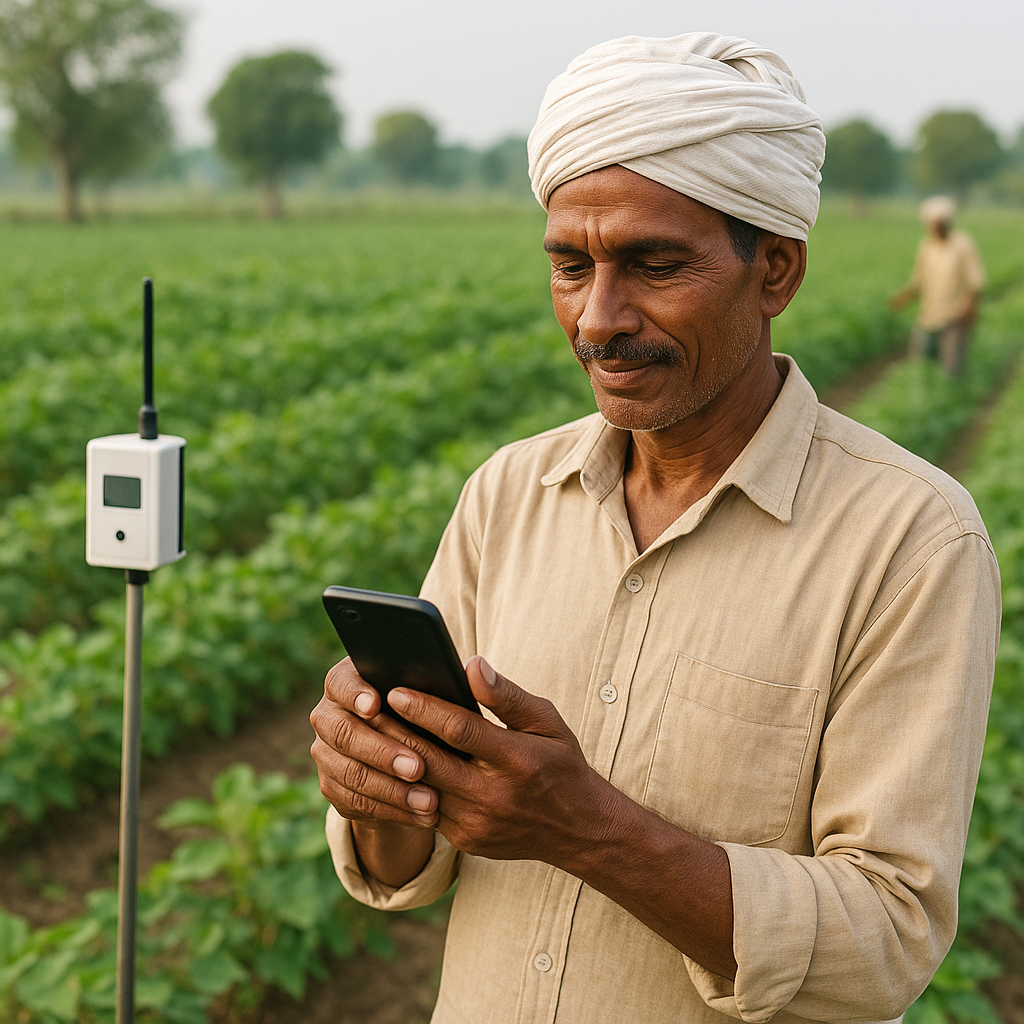
High implementation costs and complex maintenance can deter small-scale producers from adopting new technologies. To counter this, innovators are developing low-cost devices and plug-and-play kits that require minimal technical expertise. Simple sensor modules, often priced under $20, can be connected to open-source microcontrollers and powered by small solar panels. Meanwhile, user-friendly mobile apps deliver dashboards, alerts, and localized recommendations in native languages, ensuring that farmers reap benefits without needing a degree in computer science.
Community-driven initiatives further reduce expenses:
- Shared data hubs hosted at village centers allow multiple families to leverage a single, robust server.
- Training sessions organized by NGOs and cooperatives demystify IoT installation and upkeep.
- Microfinance schemes specifically tailored to fund technology adoption mitigate upfront capital barriers.
By pooling resources and knowledge, smallholders gain economies of scale, fostering a self-sustaining ecosystem of innovation.
Sustainable Practices and Environmental Impact
Embracing smart agriculture also means prioritizing sustainability and reducing the ecological footprint of food production. IoT platforms enable precision management of inputs—water, fertilizers, and pesticides—minimizing runoff and soil degradation. Soil sensors can determine the exact nutrient requirements for each plot section, leading to targeted fertilizer applications that cut costs and shield local waterways from chemical contamination.
Additional environmental benefits include:
- Real-time water usage tracking, ensuring no field is over-irrigated and conserving scarce freshwater.
- Integration with weather forecasting to optimize planting and harvesting windows, reducing post-harvest losses.
- Carbon footprint monitoring systems that help farmers gain access to emerging carbon credit markets.
This data-centric approach ensures that productivity gains do not come at the expense of long-term soil health or biodiversity.
Challenges and Future Outlook
Despite its promise, the widespread adoption of agricultural IoT faces hurdles. Many regions encounter issues such as intermittent power supply, limited digital literacy, and concerns regarding data ownership and privacy. Addressing these requires collaborative frameworks that involve local governments, private enterprises, and international agencies. Standardizing communication protocols and ensuring open access to core software components can drive down costs and spur regional customization.
Looking ahead, the convergence of IoT with emerging technologies like edge computing, artificial intelligence, and blockchain will further empower smallholder farmers. Edge devices can process critical data locally, reducing latency and dependency on distant servers. AI-driven advisory systems will offer hyper-local recommendations, while blockchain-enabled marketplaces promise fairer trade and transparent supply chains. Together, these innovations will cement the role of smallholder farmers as vital contributors to global food security, marking a new era of resilience, profitability, and shared prosperity.