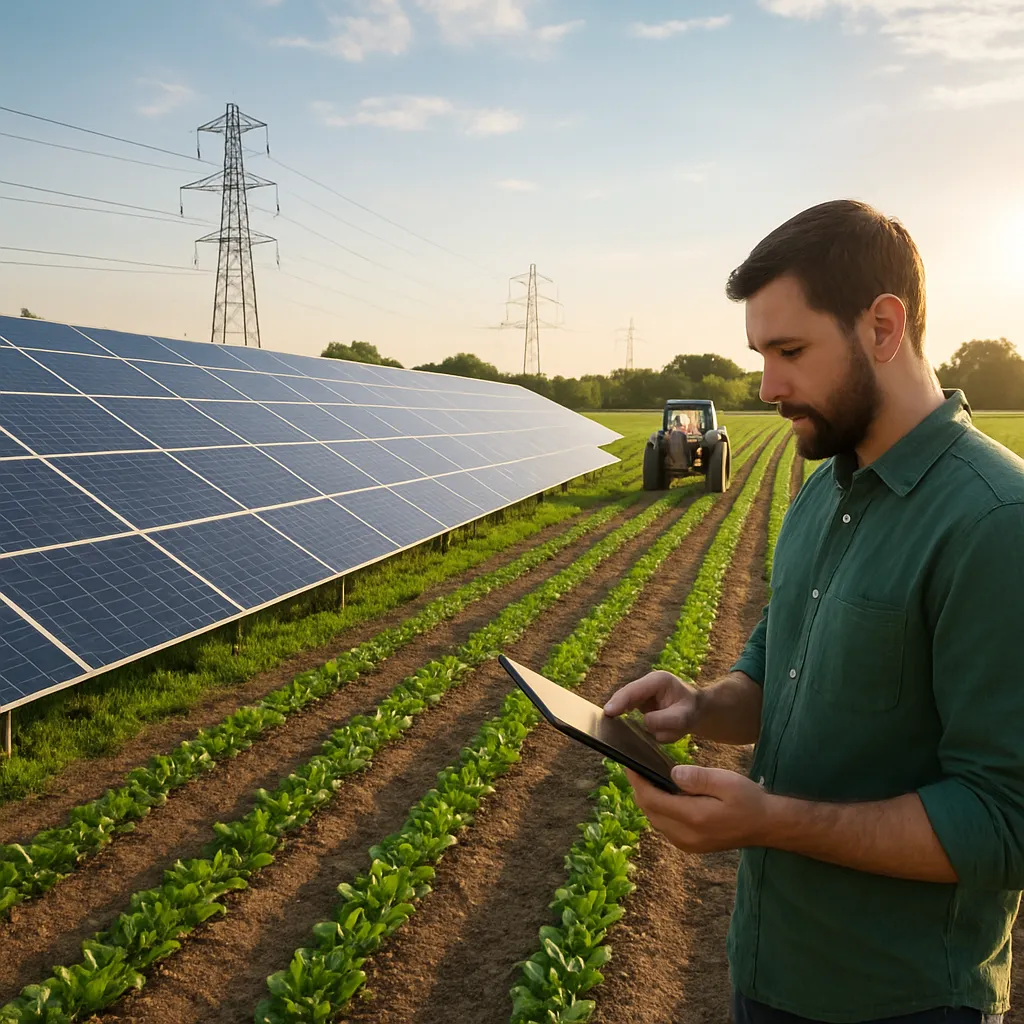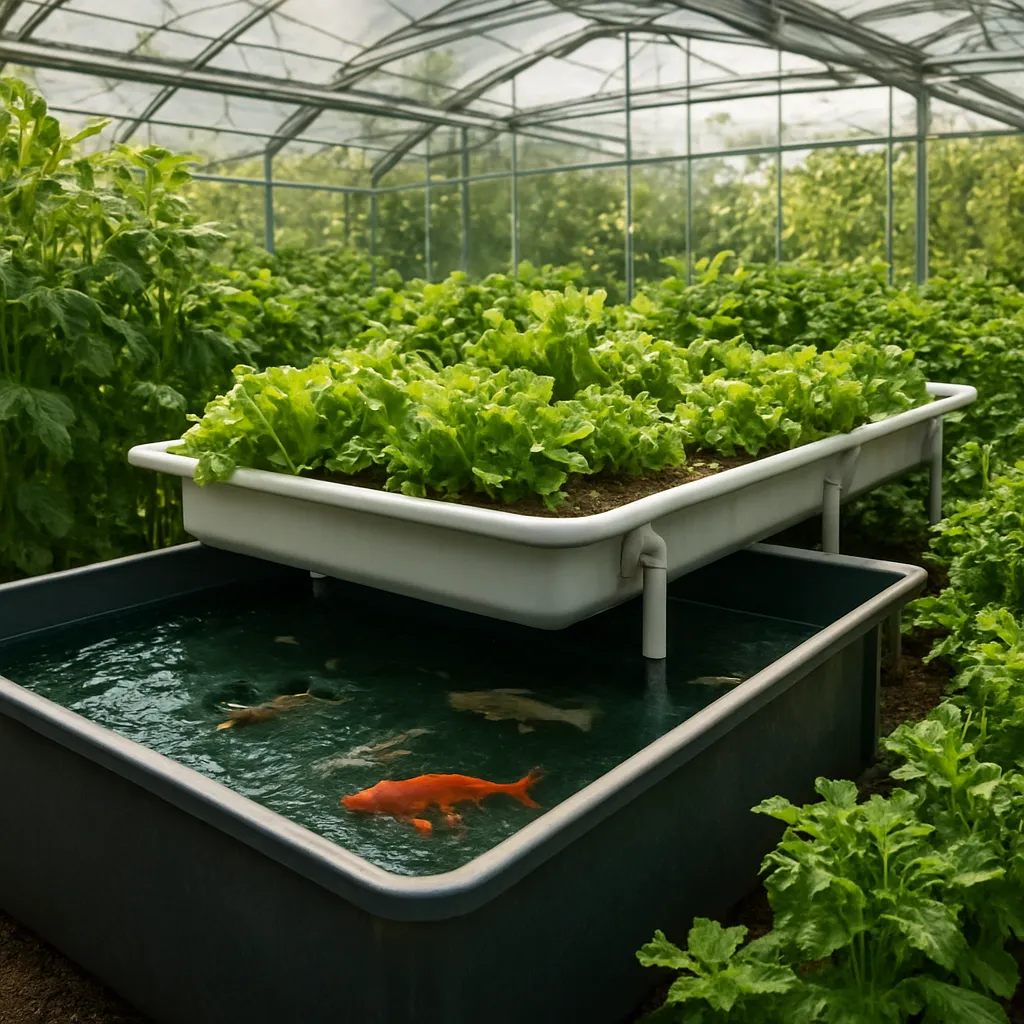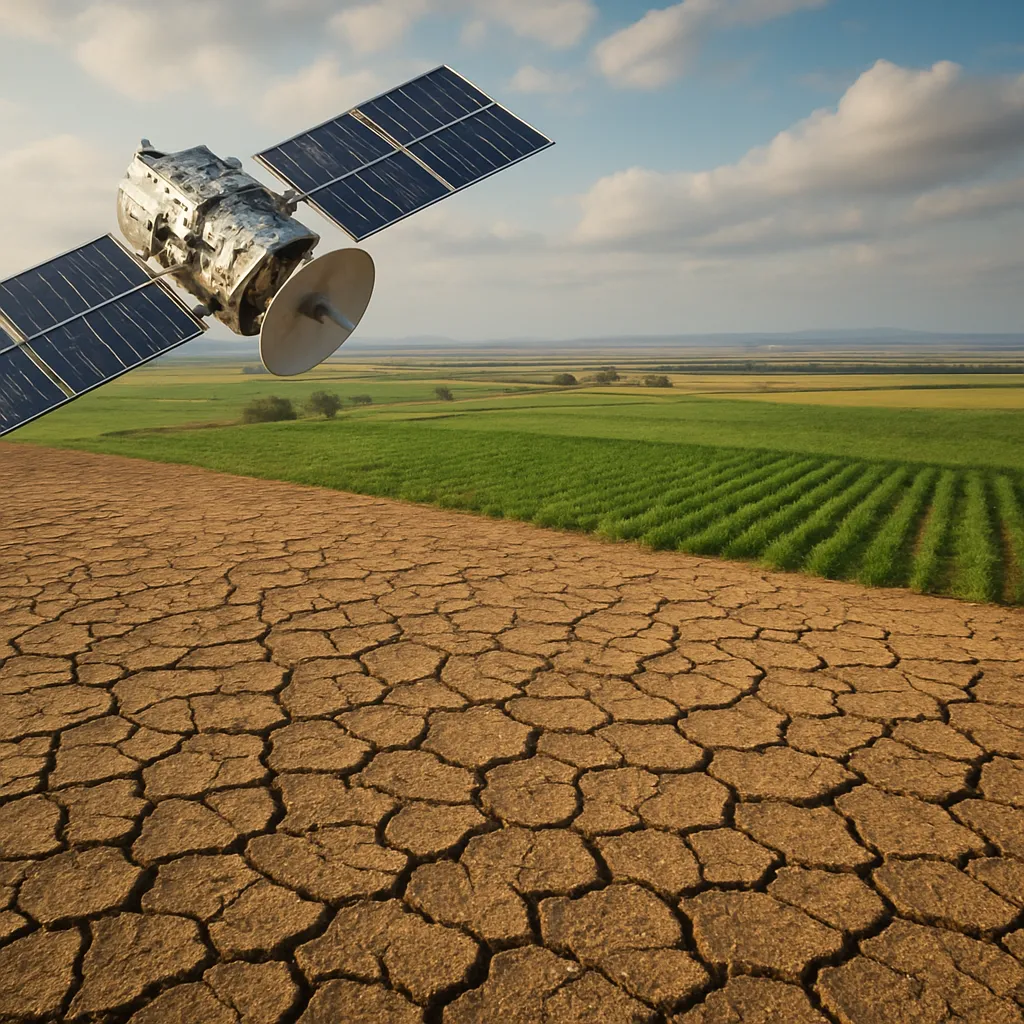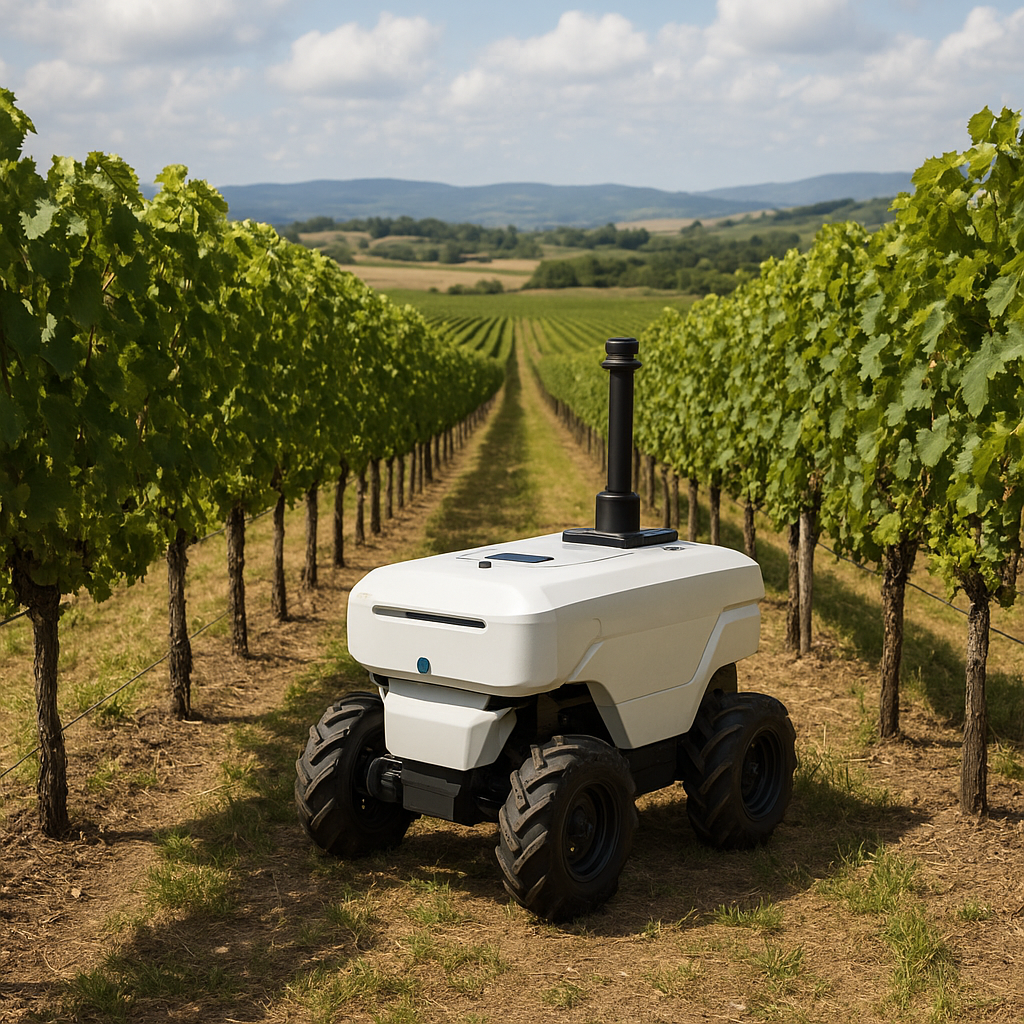
The fusion of cutting-edge technology and traditional farming practices is redefining the landscape of modern food production. As the global population grows, the demand for smarter, more efficient methods to nurture the earth intensifies. At the heart of this transformation lie tiny, yet powerful devices that gather and analyze critical information beneath the surface. These innovations are unlocking unprecedented insights into soil conditions, enabling farmers to make informed decisions that boost yield, conserve resources, and promote long-term health of the land.
Smart Sensors and the Evolution of Soil Monitoring
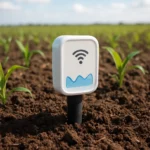
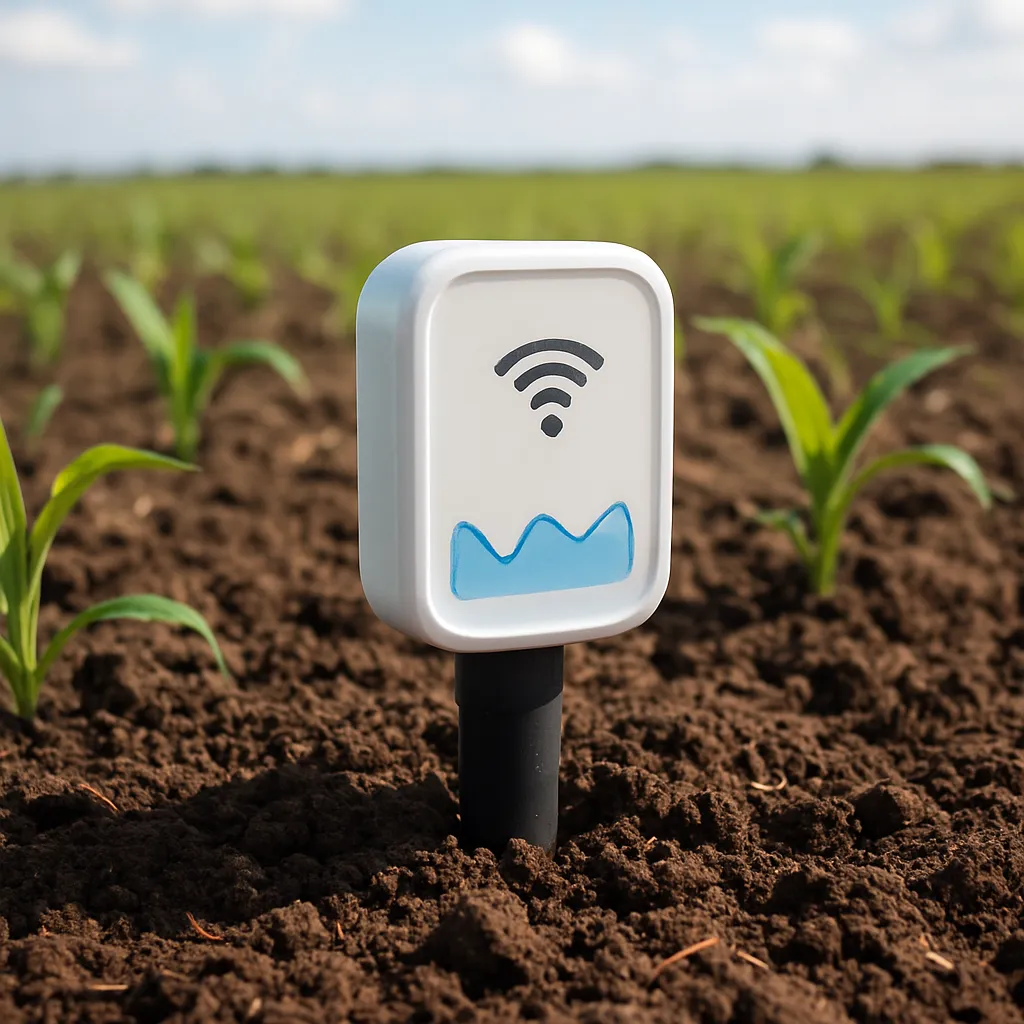
Over the past decade, the deployment of underground and surface-attached sensors has shifted soil management from calendar-based routines to dynamic, real-time strategies. Early probes measured only basic parameters, but today’s networked instruments track a multitude of variables simultaneously. By integrating sensors into soil profiles, growers can receive continuous updates on moisture levels, nutrient availability, temperature fluctuations, and microbial activity.
From Manual Sampling to Autonomous Networks
Traditional soil analysis methods required manual sampling, lab processing, and delayed results. This approach often led to over- or under-application of irrigation and amendments. In contrast, autonomous sensor arrays deliver instant readings, which can be transmitted via cellular, LoRaWAN, or satellite links. The ability to harness live data has propelled the concept of precision agriculture from theory into everyday practice.
Key Benefits of Real-Time Soil Sensing
- Optimized Water Management: Avoid both drought stress and waterlogging by tailoring irrigation schedules to actual root-zone moisture.
- Targeted Nutrient Delivery: Apply fertilizers only where needed, reducing runoff and enhancing uptake.
- Enhanced Crop Health: Detect temperature swings that might trigger pest outbreaks or frost damage.
- Resource Conservation: Minimize waste of inputs such as water, energy, and chemicals.
Innovative Technologies Powering the Next Generation of Sensors
The rapid pace of miniaturization, combined with advances in materials science, has given rise to sensors that are tougher, more accurate, and more energy-efficient than ever before. Engineers are creating devices that can operate for months or even years on a single battery charge, while transmitting high-fidelity measurements to centralized platforms.
IoT Integration and Cloud Analytics
By pairing sensors with the IoT ecosystem, farmers gain seamless connectivity between devices, gateways, and analytical tools. Cloud-based dashboards aggregate soil metrics, weather forecasts, and satellite imagery to generate actionable recommendations. Machine learning algorithms then identify patterns—such as the correlation between soil pH swings and nutrient leaching—driving further improvements in field management.
Advanced Sensing Modalities
- Electrochemical Probes: Measure specific ions like nitrate and potassium with high selectivity.
- Dielectric Sensors: Estimate volumetric water content based on changes in electrical properties.
- Optical Fiber Networks: Detect microscale moisture shifts along entire rows of crops.
- Microbial Biosensors: Track key biological indicators that signal soil health or disease risk.
Integrating multiple sensing modalities into a single package enables comprehensive profiling of the root-zone environment. Such multi-parameter platforms pave the way for holistic management approaches that consider physical, chemical, and biological dimensions.
Maximizing Crop Performance and Environmental Impact
One of the most compelling advantages of sensor-driven soil monitoring lies in its ability to elevate both yield and productivity while preserving ecological balance. By understanding the spatial variability within fields, farmers can divide acreage into management zones and treat each area uniquely. This granular approach reduces the overuse of water and agrochemicals, thereby promoting sustainability and enhancing the farm’s long-term viability.
Variable Rate Application (VRA) in Practice
Variable Rate Application systems, guided by soil sensor data, dispense inputs—such as seeds, fertilizers, and pesticides—at customized rates. A VRA-enabled sprayer, for instance, can apply herbicide only where weed pressure is detected, dramatically lowering chemical load. Similarly, seed drills can adjust seeding density on the go, maximizing space without overcrowding.
Water Savings and Drought Resilience
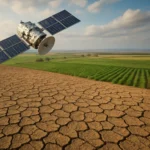
In regions prone to water scarcity, soil moisture sensors inform deficit irrigation strategies that maintain optimal plant growth with minimal water use. By applying water at critical crop stages rather than fixed intervals, growers enhance resilience against drought and reduce pumping costs. The cumulative effect leads to substantial savings and a smaller environmental footprint.
Challenges, Adoption Barriers, and Future Directions
Despite the clear benefits, widespread deployment of smart soil sensors faces several hurdles. Upfront costs, data interoperability issues, and the need for technical training can slow adoption among smaller operators. Overcoming these barriers requires collaboration between technology providers, extension services, and policy makers.
Cost Reduction Through Scale and Innovation
As sensor production scales up and supply chain efficiencies improve, unit prices are expected to decline. Open-source hardware initiatives and community-driven research projects also contribute to more affordable solutions. Leasing models and subscription services allow farmers to access premium analytics without heavy capital investments.
Standardization and Data Sharing
Developing universal protocols for sensor data formats and transmission ensures compatibility across brands and platforms. Industry consortia play a pivotal role in setting standards that facilitate seamless data exchange. When systems can “speak” to each other, integrated workflows become smoother and more reliable.
Looking Ahead: Autonomous Soil Management
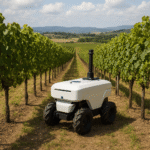
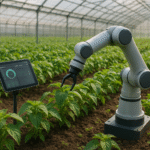
The convergence of robotics, artificial intelligence, and advanced sensors hints at a future where soil management becomes largely autonomous. Ground-based drones could deploy sensors at precise depths, while AI agents interpret the resulting data and trigger irrigation, fertilization, or aeration routines without human intervention. Such orchestration promises to redefine efficiency benchmarks, driving global agriculture toward a smarter, greener era.