




The intricate world beneath our feet harbors an astonishingly complex network of life, one that holds the key to transformative advances in precision agriculture and sustainable agroecosystems. By exploring the soil’s hidden inhabitants, researchers are unveiling secrets that promise enhanced crop productivity, reduced environmental impact, and improved resilience to climate extremes. This article delves into the cutting-edge realm of soil microbiome science, uncovering how microscopic allies can be harnessed to revolutionize modern farming.
Understanding the Soil Microbiome
Defining the Underground Community
The term microbiome encompasses the collective genomes of microorganisms living in a particular environment. In soil, bacteria, fungi, archaea, protozoa, and viruses form dynamic symbiotic relationships with plant roots, organic matter, and each other. These interactions drive vital processes such as nutrient cycling, organic matter decomposition, and the maintenance of soil structure.
Key Functional Groups
- Nitrogen-fixers: Bacteria like Rhizobium convert atmospheric nitrogen into plant-accessible forms.
- Phosphate-solubilizers: Microbes that liberate bound phosphates, boosting phosphorus availability.
- Mycorrhizal fungi: Symbiotic fungi that extend root networks, enhancing water and nutrient uptake.
- Decomposers: Bacteria and fungi that break down complex organic compounds, replenishing the soil’s nutrient reservoir.
Factors Shaping Microbial Diversity
A multitude of variables influences the composition and function of soil microbial communities:
- Soil pH: Microbes exhibit specific pH preferences, affecting community structure and enzyme activity.
- Moisture and aeration: Oxygen levels determine whether aerobic or anaerobic processes dominate.
- Organic inputs: Crop residues, compost, and biochar provide energy sources that select for different functional guilds.
- Land management practices: Tillage, crop rotation, and chemical inputs can either support or disrupt microbial ecosystems.
Innovative Techniques for Microbiome Enhancement
Microbial Inoculants and Biofertilizers
The development of microbial consortia tailored to specific crops and soils has sparked a new wave of fertilizer efficiency strategies. By introducing beneficial strains—such as nitrogen-fixers and phosphate-solubilizers—farmers can reduce reliance on synthetic fertilizers, lower production costs, and minimize nutrient runoff.
Soil Health Diagnostics
Recent advances in high-throughput sequencing and metabolomics enable precise characterization of microbial communities. Techniques include:
- 16S rRNA gene sequencing for bacterial profiling
- ITS region analysis for fungal diversity
- Metagenomic shotgun sequencing to assess functional potential
- Soil enzyme assays to gauge metabolic activity
Such diagnostics facilitate data-driven decisions, allowing agronomists to monitor how management changes impact microbial functions and overall biological diversity.
Biostimulants and Microbial Activators
Biostimulants—organic compounds or microbial extracts—can ignite the growth and activity of indigenous microorganisms. Common formulations include seaweed extracts, humic acids, and amino acid blends. When applied appropriately, these products foster robust microbial populations that enhance nutrient availability and plant resilience against stresses.
Cover Cropping and Intercropping
Integrating diverse plant species into cropping systems has proven to be a powerful strategy for nurturing soil life. Cover crops such as legumes, grasses, and brassicas:
- Provide continuous root exudates, sustaining microbial food webs
- Suppress weeds and reduce erosion
- Fix nitrogen or scavenge residual nutrients, preventing leaching
Intercropping patterns further increase niche diversity, sustaining a wider range of microbial taxa and enhancing disease suppression through competitive exclusion of pathogens.
Impacts on Sustainable Agriculture and Food Security
Carbon Sequestration and Climate Mitigation
Healthy soils act as significant carbon sinks. Microbial decomposition of organic inputs leads to stabilization of carbon in mineral-associated forms. Practices that promote microbial biomass—no-till, diversified rotations, and organic amendments—can increase soil organic carbon stocks, contributing to global carbon sequestration efforts.
Resilience to Environmental Stressors
As climate variability intensifies, crops face drought, salinity, and temperature extremes more frequently. A robust microbial community helps plants by:
- Enhancing root growth and water uptake via mycorrhizal networks
- Producing osmoprotectants and phytohormones that reduce stress damage
- Detoxifying heavy metals or salinity through microbial transformations
These functions strengthen agroecosystems’ capacity to maintain yields under adverse conditions, securing food production for growing populations.
Reducing Chemical Footprints
Overuse of pesticides and herbicides can disrupt soil microbiomes, leading to reduced natural disease suppression and long-term fertility declines. Embracing biocontrol agents—beneficial bacteria and fungi that antagonize pathogens—offers an eco-friendly alternative. By leveraging microbial competition, predation, and antibiosis, farmers can protect crops while preserving soil health.
The Role of Technology and Big Data
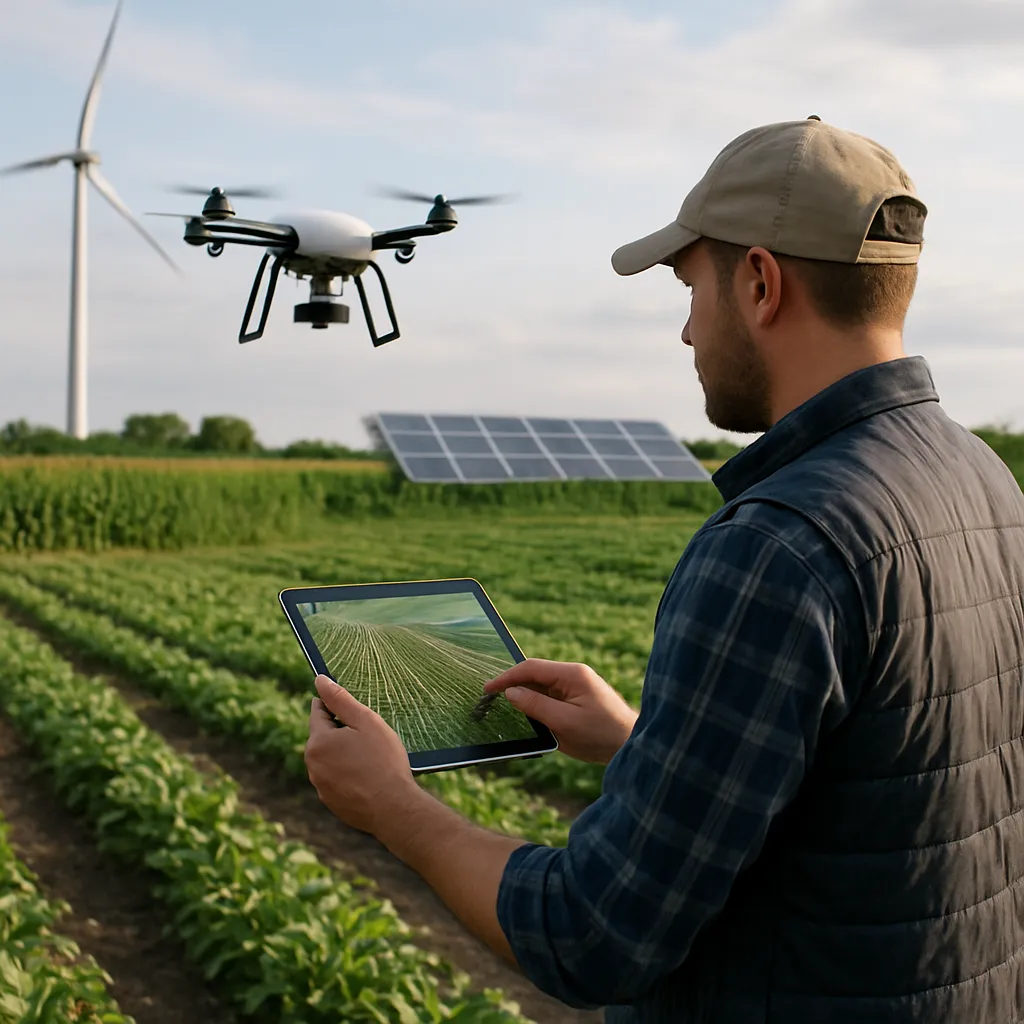
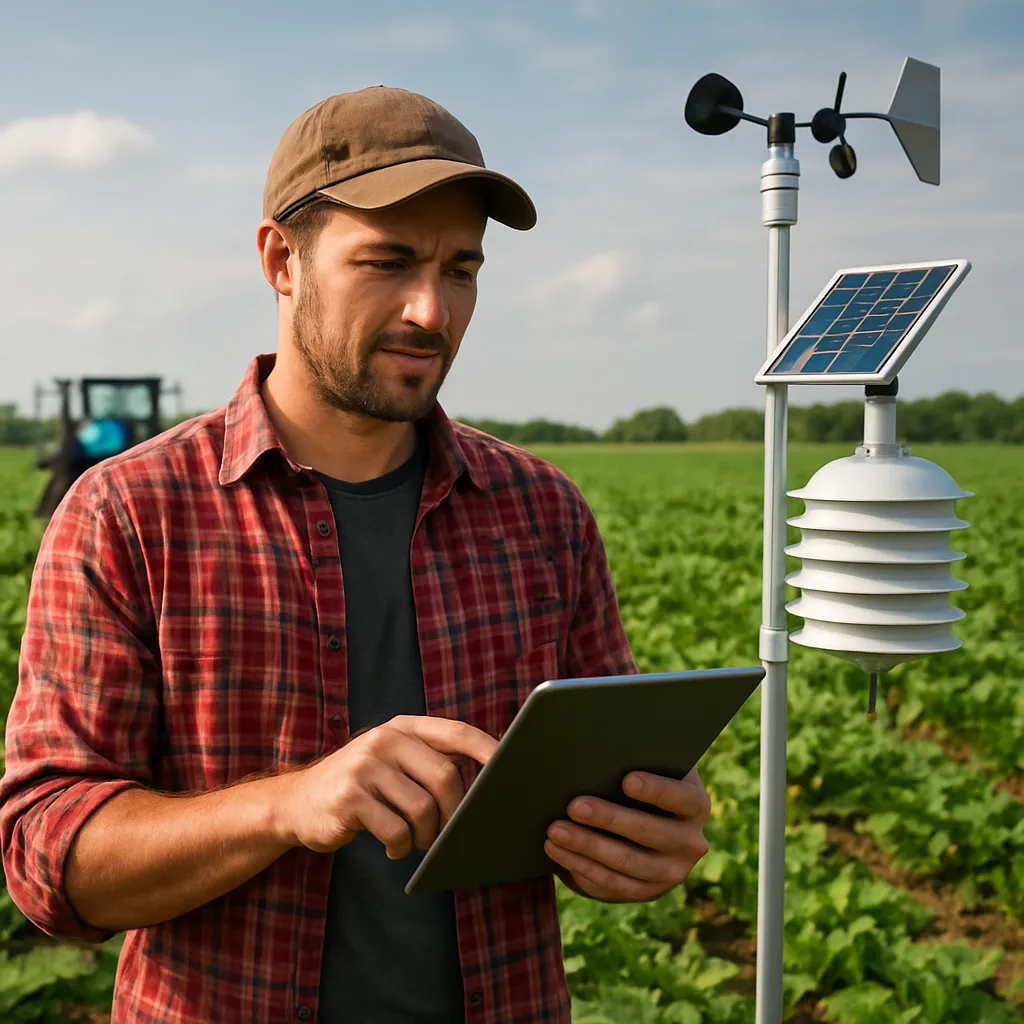
Integrating remote sensing, machine learning, and soil microbiome databases paves the way for truly precision agriculture. Real-time monitoring of soil conditions, coupled with predictive models, allows tailored interventions at the field or sub-field scale. This synergy of biotechnology and data science optimizes resource use, maximizes yields, and supports regenerative farming paradigms.
The Future of Soil Microbiome Research
Engineering Microbial Consortia
Scientists are now exploring synthetic ecology: designing stable, multi-strain communities that perform targeted functions. By assembling consortia with complementary metabolic pathways, it is possible to:
- Enhance nutrient mobilization under varying pH and moisture
- Produce bioactive compounds that deter pests
- Accelerate organic matter turnover for sustained fertility
Policy and Farmer Adoption
Bridging the gap between research and on-farm application requires supportive policies, extension services, and education. Incentive programs for practices that build microbial health—such as cover cropping grants or carbon credit schemes—will accelerate adoption. Empowering farmers with knowledge about the critical role of soil microbiomes ensures long-term stewardship of this precious resource.
Global Collaboration and Open Science
International initiatives, data-sharing platforms, and citizen science projects are democratizing soil microbiome research. Collaborative networks enable the comparison of microbial patterns across climates, soil types, and cropping systems. Open-access repositories of metagenomic data foster innovation, accelerating breakthroughs that benefit farmers worldwide.