
The convergence of modern agriculture and clean power technologies is reshaping rural landscapes into hubs of sustainability and innovation. Integrating renewable energy sources within farming systems not only reduces carbon footprints but also enhances resilience, creating a new model of efficient and profitable food production. This article explores various strategies—from agrivoltaics to biogas generation—that demonstrate how farmers and communities can harness renewable resources to power operations, improve soil health, and secure long-term economic benefits.
Harnessing Solar Power for Crop Production
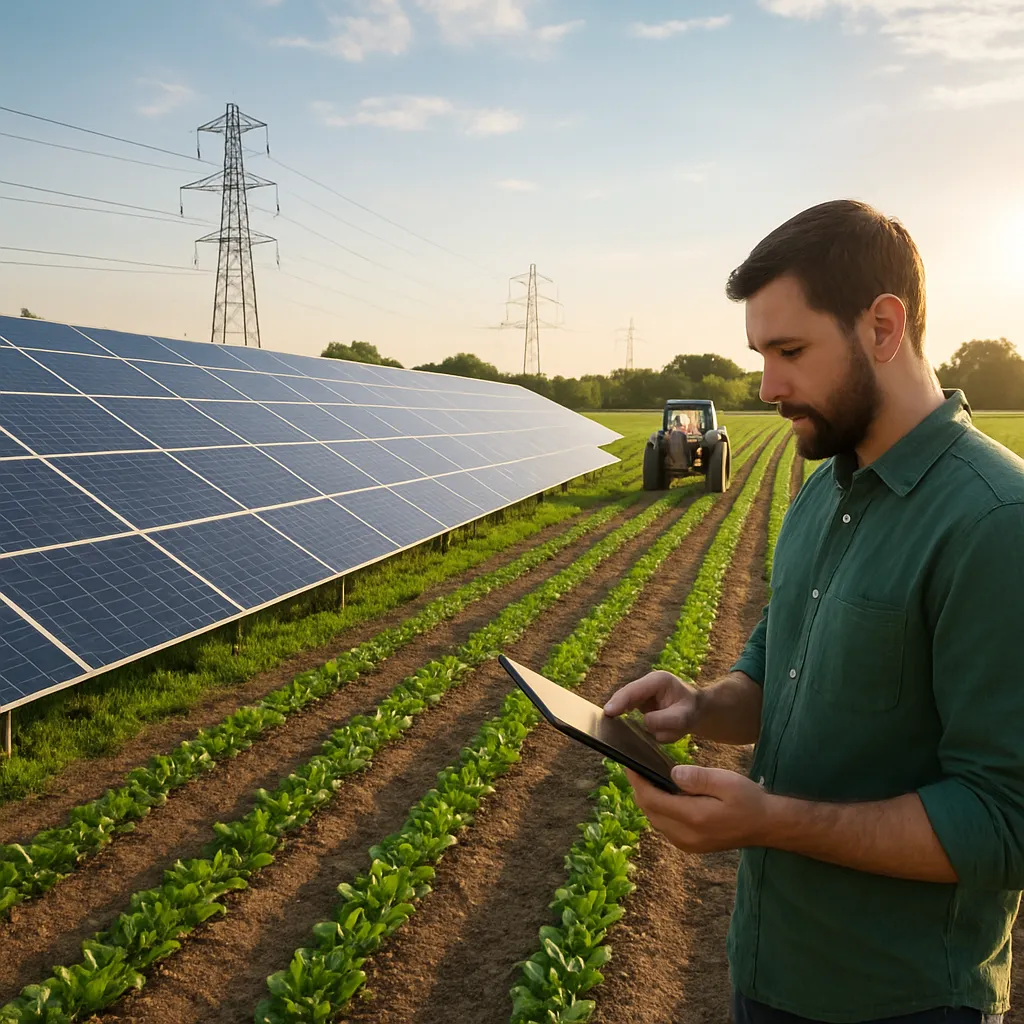
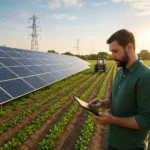
Solar energy stands at the forefront of decentralized renewable solutions. By installing photovoltaic panels over crop rows, farmers can practice agrivoltaics, which optimizes land use by combining electricity generation with agricultural output. This dual-use approach mitigates shading stress, improves microclimates, and generates clean power for on-site machinery, irrigation pumps, and storage facilities.
Solar Photovoltaic Systems: Design and Implementation
Designing an effective solar array involves assessing:
- Panel orientation and tilt for maximum irradiance capture
- Row spacing to balance light transmission to plants
- Integration with existing irrigation networks
- Grid-tied or off-grid inverters for reliable innovation in power management
Advanced mounting structures allow panels to adjust angle, further tailoring light exposure and optimizing efficiency. Combining tracking systems with remote monitoring ensures precision in energy harvesting, reducing downtime and maintenance costs.
Benefits for Crop Yield and Land Use
Field trials in viticulture and vegetable production have revealed yield increases up to 15% under solar canopies, attributed to moderated temperature fluctuations and reduced evapotranspiration. Additional advantages include:
- Lower irrigation demands through partial shading
- Revenue diversification from power sales or net metering
- Enhanced farm resilience during energy price volatility
Wind Energy Applications in Rural Landscapes
Wind turbines—ranging from small-scale towers to community wind farms—offer another pathway to renewable integration. Appropriate site selection based on wind speed data and terrain analysis maximizes return on investment and aligns energy output with farm consumption patterns.
Micro and Small Wind Turbines
Compact turbines (5–50 kW) can be installed near barns, greenhouses, or remote pasture areas. Advantages include:
- Quick installation with minimal land displacement
- Low maintenance schedules and robust design against harsh weather
- Direct coupling to battery banks for lighting and sensor networks
Community Wind Projects
Collaborative ownership models allow multiple farms to share capital costs and benefits. Such projects unlock:
- Access to larger turbines (100–500 kW) with economies of scale
- Local job creation in construction and operation
- Collective bargaining for favorable power purchase agreements
Biogas and Bioenergy from Agricultural Residues
Agricultural waste streams—manure, crop stubble, and processing byproducts—represent a carbon-neutral fuel source when processed in anaerobic digesters. Biogas yield depends on feedstock composition and digester design, providing methane-rich gas for heat, electricity, or vehicle fuel.
Anaerobic Digesters on the Farm
On-farm digesters range from plug-flow to continuous stirred-tank reactors. Implementation steps include:
- Feedstock analysis (C/N ratio, moisture content)
- Pre-treatment options such as thermal hydrolysis
- Gas upgrading systems for pipeline injection or compressed natural gas use
Improving Soil Health with Biofertilizers
Digestate, the nutrient-rich byproduct, can be applied as a renewable organic fertilizer. It enhances soil structure, microbial diversity, and nutrient cycling, reducing dependence on synthetic chemicals and promoting long-term farm sustainability.
Hydropower and Water Management
While large dams dominate conventional hydropower, small and micro-hydro systems (microhydropower) can sustainably utilize irrigation channels, drainage ditches, and stream flows. These systems produce steady baseload energy with minimal environmental disruption.
Micro-Hydropower Systems
Typical installations include:
- Low-head turbines in irrigation canals
- Run-of-river setups alongside drainage networks
- Modular turbine units for seasonal flow variations
Real-time flow sensors and automated sluice gates regulate water distribution between irrigation demands and power generation, balancing innovation with resource stewardship.
Integrating Hydro with Irrigation Infrastructure
Multi-purpose canals can deliver both water and electricity. Farmers benefit from:
- Reduced pumping costs by harnessing gravity-fed water flow
- Enhanced water-use efficiency through smart valves
- Synergistic maintenance scheduling across water and power assets
Smart Energy Grids and Precision Agriculture
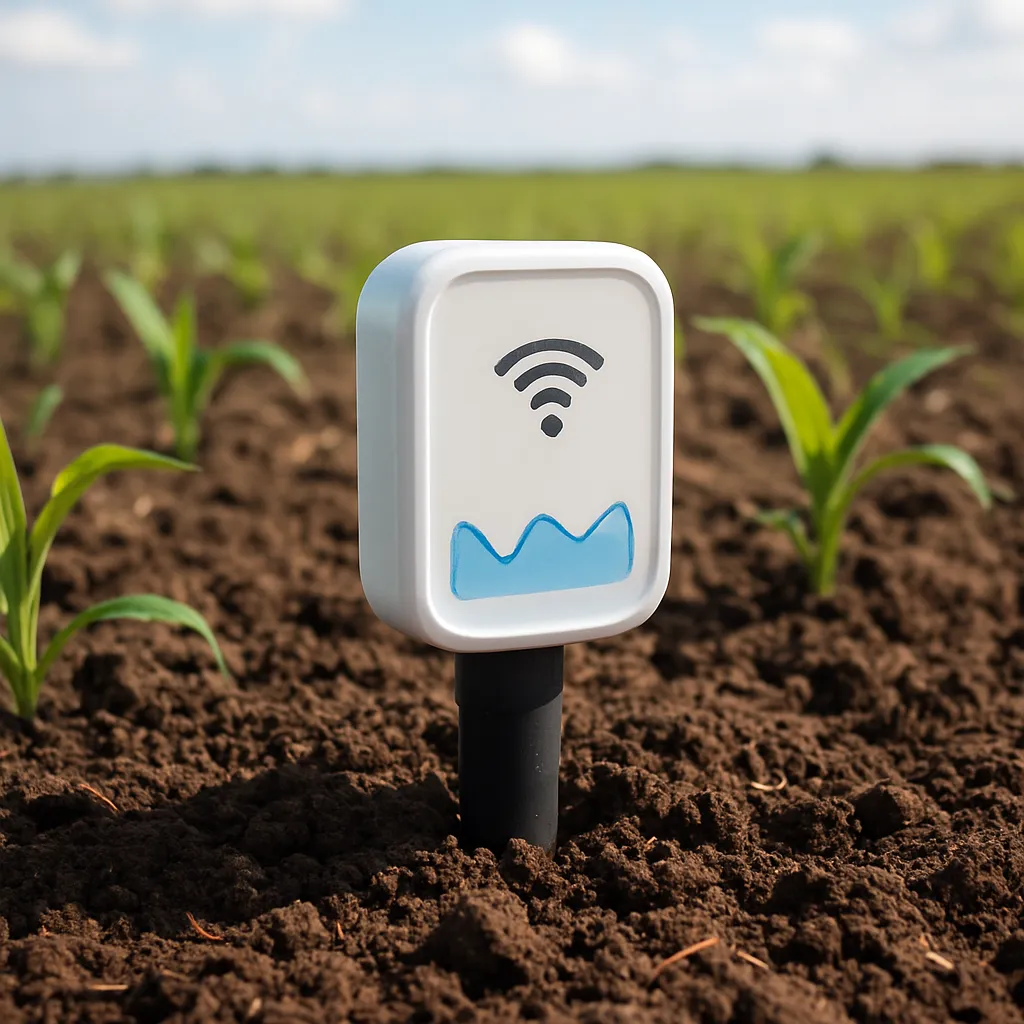
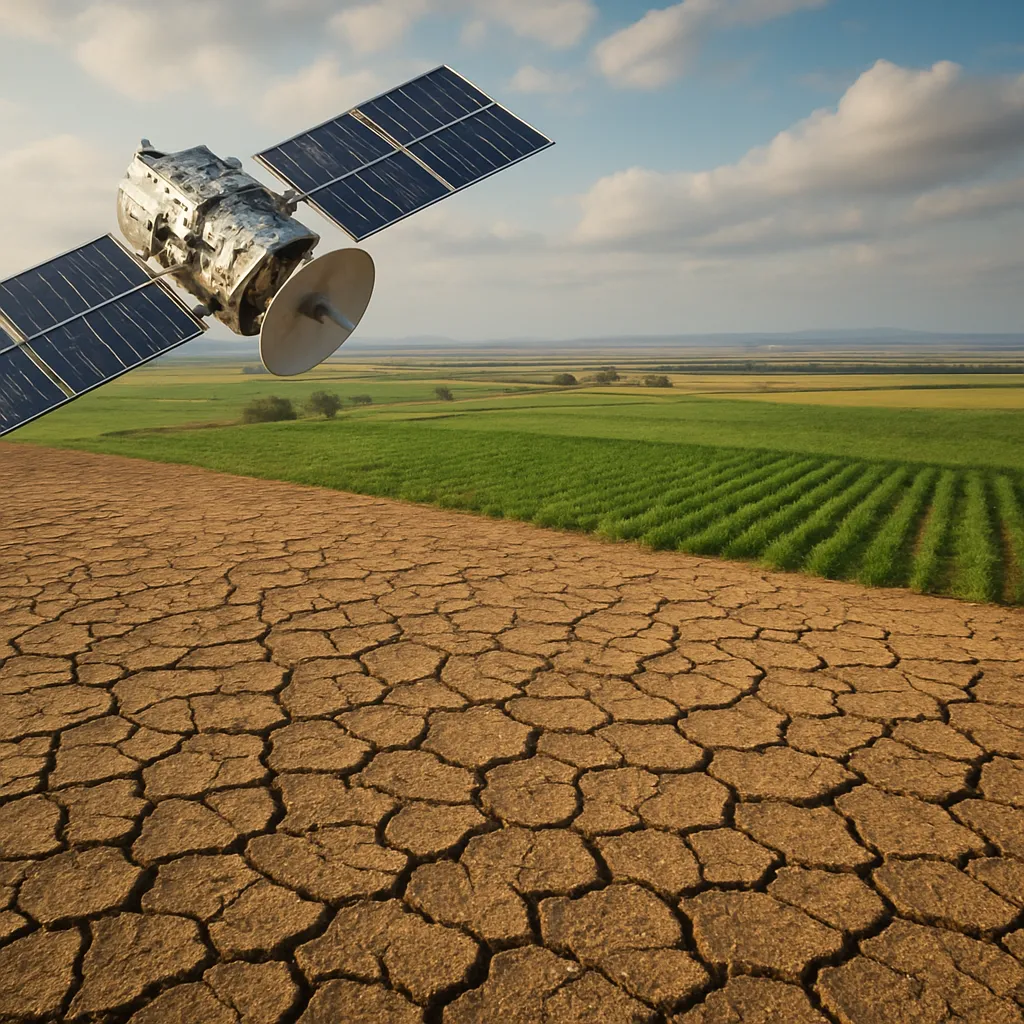
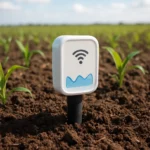
Digital connectivity transforms renewable installations into intelligent systems. By combining IoT sensors, drone surveillance, and AI-driven analytics, farms can dynamically adjust energy flows and agricultural operations.
IoT and Real-time Monitoring
Sensors measure:
- Solar irradiance and panel performance
- Wind speed, direction, and turbine output
- Digester conditions like temperature and biogas composition
Data streams feed dashboards that alert operators to anomalies, reducing downtime and optimizing resilience.
Data-Driven Optimization of Energy Use
Machine-learning algorithms forecast energy availability and match it to demand from irrigation pumps, grain dryers, and climate-controlled greenhouses. Predictive maintenance reduces unexpected failures, while dynamic pricing models enhance revenue through energy arbitrage.
Economic and Environmental Impacts
Renewable integration yields both tangible and intangible benefits. Financial incentives—feed-in tariffs, tax credits, and carbon trading—lower capital hurdles, while reduced fossil fuel reliance cuts greenhouse gas emissions.
Financial Incentives and Carbon Markets
Key mechanisms include:
- Renewable Energy Certificates (RECs) for each megawatt-hour generated
- On-farm energy efficiency grants and low-interest financing
- Participation in regional carbon offset programs
Long-term Sustainability and Resilience
By diversifying income streams and securing energy independence, farms become more resilient to price shocks and supply disruptions. Holistic integration of solar, wind, biogas, hydro, and smart grids paves the way for an innovative, climate-smart agricultural future.