




Regenerative grazing represents a paradigm shift in agriculture, transforming livestock management into a catalyst for environmental renewal. By aligning animal behavior with ecological processes, this approach fosters resilient landscapes, enhances soil fertility, and mitigates climate change. Farmers across the globe are discovering how strategic grazing cycles can restore degraded land, boost productivity, and create thriving **ecosystems**.
Principles of Regenerative Grazing
Soil Health as Foundation
At the heart of regenerative grazing lies an unwavering commitment to soil restoration. Healthy soil supports robust plant growth, cycles nutrients, and stores water. Key practices include:
- Minimizing bare ground through continuous vegetative cover
- Encouraging a diverse plant community to promote a balanced soil **microbiome**
- Applying minimal mechanical disturbance to protect soil structure
By rotating animals through multiple **paddocks**, managers allow plants to recover, their roots to extend deeper, and organic matter to accumulate. Over time, this process builds stable soil aggregates, increasing water infiltration and reducing erosion.
Dynamic Paddock Management
A core component of regenerative systems is the frequent movement of livestock. In contrast to continuous grazing, dynamic paddock management divides pastures into smaller cells. This method offers several benefits:
- Enhanced nutrient distribution via uniform manure deposition
- Targeted forage regrowth periods, preventing overgrazing
- Reduced parasite and pest cycles
Utilizing portable fencing and water sources, farmers can tailor grazing intensity to seasonal forage availability. This adaptive strategy emphasizes **rotational** and mob grazing, ensuring each plant recovers optimally.
Holistic Planning and Decision-Making
Holistic management is a decision-making framework integrating ecological, economical, and social factors. Key steps include:
- Setting clear goals for soil carbon sequestration, livestock productivity, and biodiversity conservation
- Assessing ecosystem health through indicators such as ground cover and plant diversity
- Monitoring outcomes and adjusting stocking rates or rest periods accordingly
This adaptive process forms a feedback loop, fostering continuous improvement in land health and farm profitability. By viewing the farm as an interconnected whole, managers optimize resource use and build **resilience** against climate extremes.
Environmental Impacts and Benefits
Carbon Sequestration and Climate Mitigation
Regenerative grazing harnesses photosynthesis to draw down atmospheric **carbon** into soils. As plants regrow after grazing, they allocate carbohydrates below ground, feeding root systems and soil organisms. Over successive cycles, this leads to:
- Increased soil organic carbon stocks
- Long-term stabilization of carbon in humus
- Potential carbon credit revenues for farmers
Studies indicate that properly managed grazing lands can sequester between 0.5 to 3 metric tons of CO₂ per hectare annually, contributing substantially to national climate goals.
Enhanced Biodiversity
By mimicking natural grazing patterns of wild herbivores, regenerative grazing promotes habitat heterogeneity. The resulting mosaic of grazed and ungrazed areas supports a variety of plant and animal species, including:
- Ground-nesting birds benefiting from short grass swards
- Pollinators accessing abundant flowering forbs
- Soil fauna such as earthworms and mycorrhizal fungi
This increase in **biodiversity** not only enriches ecosystem services but also creates more stable food webs, reducing vulnerability to pests and diseases.
Water Retention and Drought Resistance
Healthy, carbon-rich soils act like a sponge, retaining more water and releasing it slowly. Key outcomes include:
- Reduced runoff and downstream flooding
- Improved drought resilience during dry spells
- Enhanced groundwater recharge
A single percentage-point increase in soil organic matter can boost water holding capacity by up to 20,000 gallons per acre, vital for sustaining forage through periods of low rainfall.
Implementation Strategies for Farmers
Adaptive Stocking Rates
Rather than maintaining fixed herd sizes, regenerative graziers adjust stocking rates to match forage availability and seasonal growth. Steps include:
- Calculating forage biomass and desirable residual height after grazing
- Monitoring animal performance and pasture recovery
- Temporarily destocking or adding animals in response to feed supply
This flexible approach prevents overgrazing, keeps plants in a vegetative, nutrient-rich state, and optimizes weight gains or milk yields.
Technology and Monitoring
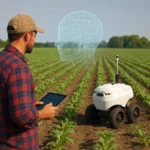
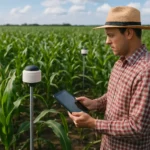
Emerging tools help managers refine their systems with precision. Key technologies include:
- Drones and satellite imagery for vegetative cover assessment
- Soil sensors tracking moisture, temperature, and electrical conductivity
- Mobile apps facilitating grazing plans and recording of field observations
Combining traditional knowledge with modern data enables evidence-based decisions, ensuring grazing interventions align with long-term **regenerative** goals.
Community Collaboration and Knowledge Sharing
Networks of regenerative practitioners accelerate innovation. Farmers engage in field days, workshops, and online forums to exchange insights on:
- Optimal rest intervals for various forage species
- Effective fencing and water infrastructure layouts
- Strategies for integrating cover crops and mixed-species grazing
These collaborations foster a culture of continuous learning, amplifying the positive impacts of regenerative grazing across landscapes and **communities**.