


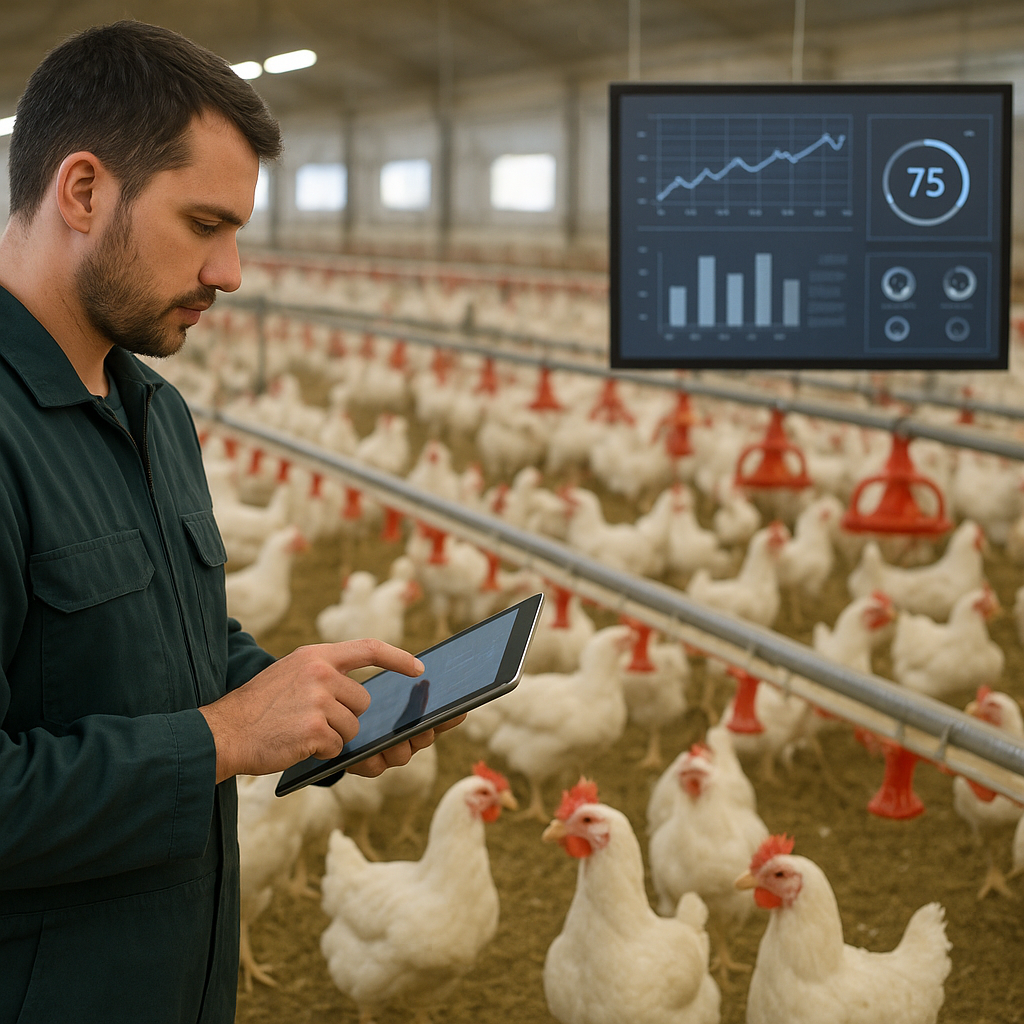
Smart Poultry Farming has emerged as a transformative approach combining cutting-edge data-centric technologies with traditional husbandry to maximize efficiency and animal welfare. Driven by real-time analytics, automated systems, and precise environmental controls, farmers can boost productivity while reducing resource consumption and ecological footprints. This article explores key avenues where smart solutions are reshaping poultry operations, from advanced monitoring to innovative feeding strategies, and highlights the path toward a more sustainable and resilient industry.
Harnessing Real-Time Data for Poultry Health Management
Modern poultry houses are no longer dark barns with intermittent human checks. Instead, they are equipped with networks of sensors that continuously monitor temperature, humidity, air quality, and bird behavior. By integrating these inputs into centralized dashboards, poultry managers can detect early warning signs of disease outbreaks or environmental stress. Continuous monitoring enables swift interventions, reducing mortality rates and improving flock uniformity.
Subheadings and Focus Areas
- Environmental Sensing: Devices track ammonia levels and dust concentration, ensuring air remains within optimal thresholds for respiratory health.
- Behavioral Analytics: Computer vision algorithms analyze movement patterns, vocalizations, and feeding activity, flagging anomalies that hint at illness.
- Predictive Alerts: Machine learning models forecast potential issues based on historical trends and current readings, empowering proactive decision-making.
Centralizing data streams from multiple barns or locations provides comparative insights that drive continuous improvement. When one unit outperforms another, managers can investigate best practices and replicate success across the entire operation.
Automation and Precision Feeding Systems
Feeding represents one of the largest cost centers in poultry production. Traditional methods rely on uniform feed distribution, often ignoring individual bird needs. Smart feeding systems leverage automation combined with weight sensors and camera-based bird counts to deliver precise rations. This precision approach reduces feed waste, improves feed conversion ratios (FCR), and ultimately raises profitability.
Key Components of Automated Feeding
- Dynamic Feed Allocation: Algorithms adjust daily rations based on flock growth curves and environmental factors, ensuring birds receive optimal nutrition.
- Individual Bird Recognition: RFID tags or computer vision modules identify high- and low-feed consumers, enabling targeted supplements or health checks.
- Self-Adjusting Feeders: Mechanisms calibrate dispensing speed and portion size in real time, accommodating changing bird activity and appetite cycles.
In addition to feed control, water management systems incorporate flow meters and pressure regulators. By monitoring individual drinkers, farms can detect leaks and ensure each bird remains properly hydrated, a factor crucial to overall flock robustness.
Environmental Optimization and Sustainability
Eco-friendly practices are no longer optional. Smart poultry farms embrace sustainability at every stage, from energy use to waste management. Integrated heating, ventilation, and air conditioning (HVAC) systems use predictive models to balance thermal comfort with energy efficiency. During colder months, smart controllers modulate heating mats and air inlets to maintain an ideal microclimate while minimizing fuel consumption.
Strategies for Reduced Environmental Impact
- Renewable Power Integration: Solar panels and biogas generators offset grid electricity, lowering carbon footprints and operational costs.
- Manure Valorization: Precision moisture sensors in litter allow timed removal and composting, transforming waste into valuable fertilizer.
- Water Recycling: Treatment units reclaim and purify wash-down water for reuse, conserving freshwater supplies.
Such practices not only improve environmental credentials but also open new revenue streams. For example, high-quality compost derived from poultry litter can be sold to organic farms, creating a circular economy within the agricultural sector.
Enhancing Animal Welfare Through Intelligent Design
Animal welfare is increasingly recognized as both an ethical imperative and a market differentiator. Smart farms deploy automated light management systems that mimic natural day-night cycles, reducing stress and promoting healthy growth. Sound analysis tools detect distress calls, enabling immediate checks on bird comfort. Furthermore, precision litter monitoring systems continuously assess moisture and ammonia levels, ensuring bedding remains clean and dry.
Technologies Elevating Welfare Standards
- Automated Enrichment Devices: Rotating perches and pecking toys are activated via programmable schedules, stimulating natural behaviors.
- Thermal Imaging: Infrared cameras identify cold or heat stress in real time, triggering climate adjustments before issues escalate.
- Bird Density Optimization: Space allocation algorithms ensure flocks never exceed ideal stocking densities, promoting movement and reducing aggression.
These welfare-centric systems also deliver business benefits by maintaining uniform growth rates, reducing bruising during processing, and enhancing end-product quality—a compelling advantage in competitive markets.
Future Innovations and Industry Challenges
The trajectory of smart poultry farming points toward ever-greater optimization and digital integration. Upcoming innovations include blockchain-backed supply chain traceability, enabling consumers to verify the origin, welfare standards, and feed composition of each flock. Edge computing will process data locally, reducing latency and enhancing system resilience when network connectivity falters.
Emerging Trends
- Robotic Inspection Drones: Autonomous units that navigate barns, capturing high-resolution imagery for health checks and facility assessments.
- Genomic Monitoring: Sequencing samples on-site to detect evolving pathogens and inform selective breeding for disease resistance.
- AI-Driven Market Forecasts: Integrating global commodity data with on-farm metrics to optimize production schedules and pricing strategies.
Despite rapid progress, adoption barriers remain. Smaller farms may face capital constraints, skill gaps, or connectivity limitations in rural areas. To address these challenges, cooperative models and government incentives can lower entry thresholds, ensuring that the benefits of smart technologies extend across operations of all scales.
Collaborative Pathways and Knowledge Sharing
Successful implementation of smart poultry farming relies on collaboration between technology providers, extension services, and producers. Educational platforms offering hands-on training, combined with standardized data protocols, foster interoperability and accelerate innovation diffusion. Pilot projects that demonstrate return on investment (ROI) help build trust and encourage wider adoption.
Key Actions for Stakeholders
- Open Data Frameworks: Shared repositories of anonymized performance metrics to benchmark progress and refine best practices.
- Public–Private Partnerships: Joint research initiatives that tailor emerging technologies to local environmental and socioeconomic contexts.
- Continuous Training Programs: Workshops and digital courses that upskill farm personnel in device maintenance, data interpretation, and system integration.
By embracing a collaborative mindset, the poultry industry can overcome fragmentation, drive economies of scale, and unlock the full potential of resilience and innovation across the value chain.