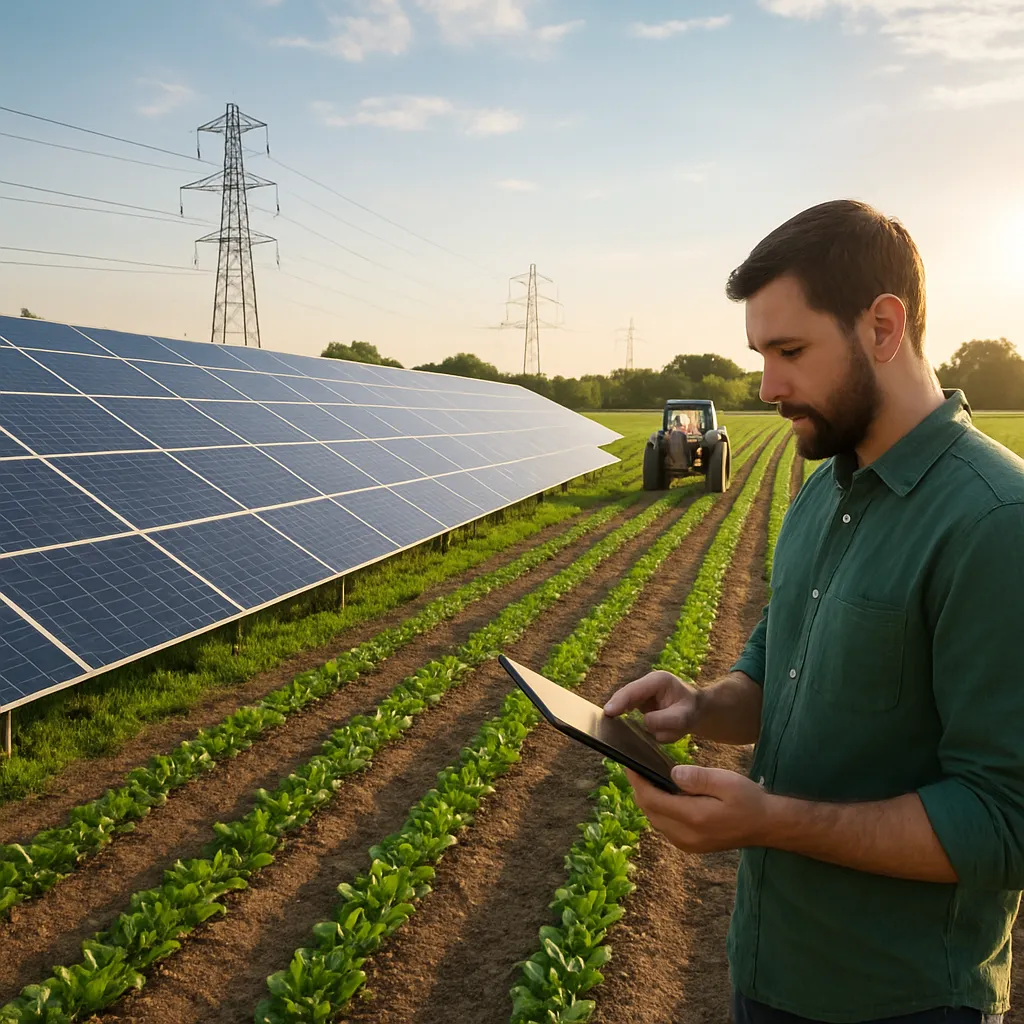




With the rapid evolution of agriculture driven by technological breakthroughs, **innovation** has become the driving force behind an unprecedented shift in how farmers connect with consumers around the globe. Smart supply chains are dismantling traditional barriers, enabling smallholders and large-scale producers alike to tap into international markets with greater speed, precision, and fairness. This article explores the key elements of this agricultural revolution, examining the impact of digital tools, the strategies to overcome logistical obstacles, and the role of sustainable practices in fostering economic and social growth.
Role of Technology in Smart Supply Chains
Advanced technologies are rewriting the rules of agricultural logistics. Through **digitalization**, stakeholders gain real-time insights into crop quality, weather patterns, and consumer demand. Farmers leverage mobile apps to monitor soil health, while agribusinesses deploy drones and satellite imagery to track field conditions. The result is a new level of **efficiency** and **traceability** from seed to shelf.
Precision Monitoring and Data Analytics
- IoT sensors measure soil moisture and nutrient levels, enabling timely irrigation and fertilization.
- Machine learning algorithms analyze yield forecasts, reducing waste and optimizing harvest schedules.
- Blockchain platforms provide immutable records for each product’s journey, ensuring **transparency** and trust among buyers.
Digital Marketplaces and Connectivity
- Connectivity platforms link producers directly with international buyers, minimizing middlemen and securing fair prices.
- Mobile wallets and digital payment systems streamline cross-border transactions, mitigating currency fluctuations and reducing transaction costs.
- Online bidding and auction systems empower farmers to showcase premium products, from organic coffee beans to heirloom grains, on a global stage.
Overcoming Barriers to Market Access
Despite technological advancements, smallholder farmers often face logistical, regulatory, and financial obstacles. Innovative partnerships and supportive policies are essential to bridge these gaps, ensuring equitable participation in global supply networks.
Collaborative Logistics Solutions
- Cooperative cold-chain hubs in rural regions preserve perishable goods, extending shelf life and minimizing spoilage.
- Shared warehousing and consolidation centers lower transport costs by grouping smaller shipments into full-container loads.
- Smart routing software and GPS tracking optimize delivery schedules, cutting fuel consumption and reducing carbon footprints.
Regulatory Harmonization and Certification
- International standards for food safety and quality, such as HACCP and GlobalG.A.P., are increasingly recognized across borders, simplifying export procedures.
- Digital certificates of origin and phytosanitary documents, issued via blockchain or secure APIs, accelerate customs clearance.
- Capacity-building programs train farmers on compliance requirements, empowering them to meet stringent buyer specifications without intermediaries.
Sustainable Practices and Economic Empowerment
Embedding **sustainability** into supply chains not only safeguards ecosystems but also enhances resilience against climate shocks. By prioritizing eco-friendly methods and fair-trade principles, communities thrive and entire regions witness social uplift.
Regenerative Agriculture and Carbon Management
- Cover cropping, crop rotation, and agroforestry sequester carbon, boosting soil health while generating carbon credits for farmers.
- Precision fertilization reduces nitrogen runoff, protecting waterways and lowering greenhouse gas emissions.
- Automated monitoring of carbon sequestration ensures transparent reporting for international carbon markets and impact investors.
Fair-Trade Models and Social Inclusion
- Direct contracting with cooperatives ensures smallholders receive premium rates, promoting community **empowerment** and gender equity.
- Profit-sharing schemes and microcredit facilities enable reinvestment in local infrastructure, education, and healthcare.
- Training initiatives on financial literacy and digital tools equip farmers to manage revenues and plan for business growth.
Future Trends and Global Impact
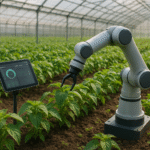
The integration of artificial intelligence, advanced robotics, and genetic innovations will further transform supply chains. Autonomous harvesters, biosensors, and gene-edited seed varieties promise enhanced yields and resource efficiency. However, distributed ledger technologies will remain vital for ensuring **resilience** and **transparency**, preventing fraud, and verifying sustainability claims.
- AI-driven forecasting models will anticipate demand spikes and potential supply shortages, stabilizing prices for both farmers and consumers.
- Robot-assisted packing lines will improve throughput while reducing post-harvest losses.
- Gene-editing platforms will yield climate-resilient crops, tailored to specific microclimates and nutritional needs.
As global populations surge and environmental pressures mount, smart supply chains offer a blueprint for agricultural **transformation**. By harnessing technology, forging robust partnerships, and embedding ethical practices, farmers—whether managing large estates or family plots—will continue to gain unprecedented access to markets worldwide. The result is a more efficient, **sustainable**, and inclusive food system that benefits all stakeholders.