

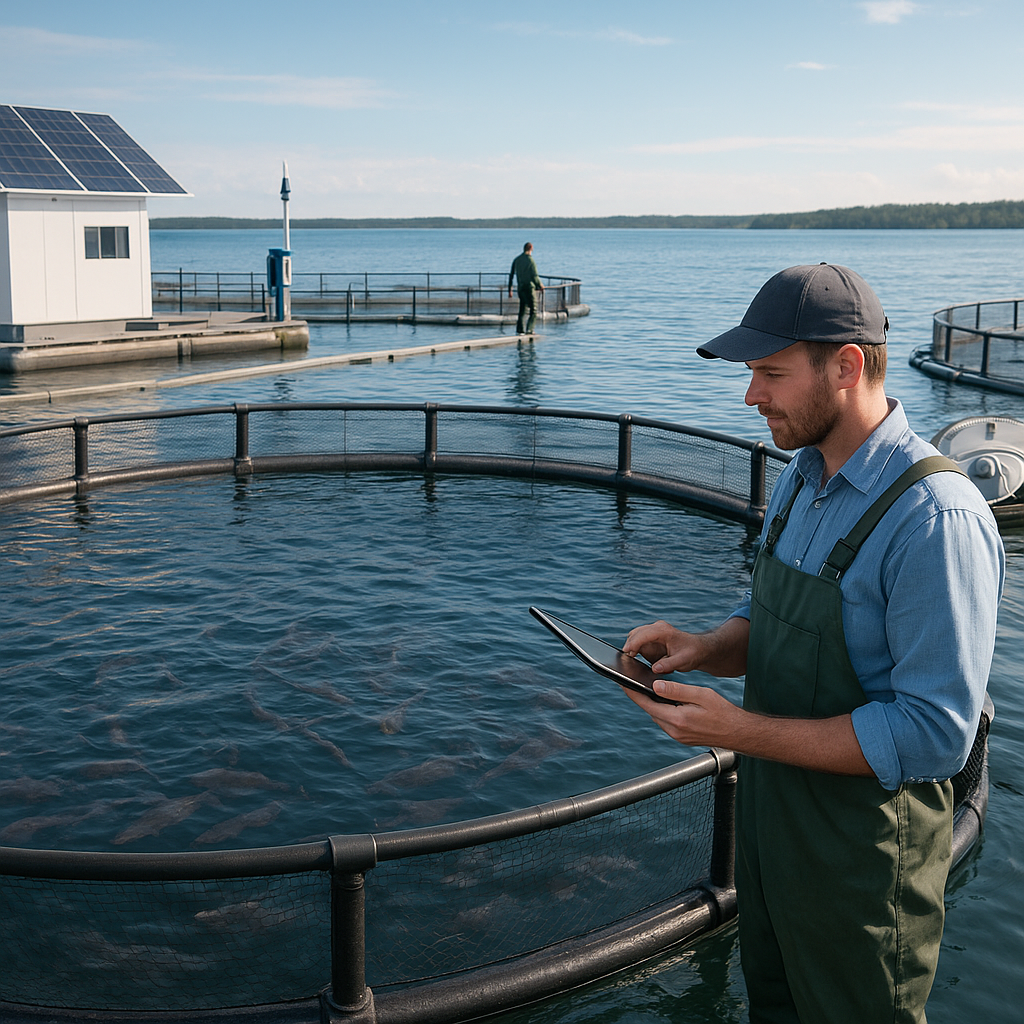
In the realm of impressive agriculture, sustainable aquaculture stands out as a beacon of innovation, marrying advanced technology with ecological stewardship. Fish farming has evolved far beyond traditional ponds and enclosures, embracing a myriad of solutions designed to optimize productivity while minimizing environmental footprints. This article delves into the transformative tech strategies reshaping the industry, exploring their benefits, challenges, and the path toward a more resilient food system.
Innovation in Aquaculture Technologies
Modern fish farms are no longer dependent on passive methods. Through automation and precision tools, producers can monitor and manage each aspect of the aquatic environment. Key innovations include:
- Recirculating Aquaculture Systems (RAS) – These closed-loop setups continuously filter and reuse water, reducing demand on natural resources and controlling water quality with unparalleled precision.
- IoT Sensors – Connected devices track parameters such as temperature, dissolved oxygen, and pH in real time, sending alerts when conditions deviate from optimal ranges.
- AI-Powered Feed Management – Machine learning algorithms analyze fish behavior to dispense the right amount of feed at the ideal times, reducing waste and improving growth rates.
- Automated Harvesting and Grading – Robotics and vision systems can sort fish by size and health status, speeding up processes while ensuring consistent product quality.
These approaches not only boost efficiency but also promote biosecurity. By reducing human intervention, farms can limit the transmission of pathogens and maintain more stable ecosystems.
Enhancing Environmental Stewardship
One of the most compelling aspects of sustainable aquaculture is its focus on minimizing ecological impact. Through advanced strategies, farms can align production with conservation goals:
Waste Management and Nutrient Recycling
- Biofilters transform ammonia and nitrites, common fish-excretion byproducts, into harmless nitrates, preserving water clarity and reducing toxicity.
- Integrated Multi-Trophic Aquaculture (IMTA) leverages the natural synergy of species: filter feeders and seaweeds absorb fish waste, while detritivores break down organic matter, creating a balanced ecosystem.
Energy Efficiency and Carbon Reduction
- Solar panels and wind turbines can power pumps and oxygenators, cutting reliance on fossil fuels and driving down greenhouse gas emissions.
- Heat exchangers reclaim thermal energy, maintaining stable water temperatures with minimal electricity consumption.
By embracing these measures, fish farms can achieve a remarkable footprint reduction, demonstrating that aquaculture and environmental protection are not mutually exclusive.
Ensuring Economic Viability and Market Growth
Adopting cutting-edge solutions involves upfront investment, but the long-term returns can be significant:
Cost Savings Through Precision Management
- Real-time monitoring allows early detection of disease and stress, preventing mass losses and lowering veterinary costs.
- Automated feeding systems cut waste and feed costs, which typically account for up to 70% of operational budgets.
Quality Assurance and Traceability
- Blockchain technology tracks each batch from hatchery to consumer, guaranteeing transparency and building trust in markets that demand ethical sourcing.
- Genomic selection and selective breeding programs enhance stock resilience and growth potential, supporting consistent yields under varied conditions.
With rising global demand for protein, fish farming presents a scalable solution to food security challenges. By integrating innovative practices, producers can tap into premium markets that value safety and sustainability.
Challenges and Future Directions
Despite remarkable progress, obstacles remain on the path to widespread adoption of advanced aquaculture technologies:
- High initial capital requirements can deter small-scale farmers from implementing RAS or robotics.
- Skill gaps exist in many regions, necessitating training programs and knowledge transfer to ensure proper operation and maintenance of complex systems.
- Regulatory frameworks must evolve to accommodate novel approaches, balancing environmental protection with industry growth.
Looking ahead, collaboration between research institutions, tech developers, and policymakers will be crucial. Emerging trends include:
- CRISPR-based genetic editing to bolster disease resistance without compromising ecological integrity.
- Advanced data analytics platforms that predict supply and demand fluctuations, optimizing production schedules.
- Modular, transportable farming units that enable aquaculture in landlocked or resource-constrained areas.
These next-generation solutions hold the promise of democratizing access to sustainable fish farming, empowering communities worldwide to produce high-quality protein with minimal environmental impact.