The journey from seed to plate is undergoing a profound transformation, driven by demands for heightened transparency and end-to-end traceability. Consumers no longer accept ambiguous labels; they seek detailed narratives that connect them to the fields, farmers, and methods behind every bite. This heightened scrutiny fosters consumer trust and encourages producers to embrace cutting-edge strategies to document and share each step of the process.
Ensuring Authenticity and Safety with Farm-to-Table Traceability
At the core of any robust farm-to-table network lies the imperative to authenticate origin, harvest methods, and handling procedures. By documenting critical data points—such as soil tests, pesticide applications, and cold-chain management—producers can verify claims of organic or regenerative practices. Retailers and restaurants, in turn, can showcase these records to patrons, substantiating quality and safety.
Key components of a successful traceability framework include:
- Supply chain mapping: Charting every intermediate step from farm gate to dining table.
- Standardized record keeping: Employing uniform templates for field logs, processing receipts, and distribution manifests.
- Third-party certification: Partnering with accredited auditors to validate compliance with food safety and eco-friendly protocols.
- Digital labeling: Embedding QR codes on packaging to reveal farm profiles, harvest dates, and handling histories.
These practices not only reinforce food safety but also bolster brand reputation. When restaurants advertise a direct connection with a local grower, they tap into the powerful allure of genuine provenance.
Leveraging Blockchain and Digital Platforms
Emerging technologies are reshaping how agricultural data is recorded and shared. Among these, blockchain stands out for its ability to create immutable, transparent ledgers. By registering each transaction—whether a seed purchase or a wholesale shipment—on a distributed network, stakeholders can access a tamper-resistant history that strengthens accountability.
Integrating IoT and Sensor Networks
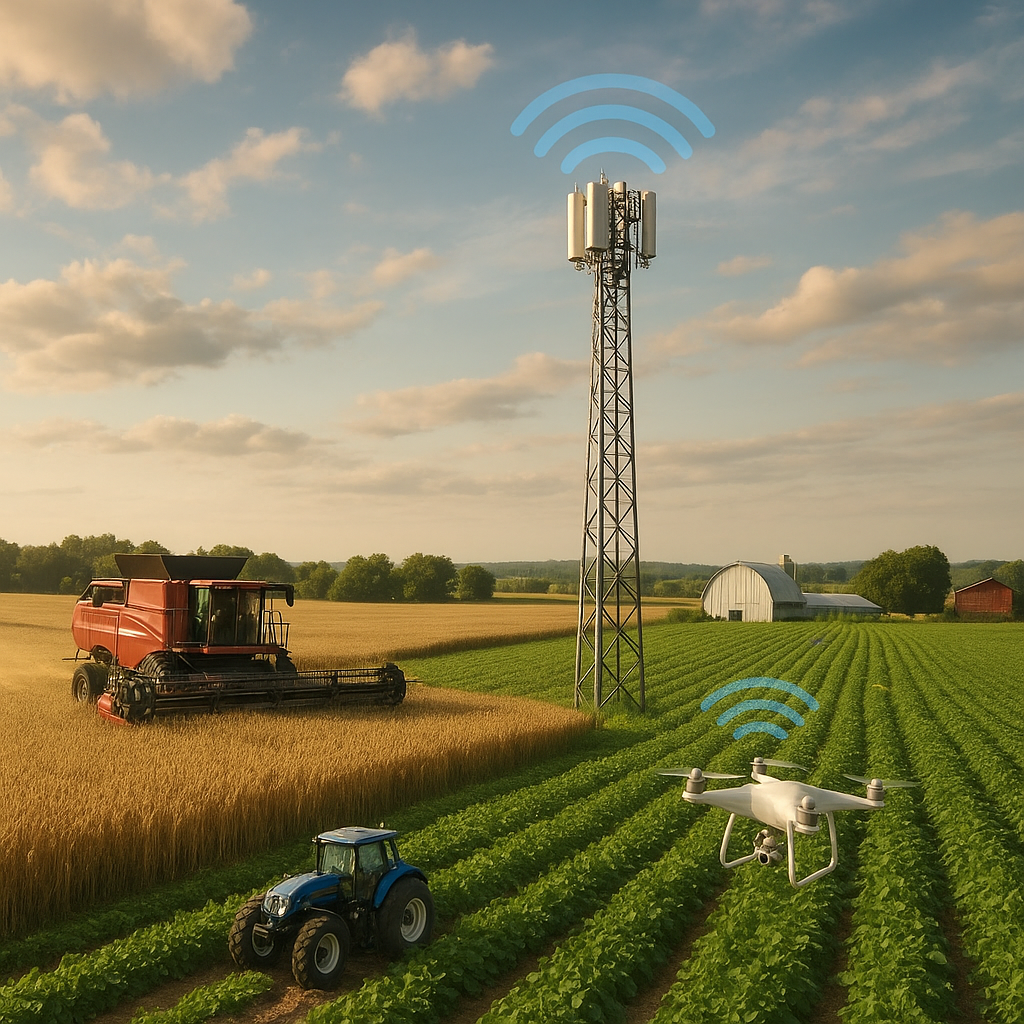
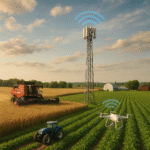
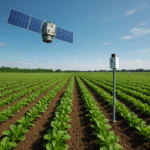
Internet of Things (IoT) devices and remote sensors provide continuous monitoring of environmental parameters such as soil moisture, temperature, and nutrient levels. When linked to a centralized database, these inputs fuel data-driven decision-making, enabling farmers to optimize irrigation, predict pest outbreaks, and reduce input waste.
Cloud-Based Record Management
Cloud platforms offer scalable storage solutions for the voluminous data generated at each production phase. By consolidating records on secure servers, producers can grant selective access to auditors, regulators, and business partners, all while maintaining control over proprietary information.
Benefits of these digital innovations include:
- Real-time visibility into field conditions.
- Automated alerts for deviations from quality thresholds.
- Streamlined compliance reporting.
- Enhanced innovation through predictive analytics and machine learning.
Challenges and Opportunities in Implementation
Despite the promise of advanced traceability systems, various hurdles must be overcome. Small-scale farmers often lack the capital and technical expertise to deploy IoT sensors or subscribe to sophisticated software. Additionally, data interoperability remains a concern—disparate platforms may store records in incompatible formats, hindering comprehensive analysis.
Bridging the Digital Divide
Collaborative initiatives between tech providers, cooperatives, and government agencies can democratize access to digital tools. Subsidized training programs and shared equipment pools help smaller operations participate without bearing the full burden of upfront investment.
Standardization and Interoperability
Industry-wide guidelines for data schemas and communication protocols pave the way for seamless information exchange. By adhering to open standards, stakeholders reduce friction when integrating new technologies, ensuring that farm data can flow unimpeded across platforms.
Moreover, collective action on sustainability metrics—such as carbon footprints, water usage, and biodiversity impact—reinforces the value proposition of traceability. When buyers can quantify ecological performance, they reward responsible producers with premium contracts and long-term partnerships.
Case Studies in Advanced Traceability
Organic Vegetable Supply Chain
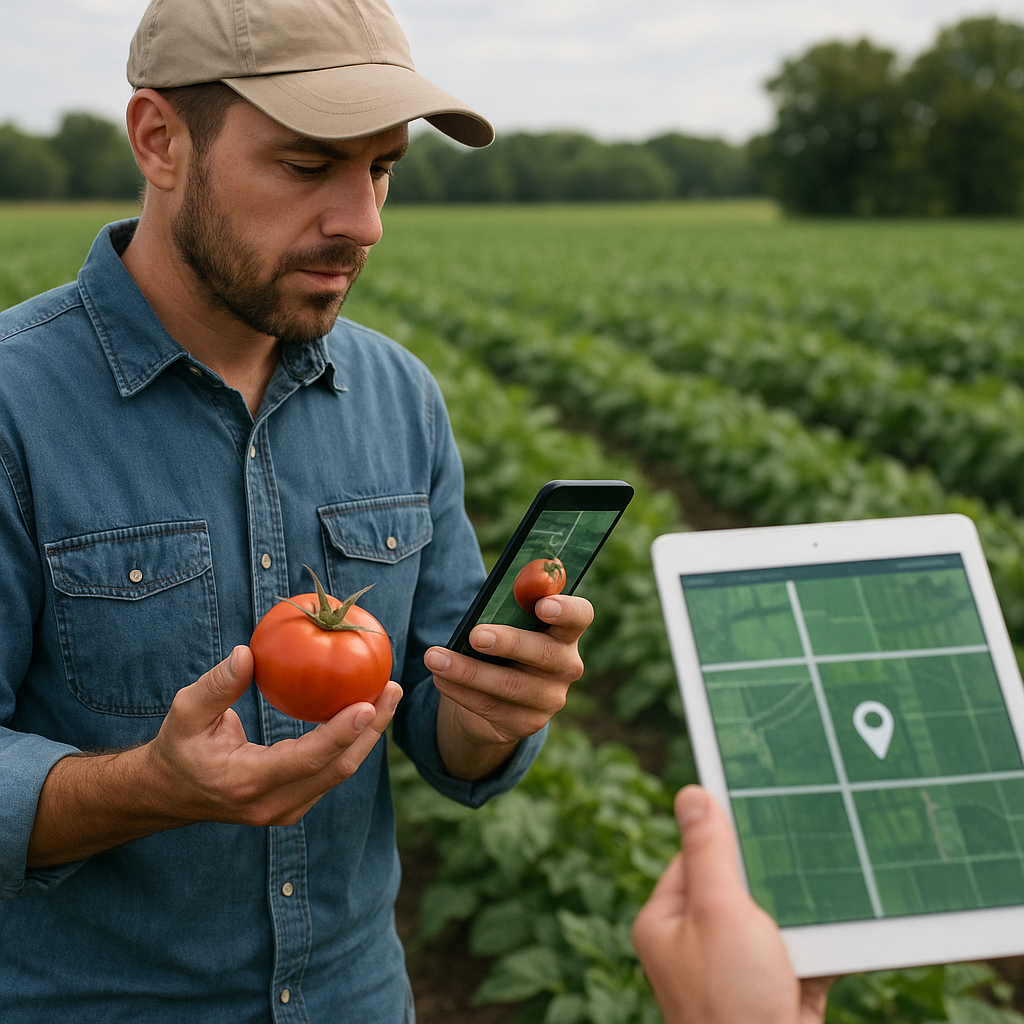
A cooperative of smallholder farms in California adopted a blockchain-based system to track heirloom tomato harvests. Each crate received a unique digital ID, linked to GPS coordinates and harvest logs. Retailers scanned QR codes at delivery, instantly validating temperature records and confirming the absence of synthetic pesticides. The result: a 25% increase in wholesale prices and heightened customer loyalty.
Dairy Products and Cold-Chain Monitoring
A Northeast dairy processor installed IoT-enabled refrigeration monitors throughout its transport fleet. Data feeds into a cloud dashboard that flags any temperature excursions in real time. Coupled with blockchain entries for batch numbers and lab test results, the company now offers retailers a comprehensive view of milk quality, from milking parlor to supermarket shelf.
Future Prospects: A Path Toward Sustainability and Efficiency
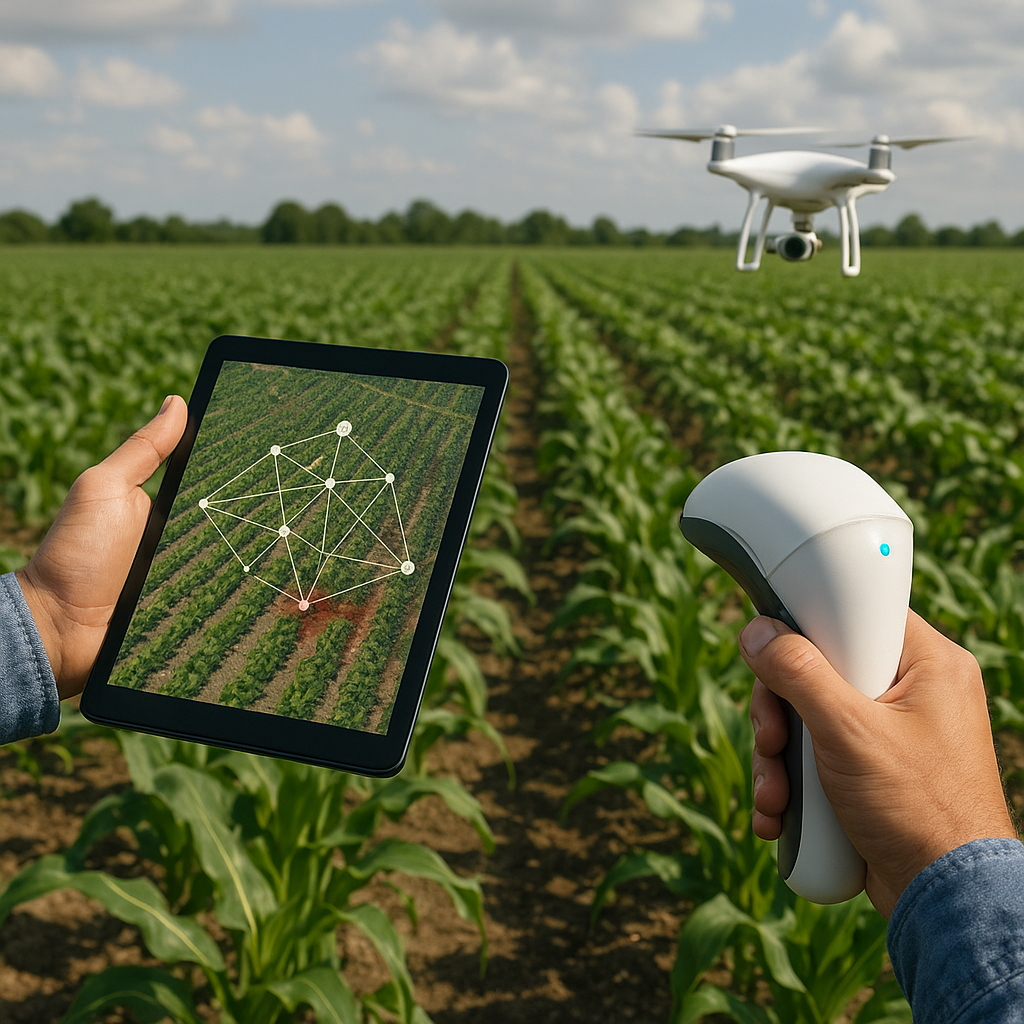
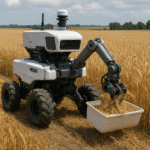
Looking ahead, the convergence of automation, artificial intelligence, and remote sensing promises to elevate traceability to unprecedented levels. Autonomous drones equipped with multispectral cameras will survey fields, detecting nutrient deficiencies and disease outbreaks before they spread. Robots may autonomously harvest produce, simultaneously capturing yield data and handling metrics.
Advancements to watch include:
- AI-driven anomaly detection in precision agriculture operations.
- Edge computing devices that process sensor data on-site, reducing latency.
- Biometric tagging of livestock to ensure pedigree verification.
- Integration of satellite imagery for holistic farm management.
These innovations will reinforce sustainability goals by minimizing resource consumption and waste. As producers harness real-time insights, they can pivot strategies rapidly, safeguarding yields against climate volatility and market shifts.
Ultimately, the evolution of farm-to-table traceability will be defined not just by technological breakthroughs but by collaborative ecosystems that unite farmers, technologists, regulators, and consumers. Together, they will craft a resilient food network where every stakeholder shares in the value of clear, accountable, and ethical produce sourcing.