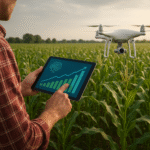
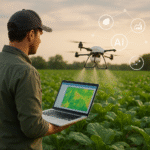
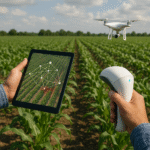
The relentless evolution of mobile networks has unlocked a new frontier for agriculture, where traditional practices merge with groundbreaking technologies. As rural landscapes become canvases for innovation, the integration of 5G networks is poised to redefine farming paradigms, elevating productivity, resilience, and environmental stewardship. Through seamless data exchange and near-instantaneous communication, farmers can harness real-time insights to orchestrate every aspect of crop and livestock management with unparalleled accuracy.
Transforming Agricultural Landscapes with 5G
The rise of 5G heralds a radical shift in how farms operate. By delivering ultra-reliable, high-speed wireless communication, this next-generation network empowers growers to deploy a vast array of connected devices across sprawling fields. Gone are the days of isolated sensors and spotty coverage; 5G’s pervasive reach ensures that even the most remote plots remain linked to central control hubs.
- Connectivity—With millions of devices accommodated per square kilometer, farmers can scale up their sensor networks without bandwidth constraints.
- Latency—Sub-10 millisecond response times enable instantaneous actuation, from irrigation valves to autonomous tractors.
- Bandwidth—High data throughput supports real-time video feeds, drone imagery, and edge computing applications directly in the field.
By blending these technical advantages, 5G propels farms toward a new era of digitalization, where every decision is backed by live data streams and predictive algorithms. Smart irrigation systems adjust flows based on soil moisture readings, while robotic harvesters navigate fields using 3D maps updated in real time.
Enabling Core Smart Farming Technologies
At the heart of the digital agriculture revolution lie a host of interconnected solutions that thrive under the capabilities of 5G. From the air to the soil, these innovations work in concert to optimize resource utilization and maximize yields.
Autonomous Machinery and Robotics
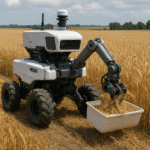
- Self-driving tractors and planters guided by GPS and LiDAR systems, responding dynamically to unexpected obstacles.
- Harvest robots that pick delicate fruits and vegetables with machine-vision accuracy, reducing labor costs and minimizing crop damage.
UAVs and Aerial Imaging
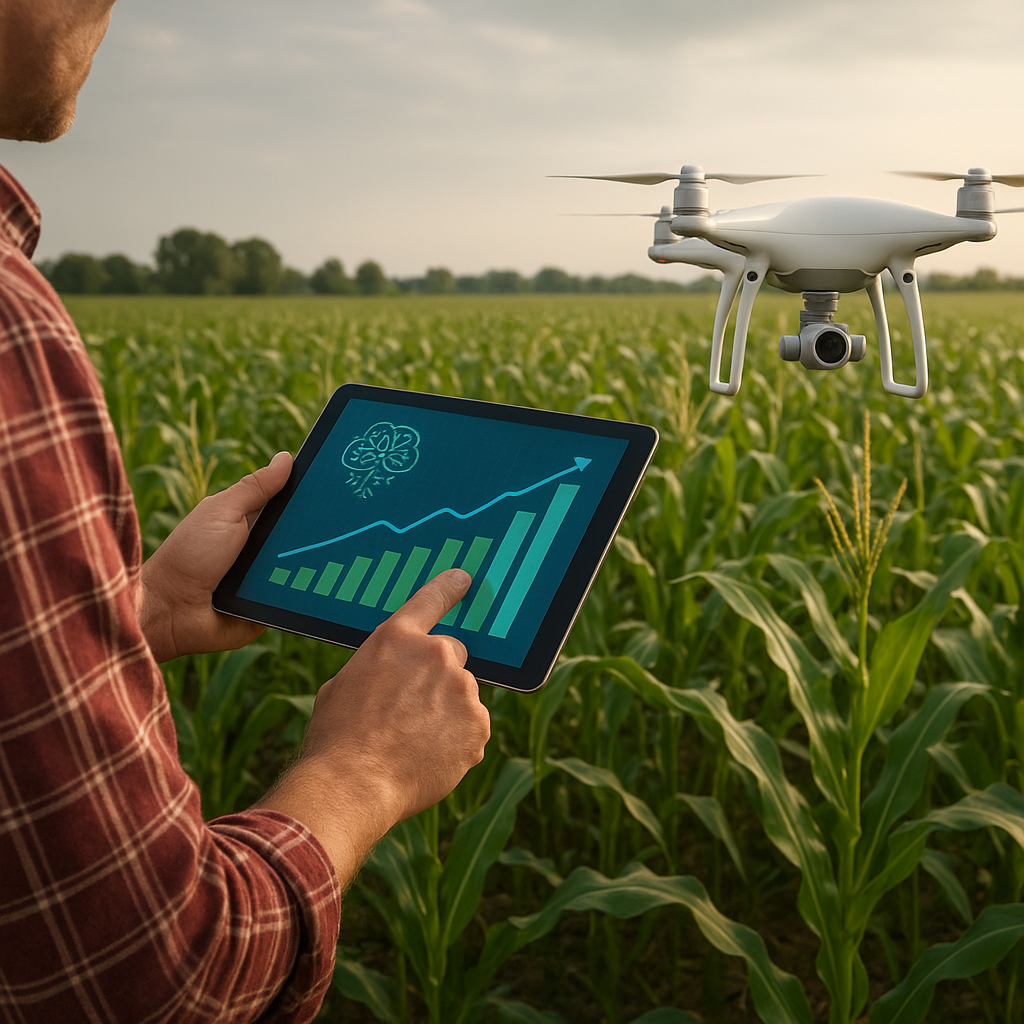
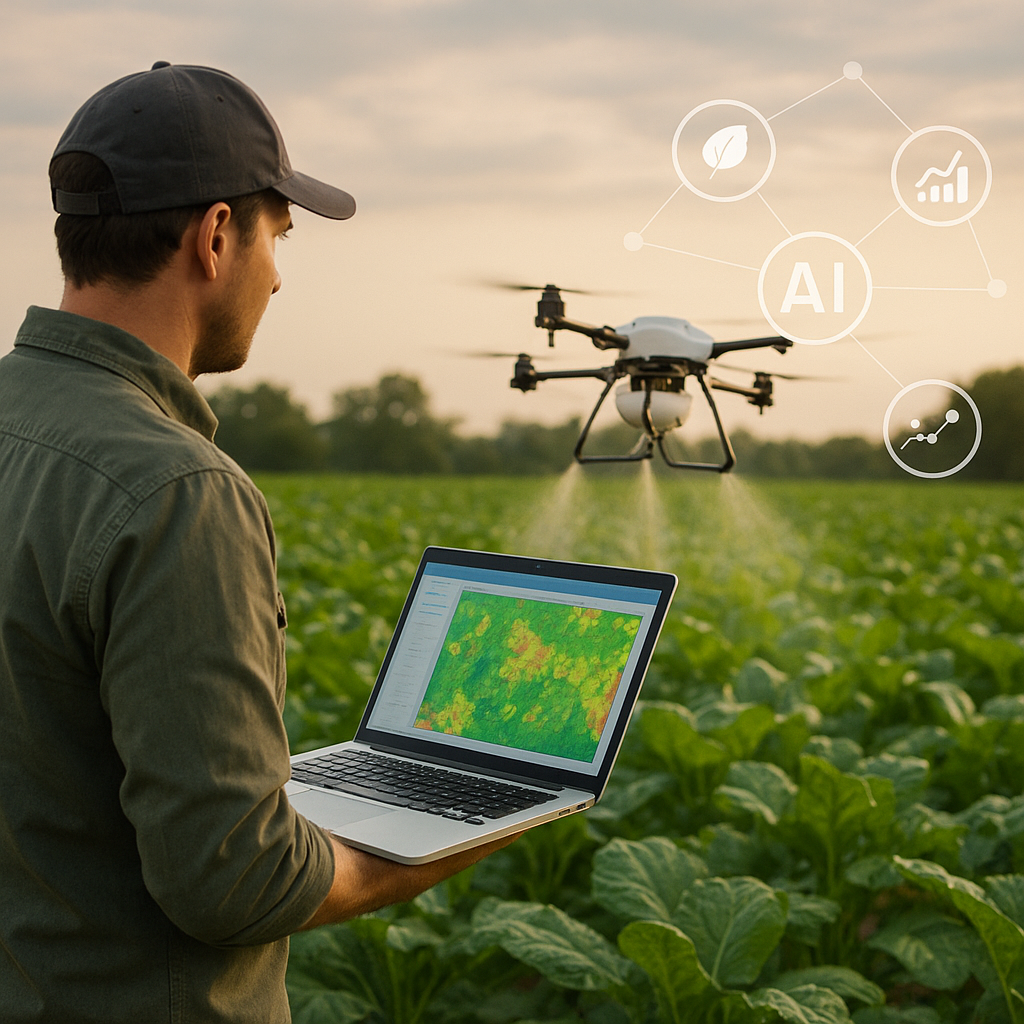
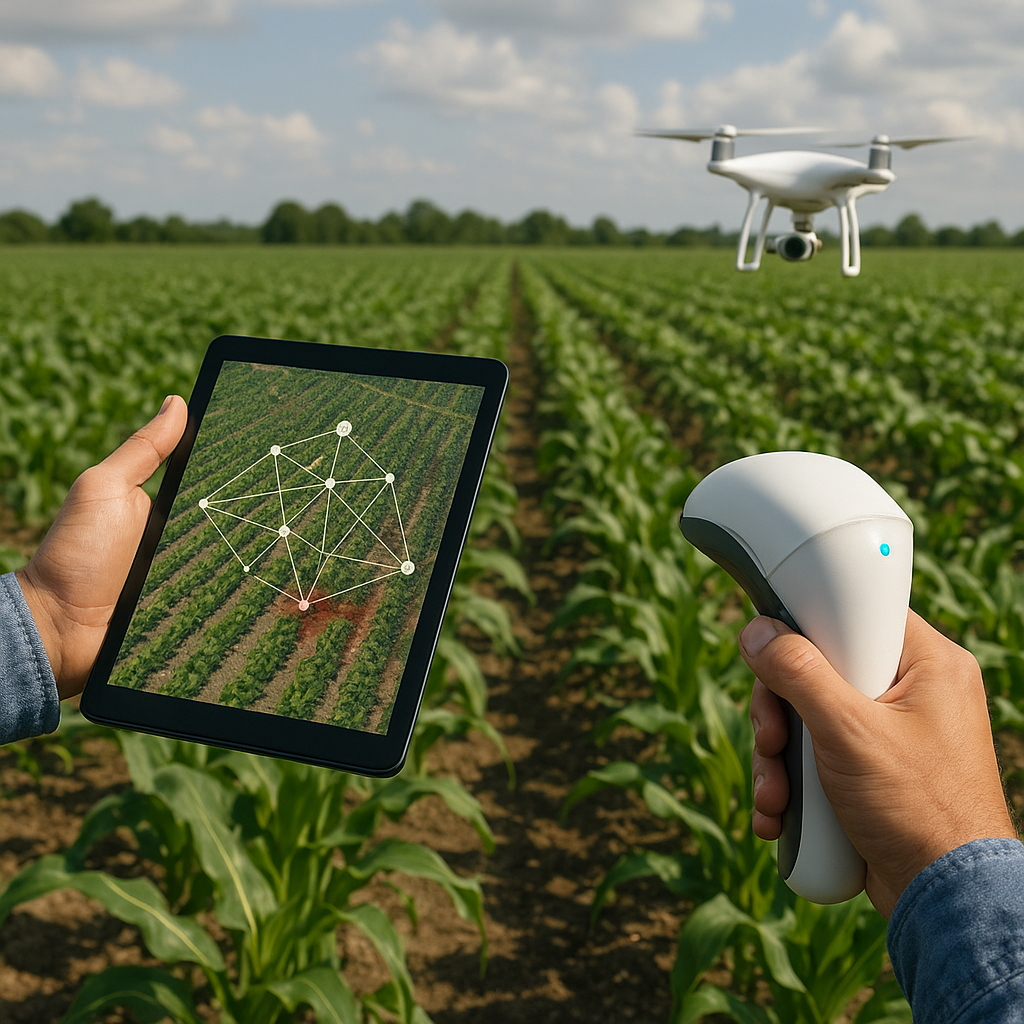
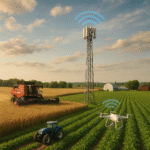
- Drones equipped with multispectral cameras capture high-resolution crop health maps, highlighting areas suffering from pests or nutrient deficiencies.
- 5G-enabled live video uplinks allow agronomists to conduct remote inspections and apply targeted treatments on the fly.
Internet of Things (IoT) Sensor Networks
- Wireless soil probes monitoring pH, temperature, and moisture levels around the clock.
- Weather stations collecting hyper-local meteorological data to inform planting schedules and frost protection measures.
- Livestock trackers ensuring animal welfare through real-time location and health metrics.
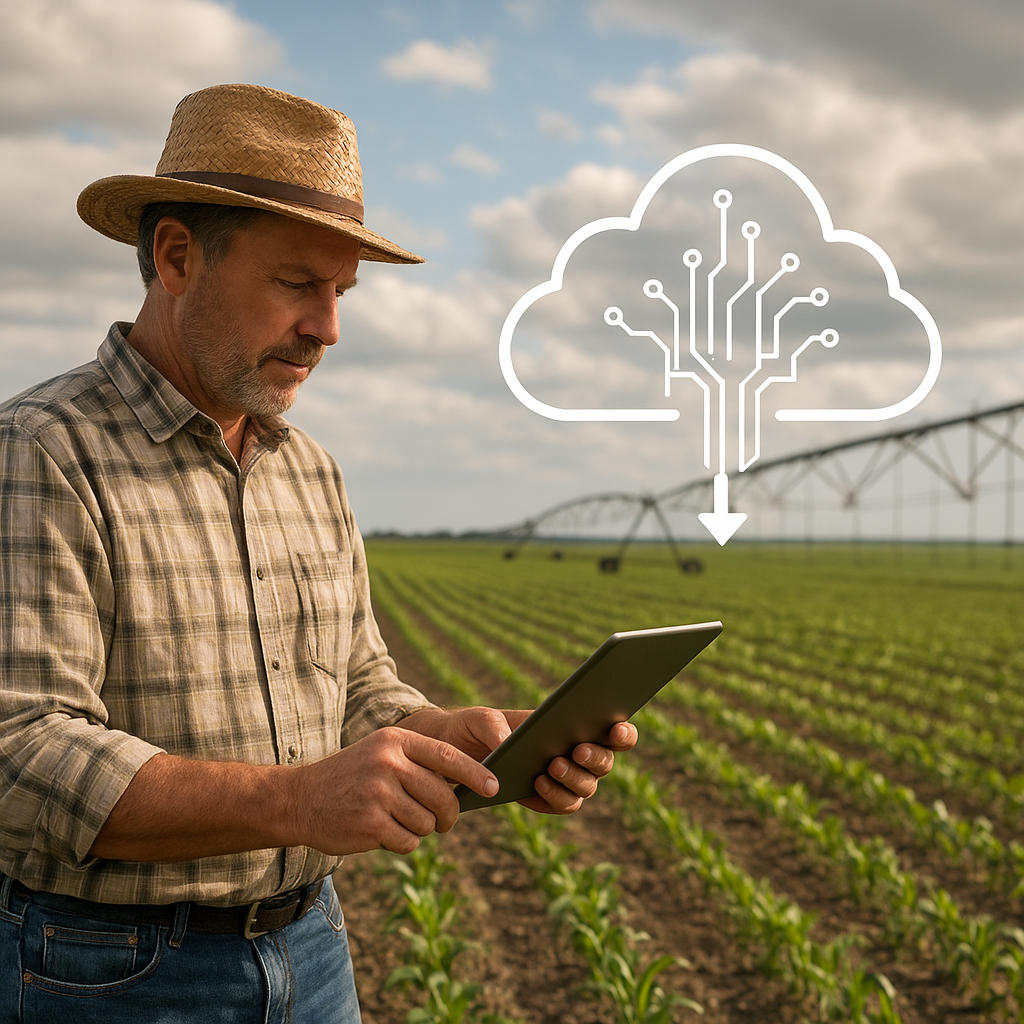
By integrating these components into a cohesive platform, farms achieve granular control over every process. Data collected at the edge can be processed via on-site servers or transmitted to cloud environments for advanced analytics, generating actionable recommendations that optimize inputs and boost profitability.
Benefits and Challenges of 5G Adoption
While the promise of 5G in agriculture is vast, its implementation is not without hurdles. Understanding both the advantages and potential roadblocks is critical to ensuring a successful transition.
Key Benefits
- Efficiency gains through automated workflows and precision interventions that conserve water, fertilizers, and energy.
- Enhanced crop yields driven by data-driven nutrient management and timed applications of agrochemicals.
- Sustainability improvements from lower carbon footprints, as autonomous vehicles optimize fuel use and targeted treatments reduce chemical runoff.
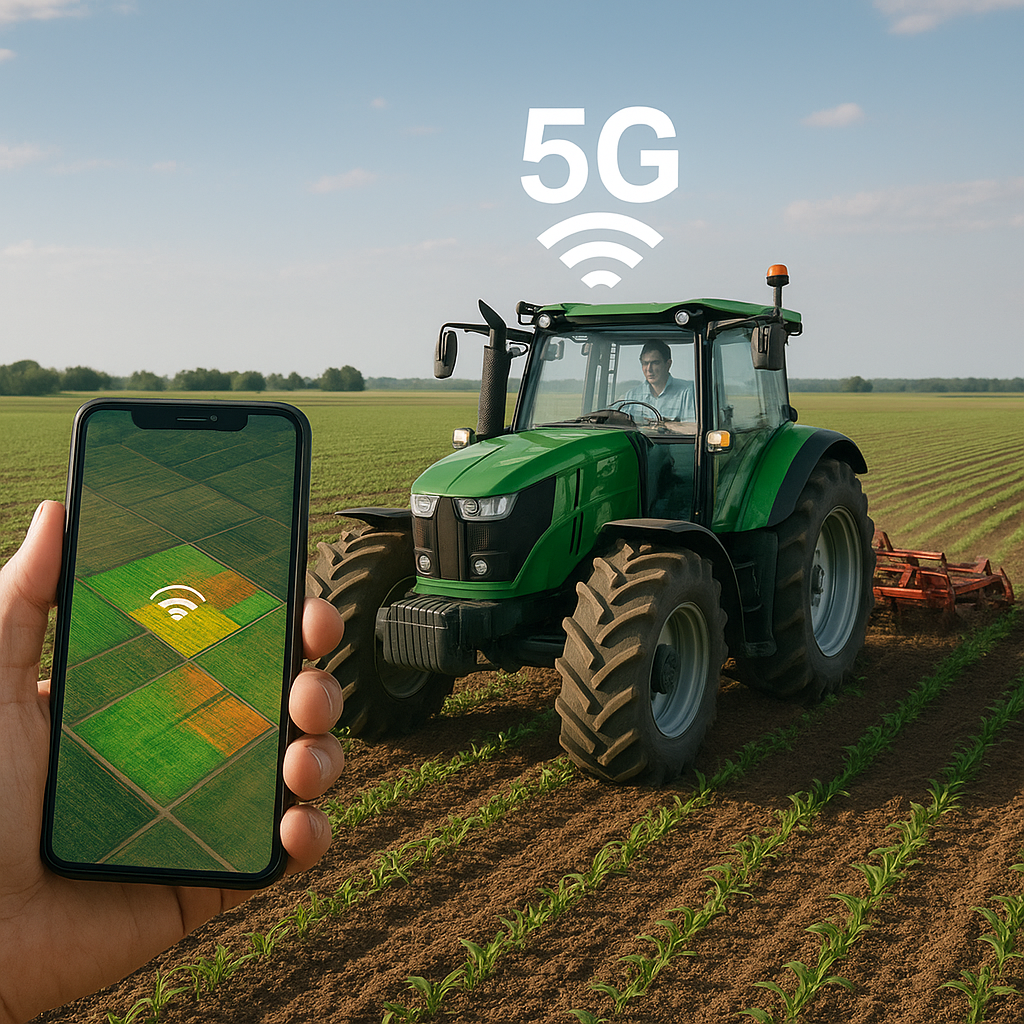
- Improved labor management, with fewer manual tasks and the ability to monitor operations remotely via mobile devices.
Primary Challenges
- Infrastructure investments required to deploy 5G towers and edge computing nodes in rural zones.
- Ensuring interoperability between legacy equipment and next-generation communication modules.
- Data security and privacy concerns as farms become interconnected ecosystems vulnerable to cyber threats.
- Skill gaps among agricultural workers needing training in digital tools and remote management platforms.
Overcoming these challenges demands collaboration between telecom providers, agritech startups, equipment manufacturers, and governmental bodies. Strategic partnerships can subsidize infrastructure rollout, while standardization efforts ensure seamless interoperability across devices from different vendors.
Case Studies: 5G in Action on the Farm
Real-world deployments demonstrate how pilot projects are already harnessing 5G to deliver measurable results.
Smart Vineyard Surveillance
- In a Mediterranean wine region, growers installed 5G-linked cameras that detect early signs of fungal disease, triggering drone-based fungicide sprays only where required.
- The system recorded a 30% reduction in chemical usage and improved grape quality by maintaining optimal microclimates.
Automated Dairy Monitoring
- A commercial dairy farm leverages wearable sensors on cattle to monitor rumination, body temperature, and activity levels.
- Alerts for abnormal behaviors enable veterinarians to intervene before health issues escalate, reducing mortality rates and boosting milk yield.
Greenhouse Climate Control
- An advanced greenhouse complex uses 5G to link humidity, CO₂, and light sensors with climate control systems.
- AI-driven models process real-time data to adjust heating, ventilation, and shading, creating ideal growth conditions all year round.
Looking Ahead: The Future of Impressive Agriculture
As 5G networks proliferate and mature, the synergy between wireless connectivity and agricultural innovation will deepen. We can anticipate:
- A surge in on-farm automation, with fleets of collaborative robots handling seeding, weeding, and harvesting autonomously.
- Development of digital twins for farms—virtual replicas updated in real time to simulate scenarios and optimize resource allocation.
- Enhanced supply chain traceability, leveraging distributed ledgers and blockchain to guarantee provenance and food safety.
- Integration of renewable energy microgrids to power edge computing sites and charging stations for electric farming vehicles.
Through ongoing innovation, the fusion of 5G and smart farming solutions promises to feed a growing global population while preserving precious ecosystems. By embracing cutting-edge networks and data-driven management, agriculture will continue its transformation into an even more impressive and resilient industry.