





The agricultural landscape is undergoing a radical transformation driven by the imperative to balance high productivity with ecological responsibility. Among the many advances shaping this evolution, biofertilizers stand out as a powerful tool for enhancing soil fertility while preserving environmental integrity. By leveraging beneficial microorganisms, farmers can unlock a host of advantages, from improved nutrient uptake in plants to robust resistance against pathogens. As the global population surges and climate pressures intensify, embracing biofertilizers will play a pivotal role in fostering resilient, sustainable farming systems.
Harnessing Microbial Allies for Farming Resilience
At the heart of biofertilizer technology lie symbiotic and free-living microbes that foster nutrient availability in the rhizosphere. These living agents, including rhizobacteria, mycorrhizal fungi, and nitrogen-fixing bacteria, are expertly selected for their capacity to perform crucial tasks:
- Nitrogen fixation: Certain bacteria convert atmospheric nitrogen into plant-accessible forms, reducing reliance on synthetic fertilizers.
- Phosphorus solubilization: Microbes release organic acids that liberate phosphorus bound in soil minerals, ensuring steady nutrient supply.
- Production of growth hormones: Auxins, cytokinins, and gibberellins synthesized by microbes stimulate root development and enhance nutrient cycling.
- Biocontrol properties: Antagonistic bacteria and fungi suppress soil-borne pathogens, promoting plant health without chemical pesticides.
These interactions underpin a shift from conventional mono-dimensional fertilization toward a holistic biological approach. By fostering a dynamic microbial ecosystem, biofertilizers create a self-sustaining nutrient network. The result is improved soil health, greater water-holding capacity, and a reduction in nutrient leaching. Farmers report benefits such as increased crop vigor and reduced input costs, underscoring how integrating microbial allies can catalyze long-term productivity gains.
Key Mechanisms at Play
Understanding microbial processes enables targeted application strategies. For instance, inoculant formulations often contain carrier materials that protect microbes from desiccation, ensuring high survival rates upon seed coating or soil incorporation. Additionally, combining multiple strains can yield synergistic effects, as diverse functional groups collaborate to optimize nutrient cycles. Research continues to refine these consortia, tailoring them to specific crops and soil types for maximum efficiency.
Environmental and Economic Impacts
Widespread adoption of biofertilizers offers profound benefits for both the environment and farm economics. In ecological terms, reducing synthetic fertilizer use diminishes greenhouse gas emissions associated with production and application. Furthermore, lower nutrient runoff curtails eutrophication in aquatic ecosystems, protecting biodiversity and water quality. Biofertilizers also contribute to carbon sequestration by promoting plant growth and enhancing soil organic matter content.
From a financial perspective, biofertilizers can reduce fertilizer expenditure by up to 30–40 percent, translating into substantial savings for growers. When integrated into precision agriculture systems—where real-time soil and crop monitoring inform targeted application—these savings become even more impactful. Additionally, premium markets for organically grown produce can yield higher margins, incentivizing the shift away from conventional inputs.
- Reduced dependency on fossil fuel–derived fertilizers
- Enhanced crop quality and nutritional value
- Resilience against price volatility in global commodity markets
- Alignment with organic farming certifications and eco-labels
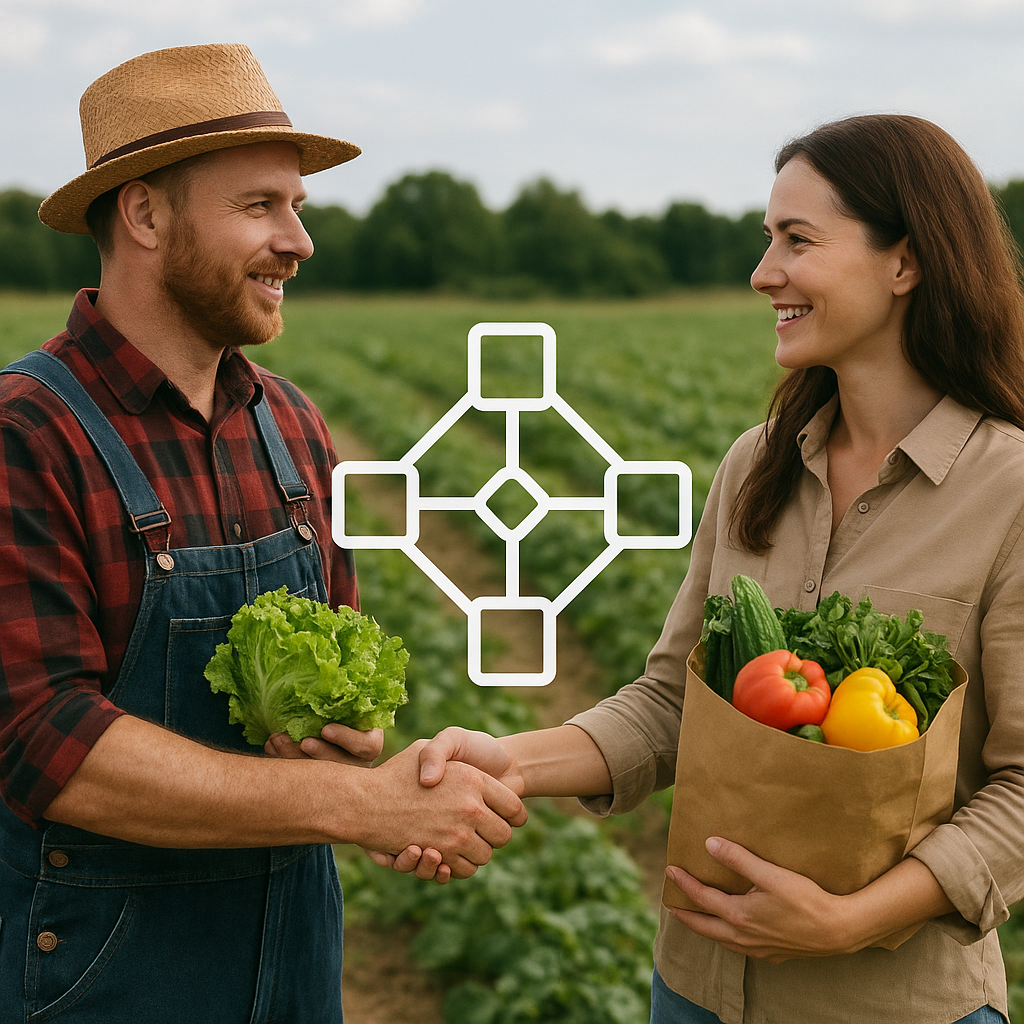
By mitigating environmental damage and boosting profitability, biofertilizers represent a win-win solution. Governments and agribusinesses are increasingly investing in research and development, offering subsidies and extension services to promote adoption. This collaborative approach accelerates innovation and ensures that smallholder farmers are not left behind.
Challenges and Future Perspectives
Despite the clear advantages, the path to large-scale biofertilizer adoption faces several hurdles. Quality control remains a critical concern: inconsistent microbial viability and variability in field performance can undermine farmer confidence. To address this, regulatory frameworks must establish rigorous standards for strain identification, shelf life, and application rates.
Another challenge is the integration of biofertilizers into existing farming practices. Many growers rely on well-established routines and may be hesitant to switch without robust evidence of consistent benefits. Knowledge transfer and training programs—often facilitated by agricultural extension services—are essential for demonstrating best practices in inoculant handling, timing, and compatibility with other inputs.
Innovations on the Horizon
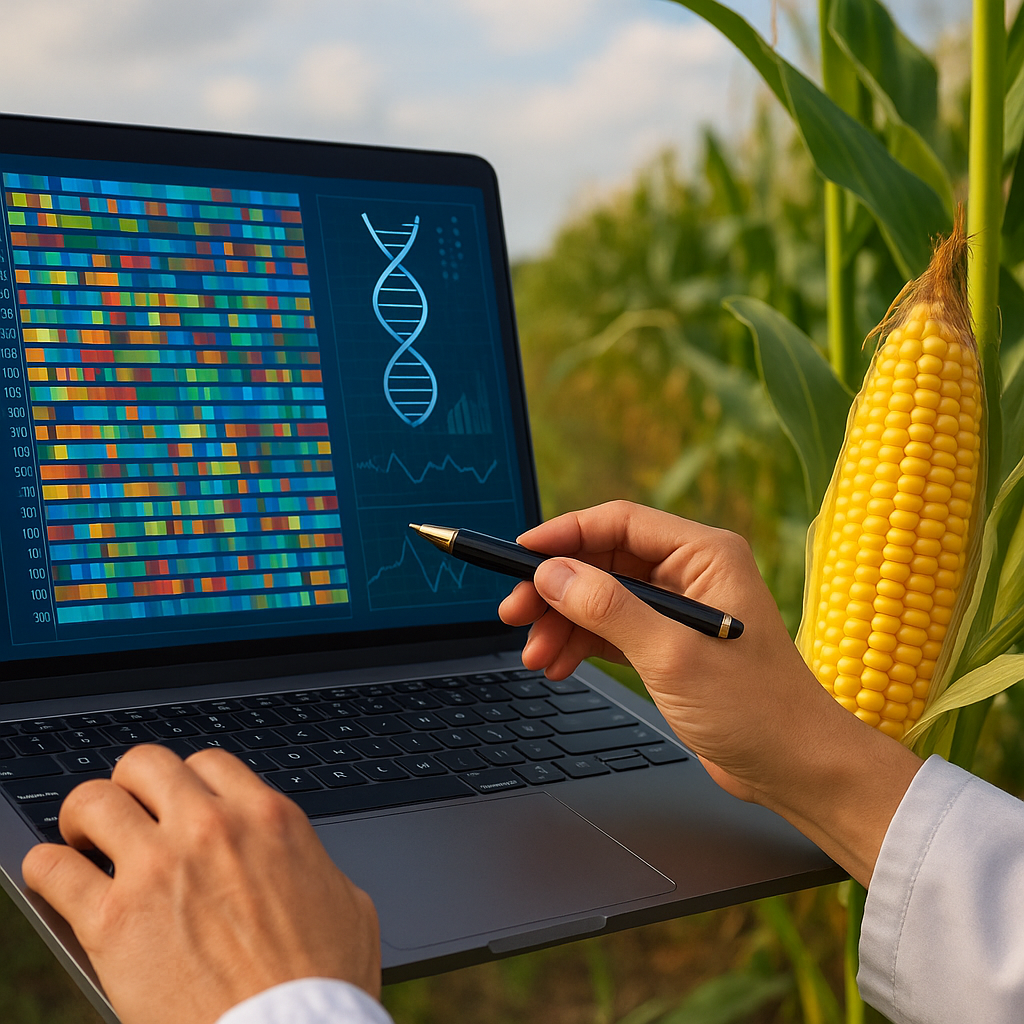
The future of biofertilizers brims with exciting possibilities. Synthetic biology and genome editing are unlocking new capacities for microbes to produce tailored metabolites, degrade pollutants, or fix nutrients more efficiently. Nanotechnology may enhance delivery mechanisms, protecting microbes from stress and enabling controlled release. Moreover, digital agriculture platforms can integrate biofertilizer data with soil sensors and weather forecasts, optimizing application schedules for peak effectiveness.
Collaboration across disciplines—microbiology, agronomy, data science, and environmental policy—will be crucial for realizing the full potential of biofertilizers. As private-sector start-ups, research institutions, and public agencies unite around common goals, the prospect of a truly impressive agricultural revolution becomes increasingly tangible. Empowered by microbial ingenuity, farmers worldwide can cultivate abundant harvests while safeguarding planet health for generations to come.