
The convergence of advanced analytics and modern farming has propelled agriculture into a new era of innovation. By harnessing vast amounts of data from diverse sources, stakeholders can make informed choices that drive productivity, reduce waste, and advance sustainability. This article explores the transformative influence of big data on agricultural decision-making, examining how it reshapes precision practices, optimizes resource use, and sets the stage for future breakthroughs.
Impact on Precision Farming
Precision farming relies on detailed insights to tailor interventions to specific field zones. In this context, precision agriculture becomes more than a buzzword—it evolves into a data-driven methodology that maximizes output and minimizes environmental footprint.
Data Collection and Integration
The foundation of precision farming lies in aggregating data from:
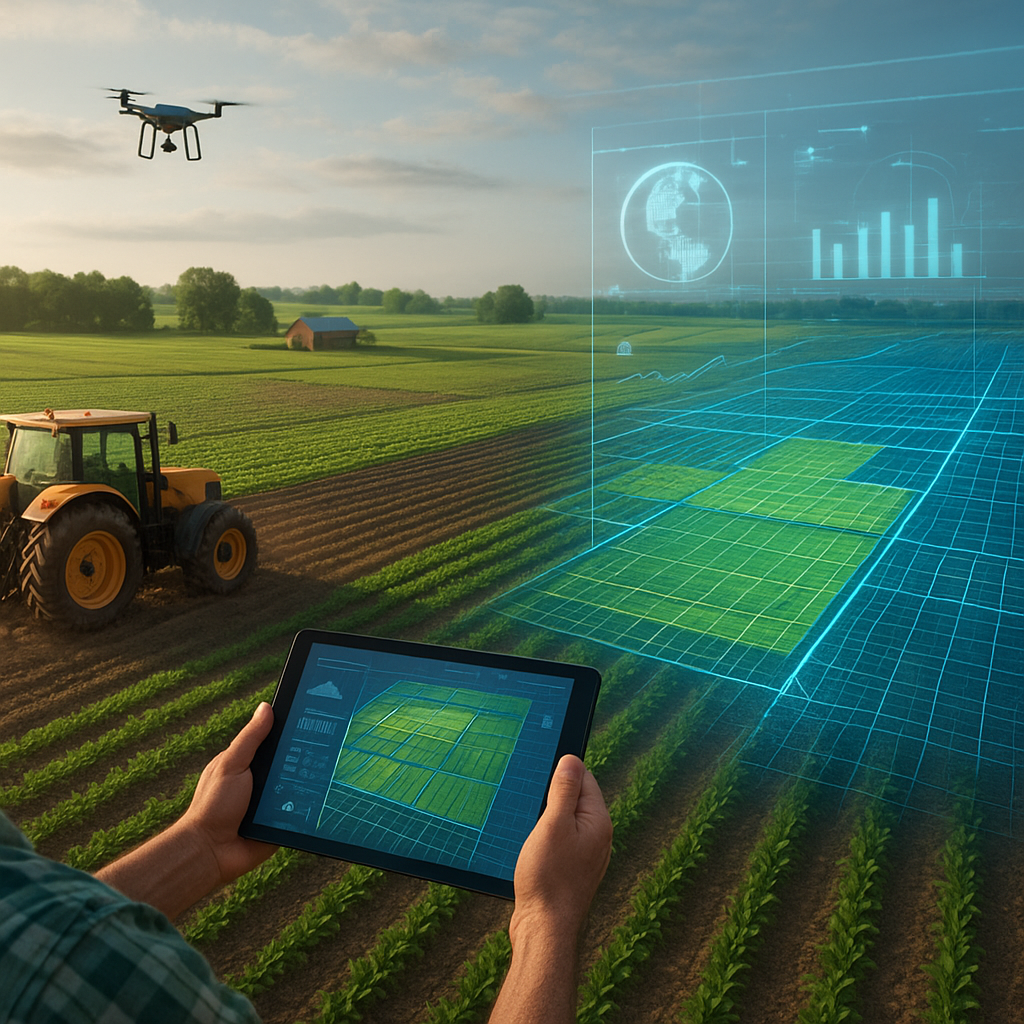
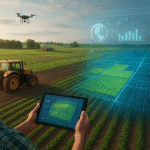
- Remote sensing via satellites and drones to assess crop health and soil conditions.
- IoT sensors embedded in soil and machinery for continuous monitoring of moisture levels, nutrient content, and equipment performance.
- Weather stations providing hyperlocal forecasts and real-time climate updates.
By integrating these streams, farmers develop a comprehensive view of field variability. This integration is often facilitated by cloud platforms and edge computing, enabling on-the-fly adjustments to irrigation, fertilization, and pest control.
Actionable Insights Through Analytics
Machine learning algorithms and spatial analytics translate raw measurements into actionable recommendations:
- Yield optimization models predict output potential based on current conditions and historical trends.
- Variable Rate Technology (VRT) prescriptions automate the application of seeds, fertilizers, and agrochemicals.
- Risk assessment tools identify pest or disease outbreaks before they spread, guiding targeted treatments.
These insights empower farm managers to allocate resources precisely where they are needed, reducing costs and environmental impact.
Enhancing Resource Efficiency Through Predictive Modeling
Resource scarcity and climate volatility place immense pressure on agricultural systems. Advanced predictive modeling offers a proactive approach, forecasting challenges and optimizing inputs.
Water Management and Irrigation
Water scarcity affects yield potential across many regions. Predictive models analyze historical climate data, soil moisture readings, and future weather projections to:
- Schedule irrigation events at optimal times, conserving water and maintaining plant health.
- Detect leaks and inefficiencies in distribution networks through anomaly detection.
- Estimate evapotranspiration rates, adjusting supply to avoid overwatering or stress.
Nutrient Management
Balancing soil fertility is essential for long-term productivity. Big data tools process soil sample results, crop nutrient uptake curves, and growth stage information, enabling:
- Dynamic fertilizer applications tailored to field zones, reducing runoff and environmental harm.
- Soil health monitoring to detect nutrient depletion or buildup of toxic elements.
- Integration with remote sensing to visualize nutrient deficiencies as color-coded maps for rapid response.
Decision Support Systems and Real-Time Monitoring
Turning analytics into real-world impact demands robust decision support systems. These platforms centralize data, visualize trends, and deliver alerts to stakeholders.
Real-Time Monitoring Dashboards
Combining IoT device feeds, satellite imagery, and machine logs, dashboards provide:
- Live status of farm operations, from tractor performance to greenhouse climate control.
- Threshold-based alerts for anomalies, such as sudden drops in soil moisture or spikes in canopy temperature.
- Interactive maps highlighting zones requiring immediate attention, reducing response time.
Mobile and Cloud Accessibility
Farm managers and agronomists rely on mobile apps and cloud portals to:
- Access field data remotely, enabling agile decision-making during critical periods.
- Collaborate with consultants and supply chain partners, sharing insights and adjusting plans in real time.
- Automatically generate compliance reports and traceability records for regulatory bodies and consumers.
Challenges and Future Trends
While the benefits of data-driven agriculture are clear, several hurdles remain on the path to widespread adoption and continuous improvement.
Data Privacy and Security
As value shifts from local equipment to digital ecosystems, safeguarding sensitive information becomes vital. Farmers and providers must address:
- Data ownership agreements, defining who can access and monetize collected insights.
- Cybersecurity measures to prevent unauthorized intrusions and data tampering.
- Standardized protocols to ensure interoperability between diverse platforms and devices.
Technical and Economic Barriers
Implementing advanced analytics requires:
- Initial investments in sensors, connectivity infrastructure, and analytics software.
- Training personnel to interpret complex outputs and integrate them into daily operations.
- Ensuring reliable network coverage and power supply in remote agricultural regions.
Emerging Innovations
Looking ahead, several developments promise to further enhance agricultural decision-making:
- Machine learning-driven crop breeding, accelerating the development of resilient varieties.
- Edge AI that processes data locally, reducing latency and bandwidth demands.
- Integration of genomic data with environmental metrics for holistic plant health management.
- Sustainability scoring systems that reward practices meeting environmental and social standards.
Embracing these innovations will define the next frontier in farming excellence, enabling global food systems to meet rising demand while protecting natural resources for future generations.