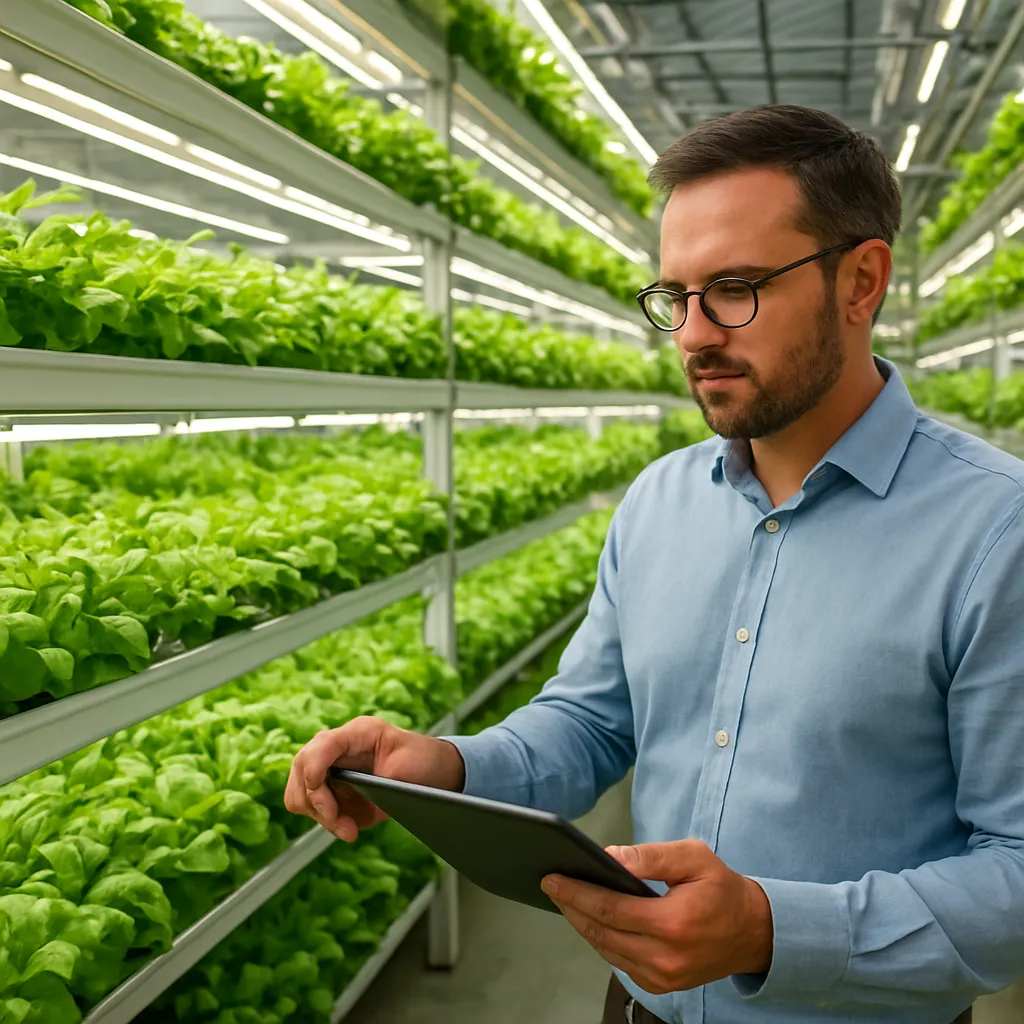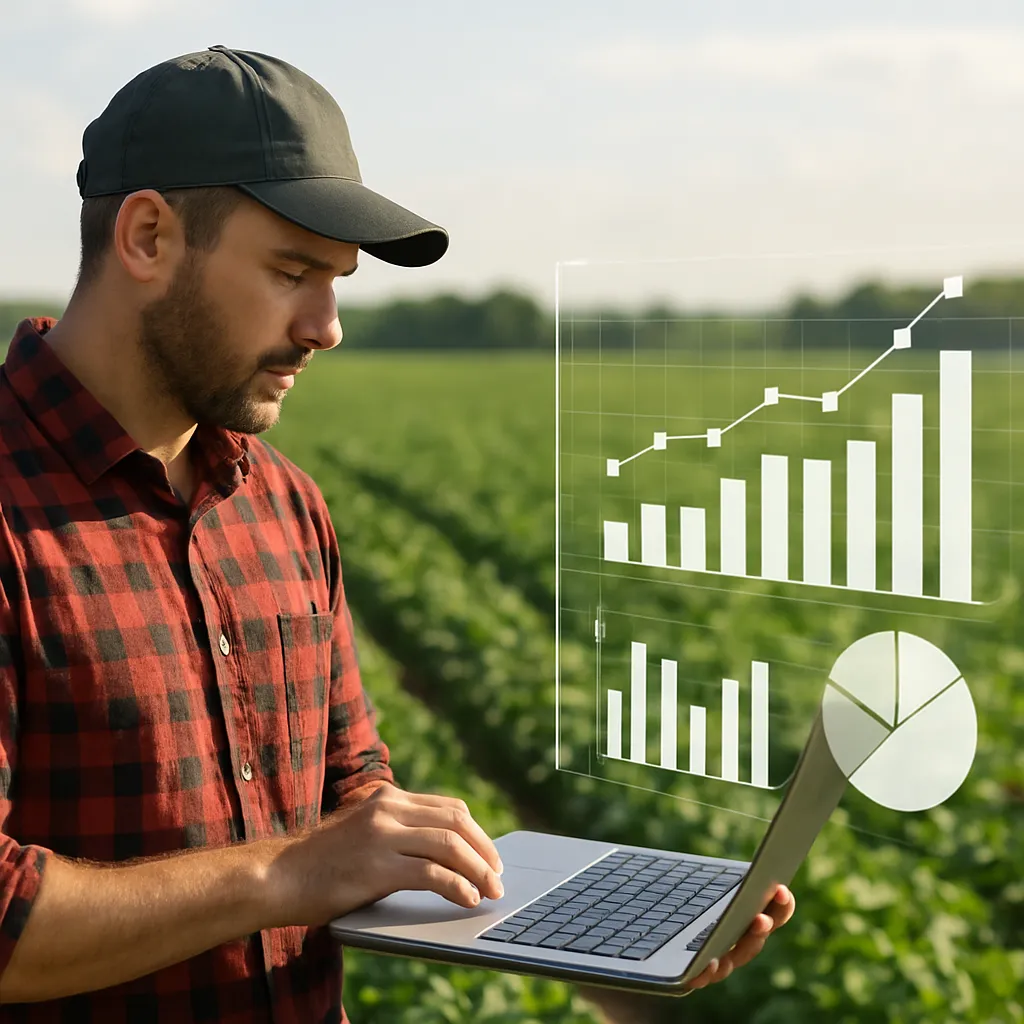


The intersection of technology and agriculture is giving rise to transformative strategies that empower farmers to make data-driven decisions. This article explores how innovators harness AI and related advancements to optimize planting schedules, react to shifting climate patterns, and maximize farm output. From advanced modeling to real-time monitoring, these breakthroughs are setting a new standard for crop management and rural prosperity.
The Rise of Predictive Analytics in Agriculture
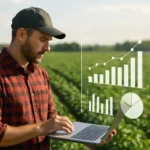
Farmers have long relied on tradition, experience and local knowledge when deciding what to plant and when to sow. Today, however, comprehensive data sets and powerful computing platforms enable the integration of predictive analytics into every stage of crop planning. By combining historical yield data, satellite imagery, soil tests and weather forecasts, machine-driven models calculate the probability of success for different crop choices under various scenarios.
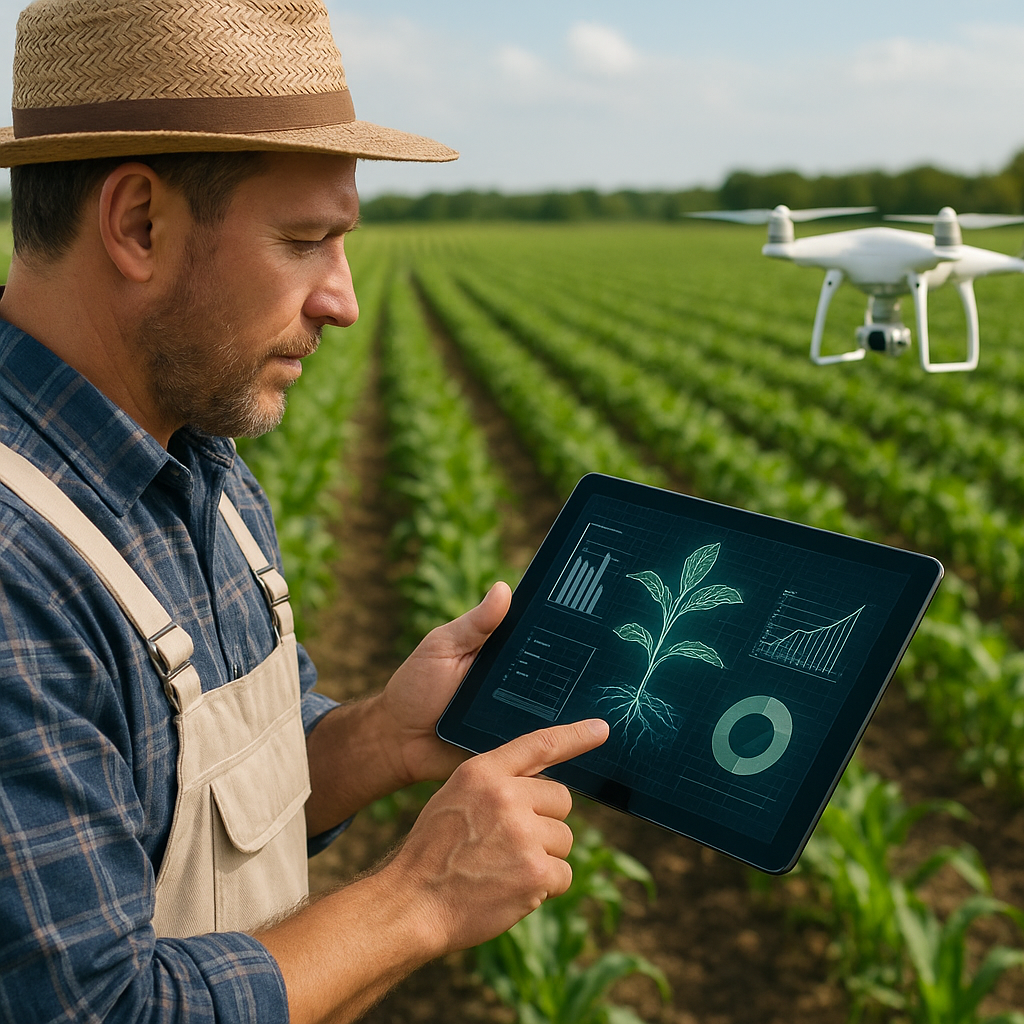
Central to these innovations are sophisticated algorithms that process terabytes of information within minutes. They identify patterns invisible to the human eye—subtle shifts in soil nutrient levels, microclimates within a single field, or emerging pest populations. Farmers can then allocate resources more effectively, pinpointing which parcels require additional irrigation, where to apply fertilizers sparingly, or when the risk of late-season frosts alters planting windows.
Some agritech companies offer cloud-based dashboards that update every morning, alerting growers to potential threats or optimal harvesting dates. These interactive platforms often include what-if analysis tools, enabling quick comparisons between crop rotations and highlighting trade-offs between short-term gains and long-term soil health. The result is a strategic approach that moves beyond rule-of-thumb methods to embrace high-resolution forecasting and agile decision-making.
AI Tools for Precision Planting
Core Components of a Precision Planting System
- High-resolution drone and satellite imagery
- Field sensors measuring moisture, pH and temperature
- Automated tractors and planters guided by GPS
- Real-time data analytics for localized adjustments
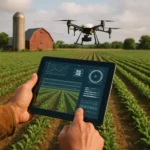
Precision agriculture has evolved into a blend of robotics, remote sensing and sensors networked across sprawling fields. Soil moisture probes and nutrient detectors provide minute-by-minute feedback, while weather stations measure wind speed, humidity and rainfall in microclimates. Connected via the IoT, these devices feed continuous streams of data to centralized systems.
On the machinery side, seed drills and planters now adjust planting depth and spacing on the fly. Using on-board computers, they reference soil maps and instant measurements to determine the ideal seeding rate for each square meter. This level of precision reduces seed waste, improves germination uniformity and enhances overall crop health.
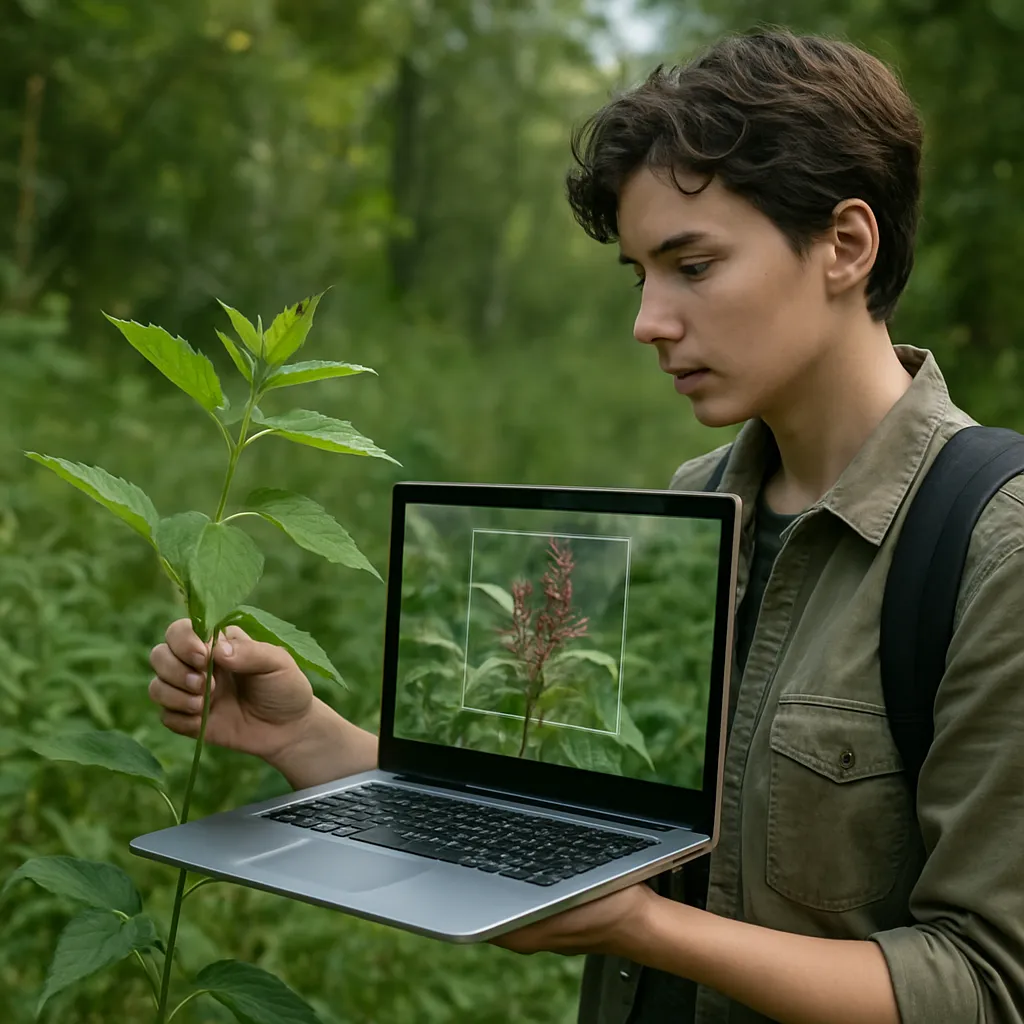
Farmers can also deploy autonomous rovers that scout fields, identify weed patches with computer vision, and deploy targeted herbicide treatments. Artificial intelligence models classify plant species and assess growth stages, ensuring interventions occur only where necessary. By automating repetitive tasks, producers free themselves to focus on strategic planning and farm expansion.
Sustainable Farming through Machine Learning
Beyond maximizing output, modern agriculture places a premium on sustainability and resource conservation. Machine learning models gauge soil organic matter trends, carbon sequestration potential and erosion risks. These insights guide practices like cover cropping, reduced tillage and crop rotations, which enhance resilience while maintaining or boosting yields.
Climate-smart algorithms also forecast water requirements weeks in advance. By integrating evapotranspiration models with groundwater data, they advise on irrigation schedules that minimize waste and curb salinization. In regions facing water scarcity, this capability proves invaluable, helping smallholder farmers achieve food security without exhausting aquifers.
Another frontier involves digital twins of entire fields—virtual replicas updated hourly with data from drones, IoT nodes and weather stations. Farmers can simulate interventions like trial fertilizer blends or novel crop varieties on the digital twin, evaluating outcomes without risking real-world losses. This reduces experimental costs and accelerates adoption of eco-friendly methods.
Challenges and Future Prospects
While the benefits of agri-AI are clear, widespread adoption faces hurdles. Connectivity remains limited in remote areas, and the initial investment for equipment and software can deter small-scale operators. Data privacy concerns also arise, as sensitive farm information flows through corporate platforms. Standardization of data formats and open-access APIs will be crucial to ensure interoperability between devices and services.
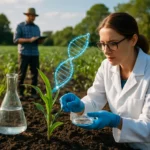
Looking ahead, researchers aim to integrate genomic and phenotypic data to cultivate crops with enhanced disease resistance and nutritional value. Forecasting models will become more granular, leveraging edge computing to process sensor readings directly on farm equipment. Advances in renewable energy storage promise to power IoT networks sustainably, reducing the carbon footprint of data-hungry systems.
Ultimately, the combination of cutting-edge technology and human expertise will drive a new era of agricultural growth. As these tools mature, farmers stand to reap greater profits and environmental benefits, ensuring that agriculture remains both a lucrative business and a steward of the planet’s natural resources.