



Global agriculture faces mounting pressure to **innovate** in every phase from planting to consumption. Among these phases, grain storage remains a critical bottleneck, where inefficiencies and spoilage can undercut both farmer livelihoods and global food security. By leveraging cutting-edge technologies and **precision** management strategies, the sector can dramatically reduce **post-harvest** losses. This article delves into the realm of **impressive** agriculture, exploring how smart grain storage solutions are revolutionizing the way we safeguard one of humanity’s most vital commodities.
Modern Challenges in Grain Storage
Grains such as wheat, rice, and maize represent the backbone of diets worldwide. However, traditional storage methods often suffer from flaws that lead to substantial losses. Common issues include:
- Uncontrolled humidity fluctuations that promote mold and mycotoxin production
- Temperature spikes that accelerate spoilage and insect infestations
- Poor ventilation, which encourages condensation and hot spots
- Lack of real-time oversight, leading to delayed interventions
These factors can cause up to 20% of stored grain to be lost before it even reaches the market. Smallholder farmers, particularly in developing regions, bear the brunt of these losses, undermining food security and economic resilience. To confront these challenges, storage facilities must evolve from static silos into dynamic, responsive systems.
Advanced Technologies for Monitoring and Control
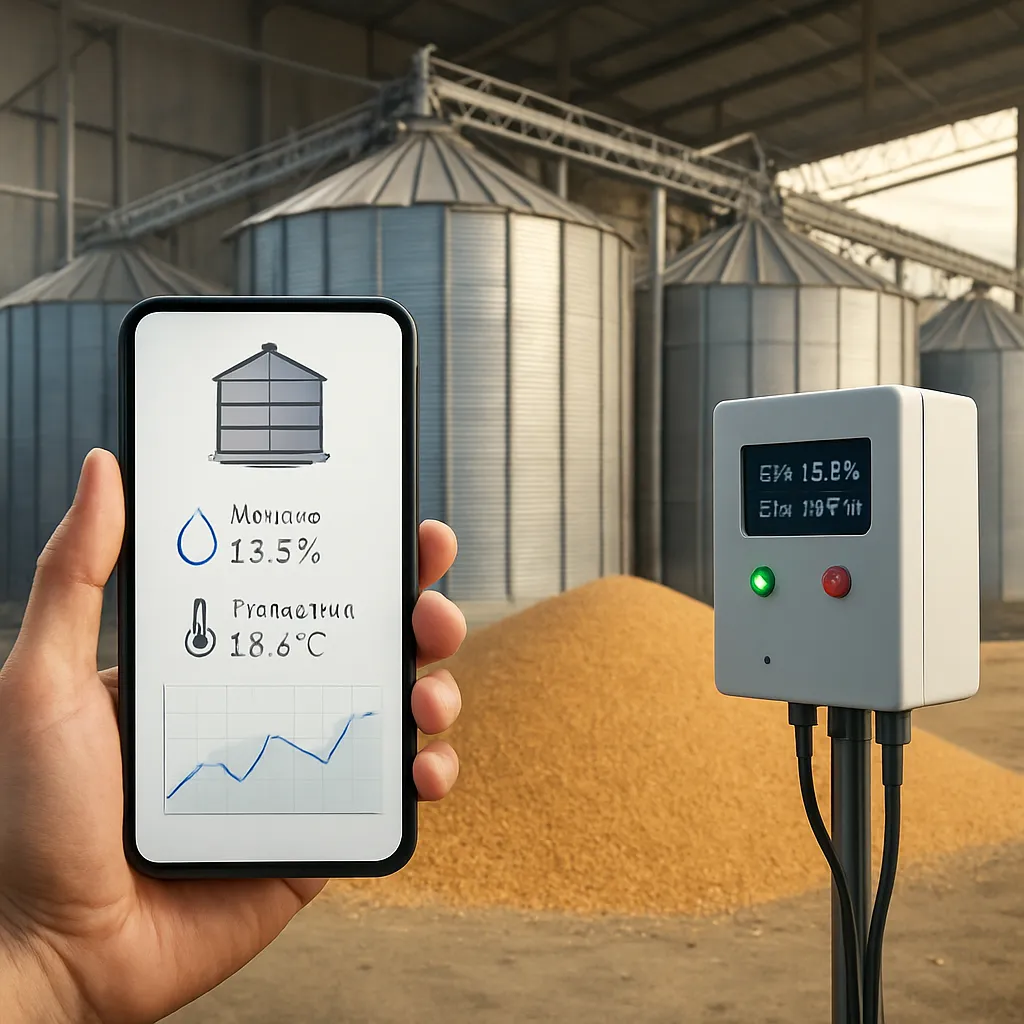
Smart grain storage hinges on the integration of **sensors**, Internet of Things (IoT) devices, and **data analytics** platforms. By equipping silos and warehouses with a network of interconnected sensors, managers gain unprecedented visibility into storage conditions.
Real-Time Environmental Monitoring
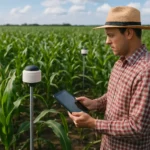
- Temperature sensors distributed at multiple depths and positions to detect hot spots
- Humidity probes that monitor moisture gradients within the bulk grain mass
- Gas sensors to detect early signs of microbial activity or insect metabolism
- Connectivity modules (LoRaWAN, NB-IoT) ensuring data transmission even in remote areas
Continuous streams of data feed into centralized dashboards, enabling rapid detection of anomalies. For example, a sudden rise in localized temperature can trigger alarms and activate cooling fans or aeration systems, preventing the spread of spoilage.
Automated Aeration and Climate Control
Manual aeration often fails to address microclimate variations within a storage bin. Smart systems, however, can:
- Automatically adjust airflow rates based on sensor inputs
- Optimize vent opening sequences to balance energy consumption and cooling efficacy
- Integrate weather forecasts to preemptively lower temperatures ahead of ambient heatwaves
Such **automation** not only preserves grain quality but also reduces operating costs by aligning energy use with actual needs.
Predictive Maintenance and AI-driven Insights
Beyond environmental control, smart storage solutions employ machine learning algorithms to forecast risks and recommend interventions. By analyzing historical patterns alongside real-time data, AI models can predict:
- Optimal storage duration before quality degradation begins
- Probability of insect infestation based on temperature and moisture trends
- Maintenance schedules for aeration equipment to avoid unexpected breakdowns
These **efficiency** gains translate into fewer manual inspections and a lower margin for error, empowering facility managers to allocate resources more strategically.
Integrating Smart Systems with Sustainable Practices
While technological upgrades are crucial, sustainable grain storage demands a holistic approach. Smart solutions should align with environmental stewardship and community needs.
Renewable Energy Integration
Replacing diesel generators with solar-powered aeration or leveraging biogas from crop residues can shrink the carbon footprint of storage operations. Rooftop photovoltaic panels, coupled with battery storage, ensure uninterrupted power for critical sensors and fans, even during grid outages.
Water-Efficient Cooling Techniques
In regions where water is scarce, evaporative cooling systems must be designed to maximize **sustainability**. Innovations include:
- Closed-loop evaporative units that recycle condensate
- Hybrid air-and-water cooling towers with variable-speed pumps
- Sensor-driven water dosing that matches cooling needs precisely
Community-Based Monitoring Networks
For smallholder clusters, individual investments in smart storage might be prohibitive. Cooperative models, however, can distribute costs and benefits by:
- Establishing shared storage hubs with centralized IoT oversight
- Training farmers on data interpretation and maintenance protocols
- Facilitating digital marketplaces that reward high-quality, well-preserved grain
By democratizing access to advanced **connectivity** and analytics, these networks bolster rural economies and foster resilience against climate uncertainties.
Case Studies and Future Outlook
Across continents, pilot projects have demonstrated the transformative potential of smart grain storage:
- In Southeastern Asia, IoT-enabled silos reduced spoilage rates by over 50%, enabling farmers to fetch better market prices.
- An African cooperative utilized solar-powered sensors and AI-driven alerts to cut post-harvest losses from 18% to 6% within two harvest seasons.
- European grain elevators integrated drone-based thermal imaging to map temperature irregularities, guiding precision aeration that saved thousands in energy costs.
Looking ahead, the convergence of **innovation** areas—blockchain for traceability, advanced robotics for grain handling, and edge computing for faster insights—will propel storage systems to new levels of reliability and transparency. As agriculture embraces these smart solutions, the goal of a truly global, waste-minimized food supply chain moves ever closer to reality.