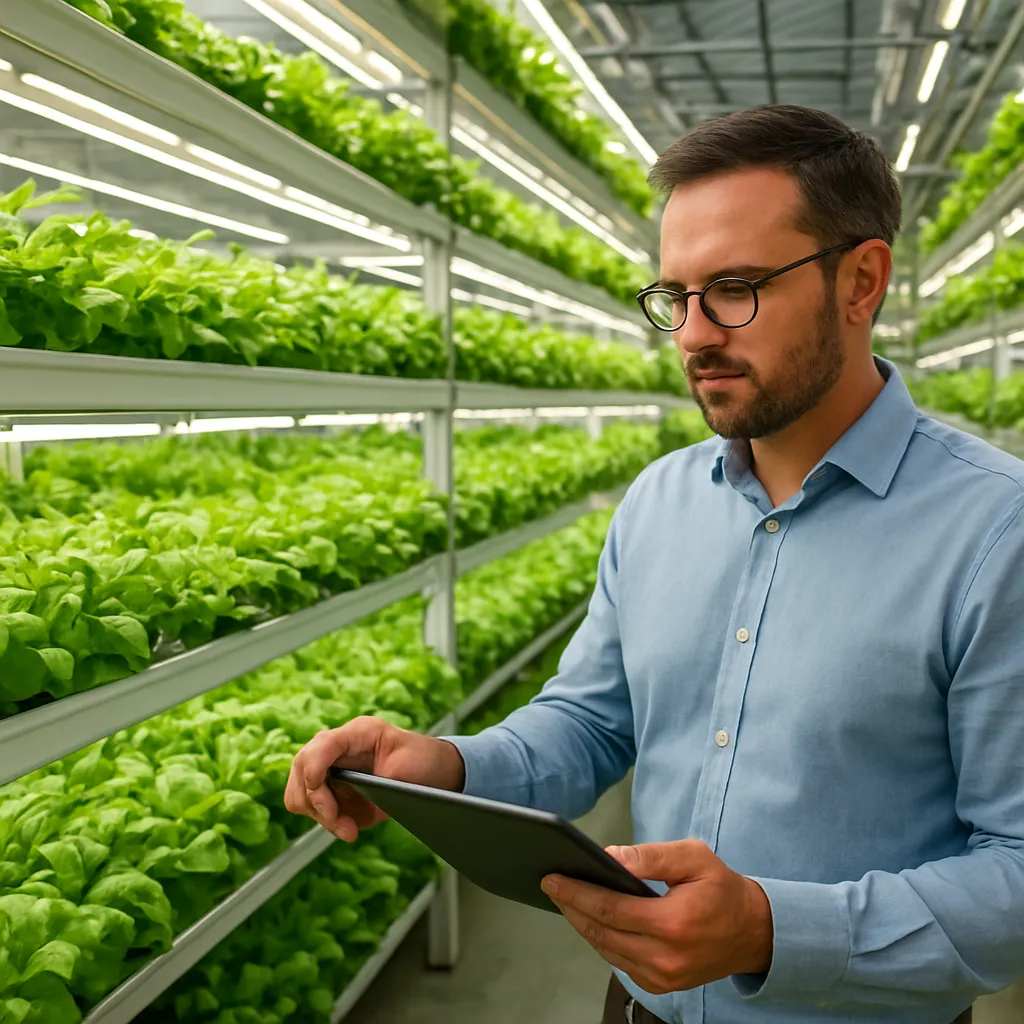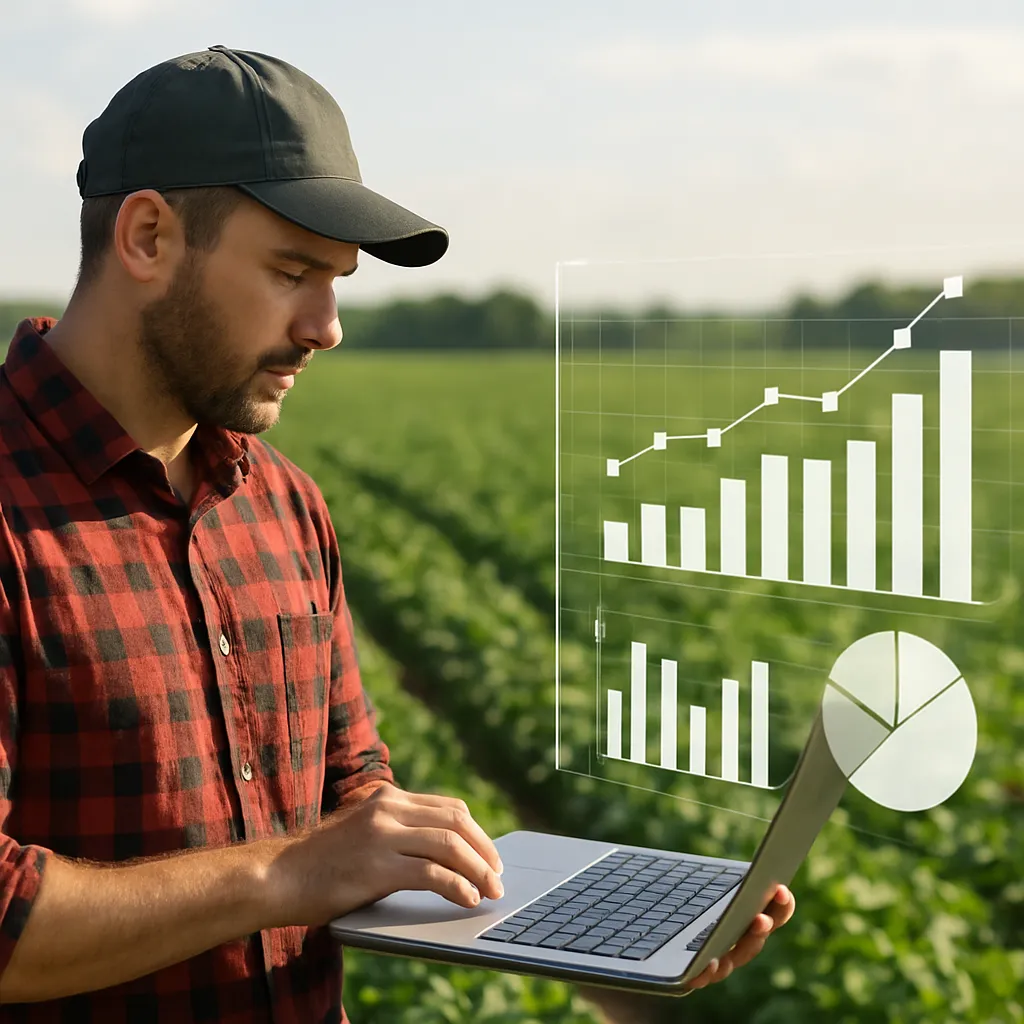


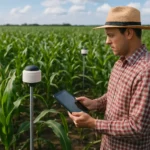
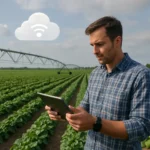
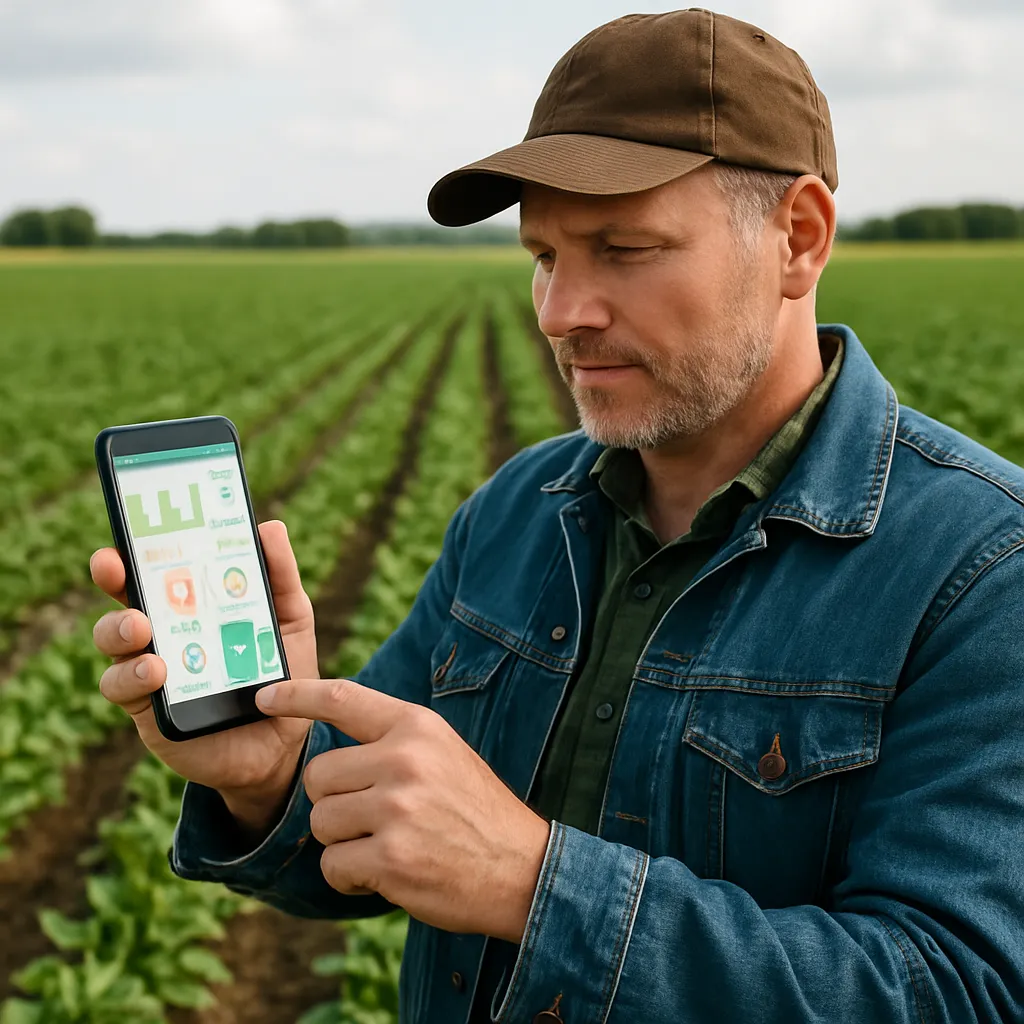
As modern agriculture evolves into a high-tech frontier, farmers harness a suite of precision tools and digital platforms to boost yield, enhance sustainability, and streamline daily operations. This article explores the most impressive smart farming apps every progressive cultivator and livestock manager should know, showcasing how data-driven systems are transforming fields and barns, from real-time monitoring of soil moisture to automated herd health checks.
Precision Agriculture Tools
Precision agriculture has redefined the way growers manage inputs like water, fertilizer, and crop protection. By using detailed field data, producers can apply resources exactly where they’re needed, reducing waste and increasing overall efficiency. Below are key apps that deliver actionable insights for crop management:
- FarmLogs – Enables farmers to map fields, track planting dates, and log weather events. Its intuitive dashboard aggregates satellite imagery and weather forecasts for real-time decision-making.
- Granular – Provides end-to-end farm management with robust analytics on costs, labor, and crop performance. Offering financial tools and operational reports, Granular helps optimize profitability.
- Climate FieldView – Collects data from connected farm equipment and sensors for field-by-field analysis. It offers yield maps, prescription creation, and application tracking to fine-tune input use.
- Agroop – Combines soil moisture sensors, weather stations, and satellite data into a single interface. Its alert system warns of irrigation needs or pest risks, facilitating proactive interventions.
Livestock Management Solutions
Modern ranches and dairy farms leverage digital platforms to monitor animal health, track feeding patterns, and predict breeding windows. These apps improve herd welfare while maximizing productivity and reducing labor costs:
- Herdwatch – A record-keeping platform for cattle and sheep operations. Automating compliance tasks and health event logging, it simplifies audit preparation and traceability.
- AgriWebb – Turns ranch records into visual dashboards, mapping grazing rotations and tracking weight gain. Its mobile-first approach allows on-the-spot updates in remote paddocks.
- SmartTag – Uses RFID and GPS-enabled ear tags to monitor location, temperature, and activity levels. Alerts notify managers of potential illness or escape attempts.
- Moocall – A calving sensor that predicts imminent births by detecting tail movements. It sends SMS alerts to ensure timely assistance, minimizing neonatal losses.
Soil and Crop Monitoring Platforms
Healthy crops start with well-nourished soil. Advanced sensing technologies coupled with cloud-based apps deliver granular data on soil composition, moisture, and nutrient levels. Farmers use these insights to implement site-specific management strategies and drive sustainability:
- CropX – Integrates wireless soil probes with an intuitive app for irrigation scheduling. It analyzes root-zone moisture and soil texture to optimize water usage.
- John Deere Operations Center – Syncs with on-board equipment sensors to log planting depth, seed spacing, and fertilizer rates. Its prescription maps allow variable-rate applications.
- Fieldmargin – Provides high-resolution field boundaries, notes on crop growth stages, and pest scouting modules. Teams can collaborate, annotate maps, and share observations instantly.
- Arable – Combines a weather station and spectral sensor to track crop health indicators like chlorophyll content. The platform’s machine-learning models identify stress factors early.
Market Access and Financial Tools
Securing fair prices and managing finances can be daunting. Several platforms connect producers directly with buyers, lenders, and insurers, enabling better market positioning and automation of financial operations:
- FarmLead – An online grain marketplace where farmers post bids or offers. Transparent price boards and contract tools reduce intermediaries and improve revenue.
- AgriDigital – Handles grain contracts, invoicing, and payments through a blockchain-secured ledger. This ensures traceability and expedites cash flow.
- KisanHub – Offers commodity price forecasting, demand analysis, and supply chain visibility. Producers can align planting decisions with market signals to maximize margins.
- AgFinance – Connects farmers with lenders offering equipment loans, operating lines, and insurance products. Automated credit assessments speed up approval times.
Integration and Future Trends
One of the most compelling aspects of smart farming is the synergy between different applications. Centralized farm management consoles unify data from field sensors, drones, tractors, and market platforms into a single view. This holistic approach unlocks deeper insights and fosters ongoing innovation:
- Edge computing on the farm reduces latency for critical alerts, ensuring remote operations remain responsive even with limited connectivity.
- Artificial intelligence models predict pest outbreaks, nutrient deficiencies, and yield forecasts, enabling preemptive action.
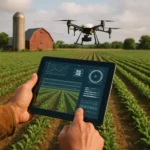
- Remote sensing via drones or satellites generates high-resolution imagery, allowing precision spraying and targeted scouting.
- Blockchain implementations enhance supply chain transparency, bringing consumers closer to the source of their food.
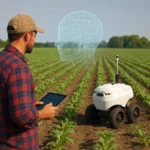
- Robotics and autonomous vehicles continue to advance, from robotic harvesters to automated weeding machines.
Adoption Strategies for Farmers
Transitioning to a smart farm requires thoughtful planning. Here are best practices to ensure a successful rollout:
- Conduct a needs assessment: Identify the greatest pain points—be it irrigation, labor, or market access—and prioritize tools that address those challenges.
- Start small with pilot projects: Deploy sensors or trial an app on a single field or herd subset to gauge ROI before scaling up.
- Train the team: Provide hands-on workshops and online tutorials to ensure staff can operate new technologies effectively.
- Ensure connectivity: Invest in reliable internet or cellular boosters to maintain seamless data flow across remote areas.
- Monitor performance metrics: Track key indicators like input savings, time reduction, or yield lift to validate each investment.
Conclusion
Embracing smart farming apps empowers today’s farmers to achieve unprecedented levels of optimization in resource management, animal welfare, and market engagement. By leveraging these cutting-edge platforms, agricultural enterprises can thrive in an increasingly competitive landscape while contributing to the global push for environmental stewardship.