
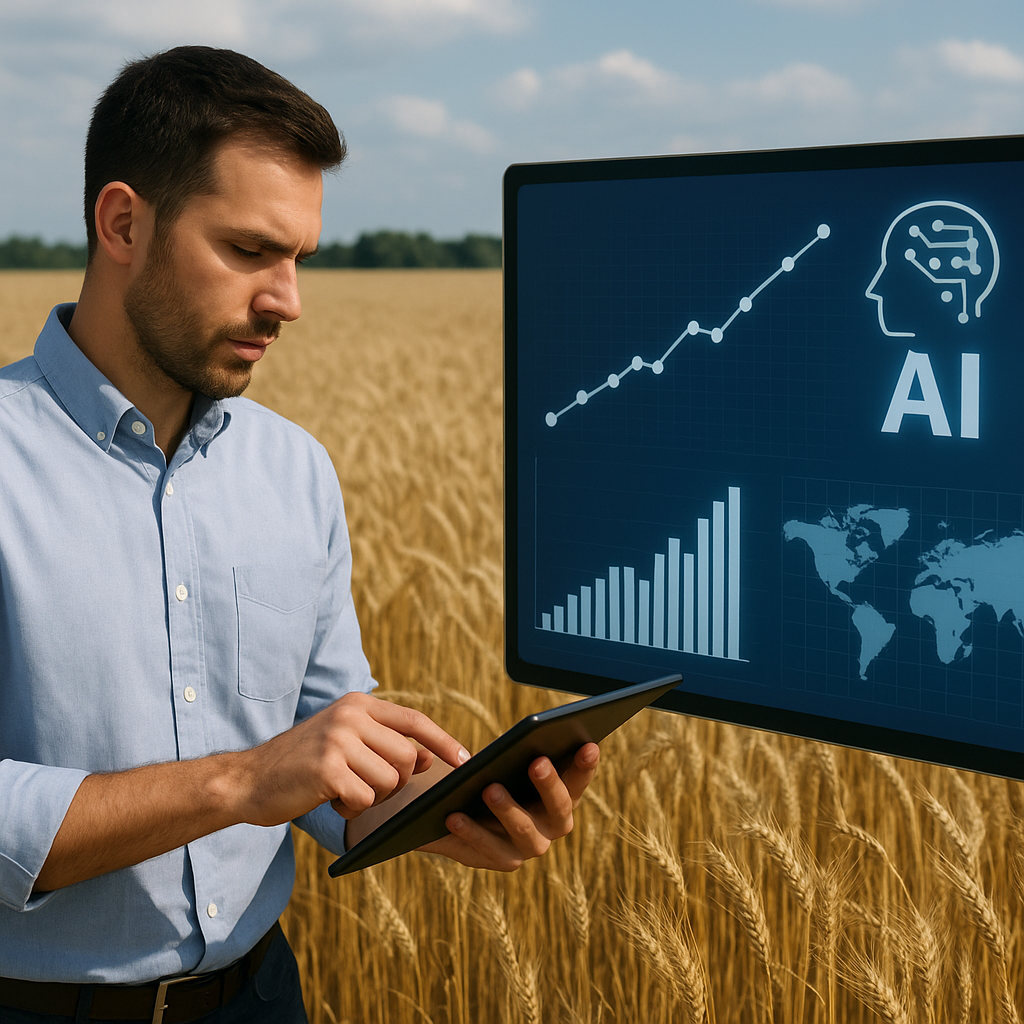
In a world where agricultural markets sway with the unpredictability of weather patterns, geopolitical shifts and supply chain complexities, artificial intelligence has emerged as an essential ally in enhancing the accuracy of crop price projections. This article explores how AI-driven forecasting tools are reshaping global crop markets, empowering stakeholders with actionable insights, and fostering a more resilient and sustainable agricultural ecosystem.
Integrating AI into Crop Market Forecasting
The convergence of machine learning algorithms and vast agricultural datasets has ushered in a new era of forecasting precision. Traditional econometric models often struggle to capture the nonlinear interactions among climate variables, soil conditions and market forces. By contrast, AI systems excel at identifying hidden patterns within massive amounts of information, enabling:
- Real-time analysis of supply and demand fluctuations
- Adaptive learning from emerging trends
- Dynamic risk assessment under shifting environmental conditions
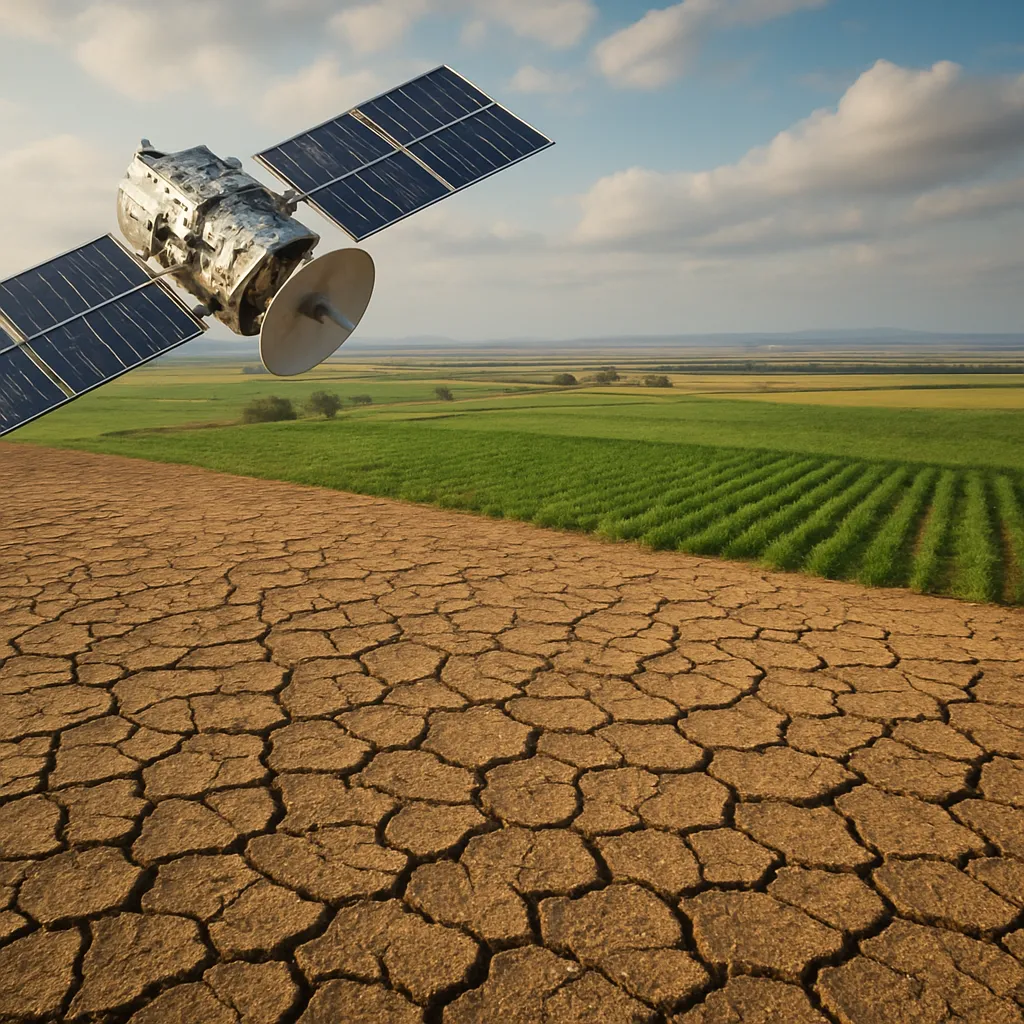
For instance, deep neural networks can ingest satellite imagery and correlate vegetation indices with historical price movements. This capability allows traders and producers to anticipate market swings before they fully materialize. The hallmark of these AI platforms is their ability to refine predictions as new data streams—such as satellite passes or commodity exchange records—become available.
Leveraging Diverse Data Sources and Advanced Models
An AI-driven forecasting framework thrives on the synergy between multiple data types. Some of the most crucial inputs include:
- Remote Sensing Data: High-resolution satellite imagery provides granular insights into crop health, acreage estimates and phenological stages.
- Weather and Climate Models: Ensemble forecasts of temperature, precipitation and extreme events support long-term yield projections.
- Market Intelligence: Historical price series, export-import statistics and inventory levels inform demand-side dynamics.
- Soil and Agronomic Data: Soil moisture content, nutrient profiles and cropping patterns enhance the spatial accuracy of yield predictions.
Advanced AI models, such as gradient boosting machines and recurrent neural networks, excel in processing this heterogeneous information. These algorithms can:
- Detect early signs of stress factors—like drought or pest outbreaks—that influence supply forecasts
- Simulate “what-if” scenarios under varying policy or trade regimes
- Quantify uncertainty through probabilistic outputs, enabling more informed decision-making
Moreover, federated learning approaches are emerging to allow stakeholders—governments, research institutions and private enterprises—to jointly train robust models without directly sharing proprietary datasets. This collaborative paradigm fosters greater model reliability while preserving data sovereignty.
Stakeholder Benefits and Economic Impacts
The application of AI in crop market forecasting unlocks a multitude of benefits for diverse participants across the value chain:
- Farmers: Enhanced yield and pricing forecasts enable better resource allocation for irrigation, fertilization and harvest timing, driving efficiency and profit margins.
- Traders and Commodity Exchanges: Improved predictability reduces price volatility, heightening market stability and fostering more liquid trading environments.
- Policymakers: Data-driven insights on supply shortfalls or surpluses inform strategic reserves and trade policy, bolstering food resilience at national and regional levels.
- Consumers: Stabilized prices and proactive supply chain adjustments mitigate the impact of sudden food price spikes, supporting global food security objectives.
Consider a cooperative in South America that leverages AI forecasts to optimize its soybean export strategy. By integrating predictive analytics, the cooperative can lock in favorable forward contracts well in advance, avoiding last-minute price downturns. In Asia, rice millers rely on machine-driven forecasts to plan storage capacities and transportation logistics, minimizing postharvest losses and ensuring consistent supply.
Overcoming Challenges and Charting Future Innovations
Despite remarkable progress, AI-driven forecasting for crop markets faces several hurdles:
- Data Gaps and Quality: In many regions, the scarcity of reliable ground observations limits model calibration, leading to uncertainty in remote areas.
- Computational Constraints: Training cutting-edge AI architectures often demands extensive GPU resources, which can be costly and energy-intensive.
- Interpretability and Trust: Stakeholders may hesitate to adopt black-box models without transparent explanations of the underlying decision logic.
- Regulatory and Ethical Considerations: Ensuring equitable access to forecasting tools and safeguarding against data misuse remain pressing concerns.
To address these challenges, the next wave of innovation will likely emphasize:
Hybrid Modeling Approaches
By combining physics-based crop growth models with data-driven AI, researchers can inject domain knowledge into forecasting systems. This hybridization enhances model robustness, particularly in scenarios with limited historical data.
Explainable AI (XAI)
Techniques that unveil the rationale behind AI predictions—such as feature attribution and surrogate modeling—will build stakeholder confidence and facilitate regulatory compliance.
High-Performance Edge Computing
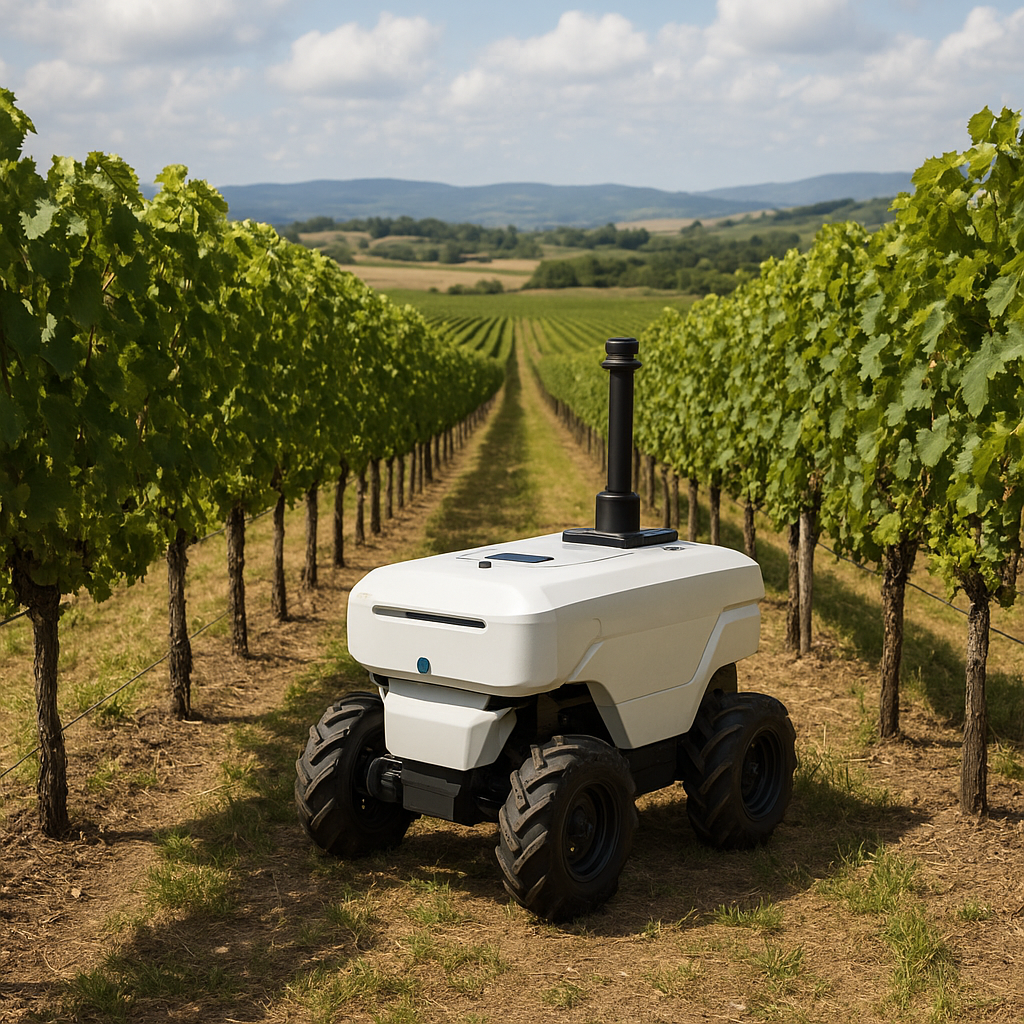
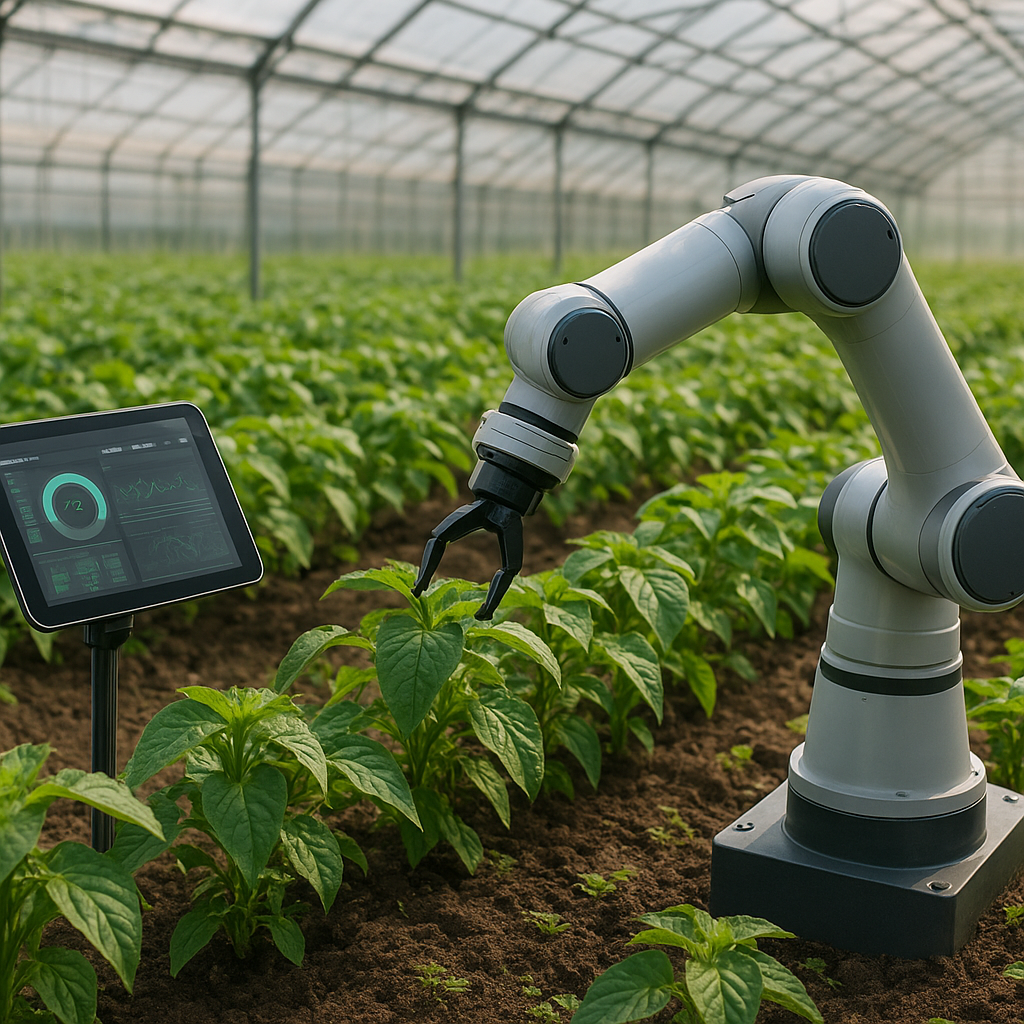
Deploying lightweight AI engines on edge devices—such as drones and IoT sensors—enables on-the-spot analysis of field conditions. This decentralized approach reduces latency and bandwidth demands, making real-time forecasting more accessible.
Open-Data Collaboratives
Initiatives that promote standardized data sharing across public and private entities will enrich training datasets and democratize access to advanced forecasting tools. Such collaboratives foster continuous improvement and innovation in the agricultural AI landscape.
By harnessing the predictive power of AI in tandem with comprehensive data ecosystems, the agricultural sector stands poised to achieve unprecedented levels of precision, optimization and resilience. As these technologies mature, global crop markets will become more transparent, efficient and responsive to both environmental and economic shifts.